

How To Write A Blog And Make Money: 15 Proven Ways
Learning how to write a blog and make money is easier than ever. Blogging offers numerous opportunities to generate income while sharing your knowledge, interests, and expertise.
Whether you want extra income, a full-time business, or a platform to share your expertise, blogging offers long-term opportunities with relatively low startup costs.
The secret is to produce valuable content that addresses real problems and builds reader trust. Combining quality content with effective monetization strategies can help you develop a sustainable online business.
From selecting a profitable niche to making your blog a consistent revenue source, this comprehensive guide explores 15 proven ways to monetize your blog and the essential tools you need to succeed.
How To Start A Profitable Blog
Before exploring how to write a blog and make money, it is important to establish a solid foundation. Building a successful blog requires careful planning, valuable content, and a clear understanding of your target audience.
The following six steps can help you create a professional blog with long-term earning potential.
1. Choose A Profitable Blogging Niche
Start by exploring the best blog niche ideas that make money. Choose a topic that matches your interests, knowledge, and experience while offering realistic monetization opportunities.
Research your target audience, competition, and market demand before making a decision. Popular blogging niches include personal finance, technology, travel, health, gardening, and lifestyle.
2. Set Up Your Blogging Website
Select a memorable domain name that reflects your niche and learn how to choose a reliable web hosting provider. A dependable hosting service helps ensure your website remains secure, accessible, and responsive.
WordPress is a popular blogging platform that offers flexibility and customization options. Choose a professional, mobile-friendly theme and create essential pages, including About, Contact, and Privacy Policy.
3. Research Relevant Keywords
Understanding how to choose keywords for blog posts helps you create content that matches what your target audience is searching for.
Focus on relevant keywords with realistic competition levels and clear search intent. Incorporate them naturally into your titles, headings, introductions, and throughout your articles without keyword stuffing.
4. Create Valuable And Engaging Content
Develop a consistent publishing schedule and concentrate on answering your readers’ questions. Helpful tutorials, product reviews, comparisons, and practical guides can attract visitors and establish your credibility.
Use clear headings, short paragraphs, relevant images, and helpful internal links to improve readability. Regularly update older articles to keep your information accurate, useful, and relevant.
5. Build Your Audience And Increase Website Traffic
Learning how to drive traffic to your website is essential for developing a profitable blog. Combine search engine optimization, social media marketing, and networking to reach potential readers.
Explore the best ways to build an email list to establish lasting relationships with your audience. An engaged readership can support your future monetization efforts and encourage repeat visits.
6. Develop A Monetization Strategy
Choose income-generating methods that complement your blogging niche and meet your audience’s needs. Affiliate marketing, digital products, advertising, and freelance services are among the many available options.
Start with one or two suitable methods before gradually diversifying your income streams. Monitor your results, refine your strategies, and concentrate on providing genuine value rather than pursuing quick profits.
Wealthy Affiliate – Mini Review
If you’ve ever thought about turning your blog, passion, or niche into an online business,
Wealthy Affiliate (WA) is one of the most beginner-friendly platforms I’ve used.
It combines step-by-step training, website hosting, AI-powered tools,
keyword research, and an active community all in one place.
What I like most is that you can start for free (no credit card needed), explore the platform,
test the tools, and connect with other entrepreneurs before upgrading.
WA isn’t a “get rich quick” scheme — success comes from consistent effort
and applying what you learn over time.
15 Proven Ways Of Making Money With A Blog
Once you have established your blog, created valuable content, and started attracting readers, you can explore different ways to generate income. Each monetization method offers unique opportunities, depending on your niche, audience, skills, and long-term goals.
From affiliate marketing and display advertising to selling digital products and offering professional services, bloggers can develop multiple income streams. Combining complementary monetization methods can help build a more sustainable and diversified online business.
Let’s explore 15 proven ways to make money with a blog and discover which strategies best suit your blogging goals.
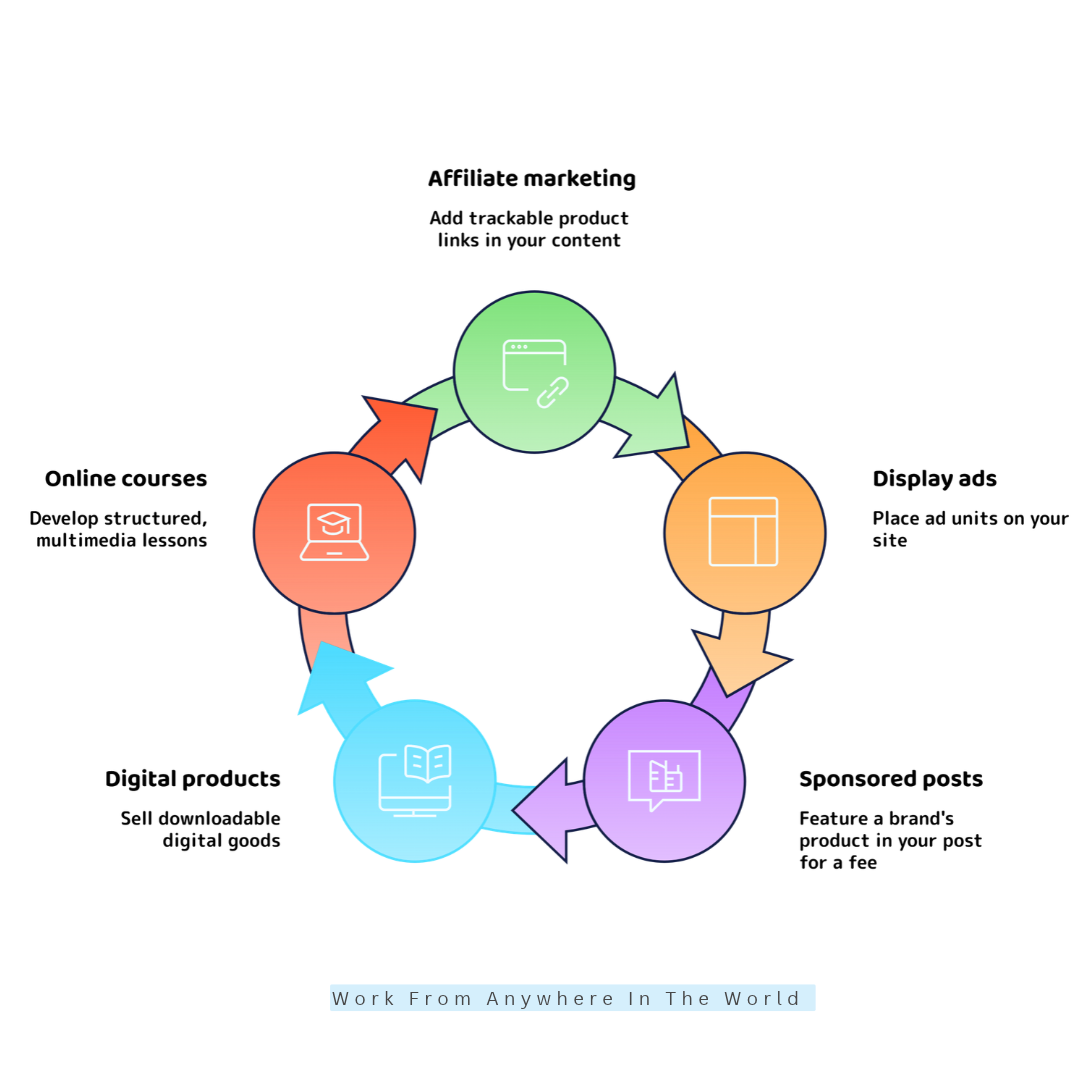
1. Affiliate Marketing
Affiliate marketing is a popular way to monetize a blog by recommending relevant products and services. You earn a commission whenever a reader completes a qualifying purchase or action through your unique affiliate link.
Start by joining reputable affiliate networks, such as Amazon Associates, Awin, CJ Affiliate, and Impact. Explore the best affiliate marketing programs for bloggers to find suitable opportunities.
Choose affiliate products that complement your blogging niche and meet your readers’ needs. Create informative product reviews, comparison articles, tutorials, and buying guides to promote your affiliate links.
WordPress plugins such as Pretty Links and ThirstyAffiliates help you organize, manage, and track affiliate links. Always follow your affiliate programs’ guidelines and clearly disclose your affiliate relationships to readers.
Your affiliate marketing earning potential depends on commission structures, website traffic, audience engagement, and conversion rates.
Publishing valuable content, growing your email list, and improving your SEO strategies can help increase affiliate marketing sales over time.
Best for: Bloggers who enjoy reviewing products, sharing recommendations, and creating helpful, informative content.
2. Display Ads
Display advertising allows bloggers to generate income by displaying advertisements on their websites. Revenue is generally based on ad impressions, measured using CPM (cost per thousand impressions), or clicks, measured using CPC (cost per click).
Popular advertising platforms include Google AdSense, Mediavine, and Ezoic. Each platform has different eligibility requirements, approval processes, and revenue models.
Before applying, consider the differences between Google AdSense and affiliate marketing to determine which monetization method best suits your blog. You can also combine both strategies to diversify your income.
Once approved, integrate advertisements using the network’s recommended code or WordPress plugin. Experiment with ad placements and monitor performance using Google Analytics alongside your advertising dashboard.
Advertising revenue depends on your niche, audience location, traffic volume, and advertiser demand. Implementing effective SEO strategies for organic traffic can help increase your readership and revenue potential.
Learning how to maximize your AdSense earnings while maintaining a positive reader experience is essential. Avoid excessive advertising and optimize your website speed to keep visitors engaged.
Best for: Bloggers with consistent website traffic who want to generate income without directly selling products or services.
3. Sponsored Posts
Sponsored posts involve collaborating with brands to feature their products or services in your blog content in exchange for payment. These collaborations can include product reviews, informative articles, tutorials, and brand features.
Start by developing a strong personal brand and creating a professional media kit. Include your website traffic, audience demographics, engagement statistics, previous collaborations, and available sponsorship opportunities.
Approach companies that align with your blogging niche or join sponsorship marketplaces such as IZEA. Exploring different platforms for influencers can also help you discover potential brand partnerships.
Developing strong professional networking skills and effective negotiation techniques is essential for securing sponsorship agreements. Establish clear expectations regarding compensation, content requirements, publication deadlines, and usage rights.
Your earning potential depends on your niche, audience size, engagement levels, and the scope of each collaboration. Implementing effective strategies for growing your blog traffic can help attract more sponsorship opportunities.
Unlike passive income streams, sponsored posts require ongoing communication and content creation, making them an excellent complement to other monetization methods. Always disclose sponsored relationships and maintain editorial integrity to protect your readers’ trust.
Best for: Bloggers with an engaged audience who enjoy creating branded content and developing professional relationships with relevant businesses.
4. Digital Products
Selling digital products, such as eBooks, templates, planners, and printables, allows bloggers to generate income without maintaining physical inventory. Once created, the same product can be sold repeatedly without additional manufacturing or shipping costs.
Start by learning how to create digital products that sell and identifying your audience’s needs. Design professional, valuable products using tools such as Adobe Creative Cloud or Canva.
If you enjoy writing, consider creating your own eBook based on your blogging niche and expertise. You can also explore best-selling digital products on Etsy for additional inspiration.
Host your digital products on platforms such as Gumroad, Sellfy, or Shopify. Alternatively, integrate an online store into your blog using suitable WordPress eCommerce plugins.
Create an engaging landing page highlighting your product’s features, benefits, and value. Your earning potential depends on product quality, pricing, website traffic, audience demand, and conversion rates.
Once established, you can expand your product range, offer complementary product bundles, and introduce premium versions. Monitor conversions using Google Analytics or your sales platform’s dashboard, and implement effective email marketing strategies to encourage repeat purchases.
Best for: Bloggers, writers, designers, and creative entrepreneurs who want to transform their knowledge and skills into scalable digital income streams.
5. Online Courses
Creating online courses allows bloggers to transform their knowledge, experience, and specialized skills into valuable educational resources. Courses can include video lessons, presentations, downloadable worksheets, interactive exercises, and quizzes.
Start by learning how to create an online course that sells and identifying a topic that addresses your audience’s needs. Outline your curriculum and organize the learning material into structured, manageable lessons.
Use recording tools such as Camtasia and explore suitable video editing software to produce professional lessons. Incorporating interactive digital education tools can also improve student engagement and learning outcomes.
Publish your courses through established marketplaces such as Udemy, dedicated course creation platforms like Teachable and Kajabi, or suitable WordPress learning management system plugins. Compare the best online teaching platforms before selecting one that meets your requirements.
Established marketplaces can help you reach potential students, while selling courses independently offers greater control over pricing, branding, and customer relationships. Learning how to sell an online course is particularly important when managing your own platform.
Promote your courses through webinars, targeted marketing campaigns, and effective email marketing. Your earning potential depends on course quality, pricing, audience demand, marketing efforts, and platform fees.
Although course creation requires considerable upfront work, recorded lessons can generate recurring sales with appropriate marketing and periodic updates. Expand your educational offerings by introducing complementary courses, advanced learning modules, and course bundles.
Best for: Bloggers, educators, coaches, and experienced professionals who enjoy teaching and sharing their expertise while developing scalable income streams.
6. Membership Sites
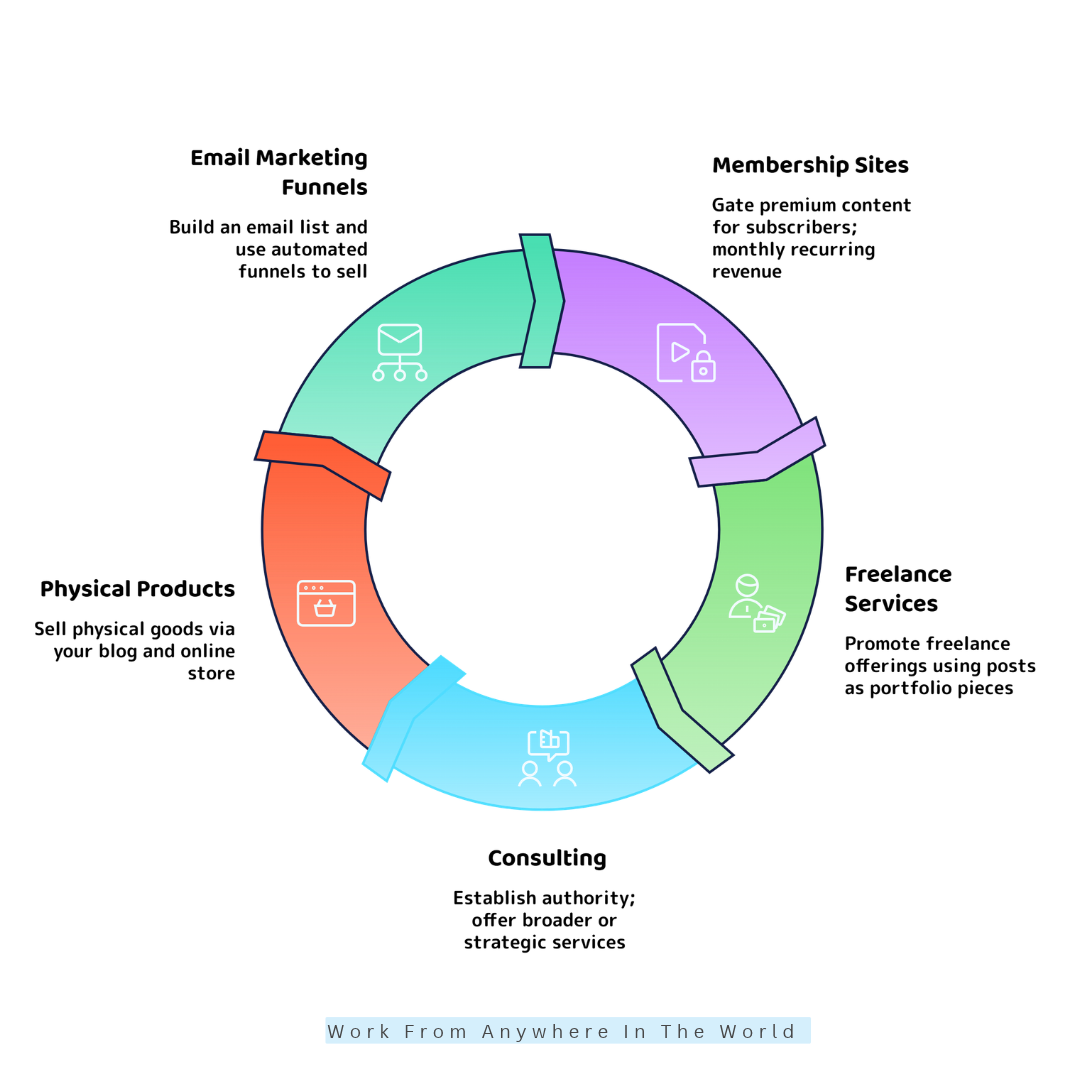
Membership sites allow bloggers to generate recurring income by offering exclusive content to paying subscribers. This can include premium articles, online courses, downloadable resources, private discussion forums, and members-only communities.
Start by building an engaged readership and establishing trust through valuable free content. Developing a loyal following before introducing paid memberships can help increase your chances of attracting subscribers.
Create a membership site using a WordPress plugin such as MemberPress or an all-in-one platform such as Kartra Memberships. Alternatively, platforms like Patreon and Substack allow creators to offer paid subscriptions without managing a separate membership website.
Establish different membership levels with clearly defined benefits and monthly or annual subscription options. Offer valuable incentives, such as exclusive tutorials, live question-and-answer sessions, downloadable materials, and personalized support.
Effective online community management plays an important role in attracting and retaining members. Encourage active participation, respond to feedback, and maintain a consistent schedule for publishing premium content.
Your earning potential depends on subscription pricing, audience size, engagement levels, operating expenses, and member retention. Monitor membership growth and cancellation rates to identify opportunities for improving your offerings.
Although membership sites can provide a relatively predictable income stream, they require ongoing content creation and community engagement. Expand your membership offerings gradually while ensuring existing subscribers continue to receive genuine value.
Best for: Bloggers, educators, coaches, and niche experts who enjoy creating exclusive content and building lasting relationships with their audience.
7. Freelance Services
A blog can serve as a professional platform for promoting your freelance services, including writing, graphic design, web development, and digital marketing. Learning how to make money with freelancing can help you transform your existing skills into an additional income stream.
Create dedicated service pages highlighting your expertise, qualifications, and previous projects. Use relevant blog posts as portfolio pieces to demonstrate your knowledge and showcase the quality of your work.
Explore how to find clients online through your blog, LinkedIn, and established freelance marketplaces such as Upwork. You can also compare the best freelance job websites to discover suitable opportunities.
Understanding how to set freelance rates is essential for establishing fair compensation based on your experience, expertise, and project requirements. Develop effective pitching techniques and avoid common freelance proposal mistakes when approaching potential clients.
Unlike advertising or affiliate marketing, freelance services can generate income without substantial website traffic. However, scalability may be limited because your earnings are often directly connected to your available working hours.
Using effective freelancer productivity tools and implementing practical time management strategies can help you handle multiple projects efficiently.
As your client base grows, consider offering service packages or establishing long-term contracts to create a more consistent income stream.
Best for: Bloggers with marketable professional skills who enjoy working directly with clients and want to monetize their expertise without relying on substantial website traffic.
8. Consulting
Consulting involves providing specialized advice and strategic guidance to individuals or businesses. Unlike freelance services, consulting focuses primarily on helping clients solve problems, improve performance, and achieve specific goals.
Start by exploring how to become a consultant and identifying your area of expertise. Popular consulting niches include business development, SEO, digital marketing, financial planning, and professional development.
Use your blog to establish credibility by publishing informative articles, detailed case studies, and practical industry insights. Learning how to increase website authority can also help strengthen your professional reputation and attract potential clients.
Create dedicated consulting service pages that highlight your qualifications, experience, areas of expertise, and past client successes. Offer individual consultations, strategic assessments, project-based services, or ongoing advisory packages.
Developing effective communication skills is essential for understanding client needs, presenting proposals, and delivering actionable recommendations. Strong analytical, negotiation, and problem-solving skills can further enhance your consulting services.
Your earning potential depends on your expertise, professional reputation, client relationships, and the complexity of each project. Although consulting income is often tied to your available working hours, group consultations, workshops, and long-term advisory agreements can improve scalability.
Sharing practical insights into how to be successful in business can help business consultants demonstrate their expertise and attract new clients. Focus on delivering measurable results and developing lasting professional relationships.
Best for: Established bloggers, industry experts, and experienced professionals who enjoy solving problems, developing strategies, and helping clients achieve their goals.
9. Selling Physical Products
Selling physical products through your blog allows you to generate income from branded merchandise, handmade goods, accessories, and carefully selected products. Learning how to sell any product can help you develop effective sales strategies that complement your blogging niche.
Start by identifying products that appeal to your target audience and establishing an online store. Comparing Shopify vs WooCommerce can help you select the right eCommerce platform for your business requirements.
Depending on your business model, you can manage your own inventory, work with suppliers, or establish a dropshipping business. Print-on-demand services also allow you to sell customized merchandise without maintaining physical inventory.
Research trending products for dropshipping and evaluate product quality, supplier reliability, customer demand, and potential profit margins. Consider ordering samples before promoting products to your readers.
Implementing eCommerce website best practices can help improve your customers’ shopping experience. Create informative product descriptions, attractive images, straightforward navigation, and a secure checkout process.
Your earning potential depends on product demand, pricing, profit margins, website traffic, and operating expenses. Initial investments may include product samples, inventory, packaging, fulfilment services, and online store subscriptions.
As your business grows, explore how to be successful on Shopify or expand your existing store with complementary products. Effective inventory management, product sourcing, customer service, and logistics coordination are essential for sustainable growth.
Best for: Bloggers, creative entrepreneurs, and niche enthusiasts who want to build an eCommerce business around products that complement their content and appeal to their audience.
10. Email Marketing Funnels
Email marketing funnels allow bloggers to build relationships with subscribers and gradually introduce relevant products, services, and affiliate offers. Automated email sequences can help turn interested readers into loyal customers.
Start by comparing the best email marketing tools for beginners, including Mailchimp and Kit (formerly ConvertKit). Choose a platform that offers automated sequences, audience segmentation, customizable templates, and performance tracking.
Learning how to use Mailchimp with WordPress can help you integrate subscription forms directly into your blog. Encourage readers to subscribe by offering valuable lead magnets, such as free eBooks, checklists, templates, or exclusive tutorials.
Follow a structured email marketing automation strategy that begins with a welcome email, followed by informative content and relevant promotional offers. Each email should provide genuine value while guiding subscribers towards a purchasing decision.
Understanding how to get your emails opened is essential for maintaining subscriber engagement. Use compelling subject lines, persuasive copy, personalized recommendations, and target audience analysis to deliver relevant content.
Learning how to connect with your audience can help you strengthen subscriber relationships. Audience segmentation also allows you to tailor your messages to different subscriber interests and needs.
Monitor key performance metrics, including open rates, conversion rates, unsubscribe rates, and click-through rates. Regularly test different subject lines, email formats, promotional offers, and sending schedules to improve your results.
Once established, automated email funnels can support scalable income streams without requiring constant manual intervention. Your earning potential depends on subscriber engagement, audience trust, product relevance, and the effectiveness of your email campaigns.
Best for: Bloggers, affiliate marketers, and online entrepreneurs who want to build lasting customer relationships and generate income through automated marketing campaigns.
11. Crowdfunding And Donations
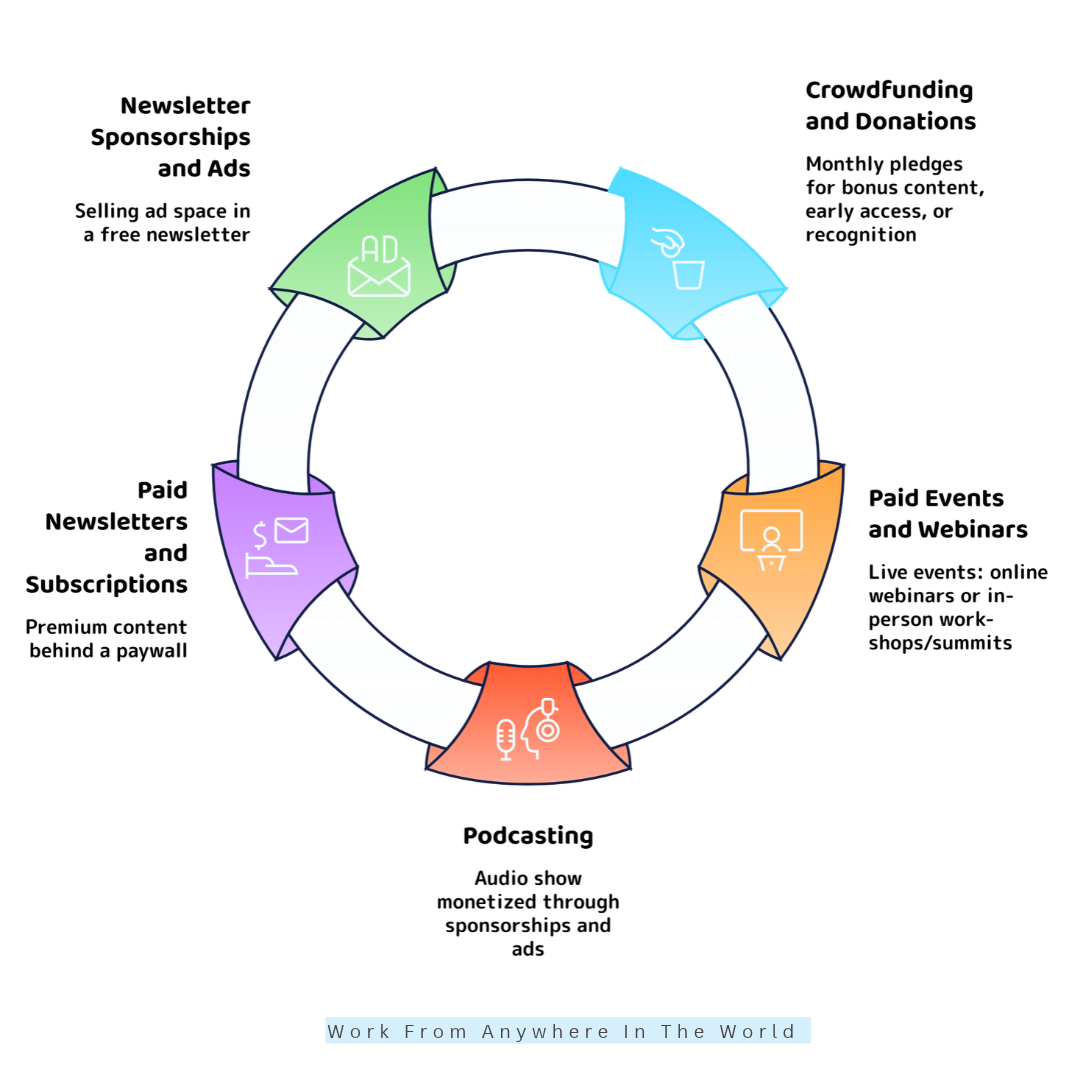
Crowdfunding and voluntary donations allow bloggers to generate income through direct financial support from their readers. Supporters can make one-time contributions or recurring payments to help fund valuable content, creative projects, and website development.
Platforms such as Patreon, Buy Me a Coffee, and Ko-fi allow creators to accept financial contributions. Alternatively, you can integrate PayPal donation buttons directly into your blog.
Learning how to become a successful content creator can help you establish a loyal following that appreciates your work. Explain how financial contributions support your blog and help you keep producing valuable content.
Encourage readers to support your work by placing contribution buttons in relevant blog posts, newsletters, and website sidebars. Implement effective social media engagement strategies to increase awareness of your crowdfunding initiatives.
Consider offering supporters special rewards, such as bonus articles, early access to new content, exclusive updates, or live question-and-answer sessions. However, keep voluntary contributions optional and avoid placing unnecessary pressure on your readers.
Your earning potential depends on audience loyalty, engagement levels, contribution frequency, and platform fees. Monitor supporter activity, regularly update your rewards, and thank those who contribute.
Although crowdfunding and donations may not provide a predictable income stream, they can complement other blog monetization methods. Maintaining transparency, publishing consistently, and building reader trust are essential for long-term support.
Best for: Bloggers, independent creators, educators, and niche enthusiasts with loyal readers who appreciate their content and want to support their ongoing work.
12. Paid Events And Webinars
Hosting paid events and webinars allows bloggers to monetize their expertise through live educational and interactive experiences. These can include online webinars, in-person workshops, virtual summits, boot camps, and specialized retreats.
Start by choosing a focused topic relevant to your audience, perhaps expanding on one of your most popular blog posts. Explore small business event ideas for inspiration when planning engaging and valuable experiences.
Schedule your webinar using platforms such as Zoom Webinars, Crowdcast, Google Meet, or GoTo Webinar. Prepare informative presentations, practical demonstrations, and interactive question-and-answer sessions to encourage audience participation.
Develop effective marketing campaigns to promote your upcoming event through email newsletters and blog posts. Incorporating social media marketing essentials can help you reach potential attendees and increase registrations.
Use event management platforms such as Eventbrite to manage registrations and ticket sales. You can charge an attendance fee or offer free webinars featuring relevant products, premium courses, or follow-up services.
Organizing in-person workshops, retreats, and multi-day summits requires additional preparation, including venue bookings, travel arrangements, equipment, and logistics coordination. Calculate your anticipated expenses before establishing ticket prices.
Effective time management for bloggers is essential when preparing and delivering successful events. Test your technical equipment beforehand, prepare backup plans, and set aside enough time for promotion and rehearsals.
After the event, follow up with attendees by sharing recordings, additional learning materials, relevant offers, and feedback surveys. Your earning potential depends on attendance, ticket pricing, content quality, promotional efforts, and operating expenses.
Although hosting live events requires considerable preparation, it offers opportunities to strengthen audience relationships, establish professional credibility, and generate additional income.
Best for: Bloggers, educators, coaches, and industry experts who enjoy public speaking, interactive teaching, and sharing their knowledge through live experiences.
13. Podcasting
Podcasting allows bloggers to transform their written content and expertise into engaging audio episodes. It provides an opportunity to reach new audiences, establish authority within your niche, and develop additional income streams.
Start by learning how to make your first podcast and selecting topics that appeal to your target audience. Repurpose popular blog posts, conduct expert interviews, or create informative discussions based on your blogging niche.
Comparing podcasting vs vlogging can help you determine which content format best suits your skills and audience preferences. Invest in a quality microphone, headphones, and suitable audio recording and editing software.
Choose a reliable podcast hosting platform such as Libsyn, Spotify for Creators, Buzzsprout, or Podbean. These platforms provide tools for publishing, distributing, managing, and monitoring your podcast episodes.
Learning how to upload audio to Apple Podcasts can help you reach listeners beyond your existing blog readership. Embed podcast episodes within relevant blog posts and promote new releases through email newsletters and social media channels.
Podcast monetization opportunities include sponsored episodes, audio advertisements, affiliate product recommendations, and promoting your own products or services. You can also offer premium episodes and exclusive interviews to paying subscribers.
Your earning potential depends on audience size, listener engagement, advertising demand, and sponsorship agreements. Advertisers may pay based on episode downloads, ad impressions, or negotiated sponsorship packages.
Although podcasting can strengthen audience relationships and establish professional credibility, building a loyal following takes time. Consistent publishing, high-quality audio production, engaging topics, and effective promotion are essential for sustainable growth.
Best for: Bloggers, educators, storytellers, and industry experts who enjoy sharing their knowledge through audio content and engaging conversations.
14. Paid Newsletters And Subscriptions
Paid newsletters allow bloggers to generate recurring income by delivering exclusive written content directly to paying subscribers. Learning how to monetize a newsletter can help you transform your expertise into a subscription-based business.
Continue publishing valuable free blog content while offering premium newsletters containing in-depth analysis, specialized advice, industry insights, and exclusive interviews. Clearly communicate the additional benefits that paying subscribers receive.
Choose a publishing platform such as Substack, Ghost, Beehiiv, or Memberful to manage subscriptions and restrict access to premium content. Our comprehensive Mailchimp review also explores useful features for managing email campaigns and subscriber relationships.
Explore the best ways to convert new visitors to subscribers by offering sample newsletters and previews of premium content. Establish monthly or annual subscription options based on the value of your exclusive material.
Learning how to work with Mailchimp can help you manage subscriber lists, promote premium offerings, and monitor email campaign performance. Maintain a consistent publishing schedule to meet subscribers’ expectations.
Your earning potential depends on subscription pricing, audience size, subscriber retention, content quality, and platform fees. Monitor subscription growth, renewals, and cancellations to identify opportunities for improvement.
Although paid newsletters offer scalable recurring income potential, they require consistent research, writing, and content development. Focus on delivering unique insights that readers cannot easily find elsewhere to encourage long-term subscriptions.
Best for: Bloggers, writers, industry experts, and educators who enjoy producing specialized written content and developing long-term relationships with paying subscribers.
15. Newsletter Sponsorships And Ads
Newsletter sponsorships and advertisements allow bloggers to monetize their email lists without charging readers subscription fees. Advertisers pay to promote their products or services to an established and engaged audience.
Start by developing a free newsletter using platforms such as Mailchimp, Substack, or Beehiiv. Implement effective email marketing content strategies to attract subscribers and maintain consistent reader engagement.
Once you have established an engaged subscriber base, approach relevant brands with sponsorship opportunities. These can include dedicated sponsored emails, advertising blocks embedded within newsletters, product recommendations, and sponsored content.
You can connect with potential advertisers through newsletter sponsorship marketplaces such as Paved or Beehiiv’s Ad Network. Alternatively, contact businesses directly and negotiate sponsorship agreements that benefit both parties.
Create a professional media kit highlighting your subscriber numbers, audience demographics, email open rates, click-through rates, and available advertising opportunities. This information helps potential sponsors evaluate whether your newsletter reaches their target customers.
Your earning potential depends on subscriber numbers, niche relevance, audience engagement, and advertising demand. Following effective email marketing strategies can help improve newsletter performance and attract long-term sponsorship opportunities.
Newsletter advertising can generate additional income without requiring a separate paid subscription or extensive additional content creation. However, excessive advertising may frustrate readers, reduce engagement, and increase unsubscribe rates.
Maintain a healthy balance between informative content and promotional material, clearly disclose sponsored placements, and work with brands that align with your audience’s interests. Consistent email deliverability and reader trust are essential for sustainable newsletter monetization.
Best for: Bloggers, newsletter publishers, content creators, and niche experts with engaged email subscribers who prefer advertising revenue over paid subscriptions.
10 Essential Tools Every Blogger Should Use
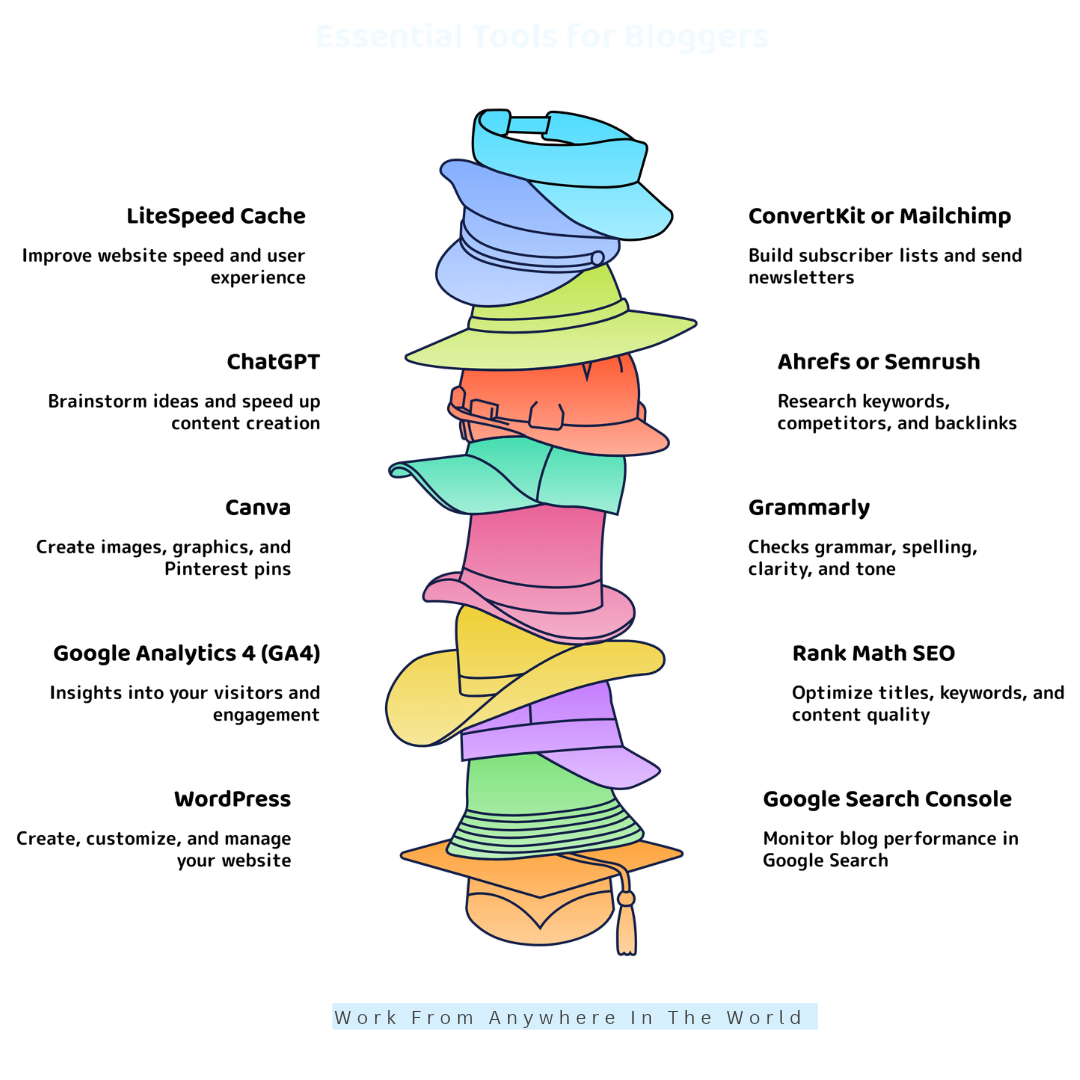
Choosing the right blogging tools can simplify content creation, improve website performance, and support your monetization efforts. The following tools can help you build, manage, and grow a successful blog.
1. WordPress
The world’s most popular content management system, WordPress, lets you create, customize, and manage your website without advanced coding skills. Thousands of available themes and plugins make building a professional blog easier.
2. Google Search Console
With this free tool, you can monitor how well your blog performs in Google Search. You can submit sitemaps, monitor keyword performance, identify indexing issues, and discover SEO opportunities.
3. Google Analytics 4 (GA4)
Understanding the benefits of Google Analytics helps you gain valuable insights into your visitors, including where they come from, which pages they visit, how long they engage, and which content performs best.
4. Rank Math SEO
Our Rank Math guide explains how this plugin simplifies on-page SEO by helping you optimize titles, meta descriptions, keywords, schema markup, internal links, and overall content directly inside WordPress.
5. Canva
As highlighted in our Canva review, this versatile design platform allows bloggers to create eye-catching featured images, social media graphics, infographics, and Pinterest pins using professionally designed templates.
6. Grammarly
Our Grammarly review explores how this writing assistant checks grammar, spelling, punctuation, clarity, and tone, helping you publish polished, professional, and easy-to-read articles.
7. ChatGPT
ChatGPT assists with brainstorming ideas, creating outlines, improving writing, exploring research topics, generating FAQs, overcoming writer’s block, and speeding up content creation. Always verify AI-generated information before publishing.
8. Ahrefs Or Semrush
Learning how to conduct keyword research with Ahrefs or use Semrush for blogging helps you analyze competitors, monitor backlinks, audit your website, and uncover new content opportunities to increase organic traffic.
9. LiteSpeed Cache
Our LiteSpeed Cache review explains how this plugin improves website speed through caching, image optimization, lazy loading, and code optimization. Full page-caching functionality requires a compatible server or caching service.
10. Kit (Formerly ConvertKit) Or Mailchimp
These email marketing platforms help you build subscriber lists, create signup forms, automate email sequences, and send newsletters. Learning how to use Mailchimp with WordPress can help you nurture readers into loyal followers or customers.
Frequently Asked Questions
Q1: How Much Traffic Do I Need Before Monetizing My Blog?
You can monetize your blog from your first visitors using affiliate links, digital products, freelance services, or consulting. There is no universal minimum traffic requirement.
However, display ads and sponsored posts generally become more profitable once you attract consistent monthly traffic. Building an engaged, loyal audience can also improve your earning potential.
Q2: Can I Earn Passive Income From Blogging?
Yes. Affiliate marketing, display ads, digital products, online courses, and automated email funnels are all ways blogging can generate relatively passive income.
Although creating content takes effort, well-optimized articles can generate income for months or even years. However, periodic updates and website maintenance remain essential.
Q3: Can I Use Multiple Monetization Methods On One Blog?
Yes. Combining affiliate marketing, display ads, sponsored posts, digital products, email marketing, and professional services helps diversify your blogging income.
Multiple revenue streams can reduce financial risk and increase earning potential as your audience grows. Choose monetization methods that complement your niche without compromising the reader experience.
Q4: Can Blogging Become A Full-Time Career?
Yes. Some bloggers eventually replace their full-time employment income through advertising, affiliate marketing, digital products, memberships, consulting, and online courses.
With consistent publishing, effective SEO, and audience growth, blogging can become a sustainable long-term online business. However, success requires patience, dedication, and ongoing effort.
Q5: Can I Start A Blog With Very Little Money?
Yes. You can start a blog with a modest investment in a domain name, web hosting, and a free WordPress theme. Many essential blogging tools also offer free versions.
As your blog grows and generates revenue, you can gradually invest in premium plugins, professional design tools, and advanced marketing software.
Q6: How Long Does It Take To Make Money From Blogging?
The time required to generate blogging income varies depending on your niche, content quality, monetization methods, and marketing efforts. There is no guaranteed timeline for earning money.
Some bloggers earn their first income relatively quickly, while others need considerably more time. Consistent publishing, effective promotion, and audience development can improve your chances of success.
Conclusion
Understanding how to write a blog and make money is only the beginning. Long-term success comes from publishing helpful content, improving your SEO skills, and building genuine trust with your audience.
Every successful blogger started with a single article and continued learning along the way. Stay consistent, focus on solving your readers’ problems, and keep refining your blogging strategy.
Choose monetization methods that align with your niche, expertise, and audience’s needs. Over time, your blog can grow into a valuable digital asset that generates income and creates lasting opportunities.
I trust you enjoyed this article, How To Write A Blog And Make Money: 15 Proven Ways. Please stay tuned for more insightful articles on affiliate marketing, blogging, online business, and working from anywhere in the world.
Take care!
— JeannetteZ 🌍✨
💬 Your Opinion Is Important To Me
Do you have thoughts, ideas, or questions? I’d love to hear from you. Please leave your comments below or email me directly at Jeannette@WorkFromAnywhereInTheWorld.com.
📚 More Work From Anywhere Reads
🚀 Ready to Build a Business You Can Run from Home
Or from Anywhere in the World?
Imagine earning income on your terms — from home, a cozy café, or wherever life takes you.
With the right tools, training, and community support, it’s entirely possible.
Start your own online business for free — no credit card needed.
Disclosure
This post may contain affiliate links. As an Amazon Associate and participant in other affiliate programs, I earn from qualifying purchases at no extra cost to you. Please read my full affiliate disclosure.