15 Best Blog Design Examples To Inspire Your Website
These blog design examples can inspire you to create a professional website that keeps visitors engaged. A successful blog needs more than valuable content. Its design also shapes the first impression.
Thoughtful layouts, readable typography, and attractive visuals make articles easier to explore. Clear navigation helps visitors find information without unnecessary distractions.
Whether you’re launching a personal blog, business website, or niche publication, exploring successful designs can spark creative ideas. The right approach can help you build a welcoming website that readers enjoy visiting.
In this guide, we’ll explore 15 inspiring blog design examples, ten essential design features, and eight common mistakes to avoid.
Essential Features Every Modern Blog Should Have
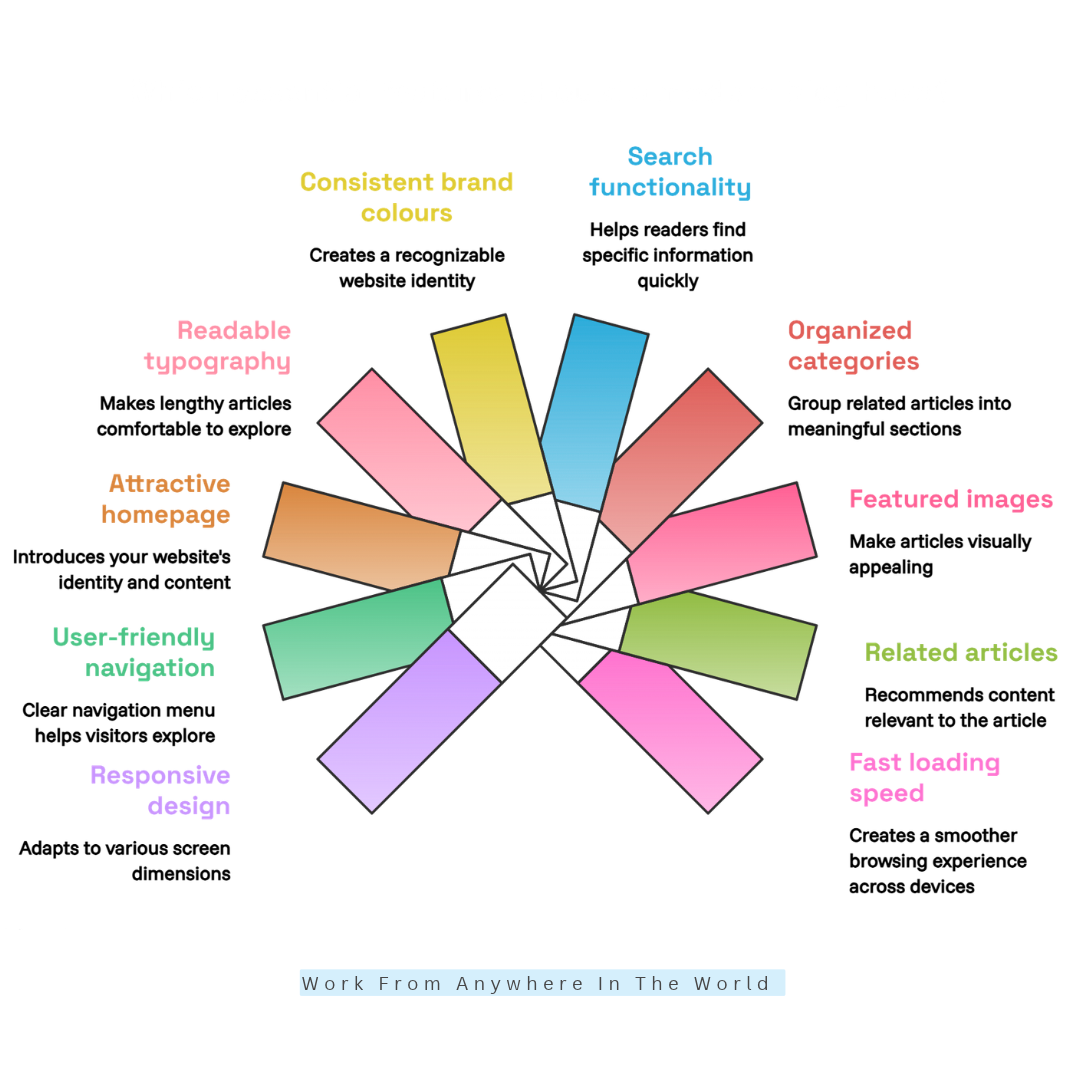
A successful blog combines attractive design with practical features that improve the visitor experience. These ten essentials help readers navigate your content, discover useful information, and enjoy browsing your website.
1. Responsive Website Design
Responsive website design allows your blog to adapt to different screen sizes. Articles, images, menus, and buttons should remain accessible on desktops, tablets, and smartphones.
A responsive layout prevents visitors from struggling with oversized images or difficult navigation. It creates a consistent browsing experience regardless of the device being used.
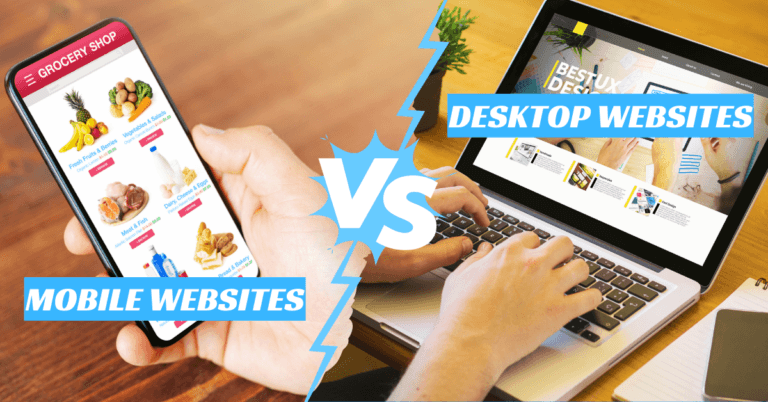
Our comparison of mobile websites vs desktop websites explores important differences in how visitors experience website layouts.
Choosing a suitable theme also supports responsive design. Our guide on choosing a WordPress theme explores factors to consider before selecting one.
2. User-Friendly Navigation
Clear navigation helps visitors explore your website without unnecessary confusion. Include essential sections such as Home, Blog, Categories, About, and Contact.
Organize menus logically and avoid overwhelming readers with too many choices. Make important information easy to find from any page.
Navigation also works alongside well-organized content to improve the visitor experience. Our guide to website content improvements explores additional ways to present useful information.
When organizing your blog, consider how visitors move between topics and articles. Our guide to choosing a blogging platform explores platform features worth considering.
3. Attractive Homepage Layout
Your homepage introduces visitors to your website’s identity and purpose. Include a recognizable logo, engaging headline, featured articles, and organized content categories.
A thoughtful homepage helps first-time visitors understand what your blog offers. Clear sections encourage readers to explore articles that match their interests.
Our guide to creating a one-page website explores ways to present essential information within a streamlined layout.
Visual elements can also make your homepage more memorable. Our article on free graphic design software explores tools for creating website graphics.
4. Readable Typography
Readable typography makes articles more comfortable to explore. Choose clear fonts, suitable text sizes, consistent headings, and enough spacing between lines.
Combining complementary fonts can strengthen your visual identity without sacrificing readability. Avoid decorative typefaces that make longer paragraphs difficult to follow.
Our guide to the 18 Best Fonts For Websites explores typefaces that support attractive design and comfortable reading.
Typography also complements the quality of your writing. Our guide on how to write high-quality blog posts explores ways to create engaging content.
5. Consistent Brand Colours
A consistent colour palette helps establish a recognizable website identity. Choose primary, secondary, background, and accent colours that complement your brand.
Apply these colours thoughtfully across headings, buttons, links, and navigation elements. Strong contrast between text and backgrounds also improves accessibility.
Our article on examples of personal branding explores how consistent visual elements support a recognizable identity.
Your colour choices should also complement your brand’s positioning. Consider how different colours and visual styles reflect your audience’s expectations.
6. Search Functionality
A visible search bar helps readers locate specific information quickly. Visitors can search for articles, topics, or resources without exploring every category.
Search functionality becomes particularly valuable as your blog grows. Websites containing hundreds of articles benefit from tools that simplify content discovery.
Position the search feature where visitors can find it easily. A header, sidebar, or dedicated search page can provide convenient access.
Effective search also depends on descriptive article titles and relevant topics. Our guide to choosing keywords for blog posts explores ways to identify suitable search terms.
7. Organized Blog Categories
Well-planned categories group related articles into meaningful sections. A gardening blog might include Plant Care, Organic Gardening, and Garden Design.
Logical categories help visitors understand your website’s structure. They also make it easier to discover related articles without searching through unrelated content.
Avoid creating too many categories with only one or two articles. Focus on meaningful topics that reflect your content and audience interests.
Clear categories should complement your broader content organization. Our guide to improving your content explores additional ways to make articles more useful.
8. High-Quality Featured Images
Relevant featured images make blog posts visually appealing and communicate their subjects effectively. Choose clear photographs, illustrations, or graphics that complement your content.
Our guide to finding free images for your blog explores resources for discovering suitable visuals. Always check image licenses before publishing.
Consistent image dimensions help maintain an organized appearance across blog archives. Descriptive alternative text also supports accessibility when images convey useful information.
Image optimization can reduce file sizes without sacrificing visual quality. Our guide to WordPress image optimizer plugins explores tools that support this process.
9. Related Articles Section
A related articles section recommends content connected to the article visitors are reading. These suggestions encourage readers to explore additional information on your website.
Place relevant recommendations near the end of articles or within appropriate content sections. Use descriptive titles that explain what readers can expect.
Related articles also create valuable internal linking opportunities. Our guide on building internal links for SEO explores practical methods for connecting relevant pages.
Thoughtful recommendations improve content discovery and help visitors navigate between connected topics. They also make extensive article collections easier to explore.
10. Fast Loading Speed
Fast-loading pages create a smoother browsing experience across different devices. Optimize images, choose reliable hosting, and avoid unnecessary scripts that slow down your website.
Lightweight themes and efficient website configurations can also improve performance. Our guide to improving website speed explores practical optimization techniques.
Monitor Google’s Core Web Vitals to evaluate loading performance, responsiveness, and visual stability. Regular testing helps identify issues before they negatively affect visitors.
Hosting also plays an important role in website performance. Our guide on choosing a web hosting provider explores factors that influence speed and reliability.
Top Blog Design Examples
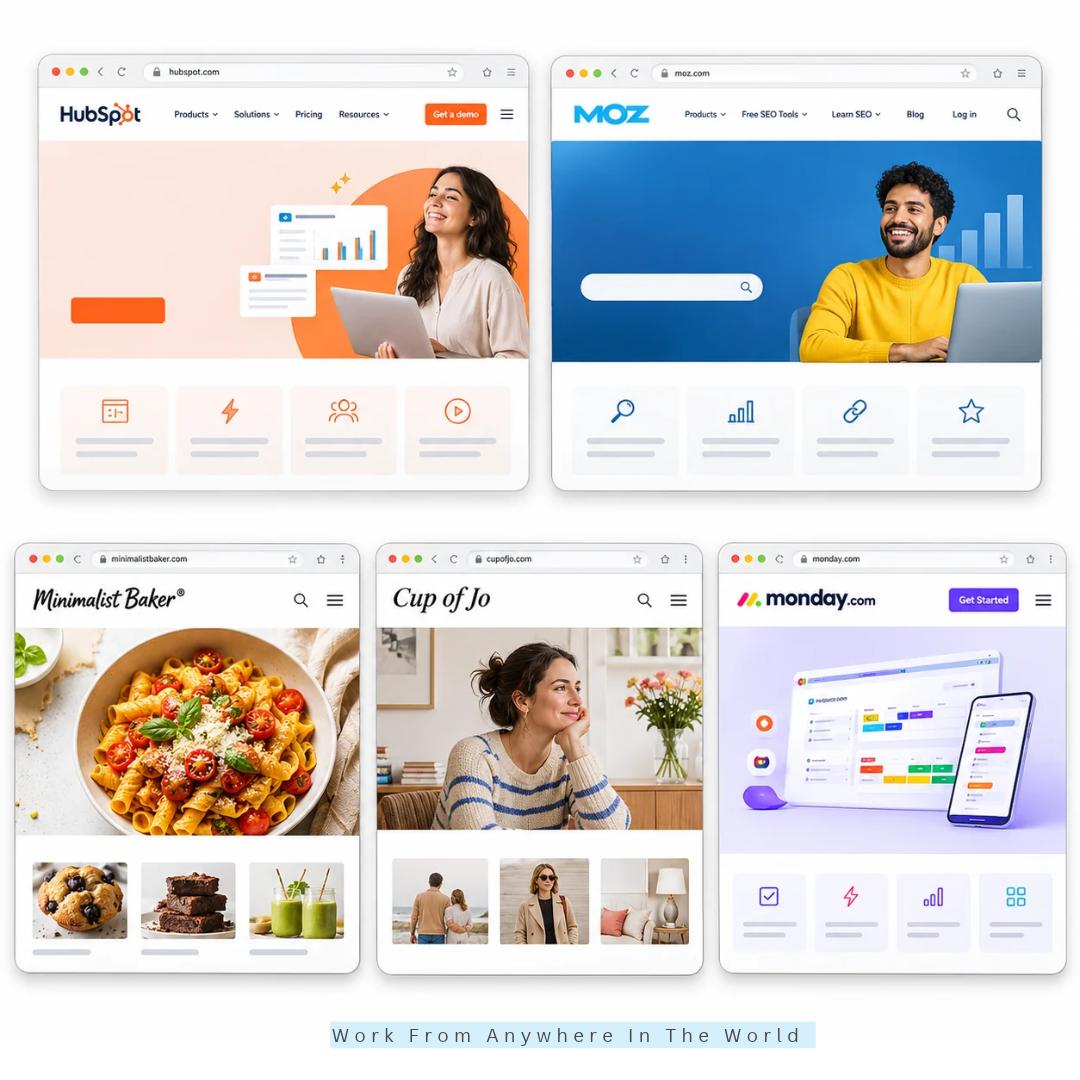
1. HubSpot – Professional Marketing Blog Design
HubSpot demonstrates how a professional marketing blog can organize extensive educational content through clear categories and structured layouts. Its website covers marketing, sales, customer service, and business development. The design makes it easier for visitors to discover relevant resources without navigating through unrelated topics. Its strong branding, descriptive headlines, and organized article sections create a consistent reading experience. Another useful feature is the connection between educational articles and practical marketing resources. Business bloggers can adapt its organized content structure, recognizable branding, and clear navigation to build a professional website.
2. Moz – Clean and Informative SEO Blog Design
Moz offers an excellent example of an educational blog that presents technical SEO information in an organized format. Its content covers keyword research, link building, search visibility, and digital marketing strategies. The website uses recognizable branding and topic-based organization to help readers explore relevant resources. Its Whiteboard Friday series also demonstrates how recurring content can become a recognizable part of a publication. Bloggers can learn from its structured article presentation, descriptive headlines, and educational approach. This design is particularly suitable for SEO professionals, marketing agencies, technology educators, and websites that publish detailed industry guides.
3. Minimalist Baker – Beautiful Food Blog Design
Minimalist Baker showcases how a food blog can combine attractive photography with practical recipe organization. Its design places considerable attention on food images while keeping important recipe information accessible. Visitors can explore different dishes and discover recipes through relevant categories and dietary preferences. The website also demonstrates how consistent photography can strengthen a blog’s visual identity. Its content presentation makes recipes appealing while supporting their practical purpose. Food bloggers can take inspiration from its image selection, recipe organization, and consistent article layouts. This approach works particularly well for cooking websites, vegan blogs, nutrition publications, and recipe creators.
4. Cup of Jo – Elegant Lifestyle Blog Design
Cup of Jo demonstrates how thoughtful typography, attractive photography, and editorial storytelling can create an engaging lifestyle blog. Its design has a welcoming personality that complements its content about relationships, parenting, fashion, and everyday experiences. The website gives headlines and featured articles clear visual importance without making the overall layout feel crowded. Its editorial presentation also helps returning readers feel familiar. Personal bloggers can learn how consistent typography, carefully selected images, and organized content sections contribute to a recognizable identity. This design style is particularly suitable for lifestyle publications, personal blogs, and family-focused websites.
5. Monday.com – Modern Business Blog Design
Monday.com offers inspiration for business blogs that combine educational content with a modern website identity. Its articles cover workplace productivity, project management, collaboration, and business growth. The website demonstrates how structured content categories and descriptive headlines can improve information discovery. Another useful approach is connecting educational articles with templates, tools, and relevant business resources. This allows visitors to explore practical solutions alongside informational content. SaaS companies, marketing agencies, and professional service providers can learn from its content organization, consistent branding, and clear navigation. Its design approach is especially useful for websites targeting business owners and professionals.
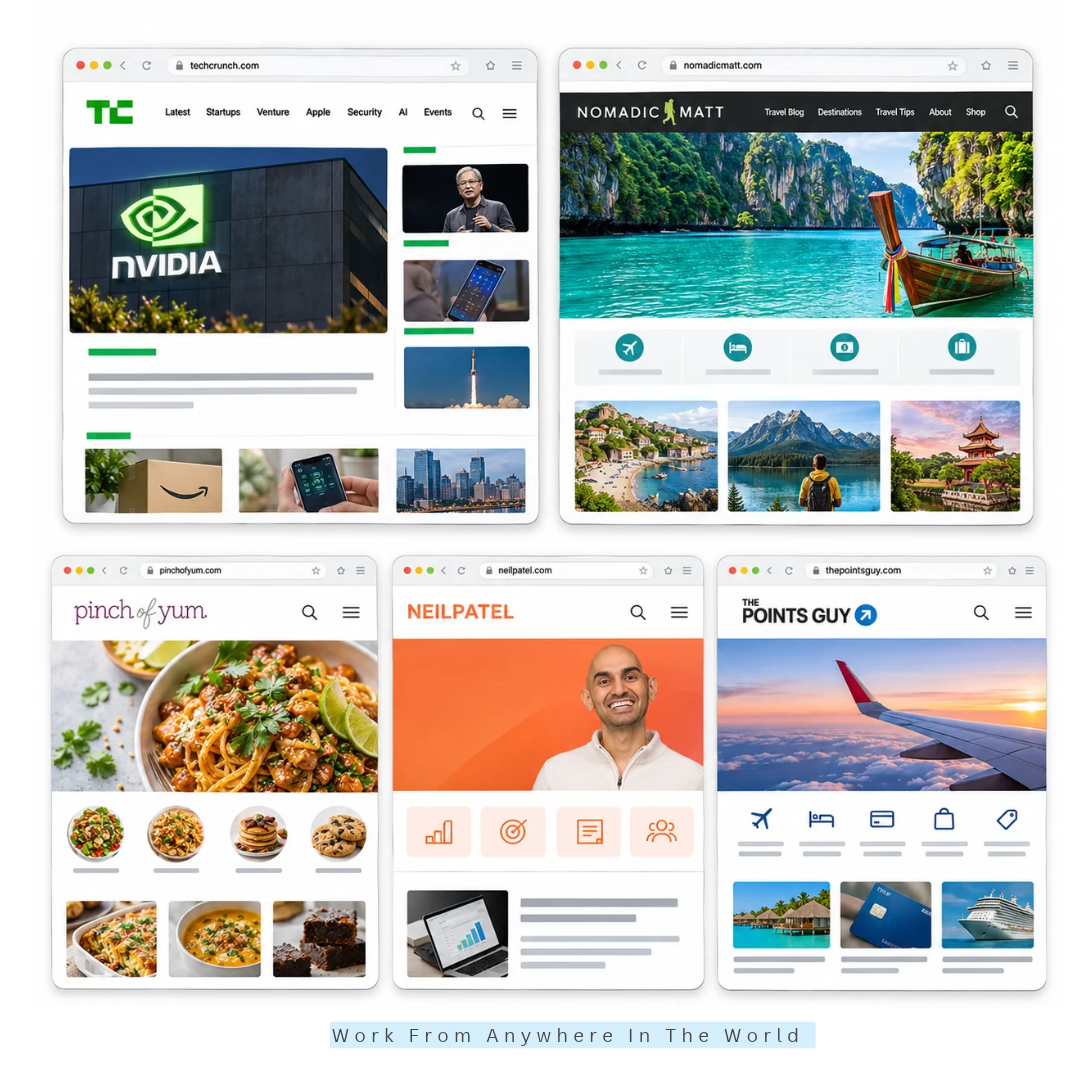
6. TechCrunch – Dynamic Technology Blog Design
TechCrunch demonstrates how a technology publication can present a large volume of articles through an editorial-style layout. Its website gives important stories prominent positions while organizing other articles into recognizable categories. This structure helps readers explore technology news, startup developments, and business updates. Strong headlines and clear content hierarchy are particularly important for publications that update their websites frequently. Technology bloggers can learn how to distinguish featured stories from supporting articles and organize information for easier browsing. This design approach works well for technology blogs, news websites, startup publications, and online magazines covering fast-moving industries.
7. Nomadic Matt – Engaging Travel Blog Design
Nomadic Matt demonstrates how travel blogging can combine personal experiences with useful destination information. Its content covers travel planning, budgeting, accommodation, and destination guides. The website’s organization helps visitors explore resources according to their travel interests. Travel-related photography also contributes to the overall experience by communicating the atmosphere of different destinations. A particularly useful design lesson is combining storytelling with practical information. Instead of relying entirely on attractive images, the website provides resources that support readers’ travel decisions. Travel bloggers can adopt similar content structures, destination categories, and informative article layouts.
8. Pinch of Yum – Photography-Focused Food Blog Design
Pinch of Yum inspires food bloggers who want photography to be central to their website identity. Its design showcases recipes through appealing images, organized categories, and practical article presentation. Visitors can discover cooking ideas while exploring different types of dishes. The website also demonstrates how consistent image quality and presentation can make a recipe collection visually recognizable. Another useful element is the connection between featured recipes and related cooking content. Food bloggers can learn from its visual consistency, recipe organization, and content presentation. This approach suits cooking websites, food photography blogs, and culinary publications.
9. Neil Patel – Data-Driven Digital Marketing Blog
Neil Patel’s website demonstrates how personal branding can support an extensive digital marketing blog. Its educational content covers SEO, keyword research, content marketing, and website growth. The design connects informative articles with marketing tools and additional resources. This creates opportunities for readers to move from learning about a subject to exploring practical solutions. The website also highlights the importance of consistent personal branding across different content sections. Digital marketers can take inspiration from its topic organization, recognizable identity, and resource-focused presentation. SEO consultants and marketing educators can use similar structures to present expertise and practical resources.
10. The Points Guy – Resource-Rich Travel Blog Design
The Points Guy offers an interesting example of a travel publication that organizes multiple content categories within one website. Its articles cover airline rewards, hotel programs, travel experiences, and travel-related financial topics. The design demonstrates how news, reviews, and detailed guides can coexist through structured navigation. Readers can explore different subjects without relying entirely on the homepage. Editorial details, descriptive headlines, and organized article sections also support content discovery. Travel bloggers can learn from its information architecture and resource-focused presentation. This approach suits travel publications, comparison websites, rewards blogs, and comprehensive destination guides.
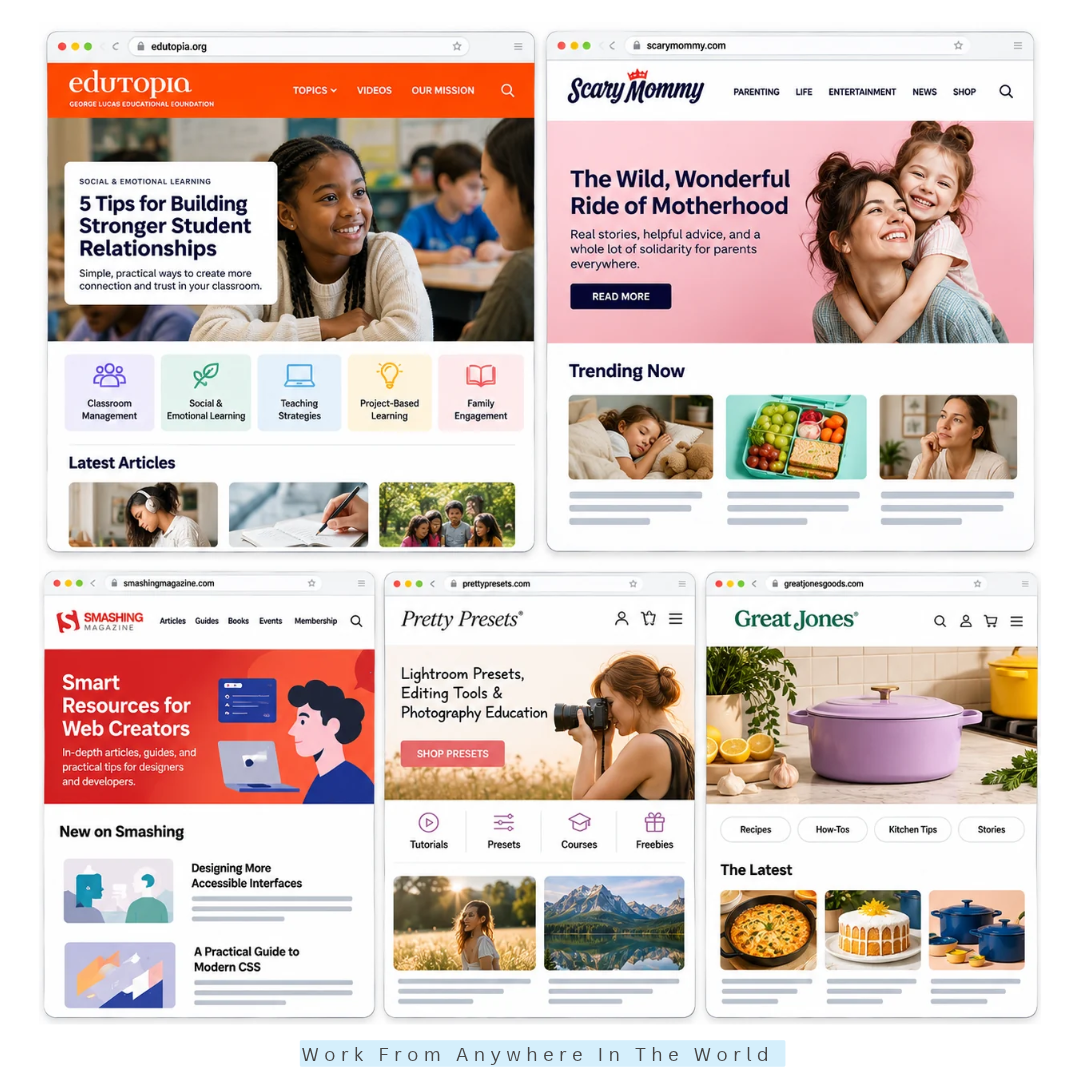
11. Edutopia – Educational Blog Design
Edutopia demonstrates how educational websites can organize informative content for different audiences. Its articles cover classroom strategies, teaching methods, educational technology, and student development. The website’s topic-based presentation helps visitors discover resources relevant to their professional interests. Educational publications benefit from clear navigation because teachers, administrators, and parents may search for different types of information. The design also highlights the value of combining written articles with supporting educational resources. Bloggers can take inspiration from its structured categories, descriptive headlines, and practical content presentation. This approach works well for academic blogs, online learning platforms, and teaching resource websites.
12. Scary Mommy—Relatable Parenting Blog Design
Scary Mommy demonstrates how a parenting publication can develop a recognizable identity through conversational content and an approachable editorial style. Its topics include motherhood, family relationships, parenting experiences, and everyday situations. The website presents articles through engaging headlines and organized content sections. This approach makes the publication feel connected to its intended audience’s experiences. Parenting bloggers can learn how an editorial personality, consistent branding, and relevant categories support audience engagement. Another useful idea is building a community around shared experiences. This design approach suits motherhood blogs, family publications, parenting websites, and lifestyle communities.
13. Smashing Magazine – Knowledge-Rich Design Blog
Smashing Magazine is a valuable design reference for websites publishing technical and educational content. Its articles cover web development, typography, accessibility, user experience, and digital design. The website demonstrates how complex information can be organized through descriptive headings and structured editorial layouts. Technical articles often benefit from code examples, illustrations, and clearly separated explanations. These elements help readers understand detailed subjects more comfortably. Web designers and developers can take inspiration from its educational presentation and content hierarchy. This design style is particularly suitable for programming blogs, UX publications, web development websites, and professional learning platforms.
Wealthy Affiliate – Mini Review
If you’ve ever thought about turning your blog, passion, or niche into an online business,
Wealthy Affiliate (WA) is one of the most beginner-friendly platforms I’ve used.
It combines step-by-step training, website hosting, AI-powered tools,
keyword research, and an active community all in one place.
What I like most is that you can start for free (no credit card needed), explore the platform,
test the tools, and connect with other entrepreneurs before upgrading.
WA isn’t a “get rich quick” scheme — success comes from consistent effort
and applying what you learn over time.
14. Pretty Presets – Creative Photography Blog Design
Pretty Presets inspires photography websites that combine educational content with creative products. Its subject matter creates opportunities to present editing tutorials, photography techniques, and visual demonstrations. A photography blog benefits from carefully selected images because visual examples help explain editing methods and creative decisions. Before-and-after comparisons can also make tutorials more informative. Another useful approach is connecting educational articles with relevant digital products. This creates a natural relationship between learning resources and product pages. Photography bloggers can adopt similar presentation techniques when building websites focused on Lightroom tutorials, image editing, creative services, and digital photography products.
15. Great Jones – Stylish Brand-Led Blog Design
Great Jones offers inspiration for businesses that want their editorial content to complement an established product identity. Its kitchen and cookware-focused brand provides opportunities to connect recipes, cooking inspiration, and product-related information. A cohesive visual identity is particularly important for ecommerce blogs because readers should experience a consistent design across editorial and shopping pages. Photography, typography, and brand colours can help create that connection. Businesses can learn how informative content supports product discovery without making every article feel promotional. This design approach works well for ecommerce websites, home and kitchen brands, cooking publications, and product-based businesses.
8 Common Blog Design Mistakes To Avoid For A Better User Experience
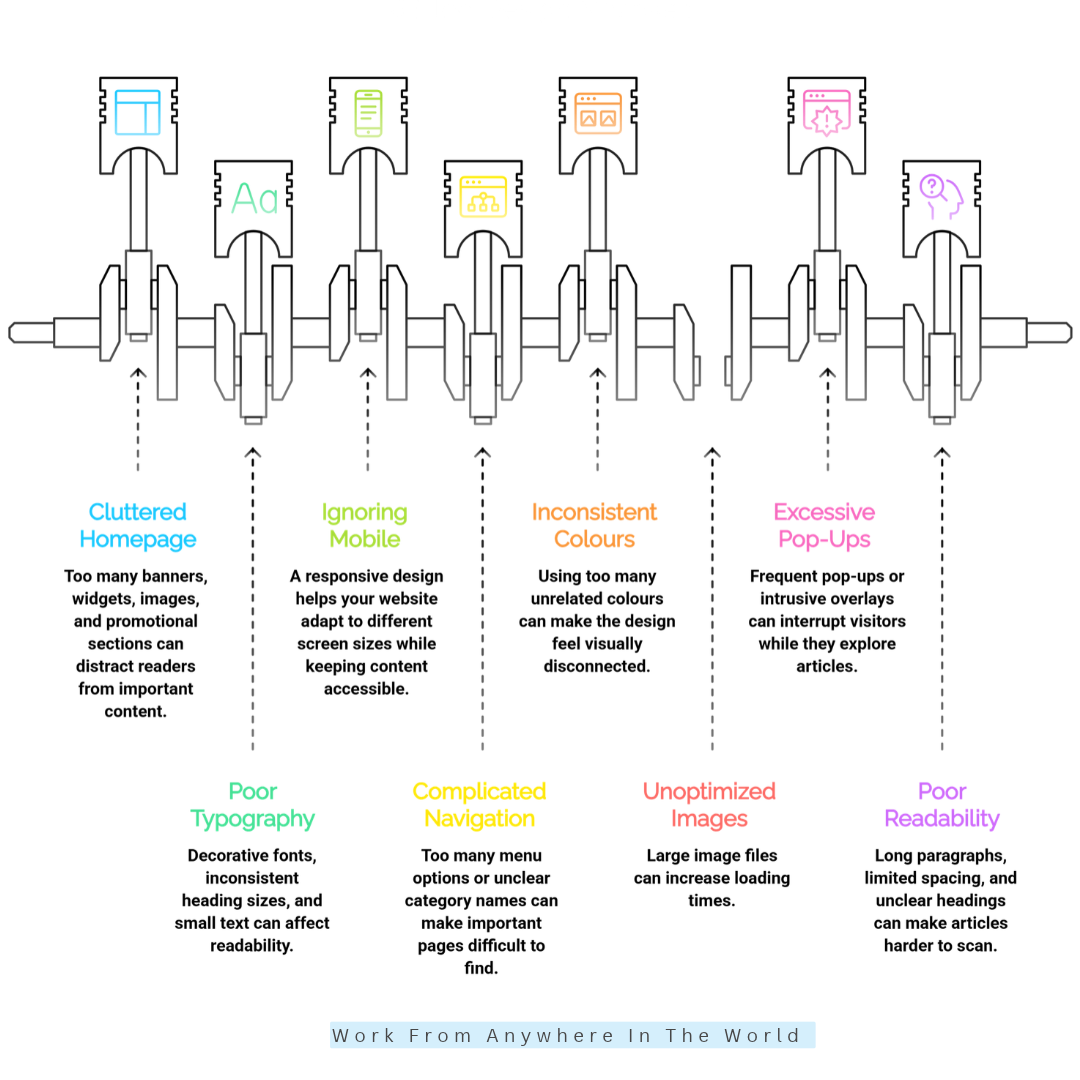
1. Cluttered Homepage Layout
A busy site can make it hard for readers to understand the goal of your blog. Too many banners, widgets, images, and promotional sections can distract readers from important content. A clean homepage with clear sections creates a more welcoming experience. You can highlight featured articles, popular categories, and recent posts to help visitors discover relevant information quickly. A balanced layout also gives your website a more professional appearance.
2. Poor Typography Choices
Typography plays an important role in making blog content comfortable to read. Decorative fonts, inconsistent heading sizes, and small text can affect readability. Choose clear typefaces with appropriate font sizes and line spacing. You can combine two complementary fonts to create a consistent visual identity. Well-structured headings and readable body text also help visitors scan articles and understand information more easily.
3. Ignoring Mobile Responsiveness
Many visitors access blogs through smartphones and tablets. A responsive design helps your website adapt to different screen sizes while keeping content accessible. Flexible layouts, properly sized images, and mobile-friendly navigation can improve the browsing experience. It’s worth testing your website on different devices to identify layout issues. A consistent mobile experience also makes it easier for readers to explore articles wherever they browse.
4. Complicated Navigation Menus
Navigation plays a major role in helping visitors explore your blog. Too many menu options or unclear category names can make important pages difficult to find. Organize your navigation around essential sections such as Home, Blog, About, and Contact. Meaningful category labels and a logical menu structure help readers discover relevant articles. A simple navigation system also makes your website easier to understand.
5. Inconsistent Colour Schemes
A consistent colour palette gives your blog a recognizable visual identity. Using too many unrelated colours can make the design feel visually disconnected. You can select primary, secondary, background, and accent colours that complement your brand. Apply them consistently across headings, buttons, links, and other website elements. A balanced colour scheme creates visual harmony and helps important information stand out without overwhelming visitors.
6. Oversized and Unoptimized Images
High-quality images make blog posts more engaging, but large image files can increase loading times. Resize images to match their display dimensions and use modern formats such as WebP or AVIF where supported. Responsive image delivery can also help serve suitable image sizes across devices. Image compression, descriptive alt text, and appropriate dimensions contribute to a better visual experience and more accessible content.
7. Excessive Pop-Ups And Advertisements
Advertisements and subscription forms can support a blog’s revenue and audience growth. Their placement also influences the reading experience. Frequent pop-ups or intrusive overlays can interrupt visitors while they explore articles. You can use well-positioned advertisements and thoughtfully timed subscription prompts. Keeping the main content easy to access creates a more comfortable browsing experience while allowing promotional elements to serve their intended purpose.
8. Poor Content Readability
A well-designed blog makes information easy to read and understand. Long paragraphs, limited spacing, and unclear headings can make articles harder to scan. Divide lengthy content into meaningful sections with descriptive subheadings. Short paragraphs, bullet points, relevant images, and sufficient white space improve content presentation. These simple design choices help readers find important information and enjoy a smoother reading experience.
Frequently Asked Questions
Q1: Does Blog Design Affect SEO?
Yes. A well-structured design supports usability, mobile accessibility, content discovery, and page experience, which can improve SEO performance.
Conclusion
A well-planned blog design does more than make a website visually appealing. It helps readers navigate content, enjoy a comfortable reading experience, and discover useful information. From choosing the right typography and colour palette to improving mobile responsiveness and page speed, every design decision contributes to your blog’s overall performance. Explore different blog design examples, understand what works for your audience, and create a layout that reflects your brand. A thoughtful design can turn casual visitors into regular readers.
I hope you enjoyed this article on 15 Best Blog Design Examples To Inspire Your Website. Please stay tuned for more insightful blogs on affiliate marketing, online business, and working from anywhere in the world.
Take care!
— JeannetteZ 🌍✨
💬 Your Opinion Is Important To Me
Do you have thoughts, ideas, or questions? I’d love to hear from you. Please leave your comments below or email me directly at Jeannette@WorkFromAnywhereInTheWorld.com.
📚 More Work From Anywhere Reads
🚀 Ready to Build a Business You Can Run from Home
Or from Anywhere in the World?
Imagine earning income on your terms — from home, a cozy café, or wherever life takes you.
With the right tools, training, and community support, it’s entirely possible.
Start your own online business for free — no credit card needed.
Disclosure
This post may contain affiliate links. As an Amazon Associate and participant in other affiliate programs, I earn from qualifying purchases at no extra cost to you. Please read my full affiliate disclosure.