Top Blogging Mistakes And How To Avoid Them
Blogging offers an exciting platform for creativity, but many bloggers fall into common traps that can limit their success. Common blogging mistakes, such as failing to define a clear target audience, neglecting SEO, and relying too heavily on ads, can slow your growth and make it harder to achieve your goals.
In this article, we will discuss these common blogging mistakes and offer actionable tips to avoid them, helping you build a stronger, more successful blog over the long term.
The Most Common Blogging Mistakes To Avoid
1. Not Defining Your Target Audience
Neglecting to pinpoint your target audience can result in content that feels unfocused and falls flat. Without understanding who you are addressing, your message may seem irrelevant or disconnected, leading to poor engagement and reader retention.
How To Avoid It
- Conduct thorough research to determine your audience’s demographics, including age, gender, location, and profession.
- Identify their key interests, goals, and pain points.
- Use surveys, feedback forms, or analytics to gather deeper insights.
- Craft content that directly caters to their needs, preferences, and challenges.
Example
A tech blogger initially wrote broad gadget reviews. After focusing on budget-friendly smartphones for college students, their readership grew significantly, and they received positive feedback for addressing their audience’s specific needs.
2. Inconsistent Posting Schedule
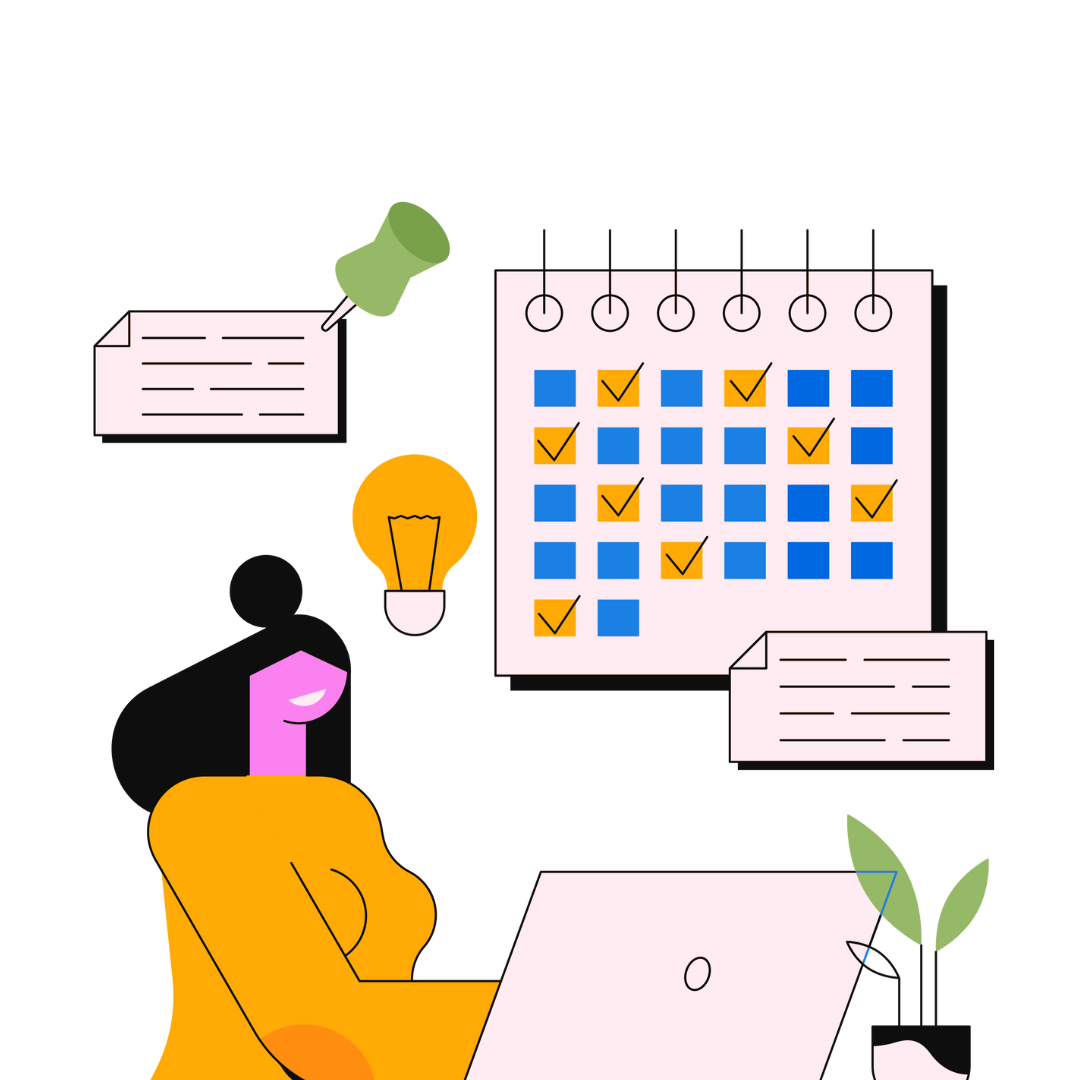
Maintaining an inconsistent posting schedule can confuse your audience and decrease engagement. Irregular updates make it harder to build trust, causing readers to lose interest or forget about your content, resulting in reduced growth and visibility.
How To Avoid It
To efficiently plan and arrange your posting schedule, make a content calendar.
- Set achievable goals for how often you can post without compromising quality.
- Use tools like Buffer or Hootsuite to schedule posts in advance and ensure regular updates.
- Study audience behaviour to determine the optimal days and times for consistent posting.
Example
A travel blogger initially posted sporadically and saw little engagement. After adopting a regular posting schedule every Thursday, they experienced higher readership and consistent audience interactions, boosting their blog’s popularity.
3. Ignoring SEO
Ignoring search engine optimization (SEO) is a significant blogging error that can reduce your content’s visibility. Without proper optimization, your posts may rank poorly on search engines, reducing traffic and making it harder for readers to discover your blog.
How To Avoid It
- Perform keyword research utilizing tools like Google Keyword Planner or SEMrush.
- Incorporate relevant keywords naturally into titles, headings, and content.
- Optimize meta descriptions, alt text, and URLs for search engines.
- Focus on creating high-quality, valuable content to improve search rankings.
Example
A fitness blogger ignored SEO and struggled to gain traffic. After adding researched keywords like “quick home workouts,” optimizing meta tags, and improving content quality, their blog’s ranking improved, leading to a surge in readers.
4. Lack Of Visual Content
Posts without visuals, such as images, infographics, or videos, are often less engaging. Visual content enhances readability, making your blog more appealing and shareable. It helps illustrate ideas and keeps readers interested longer, improving user experience.
How To Avoid It
- Incorporate relevant images, infographics, and videos to enhance your content.
- Use high-quality visuals that complement and reinforce your message.
- Optimize media for faster loading times to prevent slow page speed.
- Ensure all visuals have descriptive alt text for better accessibility and SEO.
Example
A cooking blogger initially posted recipes with only text. After adding step-by-step photos and instructional videos, their engagement skyrocketed, as readers found the content easier to follow and share on social media.
5. Not Promoting Your Blog
Simply publishing content isn’t enough to grow your blog. Without active promotion, your posts might remain unnoticed.
Failing to promote your blog is one of the key blogging mistakes, as effective promotion helps increase your blog’s reach, attract new readers and improve engagement with your existing audience.
How To Avoid It
- Share your blog posts on different types of social media, including Facebook, Instagram, Pinterest and Twitter.
- Participate in niche-related communities or forums by posting pertinent content.
- Use email marketing to keep subscribers informed of new posts.
- Collaborate with other bloggers to cross-promote content and broaden your audience.
Example
A fashion blogger struggled to gain traffic despite regular posting. After promoting posts on Instagram and collaborating with influencers, their readership grew significantly, and they saw increased engagement with new followers.
6. Skipping Email List Building
Neglecting email list building hinders direct communication with your audience. One effective strategy for building relationships is email marketing, driving traffic, and maintaining long-term engagement. Without it, you miss valuable opportunities to connect with your readers.
How To Avoid It
- Offer free resources like eBooks or checklists in exchange for email sign-ups.
- Place sign-up forms in visible areas such as sidebars or pop-ups.
- Use tools like Mailchimp to manage your list and campaigns.
- Regularly send updates and valuable content to maintain engagement with subscribers.
Example
A fashion blogger added a free style guide for email sign-ups. This strategy boosted their email list, leading to better engagement with subscribers and increased blog traffic.

7. Poor Website Design
A cluttered or difficult-to-navigate website can drive readers away. One of the most common blogging mistakes is an unappealing design that undermines user experience and trust, leading to high bounce rates and low engagement. A clean, user-friendly design is essential for keeping visitors on your site.
How To Avoid It
- Choose a responsive theme that adapts to mobile and desktop devices.
- Simplify navigation with clear menus and easy access to important content.
- Reduce loading times by compressing images and using fast hosting services.
- Focus on an aesthetically pleasing layout that enhances readability.
Example
A food blog with a cluttered layout and slow loading times saw high bounce rates. After redesigning for cleaner design and faster load times, user engagement increased, and readers stayed longer on the site.
8. Writing For Search Engines Instead Of Readers
Focusing solely on search engine optimization (SEO) can result in robotic, keyword-stuffed content that fails to engage readers. Balancing SEO with high-quality, engaging writing ensures you attract search engines and human readers.
How To Avoid It
- Use keywords naturally within informative, well-written content.
- Write with your audience’s needs and interests in mind.
- Prioritize delivering value over simply optimizing for keywords.
- Avoid keyword stuffing and maintain a conversational tone in your writing.
Example
A technology blogger focused too heavily on SEO and wrote unnatural, keyword-dense posts. By shifting to reader-focused writing while maintaining SEO, their blog’s engagement and ranking improved significantly.
Wealthy Affiliate – Mini Review
If you’ve ever thought about turning your blog, passion, or niche into an online business,
Wealthy Affiliate (WA) is one of the most beginner-friendly platforms I’ve used.
It combines step-by-step training, website hosting, AI-powered tools,
keyword research, and an active community all in one place.
What I like most is that you can start free (no credit card needed), explore the platform,
test the tools, and connect with other entrepreneurs before upgrading.
WA isn’t a “get rich quick” scheme — success comes from consistent effort
and applying what you learn over time.
9. Neglecting Analytics
Ignoring analytics is one of the critical blogging mistakes, as it means missing out on potential insights about your audience’s behaviour.
Without this data, it isn’t easy to understand what’s working and what’s not and how to improve your content and strategy to achieve better results.
How To Avoid It
- Leverage Google Analytics to monitor your website’s performance and analyze user behaviour.
- Monitor metrics like traffic sources, bounce rate, and engagement time.
- Use this data to refine and improve your content strategy and user experience.
- Regularly analyze trends to identify what resonates with your audience.
Example
A fashion blogger was not sure about their audience’s preferences. After reviewing Google Analytics, they discovered their readers preferred sustainable fashion tips, leading to content adjustments and increased traffic and engagement.
10. Failing To Monetize Effectively
Many bloggers overlook opportunities to monetize their content. Relying on only one source of income, such as ad revenue, can limit financial growth. Effective monetization strategies are essential for long-term success and sustainability in blogging.
How To Avoid It
- Diversify income streams through affiliate marketing, sponsored posts, and display ads.
- Offer premium content, like eBooks or online courses.
- Use platforms like Google AdSense for passive income.
- Regularly assess monetization strategies to adjust and maximize potential.
- Track performance to determine the most profitable methods for your blog.
Example
A fashion blogger initially used only ads. After incorporating affiliate links and selling an eBook, they saw a significant increase in blog income, making it more sustainable.

11. Overlooking The Importance Of Networking
Networking with bloggers, influencers, and industry experts is crucial for expanding your reach. Failing to do so is a common blogging mistake.
Collaborations, guest posts, and cross-promotions open new opportunities, develop your online visibility, and increase traffic to your blog.
How To Avoid It
- Attend industry events and webinars to meet others in your niche.
- Collaborate on guest posts or joint social media campaigns.
- Engage actively with influencers on social media platforms.
- Join blogging groups or online forums to share knowledge and make meaningful connections.
- Engage with others on social platforms and build a supportive community.
Example
Lifestyle bloggers struggled to gain followers until they collaborated with influencers in their niche. These partnerships increased traffic to the blog, building credibility and expanding the audience base.
12. Not Updating Old Content
Failing to refresh outdated content can hurt your blog’s SEO rankings and overall user experience. As information becomes stale, search engines may rank the content lower, leading to declining organic traffic and reduced reader interest.
How To Avoid It
- Regularly review and refresh old blog posts with updated information, new insights, and relevant details.
- Replace broken links and outdated references, and ensure statistics are accurate.
- Optimize older posts by adding targeted keywords and applying current SEO best practices.
- Repurpose content into new formats such as videos, infographics, or podcasts to extend its life.
Example
A personal finance blogger noticed their older posts on budgeting were getting less traffic. After updating them with new tips and current financial trends, the posts started ranking higher, increasing traffic and reader engagement.
13. Lack Of A Clear Call-To-Action (CTA)
Without a clear call-to-action (CTA), readers may leave your blog without engaging further. Failing to include a strong CTA is a common blogging mistake.
A thoughtfully designed CTA motivates readers to take action, whether it’s subscribing to a newsletter, downloading content, or exploring more posts.
How To Avoid It
- Use clear, action-driven language like “Subscribe Now” or “Download Here.”
- Position CTAs at the end of posts, in pop-ups, or in sidebars.
- Ensure CTAs are visually noticeable and relevant to the content.
- Experiment with different CTA types to find the most effective ones for your audience.
Example
A cooking blog saw an increase in newsletter sign-ups after adding a prominent CTA at the end of each recipe post, encouraging readers to subscribe for more exclusive recipes and tips.

14. Being Too Broad
Being too broad in your blog’s focus can make it challenging to attract and retain a specific audience. If your content covers a broad range of topics, readers may feel the blog lacks direction, which can reduce engagement and overall interest.
How To Avoid It
- Define a clear niche that resonates with your target audience.
- Concentrate on subjects that fit your passion and area of competence.
- Avoid trying to cover too many subjects in a single blog post.
- Create content that consistently caters to the interests and needs of your ideal readers.
- Refine your blog’s direction as you gain audience feedback.
Example
A fitness blogger initially posted about various topics, from diet to travel. After narrowing the focus to workout routines and healthy living, their audience grew, and engagement increased.
15. Giving Up Too Soon
Blogging requires patience and persistence. Many bloggers give up too soon, especially when they don’t see immediate results.
One of the most common blogging mistakes is giving up too early. Success takes time, and quitting too soon can prevent you from reaching your blog’s full potential.
How To Avoid It
- Set realistic goals and be patient with growth.
- Focus on creating high-quality content consistently.
- Track your progress, even small wins, to stay motivated.
- Don’t get discouraged by slow growth or setbacks.
- Seek support from blogging communities to stay motivated.
Example
A tech blogger initially received slow traffic but continued posting quality reviews. Over time, their audience grew, and they eventually saw higher rankings, leading to increased traffic and engagement.
16. Ignoring Reader Engagement
Failing to engage with your audience can create a disconnect, leading to decreased loyalty and interaction. Responding to comments and feedback fosters community, builds trust, and encourages readers to return, improving your blog’s success.
How To Avoid It
- Reply to comments and questions regularly.
- Encourage interaction by questioning and inviting feedback.
- Use social media to engage with readers and share your content.
- Regularly involve readers through polls, surveys, or discussion threads to build community.
- Show appreciation for reader contributions and feedback.
Example
A fashion blogger noticed a drop in comments. After actively responding to readers’ questions and engaging on social media, their blog’s engagement and community growth significantly increased.
17. Overloading With Advertisements
Too many ads can overwhelm readers and diminish their experience. Overloading your blog with ads is a common blogging mistake.
Excessive ads can make your blog look unprofessional, distract from the content, and drive readers away, ultimately reducing traffic and engagement.
How To Avoid It
- Limit the number of ads on each page.
- Use ads that are relevant to your audience and content.
- Avoid intrusive pop-ups or auto-play ads that disrupt the user experience.
- Opt for clean, minimalistic ad placements that don’t overwhelm the content.
- Prioritize user experience over maximizing ad revenue.
Example
A tech blogger initially placed multiple ads per page. After reducing the number and improving placement, their site’s user experience and engagement increased, leading to more repeat visitors.
18. Not Setting Clear Goals
Without clear goals, it’s challenging to measure success or track progress. Blogging without a defined direction can lead to aimless content creation, resulting in burnout and missed opportunities. Establishing measurable goals keeps you focused and motivated to achieve long-term success.
How To Avoid It
- Establish SMART goals that are specific, measurable, achievable, relevant, and time-bound.
- Divide long-term objectives into smaller, manageable tasks.
- Continuously review and adjust your goals according to your progress.
- Track key metrics like traffic, engagement, and conversions to measure success.
- Use goals to guide content creation and marketing efforts.
Example
A lifestyle blogger set a goal to increase traffic by 20% in three months. They met their goal by focusing on SEO and consistent content creation, which boosted traffic and increased followers.

19. Failing To Back Up Your Blog
Not backing up your blog can lead to a complete loss of content due to hacking, server failure, or accidental deletion. Regular backups ensure that your diligent efforts are secure and can be quickly recovered in an emergency.
How To Avoid It
- Set up automatic backups for your blog regularly.
- Use reliable backup plugins or services to ensure consistency.
- Store backups in different locations (cloud storage, external hard drives).
- Test backups occasionally to ensure they work correctly.
- Back up before making significant changes to your site, such as updates or redesigns.
Example
A blogger lost months of content due to a server crash. After implementing regular backups, they quickly restored their site, preventing significant traffic loss and audience trust.
FAQs
Q1: What Is The Biggest Blogging Mistake Beginners Make?
One of the most common blogging mistakes is creating content without understanding the target audience. When you know who you are writing for, it becomes much easier to create valuable content that attracts readers and encourages engagement.
Q2: How Long Does It Take For A Blog To Become Successful?
Blogging success rarely happens overnight. Depending on your niche, content quality, SEO efforts, and consistency, it can take several months or even years to build significant traffic and income. Patience and persistence are essential.
Q3: Can Blogging Mistakes Be Fixed?
Yes. Most blogging mistakes can be corrected with the right strategy. Improving content quality, optimizing for SEO, updating older posts, and engaging with readers can significantly improve a blog’s performance over time.
Conclusion
Avoiding common blogging mistakes is essential for building a successful blog over the long term. By understanding and correcting issues such as unclear goals, inconsistent publishing, poor SEO practices, and limited audience engagement, you can create a stronger foundation for growth.
Regularly evaluate your blogging strategy, make improvements where needed, and remain committed to providing valuable content for your readers. Successful blogging is rarely the result of perfection—it comes from learning, adapting, and consistently delivering value.
With patience, persistence, and a willingness to improve, you can overcome common blogging mistakes and build a blog that attracts loyal readers, earns trust, and continues to grow for years to come.
I trust you enjoyed this article on the Top Blogging Mistakes and How to Avoid Them. Please stay tuned for more insightful blogs on affiliate marketing, online business, and working from anywhere in the world.
Take care!
— JeannetteZ 🌍✨
💬 Your Opinion Is Important To Me
Do you have thoughts, ideas, or questions? I’d love to hear from you. Please leave your comments below or email me directly at Jeannette@WorkFromAnywhereInTheWorld.com.
📚 More Work From Anywhere Reads
🚀 Ready to Build a Business You Can Run from Home
Or from Anywhere in the World?
Imagine creating income on your terms — from home, a cozy café, or wherever life takes you.
With the right tools, training, and community support, it’s entirely possible.
Start your own online business for free — no credit card needed.
Disclosure
This post may contain affiliate links. As an Amazon Associate and participant in other affiliate programs, I earn from qualifying purchases at no extra cost to you. Please read my full affiliate disclosure.