

Mangools Review: 10 Powerful Features, Pros And Cons
This Mangools Review explores how the right SEO tools can make keyword research, competitor analysis, and rank tracking much easier. We’ll examine how Mangools helps bloggers and businesses improve their SEO strategies.
Mangools combines several essential SEO tools in one user-friendly platform, making it appealing to bloggers, freelancers, and small businesses. Its features support keyword discovery, competitor research, and website performance analysis.
Mangools combines several essential SEO tools in one user-friendly platform, making it appealing to bloggers, freelancers, and small businesses. Its features support keyword discovery, competitor research, and website performance analysis.
But is Mangools powerful enough to support your SEO strategy, and how does it compare with other available tools? Understanding its strengths and limitations can help you make an informed decision.
We’ll explore its 10 key features, practical benefits, limitations, pricing, and ideal use cases. By the end, you’ll have a clearer idea of whether Mangools deserves a place in your marketing toolkit.
What Is Mangools?
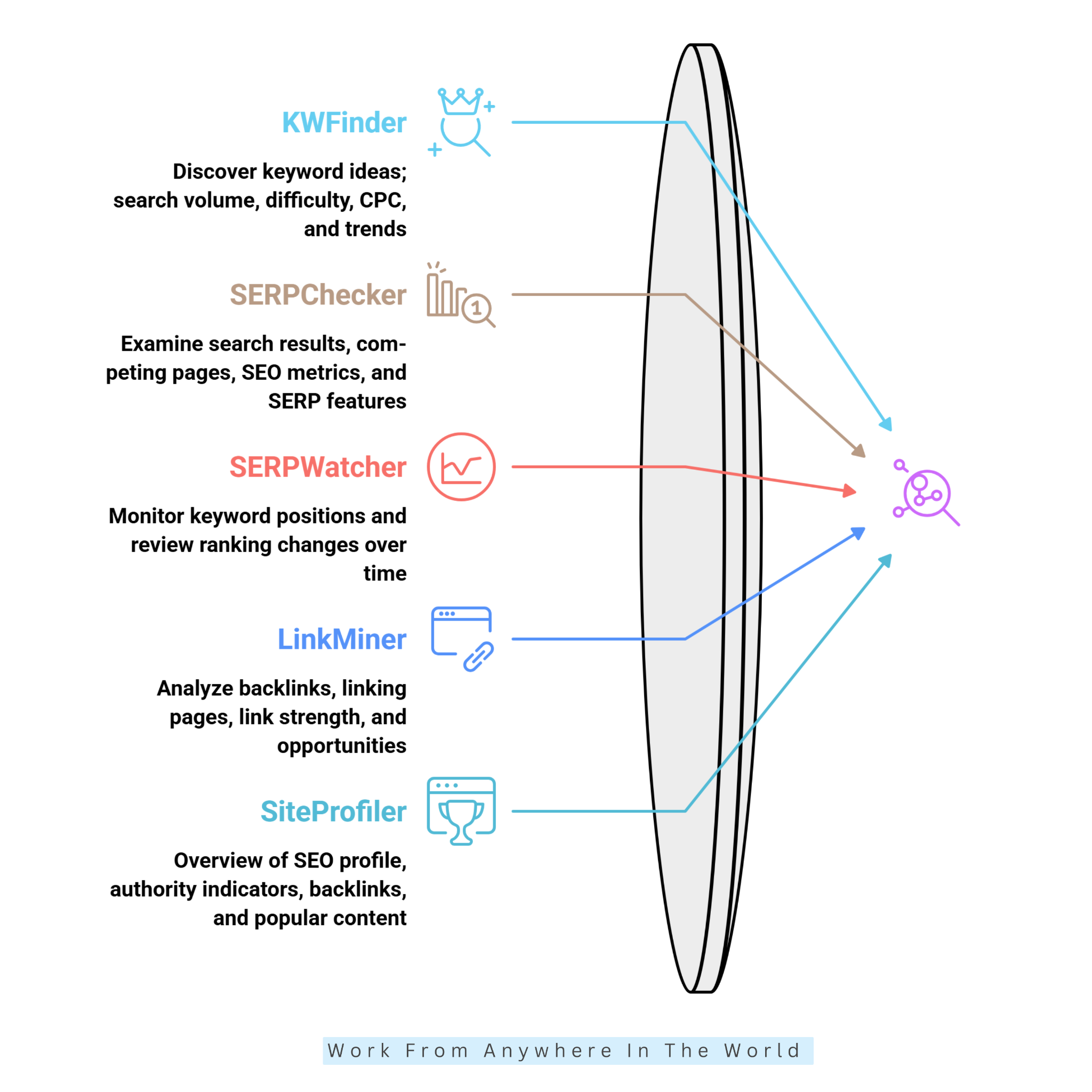
Mangools is an SEO software suite designed to help website owners improve their organic search visibility. It combines five specialized tools that simplify keyword research, competitor analysis, backlink research, and rank tracking.
These tools include KWFinder, SERPChecker, SERPWatcher, LinkMiner, and SiteProfiler. Each serves a different purpose, helping bloggers and marketers make informed decisions about their SEO strategies for organic traffic.
The platform presents SEO data through accessible dashboards, making it suitable for beginners and experienced marketers. Its straightforward interface helps users explore important metrics without navigating overly complicated reports.
For example, a gardening blogger can use KWFinder to discover relevant keywords before writing an article. Learning how to choose keywords for blog posts can make this research more effective.
SERPChecker helps analyze competing pages, while SERPWatcher monitors keyword rankings after publication. LinkMiner and SiteProfiler provide further insights into backlinks and competing websites.
These tools complement broader SEO competitive analysis, helping website owners understand which pages perform well and where opportunities for improvement may exist.
Mangools is particularly useful for individuals and small teams that need essential SEO research without an overwhelming interface. Bloggers can also explore long-tail keyword finder tools to compare different research approaches.
However, Mangools may not replace specialist platforms for extensive technical audits, enterprise reporting, or advanced SEO workflows. Its greatest advantage is making essential research tools accessible within one platform.
Features Of Mangools
Mangools offers several SEO tools that help website owners research keywords, analyze competitors, monitor rankings, and investigate backlinks. Each feature focuses on a specific part of search engine optimization.
Understanding how these tools work together can help bloggers and businesses develop a more effective SEO strategy. Let’s explore the five main tools and their practical applications.
1. KWFinder For Keyword Research
KWFinder is one of Mangools’ primary tools. It helps users discover keyword ideas by entering a topic, seed phrase, or competitor domain.
Its results include estimated search volume, keyword difficulty, cost-per-click (CPC), and search trend information. These metrics help users evaluate potential topics before creating new content.
For example, a blogger researching indoor plants might discover a more specific opportunity, such as “best indoor plants for low light.” This could complement an article about fragrant indoor plants.
Long-tail keywords like this can better match a specific search intent. Understanding how to identify long-tail keywords helps bloggers discover topics with clearer audience needs.
However, keyword difficulty is an estimate, not a ranking guarantee. Review competing pages, website authority, and content quality before selecting your target keyword.
KWFinder works best when its metrics support your judgment rather than replace it. Comparing short-tail and long-tail keyword strategies can further strengthen your research process.
2. SERPChecker For Search Result Analysis
SERPChecker helps you examine search engine results for a keyword and target location. It provides information about competing pages, SEO metrics, and search result features.
These insights help you understand the competitive landscape before creating content. Learning how to beat your blogging competition can also help you recognize opportunities competitors may have overlooked.
Suppose you want to rank for “how to start a vegetable garden.” You can examine the current results to determine whether searchers prefer beginner guides, videos, product pages, or practical tutorials.
For example, a gardening website might publish a guide about preparing plants for a vegetable garden. SERPChecker could help evaluate how similar educational articles appear in search results.
This assessment helps you match your content to search intent and identify gaps in competing articles. You can then develop a more useful resource that addresses readers’ unanswered questions.
However, third-party metrics cannot reveal Google’s complete ranking algorithm. Combine SERPChecker findings with practical SEO techniques for improving Google rankings.
Use the tool to guide your content strategy rather than predict rankings with certainty.
3. SERPWatcher For Rank Tracking
SERPWatcher monitors keyword positions over time and helps you evaluate your SEO progress. You can track selected keywords and review ranking changes through a centralized dashboard.
Its performance and visibility metrics summarize how tracked keywords are performing. This provides a broader perspective than monitoring a single keyword position.
For instance, after publishing ten articles, you can track their primary keywords and identify which pages are improving. This helps determine whether your organic traffic strategies are producing encouraging results.
If certain articles remain stagnant, investigate search intent, internal links, content quality, and competition. Regular monitoring can reveal which pages may benefit from further optimization.
Tracking also helps you understand how rankings change after content updates. However, keyword positions fluctuate, so individual changes should not automatically trigger major revisions.
Rank-tracking frequency depends on the subscription. Basic and Premium currently provide weekly updates, while Agency offers daily updates.
Weekly monitoring suits many evergreen blogs, but agencies requiring frequent reporting should consider this difference. You can consult Mangools’ ranking update guide for current details.
Combining ranking reports with SEO strategies for eCommerce websites can also help online businesses identify pages that need attention.
4. LinkMiner For Backlink Analysis
LinkMiner helps you analyze backlinks pointing to your website or competing websites. It provides information about linking pages, link strength indicators, and potential backlink opportunities.
These insights can support your research as you develop effective backlinking strategies. Understanding where competitors earn links may reveal relevant publishers and resource websites.
You can analyze competing websites to find blogs, resource pages, and publishers that reference similar content. For example, a gardening website might discover competitors receiving links from plant-care resources.
You could then create a more comprehensive gardening guide and contact relevant publishers about its usefulness. The goal should be to offer genuinely valuable information rather than request links indiscriminately.
Building relationships with suitable publishers can also support long-term content visibility. Our guide on how to get backlinks for free explores additional approaches.
However, backlink quantity alone does not determine SEO success. Prioritize relevance, editorial quality, and natural link placement.
LinkMiner can identify opportunities, but copying competitor backlinks does not guarantee improved rankings. Focus on earning links through useful content and credible relationships.
5. SiteProfiler For Competitor Research
SiteProfiler provides an overview of a website’s SEO profile, including domain-level authority indicators, backlink information, and popular content.
This feature helps you understand competing websites before planning your content strategy. It can reveal useful patterns in the topics and resources attracting attention within your niche.
For example, a pet-care blogger could examine competing domains to identify popular guides and potential content opportunities. A website covering animal chakras and holistic pet wellness might research related educational content.
These insights can help you prioritize topics and investigate why certain pages attract attention. Studying profitable niches with low competition can provide additional context when exploring new markets.
SiteProfiler is most useful for quick competitor research. Its domain-level metrics provide a starting point, but they cannot explain every factor influencing a website’s search performance.
It should not replace a technical SEO audit because it cannot identify every crawling, indexing, performance, or structured-data issue.
Combine its findings with other diagnostic tools when investigating website problems. Comparing specialized platforms through our Rank Math vs Ahrefs guide can also help clarify the differences between SEO tools.
6. Long-Tail Keyword Discovery
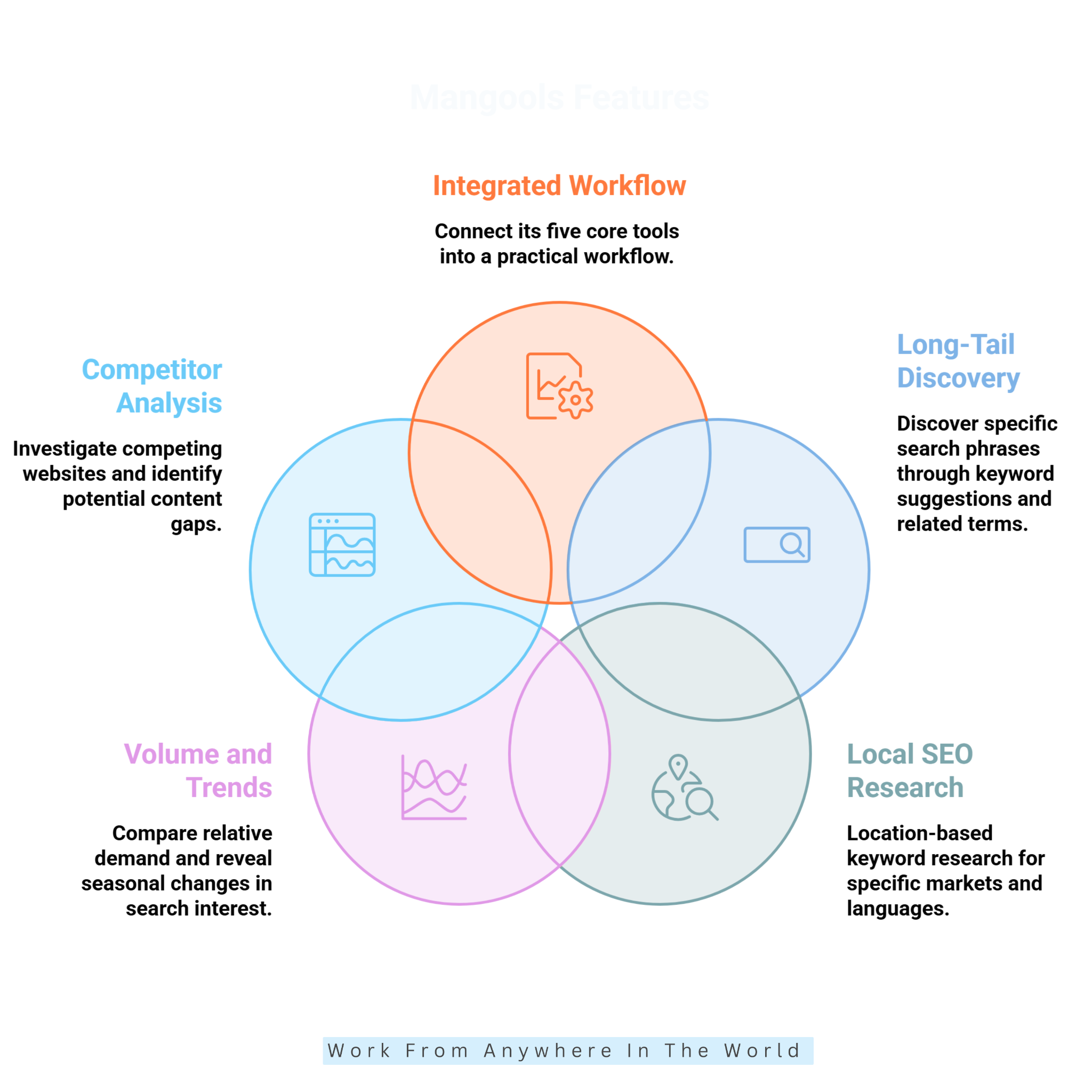
Mangools helps users discover specific search phrases through keyword suggestions and related terms. Long-tail keywords often communicate a clearer need than broad search phrases, making them valuable for targeted content.
Instead of targeting “SEO,” you might research “how to improve internal linking for a new blog.” This specific query can inspire a focused article that speaks directly to a particular audience.
Long-tail research is particularly valuable for newer websites building topical relevance. Exploring blogging topics with high demand can help identify promising subjects worth investigating.
You can group related terms by search intent and decide whether they deserve separate pages or belong within an existing article. This helps prevent unnecessary content overlap while improving website organization.
However, long-tail keywords are not automatically easy to rank for. Evaluate search volume, competing pages, and relevance before prioritizing them.
For additional guidance, learning how to choose a blog topic can help you balance keyword opportunities with your audience’s interests and your website’s goals.
7. Local SEO Keyword Research
Mangools supports location-based keyword research, helping businesses investigate search terms relevant to specific markets and languages. This is particularly useful when targeting customers in a defined geographic area.
For example, a cleaning company could compare “commercial cleaning services” with “commercial cleaning services in Dallas.” The localized phrase may better match the needs of people searching for nearby providers.
This feature helps service businesses, local retailers, and agencies managing regional campaigns. Learning how to conduct local keyword research can make these investigations more effective.
You can explore local keyword opportunities and evaluate competing websites to understand how businesses position their services. Location-specific searches may also reveal differences in customer preferences and competition.
However, local SEO involves more than keyword research. An optimized Google Business Profile, consistent business information, customer reviews, and relevant local content also matter.
Use Mangools as one part of a broader marketing strategy. Our guide to local SEO for small businesses explores additional ways to strengthen visibility in local search results.
8. Search Volume And Trend Analysis
Search volume estimates help you compare the relative demand for different keywords. Mangools also provides trend information that can reveal seasonal changes in search interest.
For example, interest in seed-starting guides may increase before the growing season in particular regions. A gardening website publishing seed starting guidelines could use these patterns to plan its content schedule.
Understanding seasonal demand can help you publish articles before interest peaks. Tools such as Google Trends can provide additional insights into how search interest changes over time.
This feature supports more informed editorial planning. A keyword with moderate search volume may still be valuable if it attracts the right audience and matches your website’s goals.
Learning how to use Google Keyword Planner can also help you compare keyword demand using another research tool. Remember that search volumes are estimates, not guaranteed visitor counts.
Actual traffic depends on ranking position, search intent, SERP features, and click-through rate. Understanding click-through rates can help explain why some search impressions generate more visits than others.
Compare related terms and use Google Search Console to evaluate real performance after publication. This helps connect keyword research with your website’s actual search results.
Wealthy Affiliate – Mini Review
If you’ve ever thought about turning your blog, passion, or niche into an online business,
Wealthy Affiliate (WA) is one of the most beginner-friendly platforms I’ve used.
It combines step-by-step training, website hosting, AI-powered tools,
keyword research, and an active community all in one place.
What I like most is that you can start for free (no credit card needed), explore the platform,
test the tools, and connect with other entrepreneurs before upgrading.
WA isn’t a “get rich quick” scheme — success comes from consistent effort
and applying what you learn over time.
9. Competitor Keyword Analysis
Competitor keyword research helps you discover topics that other websites target or rank for. Mangools supports domain-based research, allowing you to investigate competing websites and identify potential content gaps.
Start with a few websites that publish similar content. Examine their keyword profiles and look for relevant topics your website has not covered.
For example, an SEO blog might discover opportunities around internal linking, keyword clustering, and content optimization. These findings can help you build a more useful editorial calendar.
Learning how to beat your competition at blogging can provide additional insights into developing content that stands out. Competitive research is most useful when it reveals opportunities to serve readers better.
A gardening blogger might investigate competing websites covering indoor plant care, vegetable gardening, or seasonal planting. Comparing these topics with your own content can reveal opportunities for new articles.
For instance, a competitor’s popular vegetable gardening guides might inspire you to create more detailed resources about companion planting or seasonal growing conditions.
The same approach works for specialized niches, including vegan blogging and animal Reiki businesses. Studying competing content helps you understand which questions readers are asking and where useful information may be missing.
The goal is to learn from rivals, not imitate them. Look for unanswered questions, outdated information, and opportunities to explain things more clearly.
Improving your SEO-friendly content and exploring ways to make your content better can help you address these gaps while developing your own perspective and expertise.
Remember, an established website’s ranking success doesn’t guarantee the same outcome for a newer domain. Evaluate each opportunity against your resources, audience, and website authority.
10. Integrated SEO Workflow And Reporting
Mangools connects its five core tools into a practical workflow. You can discover keywords in KWFinder, examine competition in SERPChecker, and monitor positions through SERPWatcher.
LinkMiner helps investigate backlinks, while SiteProfiler provides an overview of competing websites. Together, these tools support several important stages of SEO research.
This setup reduces the need to switch between separate dashboards for routine SEO tasks. Freelancers building their businesses can use these insights alongside practical freelancing strategies and freelancer productivity tools.
Mangools offers shareable rank-tracking reports and reporting integrations, including Looker Studio. These options can make ranking information easier to communicate to clients and team members.
For additional reporting capabilities, Looker Studio provides customizable dashboards that combine information from supported data sources.
Still, rankings are only one measure of success. Combine them with organic traffic, leads, conversions, and revenue when appropriate.
Understanding Google Analytics website metrics and the broader benefits of Google Analytics can help you evaluate how visitors interact with your website beyond search rankings.
An integrated workflow saves time, but meaningful results still depend on sound analysis and a clear SEO strategy. Use the information to guide decisions rather than treating individual metrics as guarantees of success.
Pros Of Mangools
Mangools offers several advantages for bloggers, freelancers, and small businesses looking to improve their SEO strategies. Its user-friendly tools simplify keyword research, competitor analysis, and rank tracking without overwhelming beginners.
From convenient research features to flexible subscription options, Mangools makes everyday SEO tasks easier to manage. Let’s explore five key benefits that make this platform worth considering.
1. Beginner-Friendly Interface
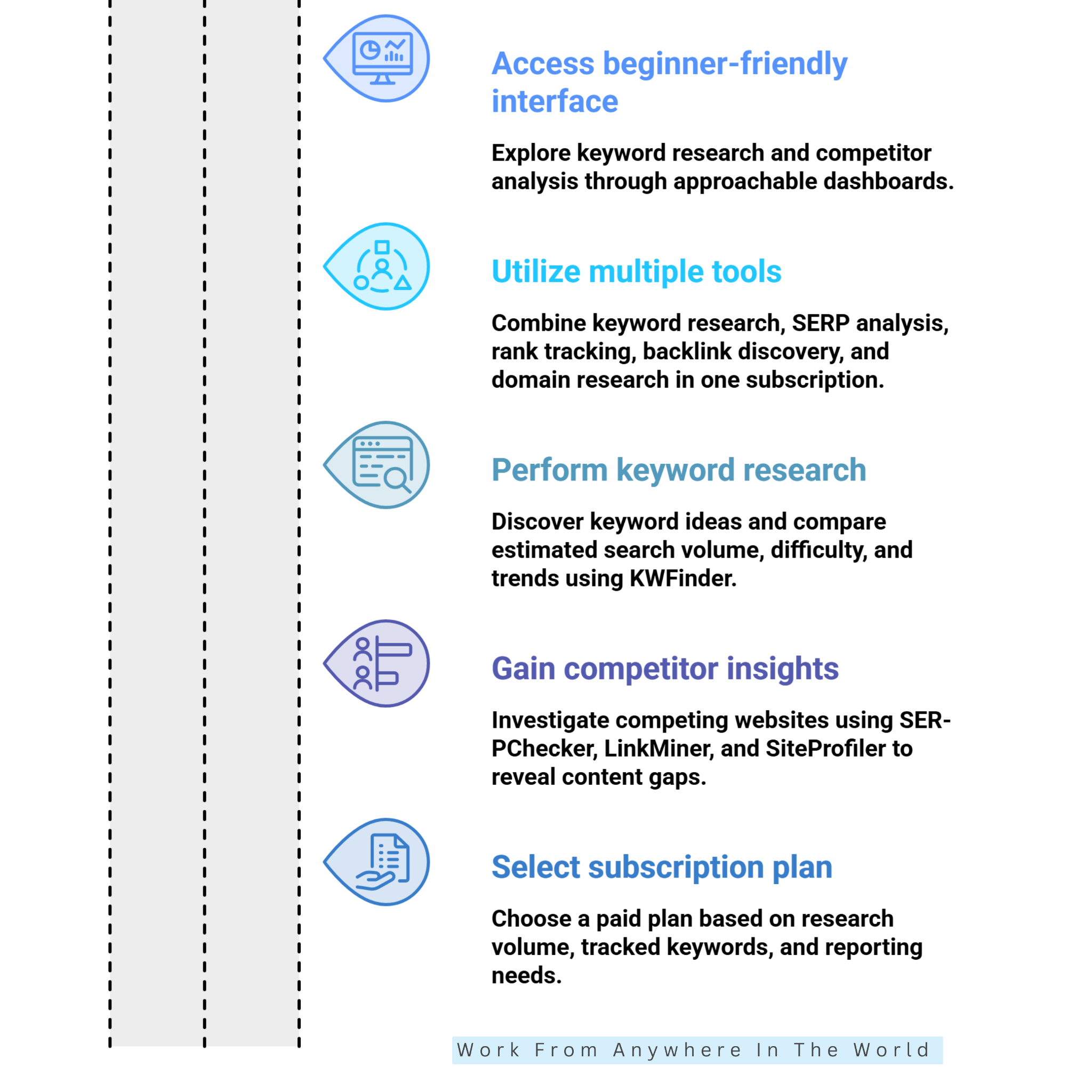
Mangools presents SEO data through approachable dashboards, making it easier for beginners to explore keyword research and competitor analysis. Its straightforward layout helps users understand essential metrics without navigating complicated reports.
Users can start with KWFinder and gradually learn rank tracking and backlink research. This is particularly useful for bloggers managing their own SEO without dedicated technical support.
Beginners exploring different types of SEO optimization can use Mangools to understand how keyword research, rankings, and backlinks contribute to search visibility.
Although every platform requires some learning, Mangools keeps routine tasks relatively straightforward. This lets users focus more on content opportunities and less on navigating complex dashboards.
For bloggers building their first websites, combining SEO research with a WordPress tutorial for beginners can make the learning process more manageable.
2. Multiple Tools In One Subscription
Mangools combines keyword research, SERP analysis, rank tracking, backlink discovery, and domain research. Having these tools together can simplify day-to-day SEO work and reduce the need for multiple subscriptions.
For example, a freelancer can research keywords, analyze competitors, and monitor rankings within one platform. This makes it easier to organize research and track progress across different client projects.
Someone learning how to start a freelance business may appreciate having essential SEO research tools available through a single subscription.
The platform can also complement other content marketing tools, particularly when planning articles, evaluating search opportunities, and monitoring published content.
However, the financial benefit depends on your workload and whether the included tools meet your requirements. Businesses needing advanced technical audits or specialized reporting may still require additional software.
3. Useful Keyword Research
KWFinder helps users discover keyword ideas and compare estimated search volume, difficulty, and trends. These insights make editorial planning more systematic and help bloggers prioritize promising topics.
Instead of choosing subjects based only on personal interest, bloggers can first evaluate demand and competition. This approach supports more informed decisions about which articles deserve attention.
Long-tail suggestions are particularly useful for focused content. Comparing Mangools with keyword research in Ahrefs can also introduce different ways to evaluate search opportunities.
For example, a gardening blogger might compare broad phrases such as “indoor plants” with specific questions about watering, lighting, or seasonal care. These narrower searches can reveal opportunities for helpful articles.
However, keyword selection should account for search intent, topical relevance, and the website’s ability to compete. Estimated search volume alone cannot determine whether a keyword will generate meaningful traffic.
4. Competitor And Backlink Insights
SERPChecker, LinkMiner, and SiteProfiler provide complementary ways to investigate competing websites. Their insights can reveal content gaps, popular pages, and potential outreach opportunities.
For example, finding a competitor’s frequently referenced resource may inspire you to create a more useful guide. Examining why other websites attract backlinks can also reveal opportunities to improve your own content.
These findings become more valuable when combined with thoughtful content planning. Bloggers can use them to identify missing information, strengthen existing articles, and create resources that genuinely help readers.
Competitor research can also highlight weaknesses in your SEO approach. Reviewing common blogging mistakes may help you recognize problems that competitors have already addressed.
However, third-party authority metrics are not official Google ranking factors or guarantees of success. Treat them as comparative indicators rather than definitive measures of website quality.
5. Flexible Subscription Options
Mangools offers different paid plans and monthly or annual billing options. Users can choose a subscription based on their research volume, tracked keywords, and reporting needs.
Annual billing may reduce the effective monthly cost, making it appealing to bloggers and businesses planning to use the platform regularly. However, the best option depends on actual usage.
Compare keyword lookup allowances, rank-update frequency, and collaboration features before subscribing. A freelancer managing several client websites may have different requirements from someone maintaining a single blog.
It can also help to compare Mangools with other SEO platforms before committing. Our Ahrefs vs Google Keyword Planner comparison illustrates how research tools can differ in their capabilities and intended uses.
A suitable plan should match your workload rather than simply offer the most features. Review the current options on the official Mangools website before deciding.
Cons Of Mangools
Although Mangools offers useful SEO tools, it also has limitations worth considering before subscribing. Usage restrictions, reporting capabilities, and the need for additional software may affect its suitability for different businesses.
Understanding these five disadvantages can help bloggers, freelancers, and agencies decide whether Mangools provides the features and flexibility their SEO strategies require.
1. Usage Limits
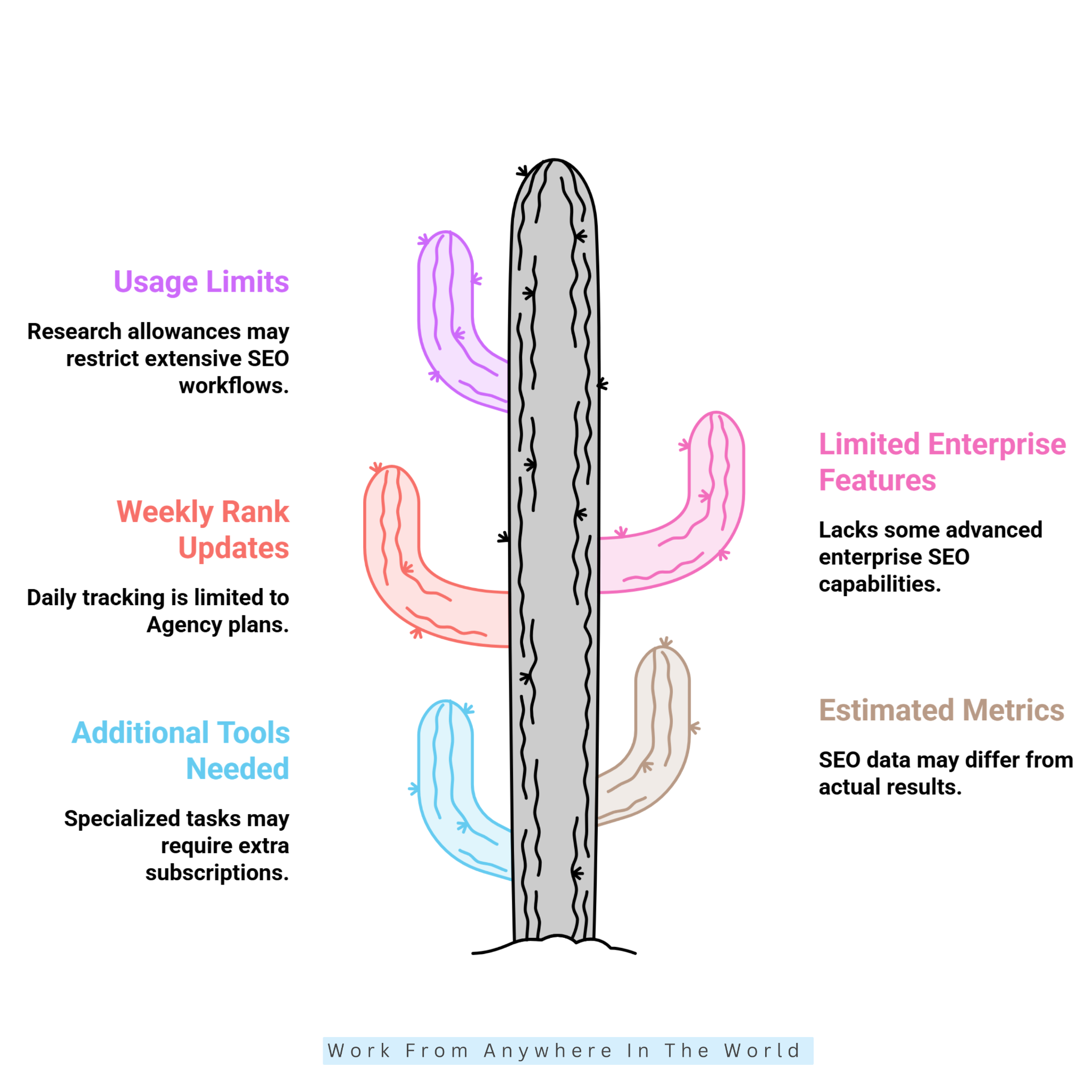
Mangools applies different usage allowances across its subscription plans. Extensive keyword research, SERP analysis, or backlink investigations may require a higher subscription tier.
A solo blogger researching a few topics may find an entry-level plan sufficient. However, an agency managing multiple clients could need additional capacity to handle regular research and reporting.
These restrictions can become noticeable when researching numerous keywords or analyzing several competing websites. Reaching your allowance may interrupt your workflow until the limit resets or you upgrade.
Before subscribing, estimate your expected research volume and compare the available plans on the official Mangools website. Choosing the appropriate allowance can help prevent unnecessary interruptions.
2. Limited Enterprise Capabilities
Large organizations may require advanced crawling, detailed technical audits, extensive reporting, and sophisticated integrations. Mangools focuses on essential SEO research rather than meeting every enterprise requirement.
For example, a website with thousands of URLs may need specialist software to diagnose complex technical issues. Problems involving crawlability, indexing, or website architecture often require dedicated auditing tools.
Businesses managing large online stores may also benefit from an eCommerce SEO audit checklist to identify areas requiring additional investigation.
Mangools can still support keyword research, competitor analysis, and backlink investigations. However, it may not serve as a complete enterprise SEO platform.
3. Rank-Tracking Frequency
Rank-tracking update frequency and available reporting features can vary between Mangools subscription plans. Businesses requiring frequent monitoring should compare the current allowances before choosing a plan.
Weekly reporting may be sufficient for many evergreen websites, where long-term trends matter more than daily fluctuations. Bloggers can often evaluate performance without checking rankings every day.
However, agencies preparing frequent client reports may prefer more regular updates. Changes in keyword positions can help identify emerging trends or potential problems requiring attention.
Remember that daily rankings can fluctuate naturally without indicating meaningful changes in overall SEO performance. Focus on sustained visibility, organic traffic, and the results your website generates.
4. Estimated SEO Metrics
Third-party platforms cannot provide a perfect picture of search demand, ranking difficulty, or every backlink on the web. Mangools metrics are useful for comparing opportunities but should not be treated as exact Google data.
For example, a keyword with a low difficulty score may still face strong competition. Search intent, established competitors, and content quality can influence how challenging it is to achieve good rankings.
Validate important decisions using live search results and Google Search Console. These resources can provide additional evidence when evaluating keyword opportunities and website performance.
Comparing information from different research platforms can also help identify inconsistencies. However, no third-party difficulty score can guarantee a particular ranking position.
5. Additional Tools May Be Necessary
Mangools doesn’t cover every digital marketing requirement. Depending on your workflow, you may need specialist software for technical audits, website analytics, content optimization, or advertising.
For example, bloggers using WordPress may benefit from learning how to set up Google Analytics in WordPress to understand visitor behaviour beyond keyword rankings.
Businesses running paid campaigns may also need separate advertising platforms. Understanding social media advertising costs can help them plan a broader marketing budget.
These additional subscriptions can increase your overall expenses. Before purchasing, list your essential tasks and compare them with the capabilities Mangools provides.
A focused toolkit often delivers better value than paying for features you rarely use. Choose software that supports your actual marketing goals rather than collecting unnecessary subscriptions.
Mangools Pricing And Plans
Mangools offers subscription options for bloggers, freelancers, small businesses, and SEO professionals. The plans vary in research allowances, keyword tracking capacity, and additional features.
Choosing the right subscription depends on your website’s needs, how often you conduct SEO research, and how many projects you manage.
1. Entry-Level Plans For Bloggers
Entry-level subscriptions are generally suitable for individual bloggers, beginners, and small website owners who need essential SEO research tools.
These options can provide access to keyword research, competitor analysis, backlink investigation, and rank tracking. However, usage allowances may limit extensive research.
If you manage one website and publish content regularly, a smaller subscription may provide everything you need without unnecessary expenses.
2. Mid-Tier Plans For Growing Businesses
Mid-tier subscriptions are designed for users who need greater research capacity or manage several websites. They may offer higher keyword lookup allowances and additional tracking features.
Freelancers and small marketing teams can benefit from increased capacity when researching multiple niches, evaluating competitors, or monitoring client projects.
Before upgrading, compare your actual usage with the available features. A larger subscription is worthwhile when it helps you complete essential SEO tasks more efficiently.
3. Advanced Plans For Agencies
Advanced subscriptions generally offer greater research capacity and additional features for SEO professionals managing multiple client websites.
Agencies may require more tracked keywords, frequent ranking updates, and collaboration options to support ongoing campaigns and client reporting.
However, the largest subscription is not automatically the best choice. Consider your workload, team size, and reporting requirements before selecting a plan.
How To Choose The Right Mangools Plan
Compare keyword research limits, rank-tracking allowances, billing options, and available features before subscribing. These factors often matter more than the advertised monthly price.
Mangools may also offer limited free access or promotional opportunities, depending on its current terms. Exploring the available tools can help you decide whether the platform suits your workflow.
For current subscription options, features, and conditions, visit the official Mangools pricing page. Choose a plan that supports your SEO goals without paying for research capacity or features you rarely use.
Frequently Asked Questions
Q1: Is Mangools Good For SEO?
Yes. Mangools provides useful tools for keyword research, competitor analysis, backlink investigation, and rank tracking. It helps bloggers, freelancers, and small businesses make informed SEO decisions.
Its straightforward interface makes routine research easier to manage. However, successful SEO still depends on valuable content, technical website health, and consistent optimization.
Q2: Is Mangools Free?
Mangools offers limited free access, allowing users to explore some of its SEO features without immediately purchasing a subscription. Usage restrictions apply, so it may not suit extensive research.
For regular keyword analysis and rank tracking, a paid subscription may be necessary. Check the official Mangools pricing page for current free-access conditions.
Q3: Is Mangools Better Than Ahrefs?
The better choice depends on your research needs, experience, and budget. Mangools emphasizes accessible keyword research and straightforward SEO tools, while Ahrefs supports broader SEO workflows.
Businesses requiring extensive backlink research or advanced technical analysis may prefer Ahrefs. Compare both platforms’ current features and usage allowances before deciding.
Q4: Can Mangools Find Low-Competition Keywords?
Yes. KWFinder provides keyword difficulty estimates, search volume information, and related keyword suggestions. These features help users identify search phrases that may offer opportunities for targeted content.
However, a low difficulty score does not guarantee easy rankings. Review competing pages, search intent, and your website’s authority before selecting a keyword.
Q5: Can Mangools Help With Local SEO?
Yes. Mangools supports location-based keyword research, helping businesses identify search terms relevant to particular cities, regions, and languages.
However, effective local SEO also requires accurate business listings, customer reviews, and location-specific content. Keyword research should complement these activities rather than replace them.
Q6: Is Mangools Worth The Price?
Mangools can be worthwhile for bloggers, freelancers, and small businesses that regularly need keyword research, competitor insights, backlink analysis, and rank tracking.
Its value depends on your workload and whether the subscription allowances meet your requirements. Organizations needing advanced technical audits or enterprise reporting may require additional software.
Conclusion
Mangools offers a practical SEO toolkit for bloggers, freelancers, and small businesses looking to improve their online visibility. Its connected tools simplify keyword research, competitor analysis, backlink investigations, and rank tracking.
Although Mangools makes everyday SEO tasks easier, its usage limits and lack of advanced technical features may not suit every business. Choosing the right subscription depends on your research needs and workload.
Before committing, explore the available free features and compare the subscription plans. The right SEO tools should support your content strategy, improve productivity, and help you make informed decisions without unnecessary expenses.
I trust you enjoyed this Mangools Review: 10 Powerful Features, Pros and Cons. Please stay tuned for more insightful blogs on affiliate marketing, online business, and working from anywhere in the world.
Take care!
— JeannetteZ 🌍✨
💬 Your Opinion Is Important To Me
Do you have thoughts, ideas, or questions? I’d love to hear from you. Please leave your comments below or email me directly at Jeannette@WorkFromAnywhereInTheWorld.com.
📚 More Work From Anywhere Reads
🚀 Ready to Build a Business You Can Run from Home
Or from Anywhere in the World?
Imagine earning income on your terms — from home, a cozy café, or wherever life takes you.
With the right tools, training, and community support, it’s entirely possible.
Start your own online business for free — no credit card needed.
Disclosure
This post may contain affiliate links. As an Amazon Associate and participant in other affiliate programs, I earn from qualifying purchases at no extra cost to you. Please read my full affiliate disclosure.