Email Marketing Content Strategies: 14 Proven Techniques
Email Marketing Content Strategies are essential for businesses that want to build relationships, nurture leads, and increase conversions. Choosing the right strategies keeps subscribers engaged while supporting your marketing goals.
From compelling subject lines and personalized messages to audience segmentation and well-timed campaigns, every email should deliver valuable content that subscribers genuinely want to receive. Using the right email marketing tools also makes it easier to create, automate, and measure successful campaigns.
A thoughtful content strategy strengthens customer relationships, encourages long-term loyalty, and supports consistent business growth. It also improves engagement and increases click-through rates.
In this guide, you’ll discover proven email marketing content strategies that businesses use to create valuable campaigns, connect with their audience, and achieve better marketing results.
What Are Email Marketing Content Strategies?
Email marketing content strategies are structured plans that guide businesses in creating and delivering valuable emails to their audience.
Instead of sending random promotional messages, businesses focus on delivering relevant, engaging, and timely content that meets subscribers’ needs.
These strategies include deciding what types of emails to send, how often to send them, and which audience segments should receive specific content.
Common examples include newsletters, welcome emails, product updates, educational content, promotional campaigns, and automated email sequences.
The goal is to build trust, increase engagement, and encourage subscribers to take action. Subscribers may read a blog post, make a purchase, register for a webinar, or download a resource.
Personalization also plays an important role by delivering content based on subscriber interests, behaviour, and previous interactions.
Successful email marketing content strategies also include writing compelling subject lines, designing mobile-friendly emails, and monitoring key performance metrics such as open rates and click-through rates.
Used consistently, these strategies strengthen customer relationships, deliver ongoing value, and support long-term marketing success.
Types Of Email Marketing Content
Email marketing includes a variety of content types, each designed to achieve a different purpose. Using the right mix keeps subscribers interested while supporting your overall marketing goals.
Some emails welcome new subscribers, while others educate, promote products, share company news, or encourage customer loyalty. Each type plays a valuable role in customer loyalty.
Choosing the right content at the right time improves engagement and builds stronger relationships with your audience. A balanced strategy also keeps your emails fresh and relevant.
The following examples highlight some of the most effective types of email marketing content. Combining several formats creates a more engaging experience and supports long-term marketing success.
1. Educational Emails
Educational emails provide subscribers with valuable information related to your industry, products, or services. They often include tutorials, practical tips, guides, or step-by-step instructions that help readers solve problems or learn new skills.
Instead of focusing only on sales, educational emails build trust by consistently delivering useful content. They position your business as a reliable source of information and encourage subscribers to engage with future emails.
Well-written educational emails also strengthen customer relationships and support long-term loyalty. As subscribers continue to find value in your content, they become more likely to open future emails and respond to your marketing campaigns.
2. Newsletter Emails
Newsletter emails keep subscribers informed about company news, recent blog posts, product updates, industry trends, and upcoming events. They are often sent on a regular schedule to maintain consistent communication with your audience.
A well-written newsletter delivers valuable content instead of focusing only on promotions. It encourages subscribers to visit your website, explore new resources, and stay connected with your brand.
Consistent newsletters also strengthen customer relationships and keep your business top of mind. Providing useful and relevant information encourages subscribers to open future emails and engage with your content regularly.
3. Promotional Emails
Promotional emails highlight products, services, special offers, discounts, or upcoming sales. Their primary purpose is to encourage purchases, registrations, or other actions while keeping subscribers informed about current promotions.
Successful promotional emails use clear messaging, compelling calls to action, and attractive offers that encourage readers to respond. Limited-time promotions can also create a sense of urgency without making the email feel overly sales-focused.
Balancing promotional content with educational and informative emails keeps subscribers engaged and maintains trust. This approach encourages stronger long-term relationships while supporting your marketing goals.
4. Welcome Emails
Welcome emails are sent to new subscribers after they join your email list. They introduce your brand, explain what subscribers can expect, and create a positive first impression from the very beginning.
Many businesses include helpful resources, special offers, or links to popular content that encourage new subscribers to explore further. A clear and friendly welcome email also sets expectations for future communication.
A well-crafted welcome email builds trust, encourages early engagement, and lays the foundation for a lasting relationship. It is often one of the most important emails a business sends because it shapes the subscriber’s first experience with your brand.
5. Storytelling Emails
Storytelling emails use personal experiences, customer success stories, or behind-the-scenes moments to create stronger emotional connections with subscribers. They often feel more authentic and relatable than traditional marketing messages.
A well-told story captures attention, builds trust, and makes your brand more memorable. It also gives subscribers a better understanding of your values, mission, and the people behind your business.
Storytelling emails encourage readers to connect with your brand on a deeper level rather than focusing only on products or promotions. This creates stronger relationships and encourages long-term subscriber loyalty.
6. Re-Engagement Emails
Re-engagement emails target subscribers who have stopped opening or clicking your emails regularly. They remind people why they subscribed and encourage them to reconnect with your brand.
These emails often include personalized offers, helpful resources, recent updates, or a simple invitation to return. A friendly and respectful approach works better than overwhelming subscribers with repeated promotions.
Well-crafted re-engagement emails can renew interest, improve email engagement, and reduce subscriber loss. Even if some subscribers choose to leave, maintaining an active and interested email list benefits your overall marketing performance.
Proven Email Marketing Content Strategies
Every successful email campaign starts with a clear plan and the right strategy. Choosing the most effective approach helps businesses deliver valuable content that keeps subscribers engaged.
Different strategies serve different purposes throughout the customer journey. Some focus on building trust, while others encourage clicks, increase conversions, or strengthen long-term customer relationships.
The most successful email marketers combine several strategies instead of relying on a single approach. This creates a balanced email marketing plan that delivers value at every stage.
The following proven email marketing content strategies will help you create more engaging campaigns, improve subscriber engagement, and achieve better marketing results.
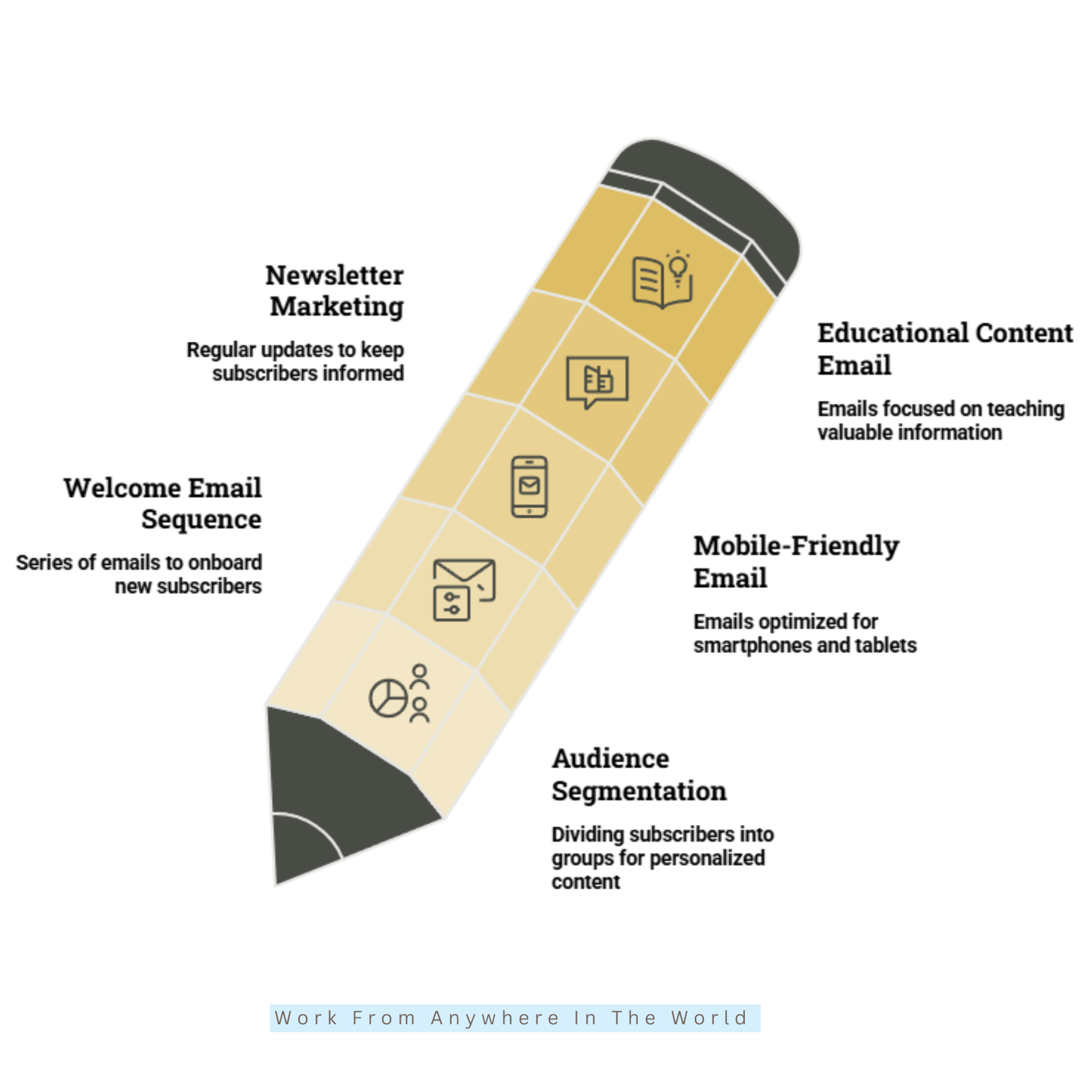
Strategy No. 1: Audience Segmentation
Audience segmentation is an email marketing strategy that divides subscribers into smaller groups based on their interests, behaviour, location, or purchase history.
Instead of sending the same message to everyone, businesses create more personalized content for each audience segment. This approach makes emails feel more relevant and valuable to subscribers.
For example, new subscribers may appreciate beginner guides, while loyal customers often respond better to exclusive offers, product updates, or loyalty rewards.
Effective audience segmentation improves open rates, click-through rates, and customer engagement. It also reduces unsubscribes by delivering content that matches subscribers’ interests and preferences.
Pro Tips
- Segment subscribers based on their interests.
- Track clicks and engagement for better targeting.
- Personalize offers for each audience segment.
- Review and update your segments regularly.
Strategy No. 2: Welcome Email Sequence
A welcome email sequence is a series of emails sent automatically after someone joins your email list. It introduces your brand, builds trust, and guides new subscribers through the next steps.
The first email may include a warm welcome, while later emails share helpful resources, popular content, or special offers. This keeps new subscribers engaged from the beginning.
A well-planned welcome sequence creates a positive first impression and encourages long-term subscriber loyalty. It also sets clear expectations for future emails and strengthens customer relationships.
Pro Tips
- Send the first email immediately.
- Introduce your brand story naturally.
- Share helpful beginner resources.
- Keep emails short and friendly.
Strategy No. 3: Mobile-Friendly Email
A mobile-friendly email strategy ensures emails look and perform well on smartphones and tablets. Since most people read emails on mobile devices, readability and layout are essential.
Mobile-friendly emails use short paragraphs, clear fonts, simple designs, and easy-to-tap buttons. Optimized images also improve loading times and create a better reading experience.
A mobile-first approach improves engagement, click-through rates, and conversions. It also makes emails easier to read, encouraging subscribers to stay engaged with your content.
Pro Tips
- Use short and clear paragraphs.
- Design clear call-to-action buttons.
- Optimize images for fast loading.
- Test emails on multiple devices.
Strategy No. 4: Newsletter Marketing
A newsletter marketing strategy keeps businesses connected with subscribers through regular email updates. These emails may include blog posts, company news, industry trends, helpful tips, or product announcements.
A good newsletter informs readers without sounding overly promotional. Sending valuable content on a consistent schedule also encourages subscribers to look forward to future emails.
Well-written newsletters drive traffic to your website, strengthen customer relationships, and build long-term audience loyalty. They also keep your brand visible and memorable in a competitive market.
Pro Tips
- Maintain a consistent sending schedule.
- Share useful industry-related insights.
- Balance educational and promotional content.
- Write engaging subject lines.
Strategy No. 5: Educational Content
An educational content strategy teaches subscribers something useful instead of focusing only on selling products or services. They may include tutorials, how-to guides, expert tips, industry insights, or beginner-friendly advice.
Readers appreciate content that solves problems and answers common questions. This approach builds trust by positioning your business as a reliable source of helpful information.
Educational emails also improve engagement and encourage long-term subscriber loyalty. They naturally introduce readers to your products, services, or resources without making the message feel overly promotional.
Pro Tips
- Solve common customer problems.
- Use beginner-friendly explanations.
- Share practical, actionable tips.
- Recommend helpful resources.
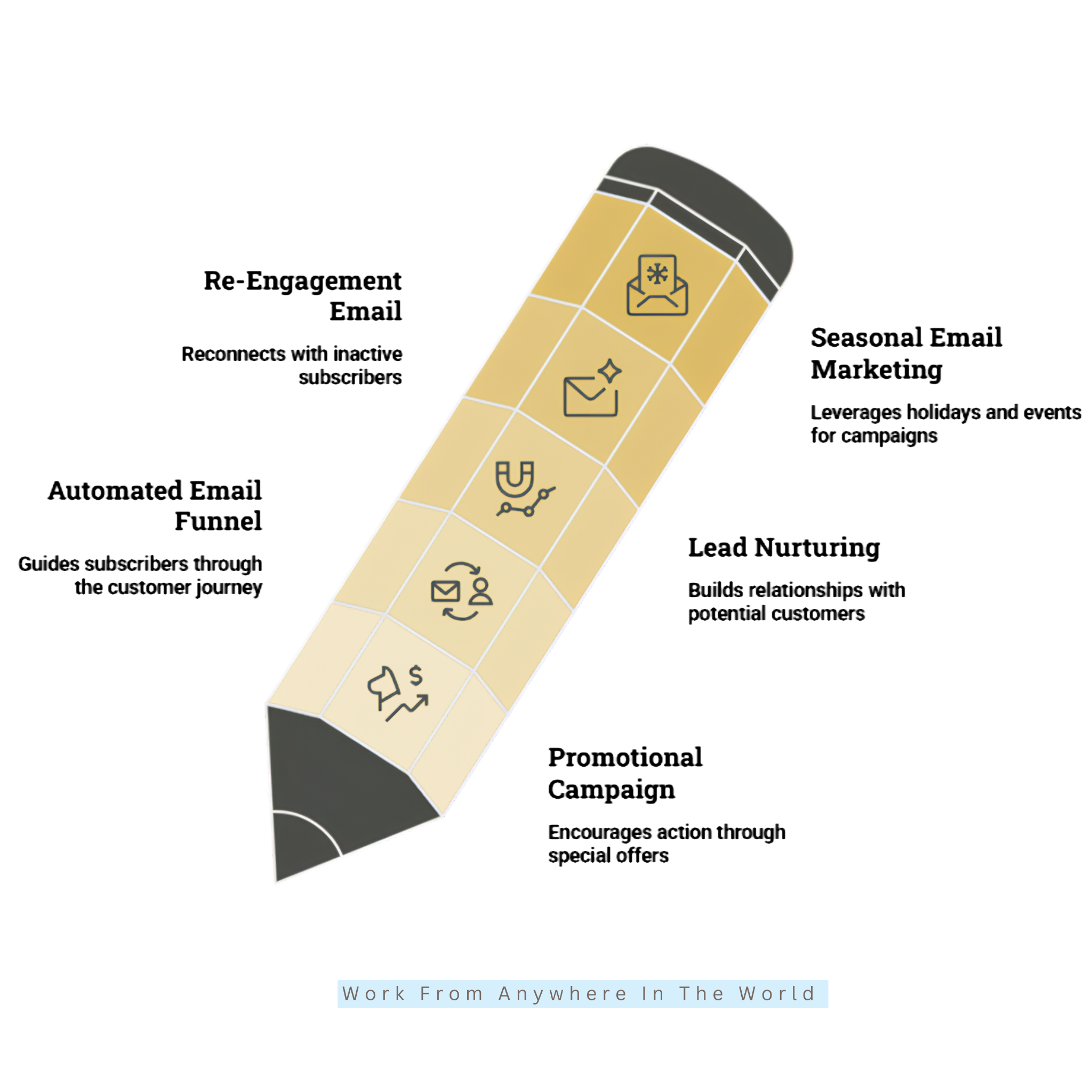
Strategy No. 6: Promotional Campaigns
A promotional campaign strategy encourages subscribers to take action through special offers, discounts, product launches, or limited-time deals. These emails highlight the value of a product or service while creating excitement around the promotion.
Successful promotional campaigns balance sales messages with useful information and appealing visuals. Personalizing offers based on customer interests and previous purchases also improves engagement.
Well-planned promotional campaigns increase conversions, boost revenue, and strengthen customer relationships. They encourage action without making subscribers feel overwhelmed by constant sales messages.
Pro Tips
- Create urgency with limited-time offers.
- Personalize promotions for better engagement.
- Highlight clear customer benefits.
- Keep designs simple and clean.
Strategy No. 7: Automated Email Funnels
An automated email funnel guides subscribers through different stages of the customer journey using pre-scheduled emails. Messages are triggered by user actions, interests, or behaviours, creating a more personalized experience.
A typical funnel may include welcome emails, educational content, product recommendations, and follow-up messages. Automation keeps businesses connected with subscribers without sending every email manually.
Well-designed email funnels nurture leads, improve engagement, and increase conversions. They also save time while delivering timely and relevant content throughout the customer journey.
Pro Tips
- Trigger emails based on user actions.
- Build funnels around the customer journey.
- Personalize automated email sequences.
- Monitor funnel performance regularly.
Strategy No. 8: Building Customer Relationships
Building customer relationships earns trust through consistent and valuable email communication. Instead of pushing immediate sales, these emails provide helpful content, expert insights, case studies, and personalized recommendations.
This approach keeps your business visible while giving subscribers the information they need to make confident purchasing decisions. It also encourages stronger connections with your audience.
Building customer relationships improves engagement, strengthens customer loyalty, and increases conversions. Consistent communication encourages subscribers to take action when they are ready.
Pro Tips
- Share content that matches customer interests.
- Build trust before promoting products.
- Send emails on a consistent schedule.
- Use personalized recommendations.
Strategy No. 9: Re-Engaging Inactive Subscribers
The re-engaging inactive subscribers strategy focuses on reconnecting with people who have stopped opening or interacting with your emails. These campaigns may include personalized messages, special offers, surveys, or reminders about valuable content.
Sometimes subscribers lose interest because the content no longer feels relevant or arrives too frequently. A thoughtful approach reminds them why they subscribed and encourages them to reconnect with your brand.
Re-engaging inactive subscribers improves email performance while reducing the number of inactive subscribers. It also keeps your email list healthier by focusing on active subscribers who are genuinely interested in your content.
Pro Tips
- Reach out to inactive subscribers with care.
- Offer personalized content recommendations.
- Write attention-grabbing subject lines.
- Remove consistently inactive subscribers.
Strategy No. 10: Seasonal Email Marketing
A seasonal email marketing strategy focuses on creating campaigns around holidays, special events, or seasonal trends throughout the year.
These emails connect offers and content with occasions that subscribers already care about. Businesses may promote holiday discounts, seasonal products, gift guides, or event-based content.
Personalized seasonal campaigns often improve engagement by matching customer interests and shopping behaviour. Planning campaigns well in advance also helps businesses reach subscribers at the right time.
When used effectively, seasonal email marketing increases brand visibility, creates more sales opportunities, and delivers memorable customer experiences.
Pro Tips
- Plan campaigns well before holidays.
- Match content with seasonal interests.
- Use festive yet simple visuals.
- Personalize offers for different audiences.
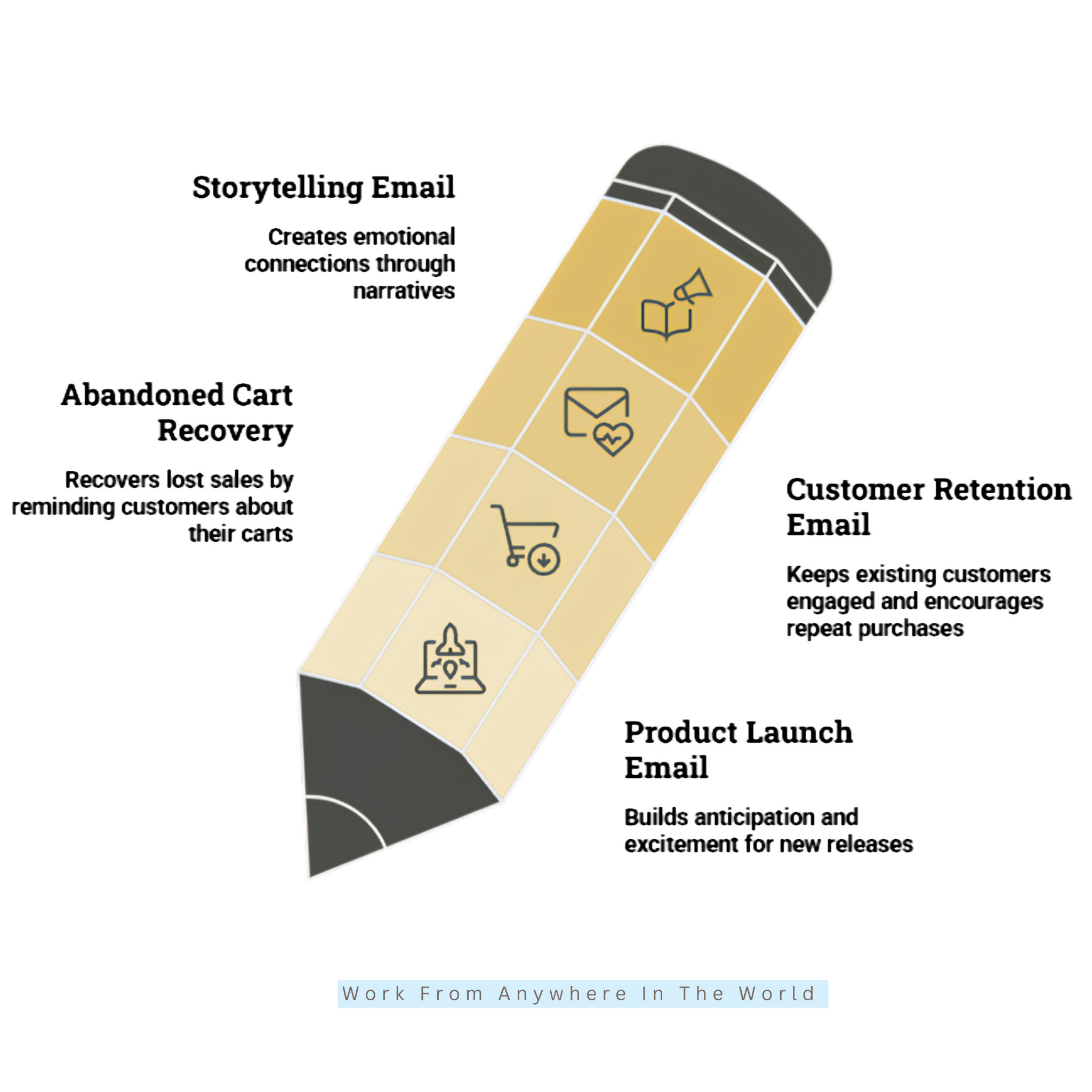
Strategy No. 11: Product Launch Email
A product launch email strategy introduces new products or services to subscribers while generating excitement before they become available.
They may include sneak peeks, feature highlights, early-access offers, or customer benefits that encourage subscribers to learn more. Brands may share sneak peeks, feature highlights, early-access offers, or customer benefits.
Successful launch campaigns use storytelling, engaging visuals, and personalized messaging to encourage subscriber interest. They also drive website traffic and support faster purchasing decisions.
When planned carefully, product launch emails create excitement around new releases while making subscribers feel included in the brand experience.
Pro Tips
- Build excitement before launch day.
- Highlight unique product benefits.
- Use countdowns to create urgency.
- Offer exclusive subscriber access.
Strategy No. 12: Abandoned Cart Recovery
An abandoned cart recovery strategy reconnects with customers who added products to their cart but didn’t complete the purchase. These reminder emails encourage shoppers to return before they lose interest.
Many recovery emails include product images, key benefits, customer reviews, or limited-time incentives. Personalized messages based on browsing behaviour can also encourage shoppers to complete their purchases.
Customers may leave without buying because of distractions, price concerns, or comparison shopping. A well-planned recovery sequence brings them back to checkout, boosts eCommerce sales, and creates a smooth and positive shopping experience.
Pro Tips
- Send reminder emails within a few hours.
- Show the products left in the cart.
- Offer small incentives when appropriate.
- Keep the checkout process simple and fast.
Strategy No. 13: Customer Retention Emails
A customer retention email strategy keeps existing customers engaged after their first purchase. Instead of focusing only on attracting new customers, these emails build long-term relationships by delivering consistent value.
They may include product tips, usage guides, loyalty rewards, exclusive updates, or personalized recommendations based on previous purchases.
A strong retention strategy encourages repeat purchases, strengthens customer loyalty, and keeps your brand relevant. It also reminds customers why they chose your business in the first place.
Pro Tips
- Reward loyal customers regularly.
- Share product usage tips.
- Personalize emails based on purchase history.
- Offer exclusive member-only benefits.
Strategy No. 14: Storytelling Emails
A storytelling email strategy uses real experiences, customer journeys, or brand stories to create stronger emotional connections with subscribers.
Instead of focusing only on products, these emails share meaningful stories that feel genuine and relatable. Stories may highlight how a product was developed, showcase customer success, or offer behind-the-scenes insights into your business.
A well-told story builds trust, strengthens your brand identity, and makes your emails more memorable. Readers who connect emotionally are also more likely to engage with future emails.
Pro Tips
- Share real customer success stories.
- Keep your tone natural and conversational.
- Focus on emotions, not just facts.
- End with a clear and meaningful message.
Frequently Asked Questions
Q1: What Is A Good Open Rate For Email Marketing?
Open rates vary by industry, but many businesses aim for 20% to 30%. Higher open rates usually indicate that your subject lines and content are working well.
Review your email performance regularly. Small improvements can increase engagement and encourage more subscribers to open your emails.
Q2: Should I Worry About Unsubscribes?
A small number of unsubscribes is a normal part of email marketing. Focus on providing valuable content instead of worrying about list size.
An engaged email list is usually more valuable than a large list of inactive subscribers. Quality matters more than quantity. Regularly removing inactive contacts can also improve your overall email performance.
Q3: Can I Monetize My Email List?
Yes. Many businesses and content creators earn income through affiliate marketing, digital products, sponsored content, or paid newsletters.
You can also drive subscribers to your website, courses, or services. The best approach depends on your audience and business goals.
Q4: How Often Should I Send Marketing Emails?
The best sending schedule depends on your audience and the type of content you share. Many businesses send emails weekly or twice a month.
Choose a consistent schedule that provides value without overwhelming subscribers. Monitor engagement and adjust your frequency when needed.
Q5: Why Is Email Personalization Important?
Personalized emails feel more relevant because they match subscriber interests and preferences. This often improves open rates, clicks, and customer engagement.
Simple changes, such as using a subscriber’s name or recommending relevant content, can make your emails more effective. Relevant messages also strengthen customer relationships and encourage long-term loyalty.
Q6: What Is The Biggest Mistake In Email Marketing?
One of the biggest mistakes is sending too many promotional emails without providing value. Subscribers are more likely to stay engaged when your content is useful and relevant.
A balanced email strategy combines educational content, promotions, and relationship-building emails. This approach encourages long-term subscriber loyalty.
Conclusion
Email marketing content strategies play an important role in building lasting relationships with your audience. Instead of sending random messages, a well-planned approach creates valuable, personalized, and engaging communication.
From audience segmentation and automation to storytelling and seasonal campaigns, each strategy contributes to stronger customer engagement. Consistently delivering relevant content also encourages subscribers to stay connected with your brand.
Businesses that focus on relevance, consistency, and user experience are more likely to improve engagement and increase conversions. Building trust through valuable email content also strengthens long-term customer loyalty.
With the right email marketing content strategies, every campaign becomes an opportunity to connect with your audience and support long-term business growth.
I trust you enjoyed this article on Email Marketing Content Strategies: 14 Proven Techniques. Please stay tuned for more insightful blogs on affiliate marketing, online business, and working from anywhere in the world.
Take care!
— JeannetteZ 🌍✨
💬 Your Opinion Is Important To Me
Do you have thoughts, ideas, or questions? I’d love to hear from you. Please leave your comments below or email me directly at Jeannette@WorkFromAnywhereInTheWorld.com.
📚 More Work From Anywhere Reads
🚀 Ready to Build a Business You Can Run from Home
Or from Anywhere in the World?
Imagine creating income on your terms — from home, a cozy café, or wherever life takes you.
With the right tools, training, and community support, it’s entirely possible.
Start your own online business for free — no credit card needed.
Disclosure
This post may contain affiliate links. As an Amazon Associate and participant in other affiliate programs, I earn from qualifying purchases at no extra cost to you. Please read my full affiliate disclosure.