
How To Earn A Living Online And Build A Sustainable Income
Learning how to earn a living online can open the door to greater flexibility, financial independence, and career freedom. Digital platforms provide numerous opportunities to build an income from virtually anywhere.
With the right skills, mindset, and consistent effort, you can gradually develop a sustainable online income. Whether you want a side hustle or a full-time career, there are many opportunities worth exploring.
To help you get started with confidence, this article examines realistic online income opportunities, practical advice, and proven strategies. It also explains how to choose the right income stream and avoid common beginner mistakes.
What Does It Mean To Earn A Living Online?
Earning a living online means generating enough income through internet-based work or businesses to cover your everyday expenses and achieve your financial goals.
Unlike traditional office-based jobs that require commuting, many online opportunities give you the flexibility to choose where and often when you work.
Online income can come from freelancing, remote employment, digital products, affiliate marketing, content creation, consulting, or running an online business. Some opportunities pay hourly, while others can generate relatively passive income over time.
One of the biggest advantages of online work is accessibility. Many online careers emphasize practical skills more than formal education, making them suitable for beginners willing to learn.
Although success rarely happens overnight, steady effort and continuous improvement can help transform online work into a dependable and rewarding source of income.
10 Proven Ways To Earn A Living Online
There are numerous ways to earn a living online, depending on your skills, interests, experience, and financial goals. Some opportunities provide active income, while others offer the potential to build recurring or relatively passive income.
The following ten methods can help you explore realistic opportunities and choose an online career or business that suits your lifestyle and long-term goals.
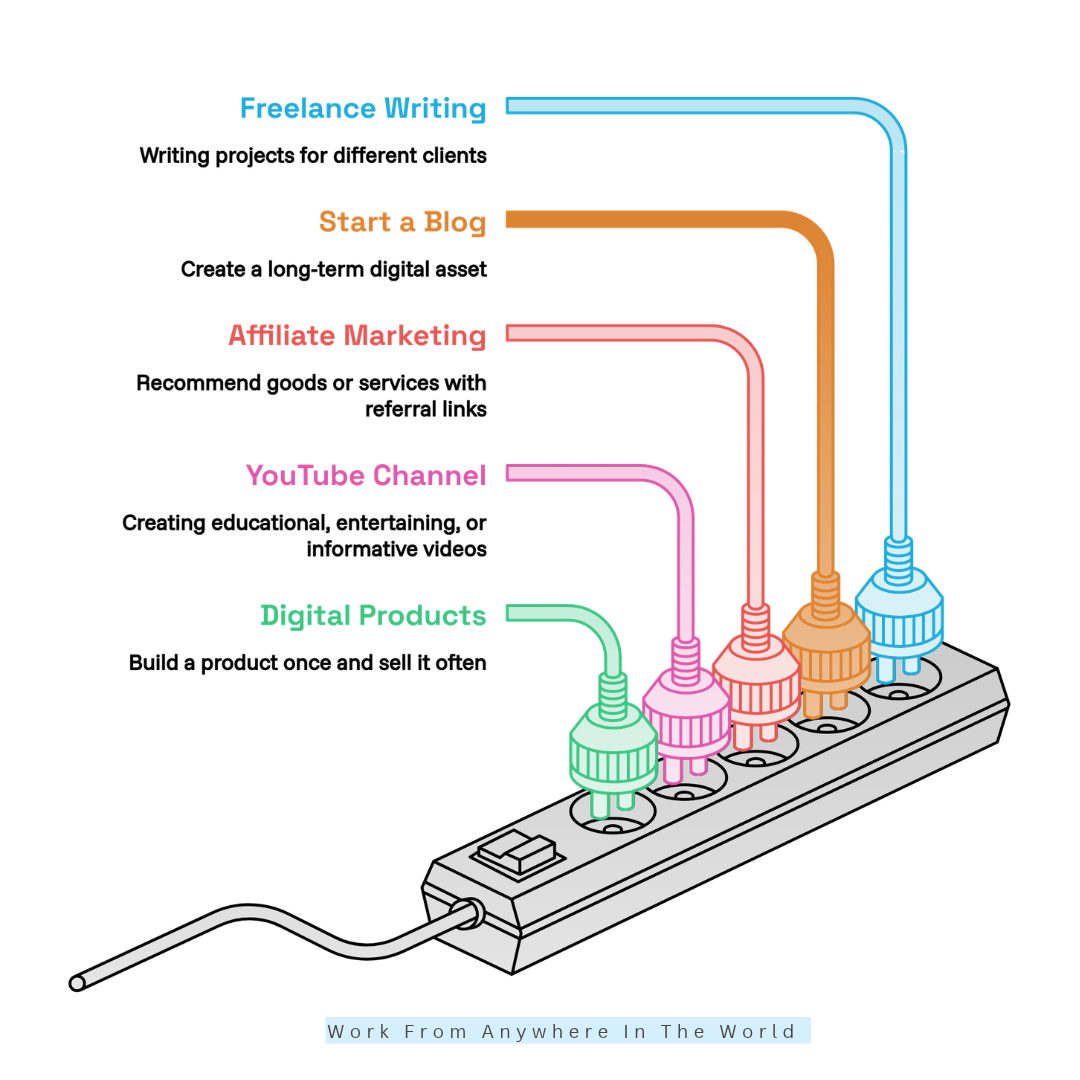
1. Freelance Writing
Companies constantly need blog posts, website copy, product descriptions, and email content. Learning how to make money from freelance writing is therefore one of the more accessible ways to start earning online.
Instead of working for a single employer, you complete writing projects for different clients. You can receive payment per assignment, on an hourly basis, or through ongoing contracts.
Getting started usually requires very little investment beyond a computer, an internet connection, and a small portfolio showcasing your writing skills.
Many beginners compare Upwork vs Fiverr or use LinkedIn for lead generation to secure their first writing assignments. Learning how to find clients online can help you secure better-paying direct contracts.
As your experience grows, you can specialize in profitable niches such as finance, software as a service (SaaS), or healthcare. Developing specialized expertise can increase your earning potential and provide long-term career growth opportunities.
2. Start A Blog
Starting a blog is one of the most rewarding ways to earn income online because it lets you build a long-term digital asset. It also gives you the freedom to share your knowledge and expertise.
Learning how to write a blog and make money helps you understand different monetization methods. These include display ads, affiliate marketing, sponsored posts, and digital products.
The process begins by choosing a profitable niche, registering a domain name, and choosing a reliable web hosting provider. Understanding how to choose keywords for blog posts also helps you publish helpful, SEO-optimized content.
Although blogging takes time to generate meaningful income, it offers excellent scalability. Learning how to drive traffic to a website can help you attract readers, while older articles may continue bringing visitors for years.
Tools like WordPress, Google Search Console, and Google Analytics help bloggers manage their websites and monitor performance. SEO plugins such as Rank Math help optimize content and improve search visibility over time.
3. Affiliate Marketing
Learning how to make money with affiliate marketing allows you to earn commissions by recommending products or services through special referral links.
When someone makes a qualifying purchase through your link, the company pays you a commission. You do not need to manage inventory, shipping, or customer support.
Many beginners start by exploring the best niches in affiliate marketing before creating a blog, YouTube channel, or social media profile focused on a particular subject.
You can then explore the best affiliate networks to boost your earnings, including Awin and impact.com. Other opportunities include Amazon Associates and CJ Affiliate.
Startup costs remain relatively low because you mainly need a website or content platform. Learning how to promote affiliate links effectively and transparently can help you attract potential customers.
As your audience grows, understanding the role of SEO in affiliate marketing can help improve your content’s visibility. Affiliate commissions can become a recurring income source with consistent promotion and regular content updates.
4. Create A YouTube Channel
Building a YouTube channel can become a profitable online career for people who enjoy creating educational, entertaining, or informative videos. It also allows you to reach a global audience and share your expertise.
Exploring the best ways to make money with YouTube can help you identify suitable income streams. These include advertising revenue, affiliate marketing, brand sponsorships, memberships, and digital product sales.
Start by selecting a niche and exploring relevant YouTube content ideas for beginners. Consistently producing high-quality videos and optimizing titles and thumbnails can help you attract an engaged audience.
Although meeting YouTube’s advertising monetization requirements takes time, learning how to monetize a YouTube channel can help you build multiple income streams beyond advertising.
Getting started requires little more than a smartphone or camera, basic editing software, and internet access. Choosing the best video editing software for your skill level can help improve content quality.
Tools like YouTube Studio help you monitor channel performance, while learning how to use Canva simplifies thumbnail creation. Implementing effective YouTube channel growth strategies can help you expand your audience over time.
5. Sell Digital Products
Selling digital products is an excellent way to build scalable online income because you can create a product once and sell it repeatedly. Unlike physical products, digital goods do not require inventory or shipping.
Popular types of digital products to sell include eBooks, printable planners, templates, online tools, spreadsheets, stock photos, and design resources.
The process involves identifying a problem people want solved and learning how to create digital products that sell. You can then list your products on marketplaces like Gumroad, Etsy, or your own website.
Learning how to write an eBook is an excellent way to turn your knowledge into a marketable product. Exploring the best sites to sell eBooks can help you reach a wider audience.
You can also explore the best-selling digital products on Etsy for inspiration. Promote your products through SEO, email marketing, and social media to attract potential customers.
Startup costs remain relatively low since most digital products can be created using software you already own. As your product library grows, your earning potential can increase while daily management remains relatively manageable.
6. Teach Online Courses
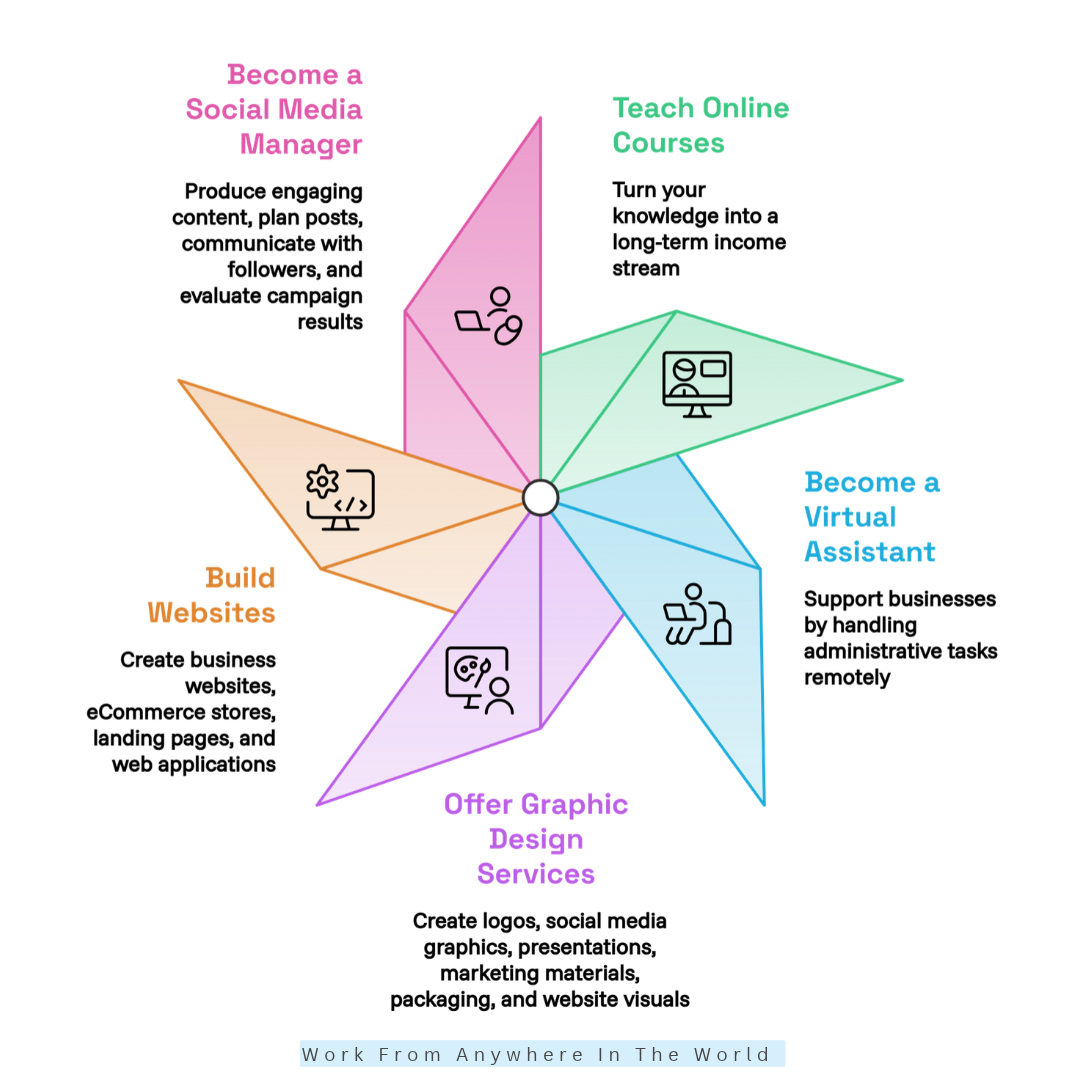
Creating online courses allows you to turn your knowledge into a long-term income stream by teaching skills that people actively want to learn.
Whether you specialize in graphic design, programming, photography, marketing, or language learning, students worldwide are willing to pay for valuable, practical lessons.
Learning how to create an online course that sells begins with choosing a relevant topic, organizing lessons into easy-to-follow modules, and recording engaging video content.
Exploring the best online teaching platforms can help you choose a suitable platform for publishing your courses. Popular options include Udemy, Teachable, and Thinkific.
While producing a quality course requires time and planning, learning how to sell an online course effectively can help you continue generating revenue long after its initial launch.
Basic recording equipment, presentation software, and a clear teaching style are often enough to get started. Regular course updates and student feedback can help you build a sustainable online education business.
7. Become A Virtual Assistant
Virtual assistants support businesses by handling administrative tasks remotely, making this one of the more beginner-friendly online careers. Responsibilities vary depending on the client’s needs and the assistant’s expertise.
Common tasks include managing emails, scheduling meetings, organizing files, responding to customer inquiries, updating websites, and coordinating social media content.
Most virtual assistants begin by identifying their strongest abilities and developing essential work-from-home skills. They can then create profiles on freelance marketplaces such as Upwork or Fiverr and apply for entry-level projects.
Learning how to find clients online can help virtual assistants secure assignments and build long-term professional relationships. Providing reliable services and maintaining effective communication can also encourage client referrals.
Startup costs remain minimal because only a reliable computer, an internet connection, and suitable freelancer productivity tools are typically required.
As experience grows, many virtual assistants specialize in premium services such as project management, email marketing, or website management. Developing specialized expertise can enable them to charge higher rates or negotiate monthly retainers.
8. Offer Graphic Design Services
Graphic design provides excellent earning opportunities for creative professionals who enjoy solving visual communication problems. Businesses regularly hire designers to create logos, social media graphics, presentations, marketing materials, packaging, and website visuals.
Getting started usually involves building a professional portfolio and learning industry-standard software such as Adobe Illustrator or Photoshop. Beginners can also explore free graphic design software to build their skills without a significant upfront investment.
You can offer your graphic design services through freelance platforms or your own professional website. Learning how to set freelance rates can help you establish competitive pricing while building your experience.
Skilled designers with strong portfolios can secure recurring clients and premium projects. Specializing in areas such as branding, packaging, or website design can further increase your earning potential.
With businesses continually needing visual content across digital platforms, graphic design can become a sustainable online service business. Continuous learning and keeping up with design trends can help you remain competitive.
9. Build Websites
Because companies of all sizes require professional websites, web development can be a lucrative online career. Developers create business websites, eCommerce stores, landing pages, and web applications using coding languages or website builders.
The journey usually starts with learning HTML, CSS, and JavaScript or working with platforms like WordPress. Creating sample projects that demonstrate your abilities can help you build a professional portfolio.
You can also learn how to create a landing page in Wix or explore easy ways to build a landing page for free to develop your practical skills.
Freelancers commonly find their first clients through Upwork, LinkedIn, or personal referrals before transitioning into larger contracts. Building a strong portfolio and establishing a professional reputation can help attract recurring clients.
Although learning web development requires dedication, startup expenses remain relatively low, consisting mainly of a computer, an internet connection, and learning resources.
As your technical expertise grows, income opportunities often expand considerably. Specializing in eCommerce development, website customization, or ongoing website maintenance can further increase your earning potential.
10. Become A Social Media Manager
Social media managers help brands expand their online presence by producing engaging content, scheduling posts, communicating with followers, and evaluating campaign results.
This career suits people who understand digital trends and enjoy creating content that builds communities. Understanding social media marketing essentials can help you develop the necessary skills.
Most professionals begin by managing their own accounts or helping small businesses. As their experience grows, they can attract larger clients through referrals, professional networking, and freelance platforms.
Popular tools like Buffer, Later, Canva, Meta Business Suite, and analytics platforms make content management more efficient. Effective social media engagement strategies can strengthen audience relationships and improve campaign performance.
Startup costs remain relatively low, while recurring monthly contracts can provide a steady income stream. Experienced social media managers often expand into advertising, strategy consulting, and brand management services.
Developing a successful social media strategy for eCommerce can also help you specialize in supporting online retailers and attract higher-paying clients.
How To Choose The Right Online Income Stream
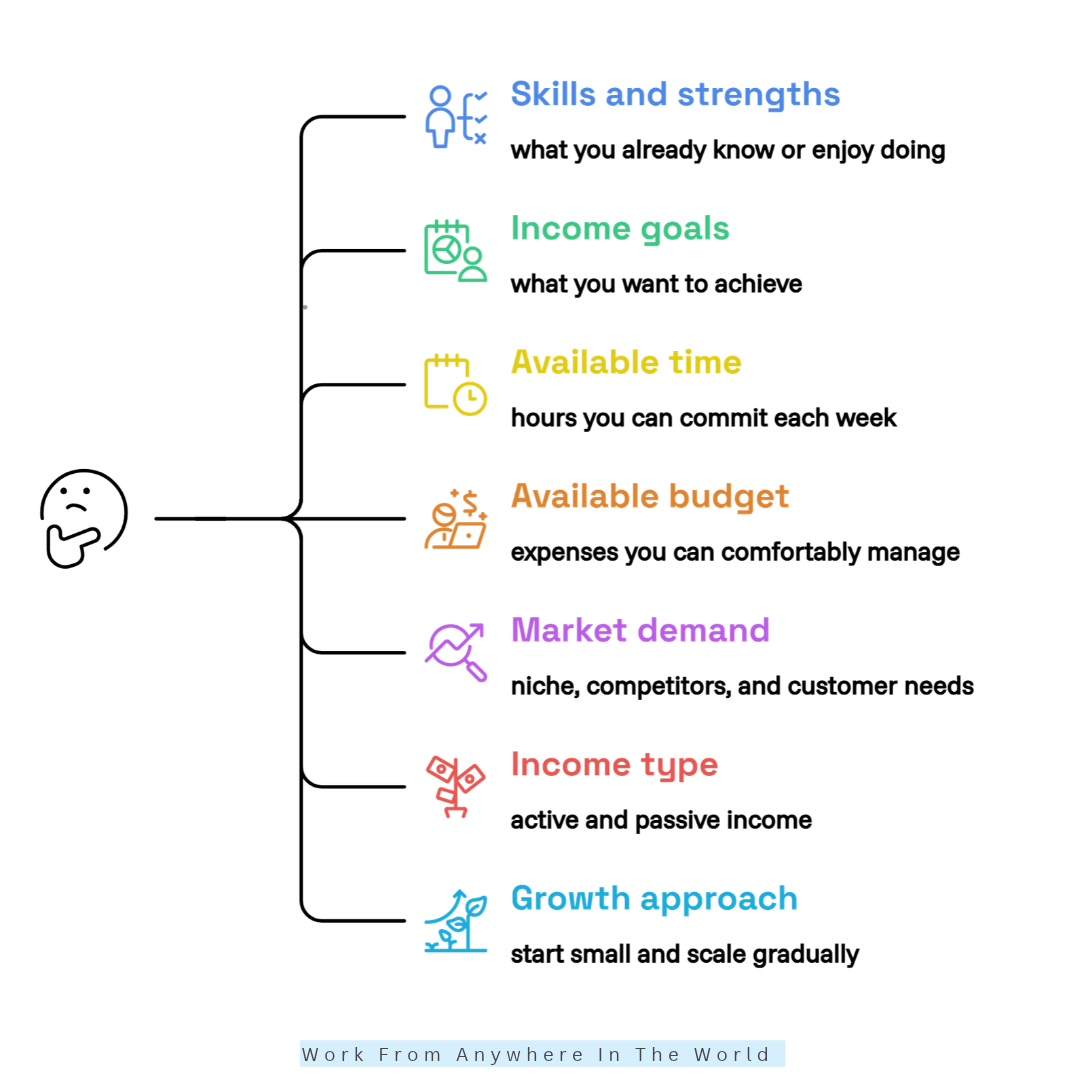
Choosing the right online income stream depends on your skills, interests, available time, financial resources, and long-term goals. What works well for one person may not necessarily suit another.
Before committing to an online career or business, consider the following factors to make an informed decision and build a sustainable income.
1. Identify Your Skills And Strengths
The best online income stream often starts with what you already know or enjoy doing. Writers may succeed in freelance writing or blogging, while creative individuals can explore graphic design, video editing, or print-on-demand businesses.
If you have technical skills, web development, SEO, or digital marketing may offer excellent opportunities. Learning how to find a business idea that aligns with your strengths can help you identify suitable options.
Choosing a career path that plays to your strengths can improve your results, shorten your learning curve, and help you stay motivated as your online career grows.
2. Define Your Income Goals
Think about what you want to achieve before choosing an online business or career. If your goal is earning extra money alongside a full-time job, exploring the best side hustles, such as freelancing or virtual assistance, may provide quicker returns.
If you’re building a long-term business with scalable income, blogging, YouTube, affiliate marketing, or selling digital products may be a better fit.
Having clear financial goals helps you select an opportunity that matches your expectations, financial needs, and preferred timeline.
3. Consider Your Available Time
Different online income streams require different levels of commitment. Service-based work, such as freelancing, allows you to start earning once you secure clients and complete paid assignments.
Content-based businesses often require consistent effort before generating significant income. Using SMART goals for time management can help you determine how many hours you can commit each week.
Choosing an opportunity that fits your schedule makes it easier to remain consistent without feeling overwhelmed, especially during the early growth phase.
4. Evaluate Your Budget
Many online careers require only a computer and a reliable internet connection, but some business models involve additional expenses. Blogging may require a domain name and web hosting, while dropshipping or eCommerce businesses often involve marketing costs.
Learning how to start a business without money can help you identify opportunities with minimal startup expenses.
Understanding your available budget helps you choose an opportunity you can comfortably manage while gradually investing more as your income increases.
5. Research Market Demand
Your online business has a greater chance of success when customers actively seek the products or services you provide. Spend time researching your niche, competitors, and customer needs before getting started.
Tools like Google Trends, keyword research platforms, and social media communities can reveal popular topics and growing industries.
Conducting a thorough target audience analysis helps you understand market demand and create solutions that attract customers and support sustainable income.
6. Decide Between Active And Passive Income
Some online careers pay for the hours you work, while others can continue generating income after the initial effort. Freelancing, consulting, and virtual assistance are examples of active income because payment depends on the services you provide.
Blogging, affiliate marketing, online courses, and digital products can generate relatively passive income over time. However, these income streams still require ongoing maintenance, promotion, and occasional updates.
Many successful entrepreneurs combine both approaches to create a balanced and diversified income portfolio.
7. Start Small And Scale Gradually
Instead of trying multiple online businesses at once, focus on mastering one income stream first. Building experience, improving your skills, and understanding your audience become much easier when your attention isn’t divided.
Once your first income source becomes stable, you can explore complementary online business ideas, such as digital products, affiliate marketing, or consulting. A steady, focused approach often leads to stronger long-term growth than trying to do too many projects at once.
Common Mistakes Beginners Make
Learning how to earn a living online involves more than choosing a profitable income stream. Recognizing common mistakes early can help you avoid unnecessary expenses, improve your progress, and build a stronger foundation for long-term success.
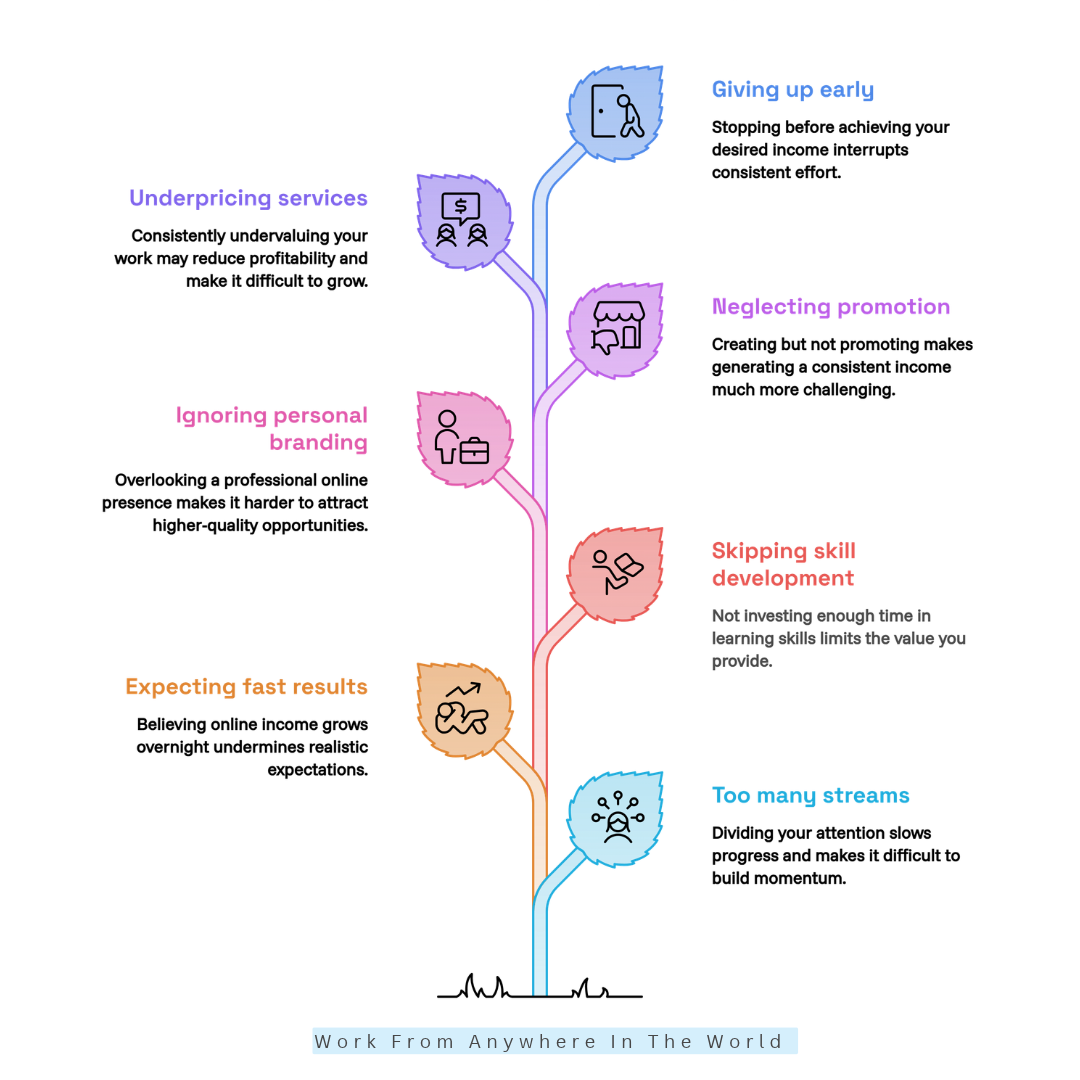
1. Trying Too Many Income Streams At Once
Many beginners get excited about the variety of online earning opportunities and attempt to start several businesses simultaneously. While exploring different ideas is natural, dividing your attention often slows progress and makes it difficult to build momentum.
Focusing on a single income stream allows you to develop valuable skills, understand your audience, and build a solid foundation before expanding into additional opportunities.
Once your first online venture becomes stable, adding complementary income sources becomes much more manageable and effective.
2. Expecting Fast Results
One of the most common misconceptions is believing that online income grows overnight. Although some freelancers secure clients quickly, businesses like blogging, YouTube, and affiliate marketing typically require consistent effort before producing meaningful returns.
Building trust, improving your content, and growing an audience all take time. Learning how to stay motivated for a long time can help you remain focused during this process.
Setting realistic expectations helps you measure progress more accurately and continue improving even when results arrive gradually.
3. Skipping Skill Development
Success online depends heavily on the value you provide. Many beginners focus only on earning money without investing enough time in learning new skills or improving existing ones.
Whether you’re writing, designing, teaching, or marketing, continuous learning helps you deliver better results and remain competitive.
Exploring popular online learning platforms, practising regularly, and following industry trends can significantly improve your confidence, expertise, and long-term earning potential.
4. Ignoring Personal Branding
Your personal brand helps potential clients and customers understand who you are and why they should trust your work. Many beginners overlook the importance of maintaining a professional online presence.
Exploring successful examples of personal branding can help you develop a professional portfolio, website, or well-optimized social media profiles.
Sharing valuable content, showcasing completed projects, and highlighting genuine testimonials can strengthen your credibility and make it easier to attract higher-quality opportunities over time.
5. Neglecting Marketing And Promotion
Creating an excellent product or service is only part of the process. If people cannot discover your work, generating a consistent income becomes much more challenging.
Many beginners spend all their time creating but very little time promoting their content or services. Implementing effective SEO strategies for organic traffic can help improve your online visibility.
Learning how to get started with content marketing, email marketing, and social media promotion helps attract new customers and build a sustainable online business.
6. Underpricing Their Services
New freelancers and business owners often charge extremely low prices to attract clients quickly. While competitive pricing can help build experience, consistently undervaluing your work may reduce profitability and make it difficult to grow.
As your portfolio, skills, and client results improve, gradually adjust your rates to reflect your expertise. Charging appropriate rates creates a healthier, more sustainable business and can help attract clients who value quality.
7. Giving Up Too Early
Building an online career is a long-term journey that involves learning, experimenting, and improving along the way. Many beginners stop after a few weeks or months because they haven’t yet achieved their desired income.
In reality, consistent effort and informed adjustments often yield better results than repeatedly chasing new opportunities.
Exploring practical small business success secrets, tracking your progress, and refining your strategies over time can make a significant difference in achieving lasting online success.
Frequently Asked Questions
Q1: Can I Earn A Full-Time Income Online?
Yes. Many people earn full-time incomes through blogging, freelancing, eCommerce, affiliate marketing, remote jobs, and digital products.
The key is to choose a sustainable income model that aligns with your skills and interests. Consistently improving your expertise and adapting to market demand can increase your earning potential.
Q2: How Much Money Can Beginners Make Online?
Online income varies depending on your skills, niche, experience, and time commitment. Beginners often start with modest earnings while developing their expertise and professional reputation.
As you gain experience and attract more clients or customers, your earning potential may increase. However, there is no guaranteed income level for beginners.
Q3: Do I Need Technical Skills To Work Online?
Not necessarily. Many online careers focus on communication, organization, creativity, customer service, or teaching rather than advanced technical knowledge.
Technical skills can increase your opportunities and earning potential, but many can be learned gradually. Online courses and regular practice can help you develop the necessary expertise.
Q4: Is Earning A Living Online Legitimate?
Yes. Millions of professionals work online through reputable freelance platforms, remote companies, personal websites, digital marketplaces, and established online businesses.
However, researching opportunities carefully is essential to avoid scams. Be cautious of unrealistic income promises, suspicious upfront fees, and businesses that lack transparency.
Q5: How Long Does It Take To Build A Stable Online Income?
The timeline depends on your chosen career path, experience, market demand, and level of consistency. Some freelancers secure paying clients within weeks of getting started.
Businesses like blogging, YouTube, and affiliate marketing may take several months or longer to generate meaningful income. Building a stable income requires patience, continuous learning, and consistent effort.
Q6: Can I Earn Online While Working A Full-Time Job?
Absolutely. Many people start freelancing, blogging, affiliate marketing, or selling digital products as side projects while maintaining their full-time employment.
This approach allows you to develop your skills and build an additional income stream while maintaining financial stability. You can gradually transition to full-time online work once your income becomes sufficiently reliable.
Conclusion
Understanding how to earn a living online is less about finding shortcuts and more about developing valuable skills, gaining experience, and staying consistent. Many successful online entrepreneurs started with limited resources but a willingness to learn and adapt.
Whether you decide to freelance, launch an online business, or create digital content, consistent effort can help you make steady progress. Focus on one opportunity, improve your expertise, and let each milestone move you closer to building a sustainable online income.
I trust you enjoyed this guide on How to Earn a Living Online and Build a Sustainable Income. Please stay tuned for more insightful blogs on affiliate marketing, online business, and working from anywhere in the world.
Take care!
— JeannetteZ 🌍✨
💬 Your Opinion Is Important To Me
Do you have thoughts, ideas, or questions? I’d love to hear from you. Please leave your comments below or email me directly at Jeannette@WorkFromAnywhereInTheWorld.com.
📚 More Work From Anywhere Reads
🚀 Ready to Build a Business You Can Run from Home
Or from Anywhere in the World?
Imagine earning income on your terms — from home, a cozy café, or wherever life takes you.
With the right tools, training, and community support, it’s entirely possible.
Start your own online business for free — no credit card needed.
Disclosure
This post may contain affiliate links. As an Amazon Associate and participant in other affiliate programs, I earn from qualifying purchases at no extra cost to you. Please read my full affiliate disclosure.