How To Get Started With Content Marketing: 14 Easy Steps
Get started with content marketing by focusing on useful information that helps your audience. You do not need a large agency, expensive tools, or years of marketing experience.
If you understand your product, service, or topic, you already have knowledge worth sharing. The goal is to present that information in a clear and engaging way.
Successful content marketing is not about creating perfect corporate messages. It is about being helpful, consistent, trustworthy, and willing to show some personality.
In this guide, you will learn the practical steps needed to plan, create, and improve your content. Each step will help you build a strategy that supports your audience and business goals.
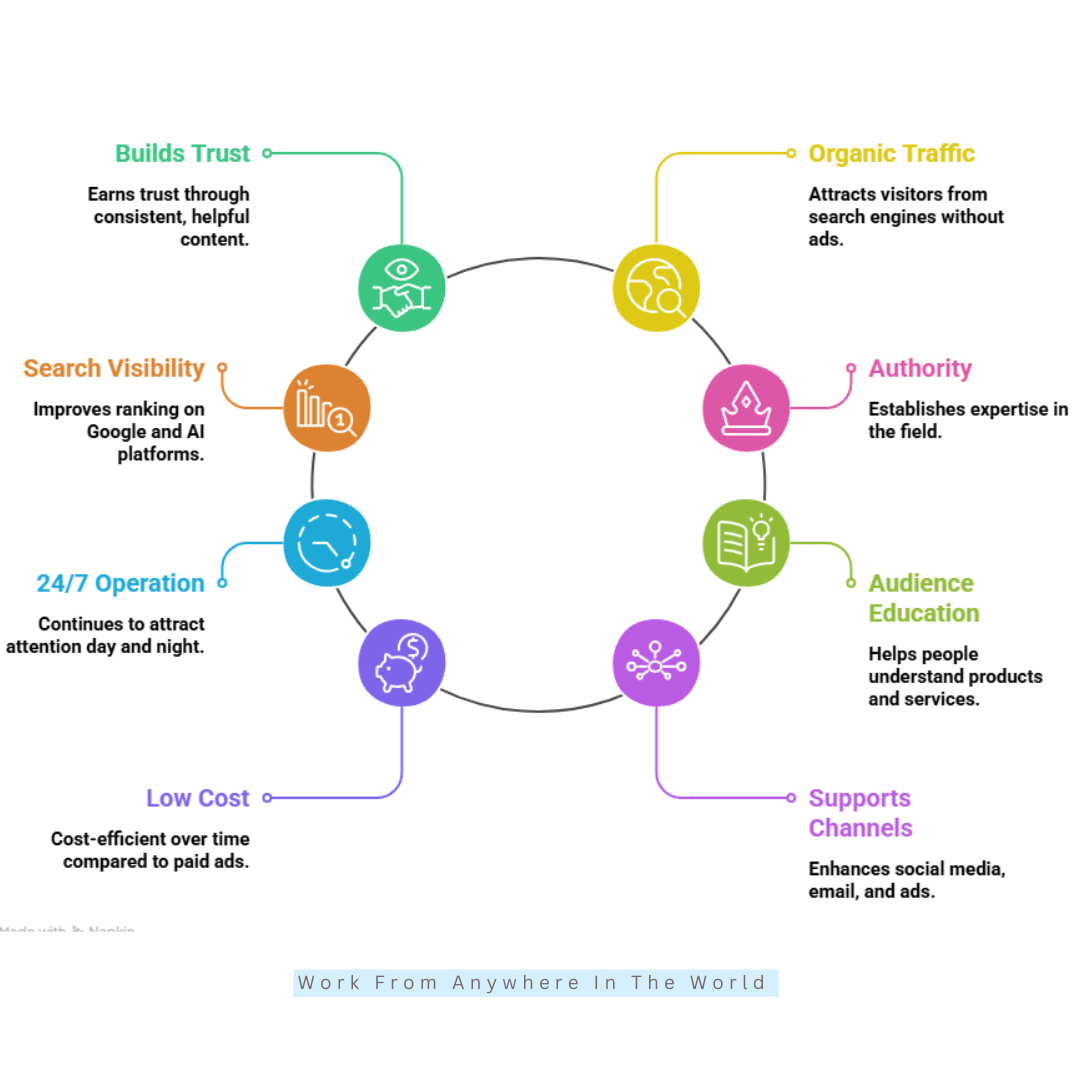
Benefits Of Content Marketing For Business Growth
Content marketing is one of the most effective ways to attract new customers and build lasting relationships. Instead of relying only on advertising, it helps people discover your business through valuable information.
Whether you publish blog posts, videos, podcasts, or social media content, each piece contributes to your online presence. Over time, consistent content can strengthen your brand and increase your visibility.
The greatest advantage of content marketing is that it continues working long after you publish it. High-quality content can attract visitors, generate leads, and build trust for months or even years.
Let’s explore some of the most important benefits of content marketing and why it plays such a valuable role in long-term business growth.
1. Builds Trust
Content marketing helps you build trust by consistently sharing helpful, accurate, and valuable information. Instead of focusing only on making sales, you give your audience answers, insights, and practical advice they can use.
Over time, people begin to see your business as a reliable source of information. When they are ready to buy a product or service, they are more likely to choose a brand they already know and trust.
2. Brings Free Organic Traffic
Content marketing helps attract organic traffic by making your content visible in search engine results. A well-written blog post, video, or guide can continue bringing visitors to your website without the ongoing cost of paid advertising.
Once your content is indexed, it can generate steady traffic for months or even years. As people search for information related to your business, your content helps them discover your website naturally.
3. Improves Search Visibility
Content marketing improves your visibility across search engines and AI-powered search experiences. When your content answers real questions clearly and provides useful information, it has a better chance of being discovered by people looking for those topics.
Clear structure, relevant keywords, and valuable content also help search systems understand your pages. This can increase your visibility and bring more visitors to your website over time.
4. Builds Authority
Publishing helpful and consistent content helps establish your authority within your industry. By answering common questions and solving real problems, you demonstrate your knowledge and experience in a way that benefits your audience.
Over time, people begin to recognize your business as a reliable source of information. This credibility helps you stand out from competitors and makes your recommendations more influential.
5. Works Around The Clock
Unlike traditional advertising, content marketing continues working after you publish it. Your blog posts, videos, and guides remain online, helping people discover your business whenever they search for relevant information.
As long as your content stays useful and up to date, it can continue attracting visitors and generating interest for months or even years. This allows your content to support your marketing efforts while you focus on other areas of your business.
6. Educates Your Audience
Content marketing helps your audience better understand your products, services, or areas of expertise. By providing clear and useful information, you answer questions, solve problems, and help people make informed decisions.
As your audience learns more about what you offer, they become more confident in your knowledge and recommendations. This builds trust and makes it easier for potential customers to take the next step when they are ready.
7. Low Long-Term Cost
Compared to many forms of paid advertising, content marketing can be a cost-effective long-term strategy. Once you create high-quality content, it can continue attracting visitors and supporting your business without requiring the same level of ongoing investment.
As your library of articles, videos, and other resources grows, each piece contributes to your overall marketing efforts. Updating your content occasionally helps keep it relevant and valuable for your audience.
8. Supports Other Marketing Channels
Content marketing strengthens your other marketing efforts by providing valuable content to share across multiple channels. Blog posts can be repurposed for social media, newsletters, videos, and other platforms, helping you reach a wider audience.
It also supports email marketing, social media campaigns, and paid advertising by giving people useful information before and after they visit your website. A strong content strategy helps keep all your marketing activities connected and consistent.
Steps To Get Started With Content Marketing
Getting started with content marketing may seem overwhelming at first, but the process becomes much easier when you break it down into manageable steps. A clear plan helps you stay focused and build momentum over time.
Successful content marketing is not about publishing as much content as possible. It is about creating valuable information that meets your audience’s needs and supports your business goals.
Each step builds on the previous one, helping you develop a strategy that attracts the right audience, improves your online visibility, and strengthens your brand. Consistency is far more important than trying to achieve everything at once.
Whether you’re starting a blog, promoting a business, or building a personal brand, these 14 easy steps will give you a solid foundation. Follow them one at a time, and you’ll be well on your way to creating content that delivers lasting results.
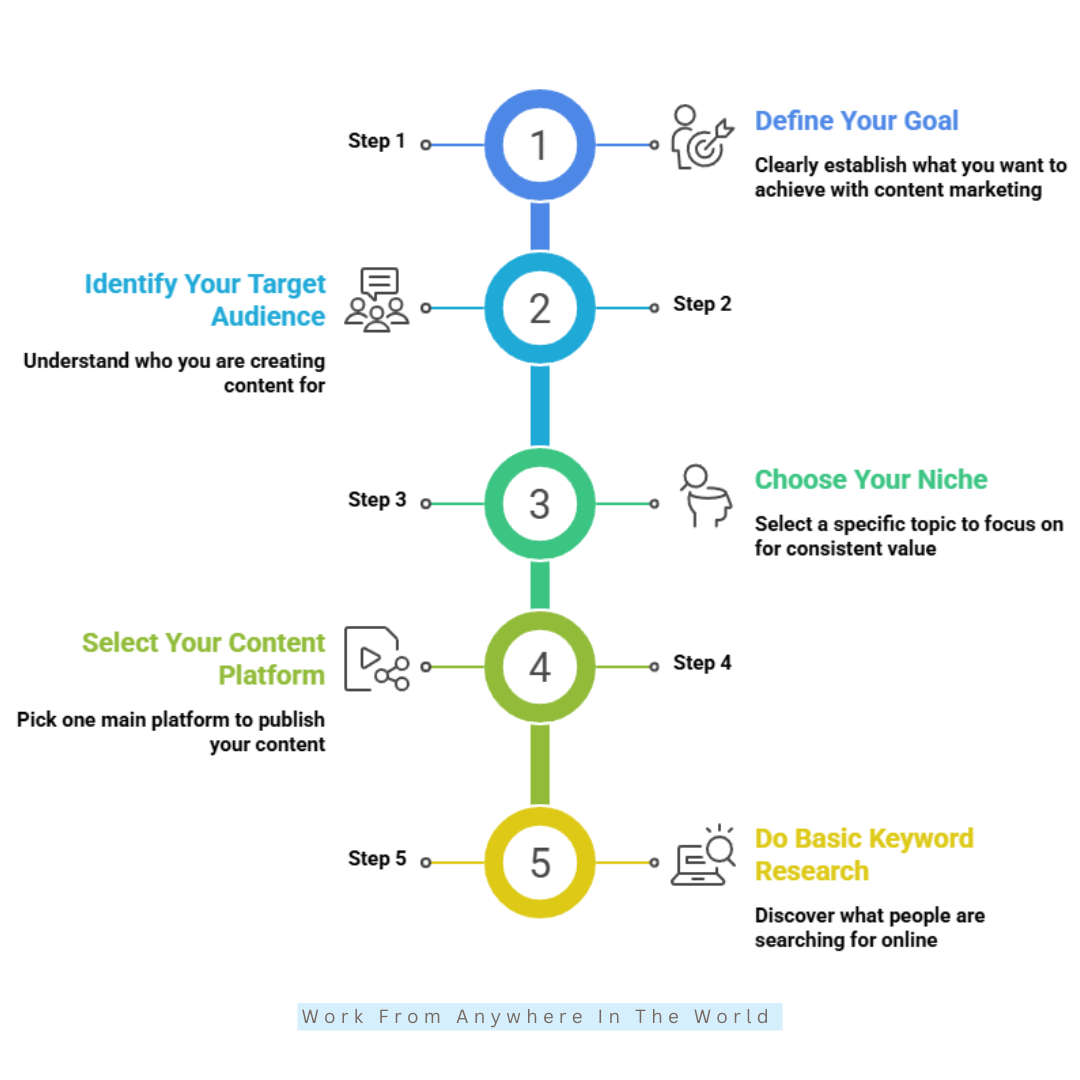
Step 1: Define Your Goal
Before you start creating content, take time to define your goal. Begin with a clear purpose for every piece of content you create. Your goal might be to increase website traffic, generate leads, build brand awareness, or grow sales.
Your goal might be to increase website traffic, generate leads, build brand awareness, or grow sales. Having a clear objective helps you create content that supports your business and reaches the right audience.
When you know what you’re working towards, your content becomes more focused and consistent. It also makes it easier to measure your progress and identify what is working well and where improvements can be made.
Key Points
- Define one clear marketing goal before creating content.
- Focus on a primary objective that supports your business.
- Keep your audience’s needs at the centre of your strategy.
- Review your goals regularly and adjust them as your business grows.
Step 2: Identify Your Target Audience
Understanding your target audience is one of the most important parts of content marketing. Before you create content, take time to learn who you want to reach and what information they are looking for.
Think about their age, interests, goals, challenges, and the questions they are asking online. The more you understand their needs, the easier it becomes to create content that is helpful and relevant.
When your content speaks directly to the right people, it builds trust and encourages engagement. Instead of trying to appeal to everyone, focus on providing value to the audience you want to serve.
Key Points
- Learn about your audience’s interests, goals, and challenges.
- Research the questions they are asking online.
- Create content that provides relevant and practical solutions.
- Refine your messaging as you learn more about your audience.
Step 3: Choose Your Niche
Choosing your niche means deciding on the main topic you want to focus on. A well-defined niche helps you create consistent, valuable content and makes it easier for people to understand what your website or business is about.
Select a topic that matches your knowledge, experience, or interests. Whether it’s digital marketing, fitness, gardening, or another area, focusing on a specific niche allows you to build expertise over time.
A clear niche also helps search engines understand your content and connect it with the right audience. When readers know what to expect, they are more likely to return for future content and see you as a trusted source of information.
Key Points
- Choose a niche that matches your knowledge and interests.
- Focus on providing consistent value within your chosen topic.
- Build your expertise by creating related content over time.
- Help readers and search engines understand what your content is about.
- Select a niche you can see yourself writing about for the long term.
Step 4: Select Your Content Platform
Once you have chosen your niche, the next step is deciding where to publish your content. Popular options include a blog, YouTube, LinkedIn, Instagram, TikTok, or an email newsletter.
Focus on one primary platform to begin with. This allows you to develop a consistent publishing routine and learn what works best for your audience before expanding to other channels.
Each platform has its own strengths and audience expectations. Blogs are ideal for in-depth articles, while social media and video platforms are better suited to visual and short-form content.
Choosing the platform that matches your skills and goals will help you create higher-quality content and build a stronger presence over time.
Key Points
- Choose the platform that best matches your goals and content style.
- Focus on one primary platform before expanding to others.
- Create content that suits the strengths of your chosen platform.
- Publish consistently to build trust and grow your audience.
- Expand to additional platforms when you have an established routine.
Step 5: Do Basic Keyword Research
Keyword research helps you understand what your audience is searching for online. Instead of guessing which topics to write about, use real search data to guide your content.
Start with simple tools such as Google Search, YouTube Search, or keyword research tools to discover popular topics and common questions. Look for keywords that are relevant to your niche and match what your audience wants to learn.
Choosing the right keywords helps you create content that meets search intent and can attract organic traffic. It also improves your visibility in search engines and AI-powered search experiences, helping more people discover your content over time.
Key Points
- Research keywords that are relevant to your niche.
- Focus on topics your audience is actively searching for.
- Choose keywords that match the user’s search intent.
- Start with achievable keywords before targeting more competitive terms.
- Use keyword research to guide your content planning.
Step 6: Create A Content Plan
A content plan helps you stay organized and publish consistently. Planning your topics in advance saves time, reduces stress, and makes it easier to maintain a regular publishing schedule.
Start by creating a list of content ideas based on your niche and keyword research. Then decide how often you want to publish, whether that’s once a week, twice a week, or another schedule that fits your goals and available time.
You can also include a variety of content formats, such as blog posts, videos, newsletters, or social media updates. Following a simple plan keeps your content focused and helps your audience know when to expect new information.
Key Points
- Plan your content topics in advance.
- Create a publishing schedule you can maintain consistently.
- Include different content formats to keep your audience engaged.
- Keep your content plan simple and easy to manage.
- Review and update your plan as your goals and audience evolve.
Step 7: Start Creating Content
Now it’s time to start creating content. Focus on sharing helpful information that answers your audience’s questions and provides practical value.
Use clear, simple language and write as though you are speaking directly to your reader. Short sentences and easy-to-follow explanations make your content more engaging and accessible.
The more content you create, the more your writing style and confidence will develop. Every article, video, or social media post is an opportunity to improve your skills and strengthen your connection with your audience.
Key Points
- Create content that provides value to your audience.
- Write in a clear, natural, and easy-to-understand style.
- Focus on solving problems and answering common questions.
- Publish consistently to build experience and confidence.
- Keep improving your content as your knowledge and skills grow.
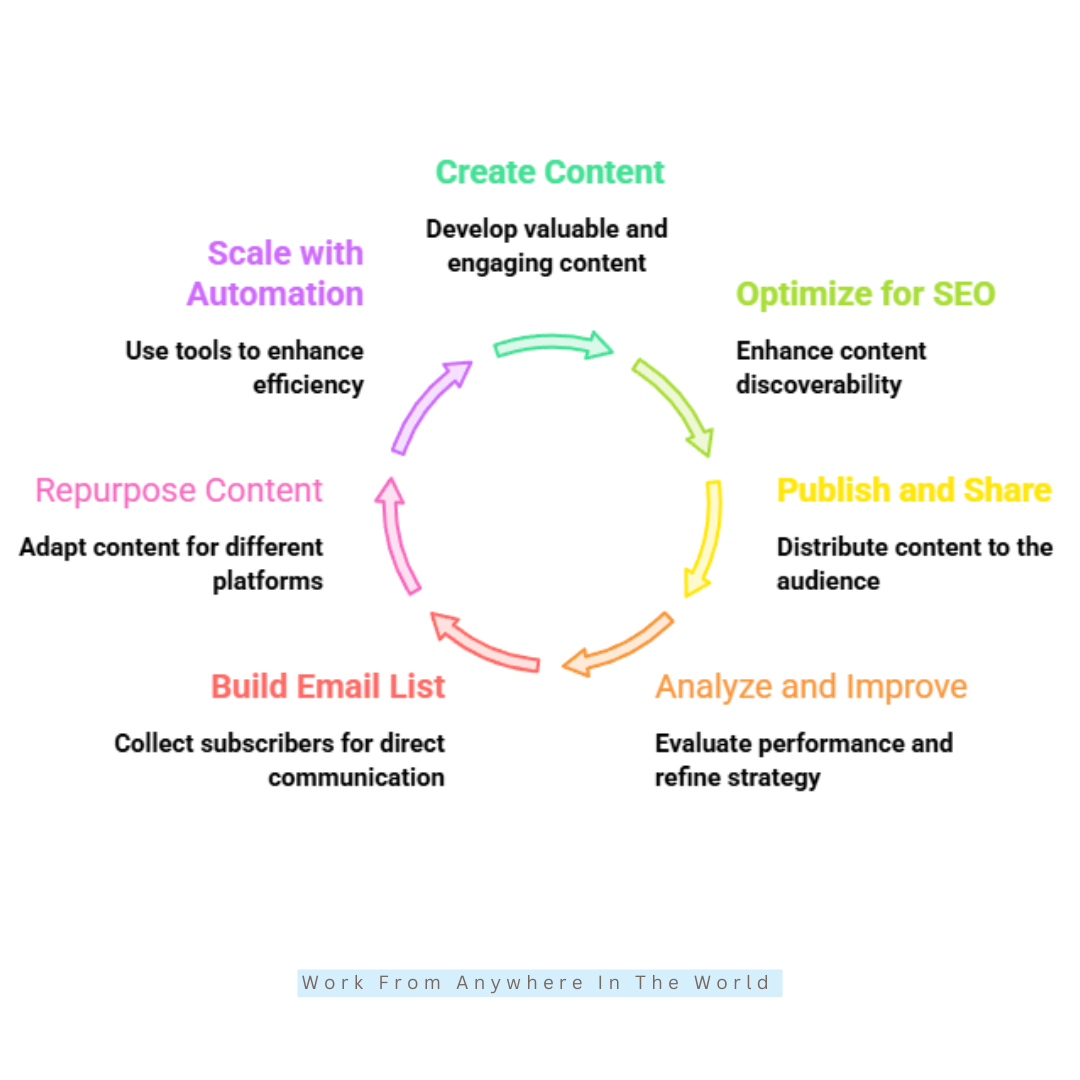
Step 8: Optimize For SEO
Search engine optimization (SEO) helps more people discover your content through search engines and AI-powered search experiences. The goal is to make your content easy to find, understand, and navigate.
Start by writing clear, descriptive titles that match what your audience is searching for. Organize your content with headings, use relevant keywords naturally, and keep your paragraphs short and easy to read.
SEO also includes creating a fast, mobile-friendly website and providing helpful, high-quality content that answers your audience’s questions.
When you focus on both user experience and search optimization, your content has a better chance of attracting consistent organic traffic over time.
Key Points
- Write clear titles that reflect your content.
- Use headings to organize your content and improve readability.
- Include relevant keywords naturally throughout your content.
- Create helpful, mobile-friendly content that provides value.
- Focus on user experience as well as search engine optimization.
Step 9: Publish And Share
Once your content is ready, publish it and start promoting it to the right audience. Creating valuable content is important, but people need to know it exists before they can benefit from it.
Share your content through the platforms where your audience spends time. This may include social media, email newsletters, online communities, or other relevant channels.
Always provide context so readers understand why your content is worth their time. Promoting your content consistently helps increase its reach, encourages engagement, and attracts more visitors over time.
The more effectively you distribute your content, the greater the opportunity to build your audience and grow your online presence.
Key Points
- Publish your content where your audience can find it.
- Share your content through relevant marketing channels.
- Provide helpful context when promoting your content.
- Focus on reaching the right audience rather than the largest audience.
- Promote your content consistently to increase its visibility.
Step 10: Engage With Your Audience
Publishing content is only the beginning. Building relationships with your audience is what turns occasional visitors into loyal readers, subscribers, or customers.
Take time to respond to comments, answer questions, and thank people for sharing your content. Listening to feedback also helps you understand what your audience enjoys and what topics they would like to learn more about.
Engaging with your audience builds trust and encourages meaningful conversations. Over time, these interactions can strengthen your reputation, increase loyalty, and inspire ideas for future content.
Key Points
- Respond to comments and questions whenever possible.
- Encourage meaningful conversations with your audience.
- Listen to feedback to improve your future content.
- Build lasting relationships through regular engagement.
- Use audience interactions to discover new content ideas.
Step 11: Analyze And Improve
Once your content has been published, take time to review how it is performing. Looking at your results helps you understand what resonates with your audience and where you can make improvements.
Pay attention to metrics such as page views, clicks, engagement, and comments. These insights reveal which topics, formats, and writing styles attract the most interest and encourage interaction.
Use what you learn to refine your future content. Making small improvements over time helps strengthen your content marketing strategy, leading to better results and long-term growth.
Key Points
- Review your content’s performance regularly.
- Monitor metrics such as views, clicks, and engagement.
- Identify the topics and formats that perform best.
- Use data to improve your future content.
- Make continuous improvements to strengthen your content marketing strategy.
Step 12: Build An Email List
Building an email list is one of the most effective ways to connect directly with your audience. It gives you the opportunity to share valuable content, promote your latest work, and build lasting relationships over time.
Encourage people to subscribe by offering something useful, such as a guide, checklist, template, or exclusive tips. Then send regular emails that educate, inform, or inspire, rather than focusing only on promotions.
Providing consistent value helps build trust and encourages subscribers to stay engaged. Over time, a well-managed email list can become an important part of your content marketing strategy and support the long-term growth of your business.
Key Points
- Offer valuable resources to encourage email sign-ups.
- Send helpful and relevant content to your subscribers.
- Build trust through consistent communication.
- Keep your emails informative, engaging, and easy to read.
- Grow your email list as a long-term marketing asset.
Step 13: Repurpose Content Across Platforms
Repurposing content allows you to get more value from the work you have already created. Instead of producing new content for every platform, you can adapt one piece of content into several different formats.
For example, a blog post can be transformed into a short video, social media post, email newsletter, infographic, or podcast episode. Adapting your content for different platforms helps you reach a wider audience while maintaining a consistent message.
People consume content in different ways. Some prefer reading, while others enjoy watching videos or listening to podcasts. Repurposing your content helps you connect with more people, increase your visibility, and make the most of the time and effort you invest in creating valuable content.
Key Points
- Adapt your content for different platforms and formats.
- Reach a wider audience by sharing content in multiple ways.
- Tailor your content to suit each platform and its audience.
- Maintain a consistent message across all marketing channels.
- Maximize the value of every piece of content you create.
Step 14: Scale With Automation And AI Tools
As your content marketing grows, the right tools can help you work more efficiently. Automation and AI tools can assist with tasks such as generating ideas, scheduling content, analyzing performance, and streamlining your workflow.
These tools are designed to support your work, not replace your knowledge or creativity. Your experience, expertise, and unique perspective are still what make your content valuable and engaging.
Using automation for repetitive tasks gives you more time to focus on planning, creating high-quality content, and building stronger relationships with your audience. When used wisely, these tools can help you stay consistent while supporting the long-term growth of your content marketing strategy.
Key Points
- Use automation to streamline repetitive tasks.
- Let AI tools support your workflow and content planning.
- Review and personalize AI-generated content before publishing.
- Focus on creating original, high-quality content.
- Choose tools that improve your efficiency without replacing your unique voice.
Content Marketing Tools You Can Use
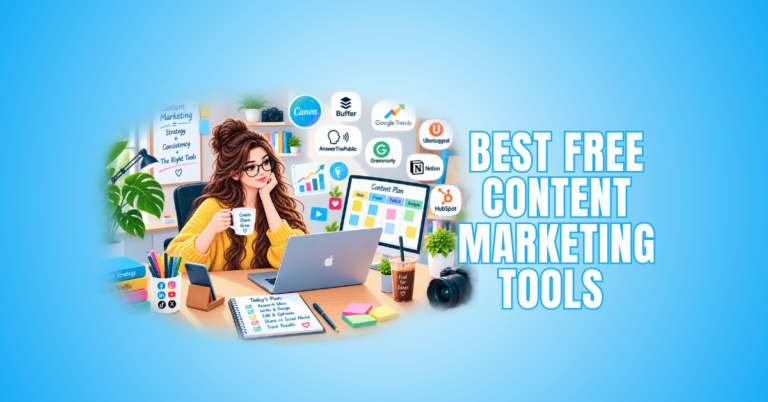
The right tools can make content marketing easier, more organized, and more effective. Whether you’re planning content, creating graphics, improving SEO, or tracking performance, there are tools available to support every stage of the process.
You don’t need to use every tool on the market. Start with the ones that match your goals, budget, and workflow. As your experience grows, you can gradually add more tools that help you save time and improve your results.
Many content creators combine several tools to streamline their daily tasks. The key is choosing reliable solutions that help you create high-quality content while staying productive and consistent.
Below are some of the best content marketing tools to help you plan, create, optimize, promote, and grow your content marketing strategy.
1. Google Trends
Google Trends is a free tool that shows what people are searching for online in real time. You can compare search terms, identify seasonal trends, and discover topics that are growing in popularity.
Using Google Trends helps you plan content around subjects that already have audience interest. By understanding search trends, you can create more relevant content and identify new opportunities within your niche.
2. AnswerThePublic
AnswerThePublic helps you discover the questions people are asking online about a specific topic. It generates content ideas, frequently asked questions, and long-tail keywords based on real search queries.
The platform offers a limited free version as well as paid plans. It is a useful tool for understanding search intent and creating content that answers your audience’s questions in a clear and helpful way.
3. Ubersuggest
Ubersuggest is an SEO tool developed by Neil Patel that helps with keyword research, content ideas, and competitor analysis. It provides insights into search volume, keyword difficulty, and estimated traffic to help you make informed content decisions.
The platform offers both free and paid plans, making it suitable for beginners and experienced marketers alike. It is particularly useful for finding low-competition keywords that can improve your search visibility and attract more organic traffic over time.
4. Ahrefs
Ahrefs is a comprehensive SEO tool that helps with keyword research, backlink analysis, competitor research, and content planning. It provides detailed insights into search traffic, keyword rankings, and content opportunities to help improve your SEO strategy.
Ahrefs is a premium tool with paid plans and limited free features. It is widely used by SEO professionals and content marketers who want to improve their search rankings and identify new opportunities for organic growth.
7. Wealthy Affiliate
Wealthy Affiliate is an all-in-one platform that combines website hosting, keyword research, training, and business-building tools in one place.
It is designed to help beginners and experienced marketers learn content marketing while building and growing their own websites.
Instead of relying on multiple tools, Wealthy Affiliate provides a structured approach to creating content, improving SEO, and developing a long-term online business.
Its step-by-step training and supportive community make it a practical choice for anyone looking to build a sustainable content marketing strategy.

Frequently Asked Questions
Q1: What Is Content Marketing?
Content marketing is the process of creating and sharing valuable content to attract, engage, and retain a target audience. The goal is to build trust, increase brand awareness, and encourage people to take action over time.
Q2: How Long Does It Take To See Results From Content Marketing?
Content marketing is a long-term strategy, so results don’t happen overnight. Depending on your niche, competition, and consistency, it may take several months before you see significant growth in traffic and engagement.
Q3: Is Content Marketing Suitable For Small Businesses?
Yes. Content marketing is an effective way for small businesses to build their online presence, attract potential customers, and compete with larger brands without relying solely on paid advertising.
Q4: What Types Of Content Work Best For Content Marketing?
Popular content formats include blog posts, videos, email newsletters, social media posts, infographics, podcasts, and downloadable resources. The best choice depends on your audience and where they prefer to consume content.
Q5: How Often Should I Publish New Content?
Publish content on a schedule you can maintain consistently. Whether you post once a week or several times a month, providing valuable content regularly is more important than publishing frequently.
Q6: Can I Use AI Tools For Content Marketing?
Yes. AI tools can help with research, brainstorming, content planning, and improving productivity. However, your content should always be reviewed, edited, and personalized to ensure it reflects your expertise and provides genuine value.
Conclusion
Content marketing is one of the most effective ways to grow your online presence. It builds trust, attracts organic traffic, and creates long-term value for your business and brand.
Success comes from setting clear goals, understanding your audience, and publishing helpful content consistently. Over time, these small, consistent efforts can produce lasting results.
You don’t have to be perfect to get started. Focus on creating valuable content, continue learning, and improve your strategy as you gain experience.
With patience and consistency, your content can become a valuable asset that attracts visitors, engages your audience, and supports the long-term growth of your online business.
I trust you enjoyed this article on How To Get Started With Content Marketing: 14 Easy Steps. Please stay tuned for more insightful blogs on affiliate marketing, online business, and working from anywhere in the world.
Take care!
— JeannetteZ 🌍✨
💬 Your Opinion Is Important To Me
Do you have thoughts, ideas, or questions? I’d love to hear from you. Please leave your comments below or email me directly at Jeannette@WorkFromAnywhereInTheWorld.com.
📚 More Work From Anywhere Reads
🚀 Ready to Build a Business You Can Run from Home
Or from Anywhere in the World?
Imagine creating income on your terms — from home, a cozy café, or wherever life takes you.
With the right tools, training, and community support, it’s entirely possible.
Start your own online business for free — no credit card needed.
Disclosure
This post may contain affiliate links. As an Amazon Associate and participant in other affiliate programs, I earn from qualifying purchases at no extra cost to you. Please read my full affiliate disclosure.