

How to Make Money From Freelance Writing
How to make money from freelance writing is a question many beginners ask when looking for flexible ways to earn income online. Freelance writing can offer opportunities to work independently, build valuable skills, and earn money from a variety of writing projects.
Getting started does not always require a degree or a large investment. Many freelance writers begin with basic skills, practice consistently, and gradually build experience over time.
In this guide, you’ll learn how to make money from freelance writing, including practical ways to get started, build experience, and explore opportunities for long-term growth.
What Is Freelance Writing?
Freelance writing involves creating content for different clients rather than working full-time for a single company. Instead of working for a single employer, freelance writers typically work independently and may be paid per article, per word, per hour, or per project, depending on the type of work and the agreement.
Freelance writers create many types of content for businesses, websites, agencies, and online brands. Common projects may include:
- Blog posts
- Website content
- Product descriptions
- Social media captions
- Email newsletters
- Marketing or SEO content
One of the main advantages of freelance writing is flexibility. Many writers choose their own working hours, decide how much work to take on, and select the types of clients or projects they prefer.
At the same time, freelance writing also requires organization and consistency. Writers often manage deadlines, communicate with clients, research topics, and continue improving their skills over time.
While building a freelance writing career may take patience, many people appreciate the flexibility and opportunities it can offer.
Step-By-Step Guide To Starting And Growing As A Freelance Writer
Step 1: Choose Your Writing Niche
Choosing a writing niche can help freelance writers build expertise, improve their writing skills, and attract more relevant clients over time.
While it may feel tempting to write about everything in the beginning, focusing on a specific area often makes it easier to develop confidence and create stronger portfolio pieces.
A niche simply refers to the type of topics or industries you choose to write about. Many writers begin with subjects they already enjoy, understand, or want to learn more about.
Popular freelance writing niches include:
- Technology
- Health and fitness
- Finance
- Digital marketing
- Lifestyle
- Education
If you are unsure where to begin, consider starting with topics that match your interests or existing knowledge. Over time, experience and practice may help you refine your focus, and many freelance writers adjust or expand their niches as their careers develop.
Tip
Getting started often matters more than choosing the “perfect” niche. Building experience through regular writing may help clarify what types of projects and topics feel like the best fit over time.
Step 2: Build Basic Writing Skills
Strong writing skills can help freelance writers communicate ideas clearly and professionally. While advanced grammar or complicated vocabulary is not always necessary, clarity, structure, and readability often matter most.
Many successful writers focus on making content easy to understand by using straightforward language and organized ideas. Clear writing may also help readers stay engaged and better understand the message.
Helpful areas to focus on include:
- Short, clear sentences
- Simple and natural wording
- Well-organized ideas
- Active voice where appropriate
- Clear structure and formatting
Breaking longer ideas into shorter paragraphs may also improve readability, especially for online content. Reading blogs, articles, and other well-written content regularly may help strengthen writing style and structure over time.
Practice
Even short, consistent writing sessions may help improve confidence and writing ability over time. Regular practice can gradually make writing feel smoother, clearer, and more natural.
Step 3: Create Writing Samples
Writing samples can help potential clients understand your style, skills, and the type of work you can offer. Even without client experience, creating sample content may help build confidence and strengthen a portfolio.
Many beginner freelance writers start by creating their own examples to showcase different writing styles and formats.
You might begin by creating:
- 3 sample blog posts
- 1 product description
- 1 set of social media captions
- 1 email newsletter sample
- 1 simple website homepage example
Choosing topics related to your niche or interests may also help make portfolio pieces feel more relevant and focused.
When creating samples, it may help to focus on clear structure, readability, and natural writing rather than perfection. Over time, practicing different formats may help strengthen both confidence and writing ability.
Some writers choose to share samples on platforms such as:
- Medium
- A personal blog or website
Publishing examples may help create a more professional online presence and make it easier to showcase your work over time.
Step 4: Learn Basic SEO Writing
Learning basic SEO writing may help freelance writers expand their skills and explore more opportunities. SEO (search engine optimization) focuses on creating content that is helpful for readers while also improving visibility in search engines.
Many businesses look for writers who understand SEO because stronger search visibility may help websites attract more traffic and readers.
When getting started, it may help to focus on the basics rather than advanced techniques.
Key SEO Basics
- Using keywords naturally
- Writing helpful, reader-focused content
- Adding clear headings and subheadings
- Keeping paragraphs short and easy to read
- Using simple formatting such as bullet points and spacing
It may also help to avoid overusing keywords, as content generally reads better when written naturally for readers first. Over time, learning SEO may help strengthen your skills and make your services more valuable to potential clients.
Step 5: Find Your First Clients
Finding clients is often one of the biggest questions beginner freelance writers have. While opportunities may take time to build, consistent effort and practice can help create momentum over time.
Many beginner writers start by exploring:
- Facebook groups
- Freelance platforms
Popular freelance websites include Upwork, Fiverr, and Freelancer, which often provide beginner-friendly opportunities to gain experience and build confidence.
When applying for projects, shorter and clearer proposals may often feel more professional and easier for clients to read.
Example Proposal
“Hello, I’m a freelance writer with an interest in creating clear and engaging content. I would be happy to discuss how I may be able to support your content needs.”
Building a freelance writing career often takes patience, learning, and consistent effort. Over time, experience and practice may help create more opportunities.
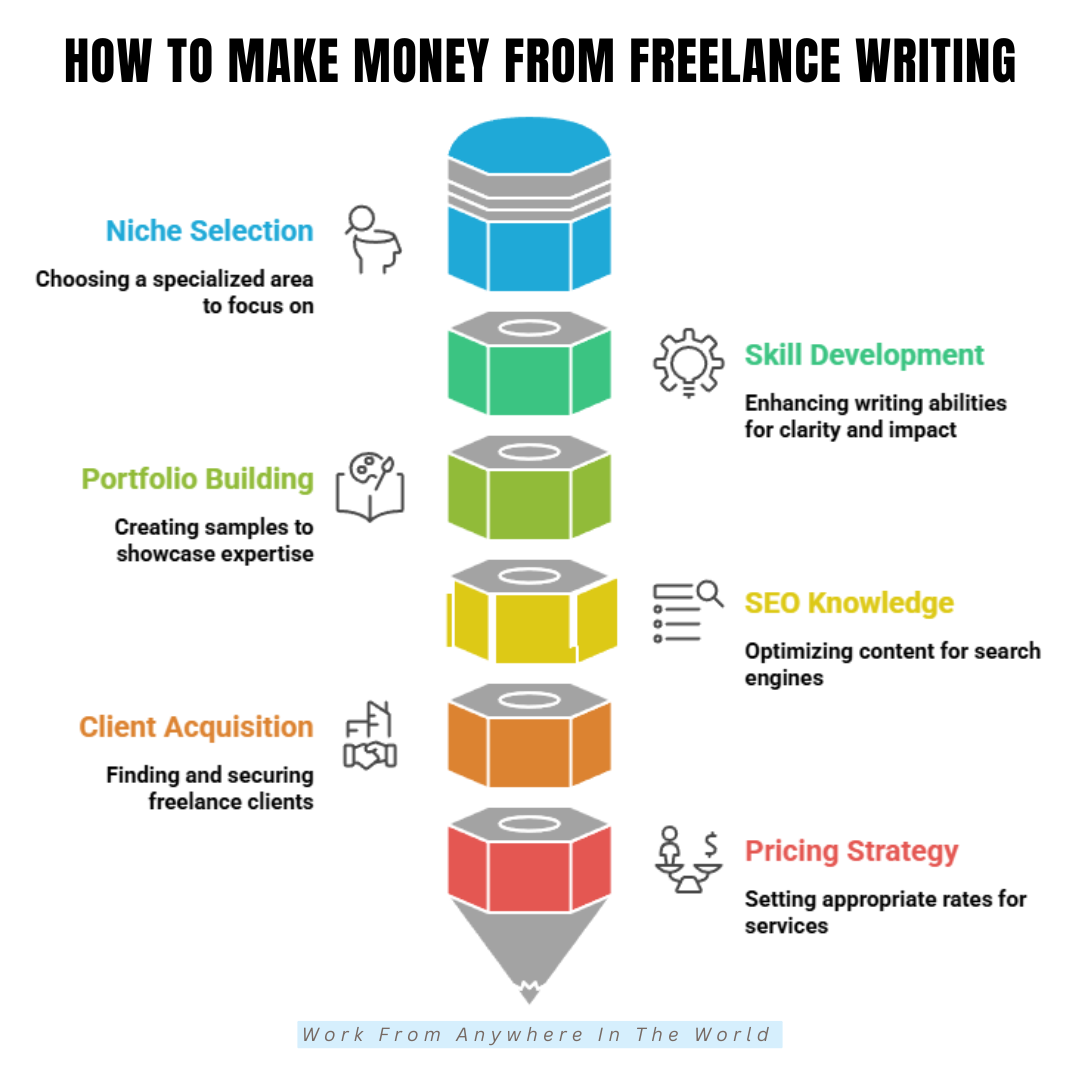
Step 6: Set Your Pricing Fairly
Setting prices as a beginner freelance writer can sometimes feel confusing. Many writers spend time experimenting to find rates that feel realistic for their skill level, experience, and niche.
In the beginning, some freelance writers choose to start with entry-level pricing while building confidence, gaining experience, and creating a portfolio. Over time, pricing may naturally change as writing speed, expertise, and client relationships improve.
When setting rates, it may help to consider:
- The type of writing project
- Time required for research and writing
- Your level of experience
- Market rates within your niche
- The value you provide to clients
Many beginner writers gradually adjust pricing as they:
- Build stronger writing skills
- Improve speed and confidence
- Gain testimonials or repeat clients
- Develop expertise in a specific niche
While gaining experience can be helpful, many writers also find it important to avoid consistently accepting projects that feel unsustainable or undervalued over time.
The goal is often to build a freelance writing business that feels both manageable and financially sustainable as skills continue to grow.
Step 7: Deliver Quality Work
Finding clients is important, but delivering reliable and professional work may help create stronger long-term opportunities. Many freelance writers find that positive client experiences can lead to repeat projects, referrals, and more consistent work over time.
Building trust often involves combining clear communication, reliable deadlines, and quality writing. Consistency may also help strengthen professional relationships and create a more positive working experience for both writers and clients.
Helpful habits may include:
- Meeting agreed deadlines
- Following client instructions carefully
- Writing clear and easy-to-read content
- Reviewing and proofreading work before submission
- Communicating professionally throughout the project
Many clients value writers who are not only skilled but also reliable, responsive, and easy to work with. Over time, positive working relationships may help create more opportunities and support long-term freelance growth.
Step 8: Build Long-Term Client Relationships
For many freelance writers, ongoing client relationships may help create a more stable and predictable workflow over time. While one-time projects can help build experience, repeat clients may sometimes lead to more consistent opportunities and stronger professional relationships.
As experience grows, some writers explore ways to continue working with existing clients through ongoing content needs or recurring projects.
Helpful ways to strengthen client relationships may include:
- Offering ongoing writing support when appropriate
- Suggesting monthly content or retainer options
- Maintaining clear and professional communication
- Delivering consistent quality and reliable work
- Responding in a timely and professional manner
Building trust often happens gradually through consistency and positive working experiences. Over time, strong client relationships may help create repeat opportunities and a more sustainable freelance writing business.
Step 9: Expand Your Writing Services
As freelance writing skills develop, some writers choose to explore additional types of content and services. Expanding skills gradually may help create more variety in projects and open opportunities to work with different clients.
Rather than focusing on too many new skills at once, many writers find it helpful to build confidence in one area before exploring another.
Some writing services freelance writers may choose to add include:
- SEO content writing
- Copywriting
- Email marketing content
- Website content writing
- Blog writing
Taking a gradual approach may help learning feel more manageable. Some writers prefer to practice a new skill, build confidence, and create sample work before offering additional services to clients.
Over time, expanding skills may help strengthen a portfolio, broaden experience, and create more flexibility in the types of projects available.
Step 10: Use Social Media To Build Visibility
Social media may offer freelance writers another way to share their work, connect with others, and gradually build a professional online presence. While not every writer uses social media in the same way, some find it helpful for showcasing skills and staying visible within their niche.
Rather than focusing only on finding jobs, social media can also be used to share experience, writing samples, and industry interests over time.
Platforms some writers choose to use include:
- X (formerly Twitter)
You might share content such as:
- Writing tips or short insights
- Blog posts or writing samples
- Helpful resources related to writing
- Project highlights or professional updates
Consistency may matter more than posting frequently. Even occasional, well-written posts may help strengthen visibility and create a more professional online presence over time.
For some freelance writers, social media becomes one way to connect with opportunities, build relationships, and showcase their skills more consistently.
Ways To Make Money As A Freelance Writer
1. Blog Writing
Blog writing is one of the most common ways freelance writers earn money online. Businesses, websites, and brands often hire writers to create articles that help attract readers, answer questions, and improve search visibility.
Writers may be paid per article, per word, or per project, depending on the client, niche, and level of experience. Topics often include:
- How-to guides
- List articles (listicles)
- Informational blog posts
- Product or service-related content
Many businesses regularly publish blog content, which may create ongoing opportunities for freelance writers. Over time, improving writing skills, understanding SEO, and developing expertise in a niche may help writers explore higher-paying projects and longer-term client relationships.
2. Copywriting
Copywriting involves creating persuasive content that encourages readers to take action, such as making a purchase, signing up for a service, or clicking a link. Businesses often hire copywriters to help communicate the value of their products or services more effectively.
Common copywriting projects may include:
- Sales pages
- Advertisements
- Landing pages
- Product descriptions
- Email marketing campaigns
Unlike general content writing, copywriting often focuses on persuasion and conversions, helping businesses guide potential customers toward a specific action.
Some freelance writers choose to specialize in copywriting because it combines writing with marketing and customer psychology. Over time, developing stronger writing, marketing, and communication skills may help create opportunities to work on a wider range of projects and with a broader range of clients.
3. SEO Content Writing
SEO content writing focuses on creating content that helps websites improve visibility in search engines such as Google. Writers often create articles designed to answer questions, provide helpful information, and support long-term website traffic.
SEO writers may use strategies such as:
- Natural keyword placement
- Clear headings and structure
- Helpful, reader-focused content
- Short, readable paragraphs
- Search-friendly formatting
Businesses often invest in SEO content because well-structured articles may help attract visitors over time without relying entirely on paid advertising.
Many freelance writers begin with blog writing and gradually build SEO skills through practice and experience. Over time, learning areas such as keyword research, search intent, and content structure may help expand opportunities within freelance writing.
4. Social Media Content Writing
Social media content writing involves creating short-form content for brands, businesses, or creators across different social platforms. This type of writing often includes captions, posts, threads, and promotional content designed to engage audiences and encourage interaction.
Common projects may include content for:
- X (formerly Twitter)
Since many businesses post regularly on social media, some hire freelance writers to help plan and create consistent content.
Writers in this area may create:
- Social media captions
- Short promotional posts
- Content calendars or post ideas
- Campaign messaging
Understanding audience interests, communication styles, and platform trends may help strengthen social media writing skills over time. Some freelance writers gradually expand into broader content planning or social media support as they gain experience.
Wealthy Affiliate – Mini Review
If you’ve ever thought about turning your blog, passion, or niche into an online business,
Wealthy Affiliate (WA) is one of the most beginner-friendly platforms I’ve used.
It combines step-by-step training, website hosting, AI-powered tools,
keyword research, and an active community all in one place.
What I like most is that you can start free (no credit card needed), explore the platform,
test the tools, and connect with other entrepreneurs before upgrading.
WA isn’t a “get rich quick” scheme — success comes from consistent effort
and applying what you learn over time.
5. Email Newsletter Writing
Email newsletter writing involves creating content that helps businesses communicate with subscribers, share updates, and maintain customer relationships.
Many businesses use email marketing to stay connected with their audience and share information about products, services, promotions, or company updates.
Freelance writers in this area may create:
- Promotional emails
- Email newsletters
- Product or service updates
- Welcome email sequences
- Automated email campaigns
Since many businesses send emails regularly, some choose to work with freelance writers to help create clear, engaging, and well-structured content.
Writers who develop skills in communication, audience understanding, and email structure may gradually explore more advanced email projects over time, including recurring campaigns and longer-term client work.
6. Ghostwriting
Ghostwriting involves creating content that is published under someone else’s name. Businesses, entrepreneurs, influencers, and professionals sometimes hire freelance writers to create content while remaining behind the scenes.
Ghostwriting projects may include:
- Blog posts
- Articles
- Books or eBooks
- LinkedIn posts
- Website content
- Email newsletters
Since ghostwriters often write in another person’s style or voice, understanding tone, communication style, and audience can become an important part of the process.
Some freelance writers choose ghostwriting because it may offer a variety of writing projects and opportunities to work with long-term clients.
Over time, developing strong research, communication, and adaptability skills may help writers explore more advanced ghostwriting opportunities.
7. Technical Writing
Technical writing involves creating clear and accurate content for specialized industries such as technology, finance, healthcare, or software.
The goal is often to explain detailed or complex information in a way that is easier for readers, customers, or users to understand.
Technical writing projects may include:
- User guides or manuals
- Product documentation
- Technical blog posts
- Software instructions
- Industry reports or educational content
Because technical writing often involves industry-specific knowledge, some writers choose to focus on one niche and gradually build expertise over time.
Writers in this area often develop skills in research, accuracy, and the ability to simplify complex information. As knowledge and experience grow, some freelance writers explore more specialized projects within industries they enjoy or understand well.
8. Website Content Writing
Website content writing involves creating the main written content that appears on business websites. Companies often hire freelance writers to help explain their services, communicate their brand message, and make information easier for visitors to understand.
Common website content projects may include:
- Homepage content
- About pages
- Service pages
- Landing pages
- Frequently asked questions (FAQs)
Good website content often focuses on clarity, structure, and user experience, helping visitors better understand what a business offers and where to find information.
Some freelance writers choose to specialize in website content because it combines clear communication, branding, and customer-focused writing. Over time, building experience in website structure and messaging may help writers explore a wider range of website-related projects.

FAQs
1. Can Beginners Really Make Money From Freelance Writing?
Yes, beginners may be able to earn money through freelance writing over time. Many writers start with smaller projects, create writing samples, and gradually build experience and confidence.
As writing skills improve and client relationships grow, some freelance writers explore more opportunities and different types of projects.
2. How Long Does It Take To Start Earning?
The timeline can vary depending on factors such as writing skills, niche, experience, and the level of active promotion. Some writers may find opportunities relatively quickly, while others may take more time to build confidence and experience.
Consistent practice, creating strong samples, and applying for opportunities may help support progress over time.
3. Do I Need Perfect English To Start?
No, perfect English is not always required to begin freelance writing. In many cases, clear communication, readability, and well-structured content matter more than perfection.
Simple, natural writing that is easy to understand often works well for online content, and writing skills may continue to improve through regular practice.
4. Where Can I Find Freelance Writing Jobs?
Freelance writing opportunities may be found through platforms and professional networks such as:
Some freelance writers also build opportunities by sharing their work online, networking, and creating a professional portfolio over time.
Conclusion
Freelance writing can offer a flexible way to build skills, gain experience, and explore opportunities to earn income online. While progress may take time, many writers begin by practicing regularly, building a portfolio, and gradually improving their skills through real projects.
Developing strong writing habits, understanding client needs, and creating clear, helpful content may help support long-term growth over time. As experience builds, some freelance writers choose to expand into different writing styles or specialized areas.
Whether freelance writing becomes a side income or a long-term career, taking a steady and professional approach may help create more opportunities along the way.
I trust you enjoyed this article on How to Make Money From Freelance Writing. Please stay tuned for more insightful blogs on affiliate marketing, online business, and working from anywhere in the world.
Take care!
— JeannetteZ 🌍✨
💬 Your Opinion Is Important To Me
Do you have thoughts, ideas, or questions? I’d love to hear from you. Please leave your comments below or email me directly at Jeannette@WorkFromAnywhereInTheWorld.com.
📚 More Work From Anywhere Reads
🚀 Ready to Build a Business You Can Run from Home
Or from Anywhere in the World?
Imagine creating income on your terms — from home, a cozy café, or wherever life takes you.
With the right tools, training, and community support, it’s entirely possible.
Start your own online business for free — no credit card needed.
Disclosure
This post may contain affiliate links. As an Amazon Associate and participant in other affiliate programs, I earn from qualifying purchases at no extra cost to you. Please read my full affiliate disclosure.