
12 Best Freelance Job Websites
Finding the best freelance job websites can feel overwhelming, especially with so many platforms claiming to help freelancers succeed. Some websites offer genuine opportunities, while others feel overcrowded, confusing, or difficult for beginners to navigate.
Whether you’re looking for writing, design, marketing, virtual assistant, or remote freelance work, choosing the right platform can make a big difference.
In this guide to the best freelance job websites, we’ll explore popular platforms, what they offer, and the types of freelance jobs you can realistically expect to find.
Instead of hype or unrealistic promises, this article focuses on practical insights to help you choose a platform that fits your skills, goals, and preferred way of working.
Top 12 Freelance Job Websites
1. Upwork — The “Serious Work” Platform
One of the world’s largest freelance marketplaces, Upwork connects independent contractors and companies for both temporary jobs and long-term agreements.
It supports categories like web development, writing, design, marketing, customer support, and virtual assistance. It operates on a proposal-based system where freelancers bid on jobs using “Connects” (virtual credits).
Upwork charges a flat 10% service fee on freelancer earnings, meaning you keep 90% of what you earn from each project. It includes time-tracking tools, milestone payments, secure escrow, and client ratings.
The platform strongly prioritizes profile quality, experience, and niche specialization.
Best For
- Long-term freelance contracts with businesses
- Skilled professionals building a stable income
- Writers and marketers seeking consistent clients
- Developers aiming for high-value projects
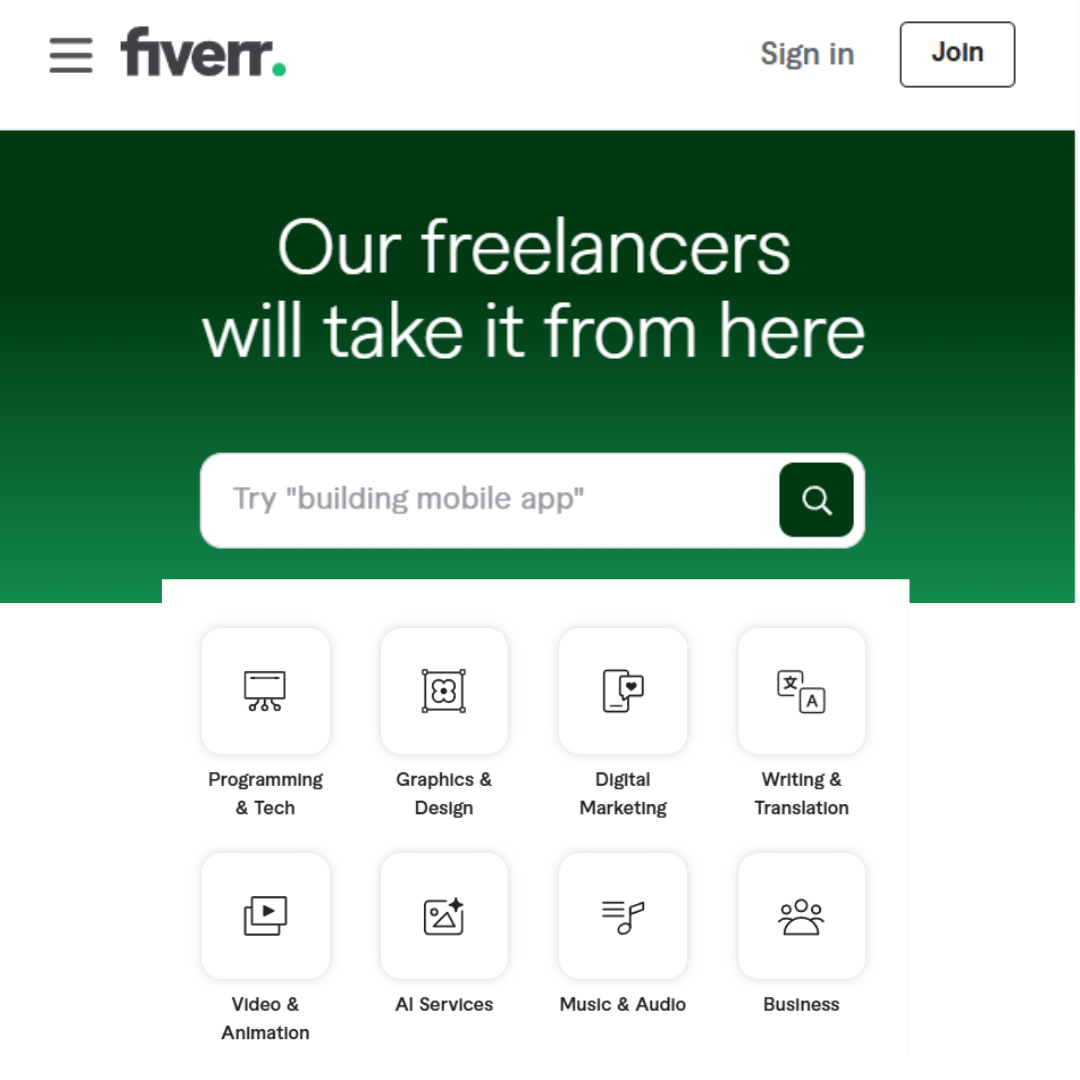
2. Fiverr — The ‘Gig-Based Marketplace’ Platform
Fiverr is a freelance marketplace where freelancers don’t apply for jobs directly. Instead, they create “gigs” (service packages), and clients come to them.
It covers services like logo design, video editing, SEO, voiceovers, writing, digital marketing, and coding. Pricing starts at $5; most freelancers use tiered packages (basic, standard, premium) to earn more.
Fiverr charges a service fee (around 20% of freelancers’ earnings). It’s beginner-friendly but highly competitive, so strong gig titles, visuals, and SEO optimization are important. Delivery speed and reviews heavily impact ranking.
Best For
- Beginners starting freelance careers online
- Quick, small digital service sales
- Creative designers building portfolios
- Passive client attraction through gigs
3. Freelancer.com — Competitive Bidding Marketplace
Freelancer.com is one of the oldest freelance platforms, where clients post projects and freelancers bid to win. It covers writing, design, programming, data entry, engineering, and marketing tasks.
It still uses a bidding system with limits on the number of free bids per month, while paid plans offer increased visibility and bidding capacity.
The platform includes milestone payments, hourly projects, contests, and chat-based negotiation. It is highly competitive and often price-driven, especially for beginners.
However, it offers a wide variety of jobs globally, making it useful for gaining early experience and building a basic portfolio if you stay consistent.
Best For
- Beginners learning the freelance bidding process
- Small-budget global projects
- Entry-level portfolio building opportunities
- Freelancers testing multiple skill categories
4. Toptal — Elite Freelance Network For Top Talent
Toptal is a high-end freelance platform designed for experienced professionals, not beginners. It focuses on top-tier developers, designers, finance experts, and product managers.
According to OpenIT Freelancers, only the top 3 percent of technical talent are accepted onto their platform after a comprehensive evaluation process that includes technical assessments and ongoing quality control.
Toptal is known for providing high-paying, long-term contracts with global companies and startups. There are no public bidding wars like other platforms. Instead, clients are matched with pre-vetted freelancers.
Payments are reliable and usually significantly higher than those on average freelance marketplaces.
Best For
- Experienced professionals seeking premium clients
- Senior developers and designers worldwide
- Long-term high-paying enterprise contracts
- Freelancers are avoiding low-budget competition.
5. PeoplePerHour — Flexible Mix Of Jobs And Gigs
PeoplePerHour is a UK-based freelance platform that blends job bidding with gig-style offers. Freelancers can either apply to posted projects or create “Hourlies,” which are fixed-price service listings.
It covers web development, SEO, writing, design, marketing, and business support tasks. It remains moderately competitive but less crowded than bigger platforms like Upwork.
The platform uses credits for bidding, and freelancers are ranked based on ratings, response rate, and completed work. It also supports escrow payments, making transactions safer. It works well for freelancers who want flexibility without the pressure of intense competition.
Best For
- Freelancers want mixed job styles.
- Small business service providers
- Writers and marketers seeking steady gigs
- Beginners avoiding extreme competition
6. Guru — Simple, Long-Standing Freelance Platform
Guru is one of the older freelance marketplaces, known for its simple layout and straightforward job system. Clients post projects, and freelancers send proposals or quotes.
It supports categories like programming, writing, design, engineering, and administrative support. According to Forbes Advisor, Guru is among the largest freelance marketplaces, listing over 2 million freelancers and 800,000 employers.
The platform uses a WorkRoom system that facilitates communication, tracks milestones, and manages payments to help keep projects organized.
Fees are relatively flexible depending on the membership plan, and freelancers can choose different payment structures, such as hourly, fixed-price, or recurring contracts. It’s not flashy, but it’s stable and predictable.
Best For
- Freelancers who prefer simple platforms
- Long-term steady client relationships
- Writers and developers seeking consistency
- Users are avoiding crowded marketplaces.

7. LinkedIn — Freelance Clients Through Networking
LinkedIn is not a traditional freelance marketplace, but now, it has become one of the most powerful places to find freelance clients directly.
Instead of bidding on jobs, freelancers build profiles, post content, and connect with business owners or recruiters. It supports job listings, but the real advantage comes from networking and personal branding.
Many clients now hire directly through messages or posts without ever using a freelance platform. It works especially well for consultants, marketers, writers, and B2B freelancers. There are no platform fees for direct client deals, but success depends heavily on visibility and consistency.
Best For
- Freelancers building personal brands online
- Direct client outreach and networking
- B2B consultants and marketers
- Long-term high-value client relationships
8. Contra — Modern Portfolio-First Freelance Platform
Contra is a newer freelance platform built around portfolios rather than bidding wars. Freelancers create a clean profile showcasing their work, and clients discover and hire them directly.
It focuses on creative professionals like designers, developers, marketers, and content creators. Now, Contra is known for being freelancer-friendly, with low or zero platform fees for many transactions.
It supports contracts, payments, and portfolio hosting in one place. Instead of competing on price, freelancers compete on presentation and skill. It feels more like a modern “showcase network” than a traditional job board, which makes it less stressful for many users.
Best For
- Designers and creative professionals online
- Freelancers building strong portfolios
- Clients are discovering talent organically.
- Beginners avoid heavy bidding systems.
9. FlexJobs — Scam-Free Remote Freelance Jobs
FlexJobs is a paid job platform focused on verified remote and freelance opportunities. It screens every listing to remove scams, spam, and low-quality offers.
You’ll find work in writing, customer service, marketing, admin support, education, and tech roles. It remains popular among people who prefer safe, stable listings to bidding systems.
In exchange for carefully chosen employment and an expedited application procedure, users pay a monthly subscription fee. There are no bids or competition pressure. You apply directly to employers with your profile and resume.
Best For
- Scam-free freelance job seekers
- Remote admin and support work
- Writers needing stable listings
- Beginners wanting safe job boards
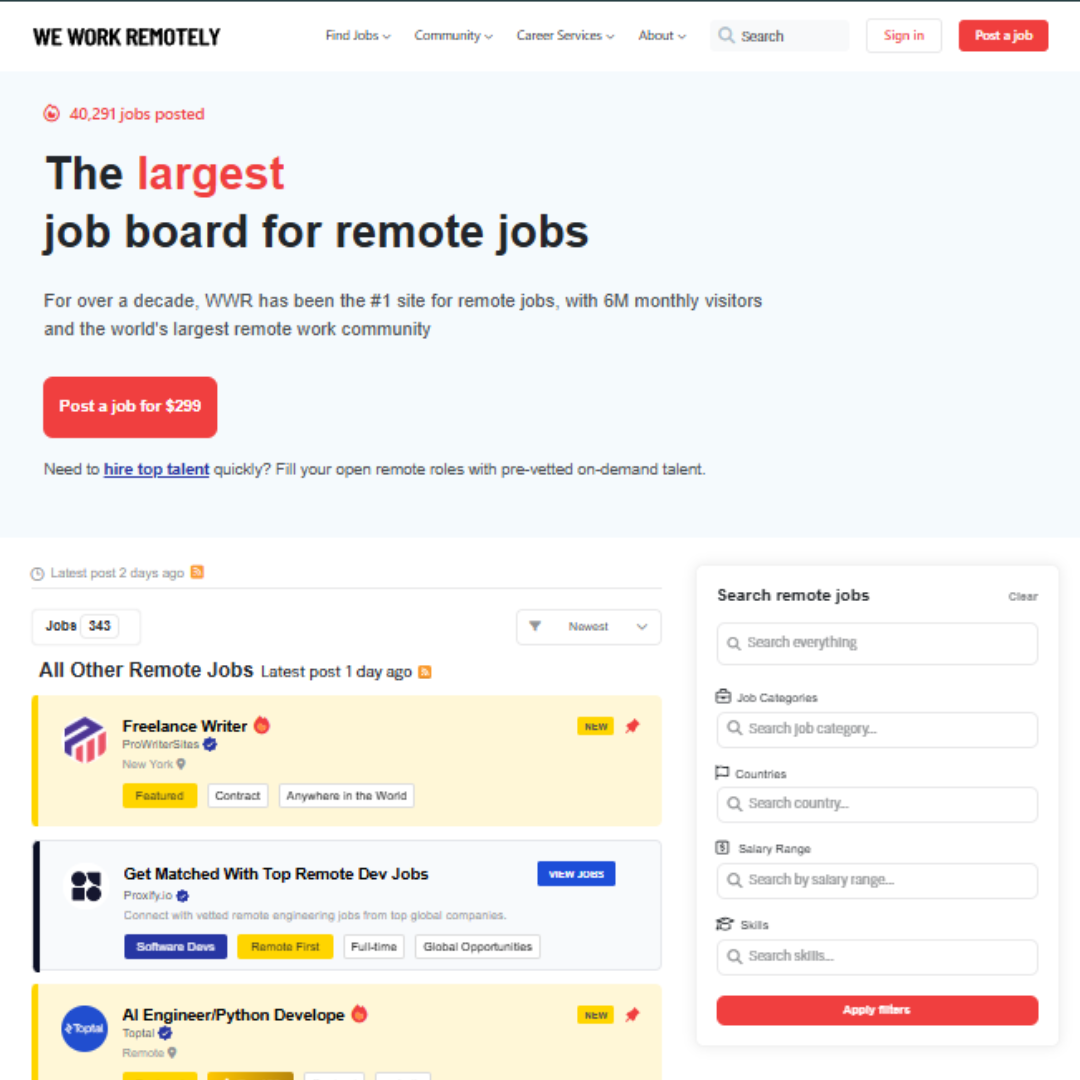
10. We Work Remotely — High-Quality Global Remote Jobs
We Work Remotely is one of the largest remote job boards in the world. It focuses on tech, design, marketing, product, and customer support roles. Many listings are contract- or freelance-based and posted directly by companies.
Startups and global SaaS companies still rely heavily on it for hiring remote talent. There is no bidding system. You apply directly to employers.
Competition can be high, but job quality is usually strong compared to the broader job market. It’s ideal for professionals seeking serious remote work opportunities.
Best For
- Developers and tech freelancers
- Startup remote job seekers
- High-quality contract roles
- Professionals who are avoiding bidding platforms.
11. Turing — AI-Matched Developer Platform
Turing is a developer-focused freelance platform that uses AI to match skilled engineers with global companies. It screens candidates through coding tests, interviews, and skill assessments before freelancers are approved for work opportunities.
The platform is popular for backend, frontend, AI, and full-stack development roles. Unlike traditional bidding websites, freelancers do not apply to every project individually.
Instead, Turing matches approved developers with companies based on their skills, experience, and technical background.
Many roles involve long-term remote contracts with stable monthly payments, making them appealing to experienced developers seeking ongoing work.
Best For
- Experienced software developers
- AI and backend engineers
- Long-term remote contracts
- High-paying technical freelancing
12. Hubstaff Talent — Free Profile-Based Job Discovery
Hubstaff Talent is a completely free platform where freelancers create profiles and get discovered by employers. There are no bidding systems, service fees, or commissions.
It covers remote jobs in marketing, writing, design, development, and virtual assistance. It remains a good entry point for beginners who want visibility without paying platform fees.
However, job volume is lower than in major marketplaces. Success depends on building a strong profile and being discoverable by clients searching for talent.
Best For
- Beginners building freelance profiles
- Free job discovery platform users
- Remote work without platform fees
- Simple profile-based hiring
How To Choose The Right Freelance Platform
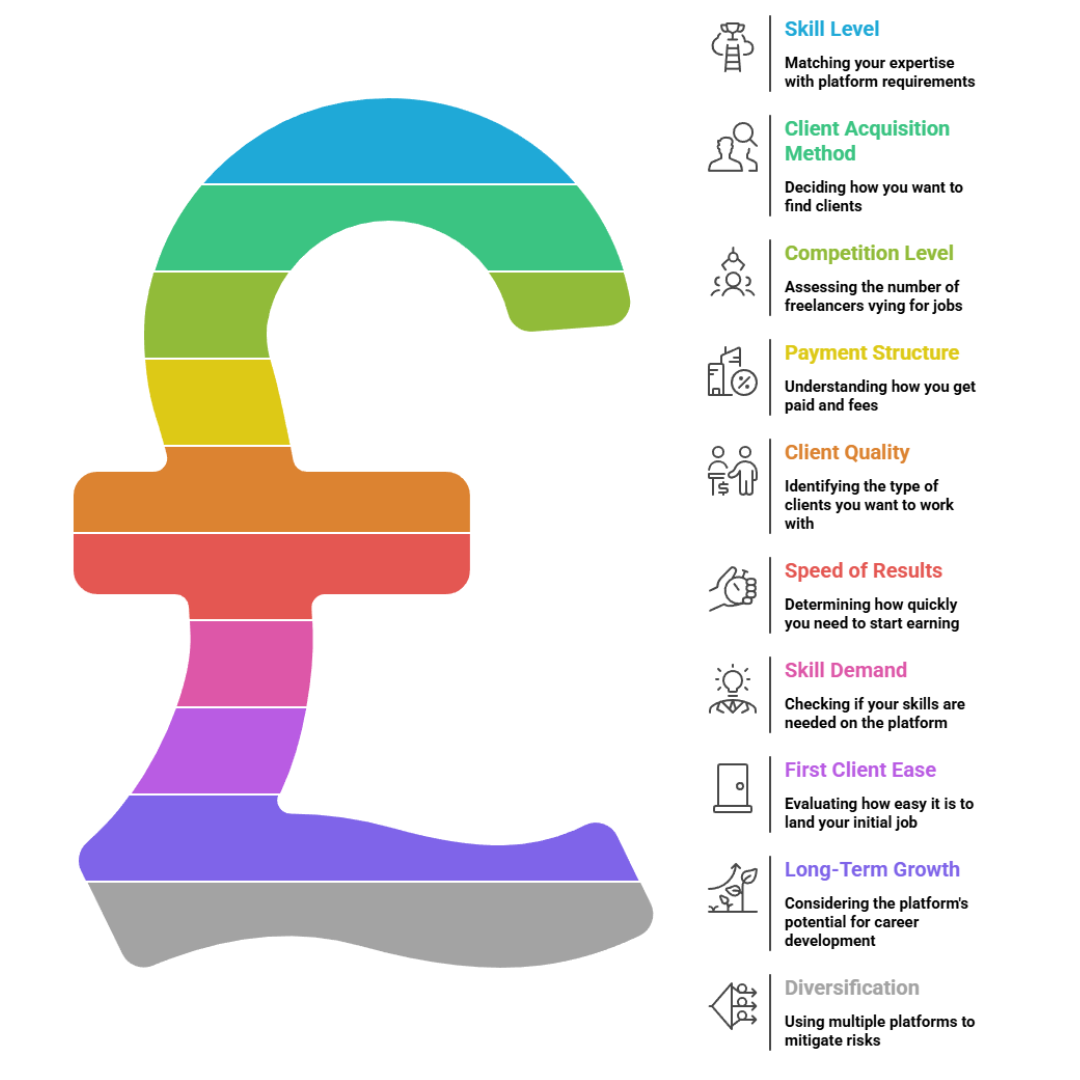
1. Identify Your Skill Level First
Before choosing a freelance platform, you need to clearly understand your current skill level. If you are a beginner, platforms with easier entry and simple projects will suit you better.
Intermediate freelancers can handle competitive bidding and a mix of job types. Advanced professionals should aim for premium platforms with high-paying clients. This step is important because using the wrong platform often leads to frustration and slow progress.
Many beginners fail not because of a lack of skill, but because they start on highly competitive platforms too early. Matching your level with the right platform increases your chances of getting real work faster.
2. Decide How You Want To Get Clients
Every freelance platform has a different system for finding clients. Some platforms require you to apply for jobs by sending proposals, while others allow clients to find and hire you directly.
There are also platforms where you sell fixed services, such as packages. You need to decide what feels more comfortable for you.
If you like active searching, job bidding platforms work better. If you prefer a passive workflow, gig-based platforms are ideal.
Networking platforms require relationship building. Choosing the right method helps you stay consistent and avoid burnout in your freelance journey.
3. Check Competition Level
Competition plays a big role in your success on freelance platforms. Some platforms are extremely crowded, meaning thousands of freelancers are applying for the same jobs.
This makes it harder for beginners to stand out. Other platforms or niche communities have less competition, giving you a better chance of getting noticed.
When competition is high, you often need stronger profiles, better reviews, and more experience. In lower-competition spaces, even beginners can get opportunities faster.
Always check how saturated a platform is before joining. A balanced level of competition makes your freelancing journey smoother and more realistic.
4. Understand Payment Structure
Each freelance platform has its own payment system, and understanding it is very important. Some platforms charge per project, while others charge an hourly rate.
Many also take a service fee, usually between 10% and 20 percent, from your earnings. Some platforms allow milestone-based payments, where you get paid after completing stages of work.
You should always calculate your net income after fees. A platform might look profitable at first, but high commission rates can reduce your actual earnings.
Understanding the payment structure helps you choose platforms that align with your income expectations and financial goals.
5. Look At Client Quality
Not all clients are the same across freelance platforms. Some platforms attract small-budget clients seeking low-cost work, while others focus on businesses offering higher-paying projects.
Enterprise-level clients usually provide long-term contracts and stable income. As a freelancer, you need to decide what type of clients you want to work with.
Beginners may start with lower-budget clients to build experience, but long-term success comes from higher-quality clients. Always research the type of clients active on a platform before joining.
Better clients often lead to better projects, better communication, and more stable freelancing income.
6. Consider How Fast You Want Results
Different freelance platforms produce results at different speeds. Some platforms let you get started quickly and take on small projects within days, especially gig projects.
Others require time to build a reputation, write proposals, and earn reviews before getting consistent work. Elite platforms may take months to approve or match you with clients. If you need quick income, choose platforms with faster onboarding and lower barriers to entry.
If you are building a long-term career, slower platforms may still be worth it. Your urgency matters when selecting a platform, so always match expectations with reality.
7. Check Skill Demand On The Platform
Not every platform values every skill equally. Some platforms are strong in design, while others focus more on writing, programming, or marketing.
Before joining, check which job types are frequently posted. If your skill is in high demand on that platform, you will find work faster. If not, you may struggle even if you are highly skilled.
For example, developers may perform better on technical platforms, while designers may do better on creative marketplaces. Matching your skills with platform demand increases your chances of getting steady freelance work.
8. Evaluate The Ease Of Getting The First Client
Your first freelance client is the hardest to get, so this is a very important factor. Some platforms are beginner-friendly and let you take on small jobs quickly, even without reviews.
Others require strong portfolios and experience before you can compete. Gig-based platforms usually help beginners get started faster, while bidding platforms take longer. If a platform makes it too hard to get your first job, you may lose motivation.
Choose platforms where you can realistically land your first project within a reasonable time. Early success builds confidence and helps you grow faster.
9. Focus On Building Long-Term Freelance Success
Freelancing is not only about earning fast money. It is about building a sustainable income over time. When choosing a platform, consider whether you can grow there over the next one or two years.
Some platforms allow you to increase your rates as you gain experience, while others keep you stuck in low-budget work. Long-term platforms help you build a reputation, client relationships, and a steady income.
Quick-money platforms may deliver fast results but limited growth. A smart freelancer always balances short-term income with long-term career development.
10. Build Opportunities Across Multiple Platforms
Relying on a single freelance platform is risky because algorithms change, competition increases, and accounts can face issues. Smart freelancers use multiple platforms to stay safe and increase opportunities.
You can combine one job-bidding platform, one gig-based platform, and one networking platform to achieve a better balance. This strategy helps you get different types of clients and income sources.
If one platform slows down, others still bring work. Diversifying also helps you understand where your skills perform best. In freelancing, flexibility is a strength, and multiple platforms give you that flexibility.
Conclusion
Finding the best freelance job websites is not about joining every platform you can find. It is about choosing the right one for your skills, experience, and long-term goals.
Some platforms work better for beginners, while others are designed for experienced freelancers or specialized industries. Success in freelancing often comes from consistency rather than speed.
Instead of spreading yourself too thin, focus on one or two freelance websites, build a strong profile, and take time to develop trust with clients. Over time, the right platform can help you create a more flexible and rewarding way of working.
I trust you enjoyed this article on the Best Freelance Job Websites. Please stay tuned for more insightful blogs on affiliate marketing, online business, and working from anywhere in the world.
Take care!
— JeannetteZ 🌍✨
💬 Your Opinion Is Important To Me
Do you have thoughts, ideas, or questions? I’d love to hear from you. Please leave your comments below or email me directly at Jeannette@WorkFromAnywhereInTheWorld.com.
📚 More Work From Anywhere Reads
🚀 Ready to Build a Business You Can Run from Home
Or from Anywhere in the World?
Imagine creating income on your terms — from home, a cozy café, or wherever life takes you.
With the right tools, training, and community support, it’s entirely possible.
Start your own online business for free — no credit card needed.
Disclosure
This post may contain affiliate links. As an Amazon Associate and participant in other affiliate programs, I earn from qualifying purchases at no extra cost to you. Please read my full affiliate disclosure.