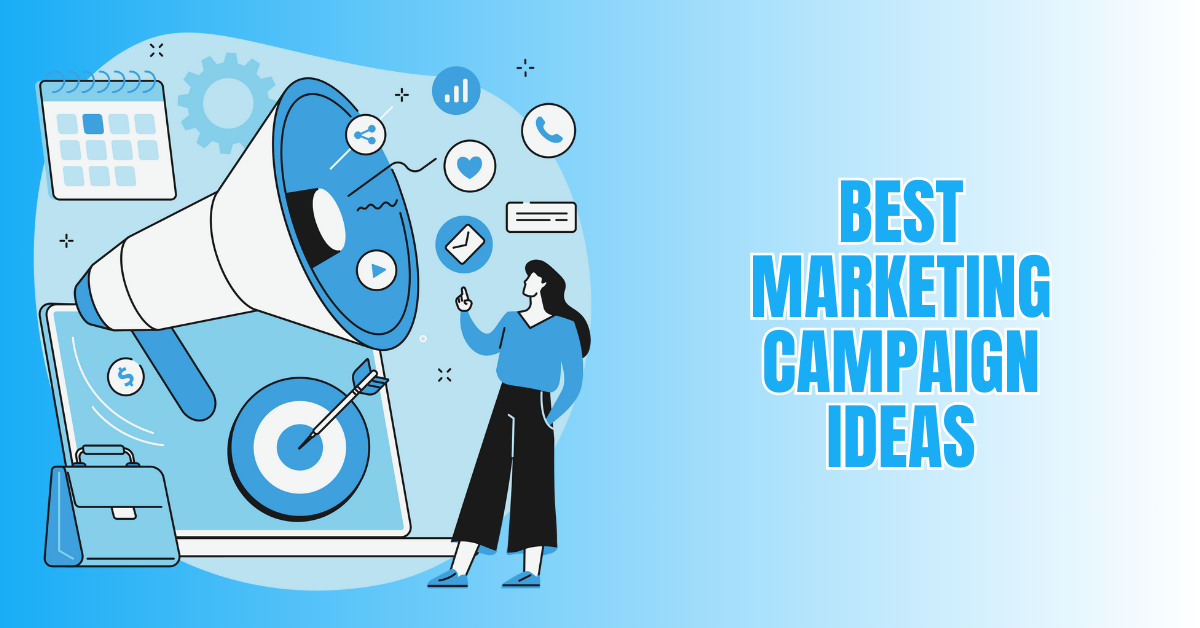
Best Marketing Campaign Ideas For Business
Marketing campaign ideas can help businesses attract new customers, increase brand awareness, and boost sales. Whether you're launching a new product, promoting a service, or growing your online presence, the right campaign can make a lasting impression.
Successful marketing campaigns don't always require large budgets. Creativity, careful planning, and a clear understanding of your target audience often have a greater impact than how much you spend.
This guide will explore some of the best marketing campaign ideas that businesses of all sizes can use to engage their audience and achieve their goals. You'll also discover practical strategies and inspiring examples to help you create more effective marketing campaigns.
Why Every Business Needs A Marketing Campaign
Every business, regardless of its size or industry, can benefit from a well-planned marketing campaign. It helps increase brand awareness, attract new customers, and strengthen relationships with existing ones.
A successful marketing campaign communicates your products, services, and unique value to the right audience. It also helps your business stand out in a competitive marketplace and build trust with potential customers.
Modern marketing campaigns can reach people through many channels, including social media, email marketing, search engines, paid advertising, and content marketing. Choosing the right channels allows you to connect with your audience where they are most active.
Marketing campaigns also support business growth by generating leads, increasing sales, and encouraging customer loyalty. They provide valuable insights that can help you improve future campaigns and make better marketing decisions.
Whether you're launching a new business or promoting an established brand, a thoughtful marketing campaign can help you achieve your goals and remain competitive in a constantly changing marketplace.
Different Types Of Marketing Campaign Ideas
Marketing campaigns come in many forms, and the best approach depends on your business goals, target audience, and available budget.
Some campaigns are designed to build brand awareness, while others focus on generating leads, increasing sales, or improving customer engagement.
Choosing the right type of marketing campaign is just as important as the message itself. By selecting a strategy that aligns with your objectives, you can reach the right audience, strengthen customer relationships, and maximize your marketing efforts.
The following marketing campaign ideas cover a range of proven strategies used by businesses of all sizes. Whether you're promoting a new product, launching a service, or growing your brand, these ideas can help you create more effective campaigns and achieve better results.
1. Social Media Campaigns
Social media campaigns are an effective way to increase brand awareness, engage your audience, and attract new customers. With billions of people using social media platforms every day, businesses have many opportunities to build relationships and promote their products or services.
Here are some proven social media campaign ideas to help increase engagement and strengthen your brand presence.
User-Generated Content (UGC)
User-generated content (UGC) encourages customers to create and share content featuring your brand, products, or services. It is one of the most effective ways to build trust, increase engagement, and create authentic connections with your audience.
Why It Works
User-generated content helps build trust because people often value genuine customer experiences more than traditional advertising. It also encourages community involvement and adds authenticity to your brand.
Interactive Challenges
Interactive challenges encourage your audience to actively participate in your marketing campaign. They can increase engagement, boost brand awareness, and inspire people to share your content with others.
Why It Works
Interactive challenges encourage people to participate rather than simply view your content. This creates a stronger connection with your brand and increases engagement across social media platforms.
When participants share their experiences with friends and followers, your campaign can reach a much wider audience. This additional exposure helps increase brand awareness and encourages others to join in.
How To Implement
Create a challenge that is fun, relevant, and easy to participate in. Encourage users to share their entries on social media using a branded hashtag. Offering prizes or recognition can motivate more people to join and share the campaign.
Example
The ALS Ice Bucket Challenge became a global social media phenomenon by encouraging participants to pour a bucket of ice water over their heads, share a video online, and nominate others to take part. The campaign raised widespread awareness of ALS while generating millions of dollars for research.
Sponsored Social Media Posts
Sponsored social media posts allow businesses to promote their products or services through trusted influencers on platforms such as Instagram, Facebook, TikTok, and YouTube. These collaborations help brands reach new audiences while increasing visibility and engagement.
Why It Works
Sponsored posts introduce your brand to an audience that already trusts the influencer's recommendations. This can increase brand awareness while encouraging followers to learn more about your products or services.
Because the content appears naturally within the influencer's social media feed, it often feels more authentic than traditional advertising. This can lead to higher engagement and improved conversion rates.
How To Implement
Identify influencers whose audience closely matches your target market. Work together to create authentic social media content that naturally showcases your products or services while reflecting the influencer's style and personality.
Provide clear campaign goals while allowing influencers the creative freedom to produce content that resonates with their followers. This approach often results in higher engagement and more genuine recommendations.
Example
Daniel Wellington successfully grew its brand by partnering with lifestyle and fashion influencers to publish sponsored social media posts featuring its watches. These authentic collaborations increased brand awareness, expanded the company's reach, and helped drive sales worldwide.
Social Media Takeovers
A social media takeover allows an influencer, employee, or loyal customer to temporarily manage your social media account. This approach introduces fresh content, offers a different perspective, and helps create a more authentic connection with your audience.
Why It Works
A social media takeover brings a new voice and perspective to your brand. It adds variety to your content while making your business feel more approachable and relatable.
Takeovers also encourage audience engagement by offering behind-the-scenes content, expert insights, or personal experiences that followers may not normally see.
How To Implement
Invite an influencer, employee, or loyal customer to manage your social media account for a day or during a special event. Plan the content in advance and establish clear guidelines to ensure the takeover reflects your brand while allowing the guest to share their authentic perspective.
Example
National Geographic frequently invites photographers, explorers, and wildlife experts to take over its Instagram account. These takeovers provide followers with unique behind-the-scenes experiences while showcasing stunning content from around the world.

2. Content Marketing Campaigns
Content marketing campaigns focus on creating valuable, informative, and engaging content rather than directly promoting a product or service.
By consistently sharing helpful information, businesses can build trust, strengthen their reputation, and develop lasting relationships with their audience.
Whether through blog posts, videos, podcasts, or downloadable resources, quality content can educate potential customers while supporting every stage of the buying journey.
Over time, this approach can increase website traffic, improve search engine rankings, and generate qualified leads. The following content marketing campaign ideas can help establish your business as a trusted source of information while attracting and engaging your target audience.
Educational Blog Series
An educational blog series allows you to explore important topics in depth while providing ongoing value to your audience.
Publishing informative articles regularly can establish your business as a trusted authority and encourage readers to return for more insights.
Why It Works
Providing informative content builds credibility and positions your business as an authority in your industry. When people consistently find helpful answers and practical advice, they are more likely to trust your brand and return when they need additional information.
This trust strengthens customer loyalty and encourages potential customers to choose your products or services when they are ready to purchase.
How To Implement
Develop a series of in-depth blog posts that cover important topics in your niche. Share actionable insights, practical advice, and useful resources that address your audience's needs and answer their most common questions.
Update your content regularly to keep it accurate and relevant. Promote each article through social media, email newsletters, and other marketing channels to reach a wider audience and encourage ongoing engagement.
Example
HubSpot has built a strong reputation through its extensive collection of educational blog articles on inbound marketing, sales, customer service, and business growth.
By consistently publishing valuable content, the company has established itself as a trusted authority while attracting and educating millions of readers worldwide.
Video Tutorials And How-To Videos
Video tutorials and how-to videos help educate your audience while demonstrating your expertise. They provide practical solutions, answer common questions, and make complex topics easier to understand.
Why It Works
Educational videos address your audience's challenges by providing clear, practical solutions. This builds trust, demonstrates your expertise, and positions your business as a reliable source of information.
As viewers gain value from your content, they are more likely to engage with your brand, subscribe to your channels, and become loyal customers.
How To Implement
Create a mix of short-form and long-form videos that offer valuable tips, step-by-step tutorials, or product demonstrations. Keep the content clear, engaging, and focused on solving your audience's most common problems.
Share your videos on YouTube, your website, social media platforms, and email newsletters to maximize their reach and encourage audience engagement.
Example
Home Depot produces a wide range of DIY and home improvement tutorials on YouTube. These videos teach practical skills, answer common homeowner questions, and naturally showcase the company's products while building trust with its audience.
Podcasts
Podcasts allow businesses to share valuable insights, discuss industry trends, and connect with their audience on a more personal level. They are an excellent way to educate listeners while building trust and long-term relationships.
Why It Works
Podcasts provide an opportunity to share expert knowledge and in-depth discussions on topics that matter to your audience. By consistently delivering valuable content, you can establish credibility and position your business as an authority in your industry.
As your audience grows, podcasts can strengthen brand awareness, increase customer loyalty, and encourage listeners to explore your products or services.
How To Implement
Launch a podcast covering topics relevant to your industry. Invite guest experts, discuss current trends, share practical advice, and highlight customer success stories to keep your content informative and engaging.
Publish new episodes regularly and promote them through your website, social media channels, email newsletters, and podcast platforms to reach a wider audience.
Example
Spotify has invested heavily in podcast content by partnering with creators, celebrities, and industry experts. Offering a diverse range of exclusive and educational podcasts has helped attract millions of listeners while strengthening Spotify's position as a leading audio streaming platform.
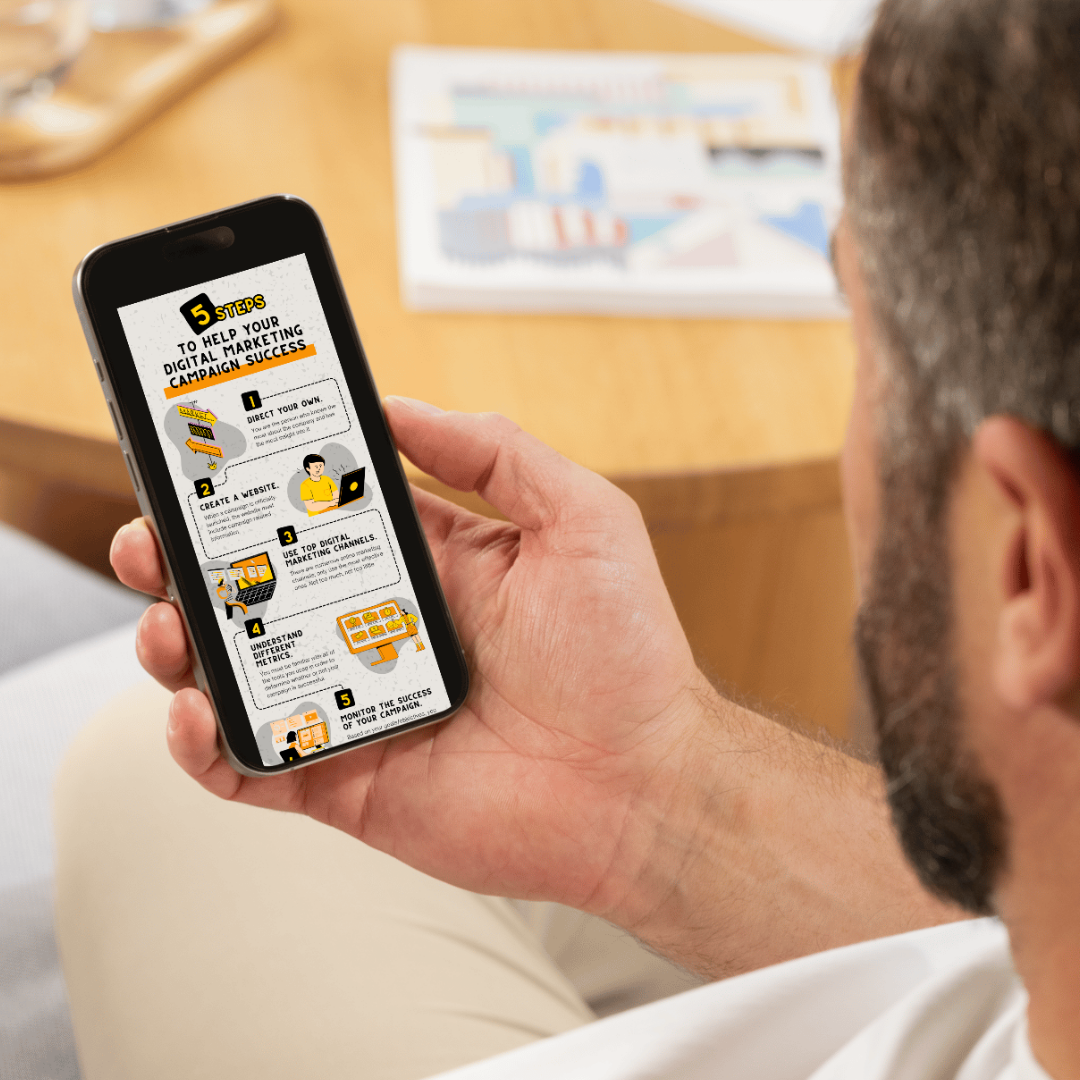
Infographics
Infographics present information in a visually appealing and easy-to-understand format. They are ideal for simplifying complex topics, highlighting key statistics, and creating content that is easy to share across multiple platforms.
Why It Works
Visual content captures attention quickly and is easier to digest than large blocks of text. Infographics simplify complex information, making it more memorable and increasing the likelihood that people will share it with others.
They can also help improve brand awareness by presenting valuable information in an engaging, easy-to-understand format.
How To Implement
Use design tools such as Canva to create attractive infographics that present statistics, step-by-step processes, or practical tips in a clear and visually appealing way.
Keep the design simple, use your brand colours, and include your logo or website to encourage sharing and increase brand recognition.
Share your infographics on your website, social media platforms, email newsletters, and other marketing channels to maximize their reach.
Example
Canva regularly creates and shares visually appealing infographics that provide design tips, marketing advice, and educational content. These graphics are easy to understand and widely shared, helping strengthen Canva's brand while providing value to its audience.
3. Influencer Marketing Campaigns
Influencer marketing campaigns help businesses reach new audiences by partnering with trusted content creators. These collaborations can increase brand awareness, strengthen credibility, and encourage customer engagement across social media and other online platforms.
Whether you work with industry experts, bloggers, YouTubers, or social media influencers, authentic partnerships can help build trust and create lasting connections with your target audience.
Long-Term Partnerships
Building long-term relationships with influencers allows your brand to become a natural part of their content. Rather than relying on a single sponsored post, ongoing collaborations help create familiarity and strengthen audience trust over time.
Why It Works
Long-term influencer partnerships feel more authentic than one-off promotions. As audiences see consistent recommendations over time, they are more likely to trust both the influencer and your brand.
Regular exposure also keeps your business visible. This helps strengthen brand recognition and encourages long-term customer loyalty.
How To Implement
Partner with influencers whose values and audience align with your brand. Develop ongoing collaborations that allow them to naturally incorporate your products or services into their content instead of relying on a single promotional post.
Give influencers the creative freedom to present your brand in a genuine way while maintaining clear campaign goals and expectations.
Example
Gymshark built much of its global success by forming long-term partnerships with fitness influencers and athletes. These ongoing collaborations helped create an engaged community around the brand while increasing customer loyalty and brand recognition.
Product Reviews And Testimonials
Product reviews and testimonials allow influencers to share their genuine experiences with your products or services. Honest feedback helps potential customers make informed decisions while increasing trust in your brand.
Why It Works
People often trust recommendations from individuals they follow more than traditional advertising. Honest product reviews and testimonials add credibility to your brand and help potential customers feel more confident about making a purchase.
When influencers share their real experiences, they create a personal connection with their audience. This authenticity can increase engagement and encourage conversions.
How To Implement
Partner with influencers whose audience matches your target market. Allow them to test your products or services and share honest reviews through videos, blog posts, or social media content.
Avoid overly scripted promotions. Giving influencers the freedom to share genuine opinions helps build trust with their audience and creates more authentic recommendations.
Example
Dyson frequently partners with lifestyle, beauty, and technology influencers who demonstrate its products through detailed reviews and tutorials. These authentic demonstrations help potential customers understand the products while building trust in the brand.
Wealthy Affiliate – Mini Review
If you’ve ever thought about turning your blog, passion, or niche into an online business,
Wealthy Affiliate (WA) is one of the most beginner-friendly platforms I’ve used.
It combines step-by-step training, website hosting, AI-powered tools,
keyword research, and an active community all in one place.
What I like most is that you can start free (no credit card needed), explore the platform,
test the tools, and connect with other entrepreneurs before upgrading.
WA isn’t a “get rich quick” scheme — success comes from consistent effort
and applying what you learn over time.
Giveaways And Contests
Giveaways and contests are an effective way to increase engagement, attract new followers, and generate excitement around your brand. When combined with influencer marketing, they can significantly expand your reach and introduce your business to a wider audience.
Why It Works
Giveaways create excitement and encourage people to interact with your brand. Participants often share the campaign, tag friends, or follow your social media accounts to enter, helping increase visibility and attract new followers.
The sense of urgency created by a limited-time contest also encourages faster participation and higher engagement.
How To Implement
Partner with influencers whose audience aligns with your target market. Ask participants to complete simple actions, such as following your account, tagging friends, sharing the post, or signing up for your newsletter to enter the giveaway.
Choose prizes that appeal to your ideal customers and clearly explain the contest rules, entry requirements, and closing date.
Example
Glossier has successfully partnered with beauty influencers to promote product giveaways on Instagram. These campaigns encourage followers to engage with branded content, expand the company's reach, and introduce its products to new audiences.
Exclusive Collaborations
Exclusive collaborations involve partnering with influencers to launch limited-edition products, special collections, or unique experiences. These campaigns create excitement while giving customers something they can't get elsewhere.
Why It Works
Limited-edition products create a sense of exclusivity and urgency. Customers are often more motivated to purchase when they know an offer is only available for a short time or in limited quantities.
When influencers promote these exclusive collaborations, they add credibility and generate anticipation among their followers. This can increase engagement, strengthen brand awareness, and drive sales.
How To Implement
Partner with influencers whose audience closely matches your target market. Work together to develop an exclusive product, collection, or promotion that reflects both your brand and the influencer's personal style.
Promote the launch through social media, email marketing, and countdown campaigns to build excitement before the release. Clearly communicate that the offer is available for a limited time to encourage customers to act quickly.
Example
Adidas has partnered with celebrities and influencers to launch limited-edition collections that generate significant interest before release. These exclusive collaborations create excitement, strengthen brand loyalty, and often sell out shortly after becoming available.
4. Email Marketing Campaigns
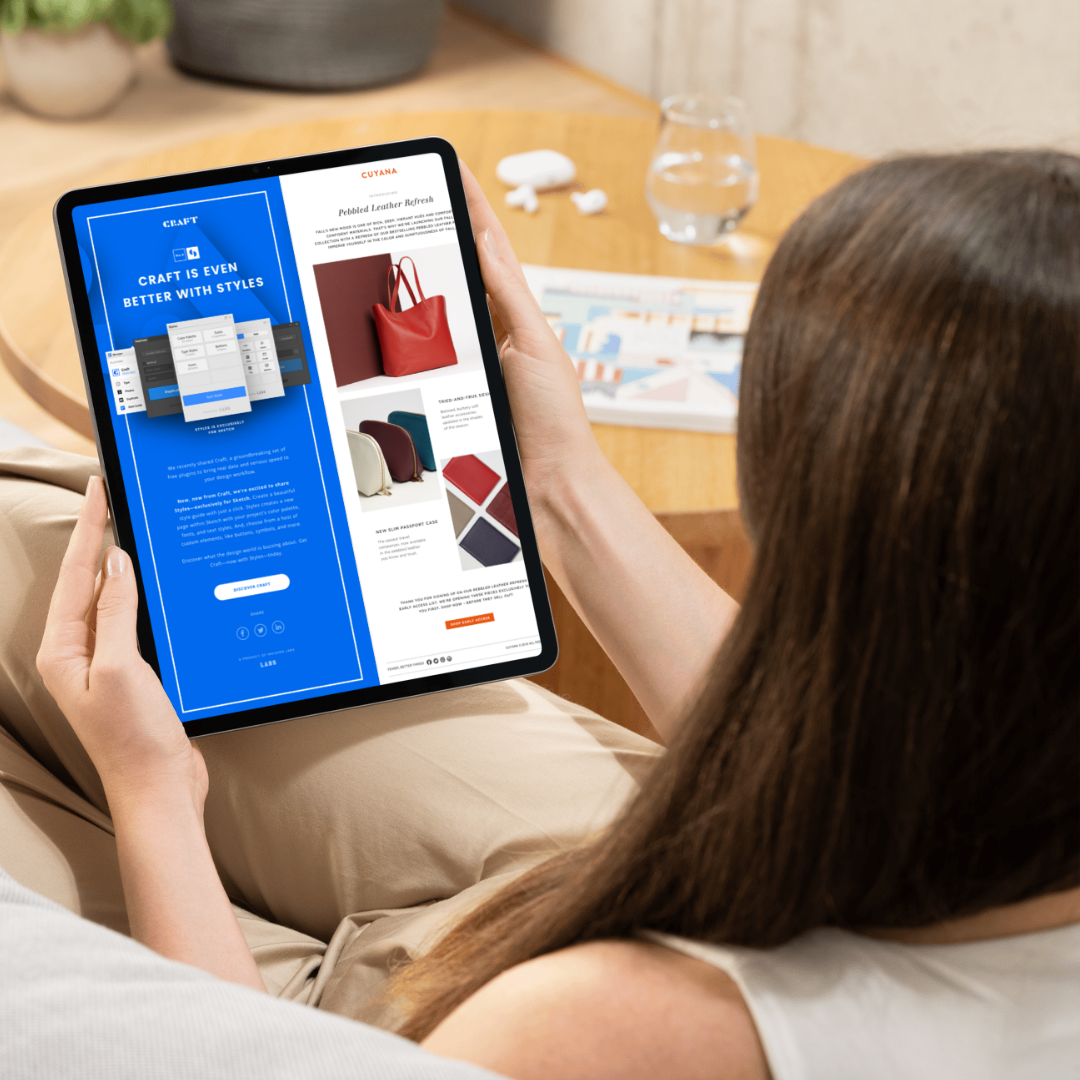
Email marketing campaigns remain one of the most effective ways to communicate directly with your audience. They help businesses build relationships, nurture leads, promote products or services, and encourage repeat purchases while delivering an excellent return on investment.
The following email marketing campaign ideas can help you engage subscribers, increase conversions, and strengthen long-term customer loyalty.
Personalized Email Campaigns
Personalized email campaigns deliver relevant content based on each subscriber's interests, preferences, or behaviour. This tailored approach helps create a more engaging experience and encourages stronger customer relationships.
Why It Works
Personalized emails make customers feel valued by delivering content that matches their interests and needs. Relevant messages are more likely to be opened, read, and acted upon than generic marketing emails.
Over time, personalized communication can increase engagement, strengthen customer loyalty, and improve conversion rates.
How To Implement
Segment your email list based on customer behaviour, purchase history, interests, or demographics. Use this information to send relevant recommendations, special offers, and helpful content that matches each subscriber's preferences.
Monitor your campaign performance regularly and refine your email strategy using open rates, click-through rates, and customer feedback.
Example
Netflix personalizes its email campaigns by recommending movies and television shows based on each subscriber's viewing history and preferences. These tailored recommendations encourage continued engagement while creating a more personalized user experience.
Drip Campaigns
Drip campaigns are automated email sequences that deliver relevant content to subscribers over time. They help nurture leads, build relationships, and guide potential customers through the buying journey.
Why It Works
Regular email communication keeps your brand in front of potential customers without overwhelming them. By delivering helpful information at the right time, drip campaigns build familiarity, strengthen trust, and keep subscribers engaged.
As prospects move through the sales funnel, each email provides valuable content or relevant offers that encourage them to take the next step.
How To Implement
Create an automated email sequence that delivers useful content over time, such as welcome emails, educational resources, product recommendations, special offers, or customer success stories. Make sure each email provides value and naturally leads subscribers toward your desired goal.
Review your campaign performance regularly and adjust the timing, content, and calls to action to improve engagement and conversion rates.
Example
Mailchimp uses automated email journeys to help businesses welcome new subscribers, nurture leads, and re-engage inactive customers. These personalized email sequences deliver timely content that improves customer engagement and supports long-term relationships.
Loyalty And Reward Campaigns
Loyalty and reward campaigns encourage customers to return by recognizing and rewarding their continued support. They help strengthen customer relationships while increasing repeat purchases and long-term brand loyalty.
Why It Works
Rewarding loyal customers makes them feel valued and appreciated. This encourages repeat business, strengthens customer relationships, and increases customer retention over time.
Loyal customers are also more likely to recommend your business to others. As a result, loyalty programs can increase customer lifetime value while generating positive word-of-mouth marketing.
How To Implement
Create a loyalty program that rewards customers for repeat purchases or ongoing engagement. Offer points, exclusive discounts, early access to new products, birthday rewards, or member-only promotions to encourage continued participation.
Keep the program simple and easy to understand. Regularly remind customers of their rewards through email campaigns, your website, and social media to maintain interest and engagement.
Example
Starbucks Rewards encourages customers to earn points with every purchase that can be redeemed for free drinks and food. The program increases customer loyalty, encourages repeat visits, and strengthens long-term engagement with the Starbucks brand.
Announcement Campaigns
Announcement campaigns keep your audience informed about important news, product launches, company milestones, and upcoming events. Regular updates help maintain interest in your brand while encouraging customers to stay connected.
Why It Works
Keeping your audience informed strengthens trust and reinforces your brand's credibility. Regular announcements show that your business is active, growing, and committed to providing value.
Sharing company news also encourages repeat engagement. Customers who feel connected to your brand are more likely to follow your updates, support new product launches, and share exciting news with others.
How To Implement
Share important announcements through email newsletters, social media, blog posts, and your website. Promote new products, special events, partnerships, company achievements, and other milestones that are relevant to your audience.
Write clear, engaging announcements that highlight the benefits for your customers. Include a strong call to action that encourages readers to learn more, register, or make a purchase.
Example
Apple generates significant excitement through announcement campaigns for new products and software updates. By combining keynote presentations, email marketing, website updates, and social media promotion, the company builds anticipation and keeps customers engaged before every major launch.
5. Experiential Marketing Campaigns
Experiential marketing campaigns focus on creating memorable experiences that allow customers to interact directly with your brand.
Rather than simply promoting a product or service, these campaigns encourage people to engage, participate, and build lasting emotional connections.
The following experiential marketing ideas can help increase brand awareness, generate word-of-mouth marketing, and create experiences that customers are likely to remember and share.
Pop-Up Shops
Pop-up shops give businesses a temporary physical presence where customers can experience products firsthand. These events create excitement, encourage interaction, and often attract new audiences who may not have discovered the brand otherwise.
Why It Works
Pop-up shops create memorable, hands-on experiences that increase brand visibility. They allow customers to interact directly with your products, ask questions, and experience your brand in a unique setting.
These temporary events also generate excitement and encourage visitors to share photos and videos on social media. This can increase word-of-mouth marketing and extend the campaign's reach beyond the event itself.
How To Implement
Organize pop-up shops in locations frequently visited by your target audience, such as shopping centres, festivals, or busy city centres. Design an inviting space where visitors can explore your products, participate in demonstrations, and interact with your team.
Promote the event before, during, and after the launch through social media, email marketing, and local advertising. Encourage visitors to share their experiences online using a branded hashtag.
Example
IKEA has successfully used pop-up stores in major cities to showcase selected products and inspire customers with creative room designs.
These temporary locations generate excitement, introduce the brand to new audiences, and encourage visitors to experience IKEA products before making a purchase.
Virtual Experiences And Webinars
Virtual experiences and webinars allow businesses to connect with audiences around the world without the need for in-person events. They provide opportunities to educate customers, demonstrate products, and build meaningful relationships through interactive online experiences.
Why It Works
Virtual events remove geographical barriers, allowing businesses to reach a much larger audience. Webinars, online workshops, and live product launches encourage real-time interaction while increasing brand awareness and customer engagement.
They also provide an opportunity to showcase your expertise, answer questions, and build trust with potential customers. This helps strengthen relationships while generating qualified leads.
How To Implement
Host webinars, online workshops, live product demonstrations, or virtual product launches that provide valuable information to your audience.
Encourage participation through live questions, polls, and interactive discussions to create a more engaging experience. Promote your virtual events through email marketing, social media, and your website.
If appropriate, consider incorporating virtual or augmented reality to create immersive experiences that make your brand even more memorable.
Example
Microsoft regularly hosts virtual conferences, webinars, and online product launches to introduce new technologies and provide training for businesses and individuals. These interactive events help educate customers while strengthening Microsoft's reputation as an industry leader.
Event Sponsorships
Event sponsorships allow businesses to increase brand awareness by supporting events that appeal to their target audience. Whether sponsoring sporting events, music festivals, conferences, or community initiatives, these partnerships can strengthen your brand's visibility and reputation.
Why It Works
Sponsoring popular events connects your brand with activities that people already enjoy. This creates positive brand associations while increasing visibility among audiences who are likely to be interested in your products or services.
Event sponsorships also demonstrate community involvement and help build trust. Supporting meaningful events can strengthen customer relationships and encourage long-term brand loyalty.
How To Implement
Partner with events that align with your brand values and target audience, such as sporting competitions, music festivals, trade shows, or local community initiatives. Look for opportunities to showcase your products, interact with attendees, and create memorable brand experiences.
Promote your sponsorship before, during, and after the event through your website, social media, email marketing, and other promotional channels to maximize its impact.
Example
Red Bull has built its brand by sponsoring extreme sports events, motorsport competitions, and adventure athletes worldwide. These sponsorships reinforce the company's energetic brand image while creating memorable experiences that resonate with its target audience.
6. Data-Driven Marketing Campaigns
Data-driven marketing campaigns use customer insights and analytics to improve marketing decisions and campaign performance. By analyzing user behaviour, businesses can create more targeted campaigns, personalize customer experiences, and achieve better results.
The following data-driven marketing ideas can help you optimize your campaigns, increase engagement, and improve conversion rates.
Retargeting Campaigns
Retargeting campaigns reconnect with people who have previously visited your website or interacted with your brand. By reminding potential customers about your products or services, these campaigns encourage them to return and complete a purchase or another desired action.
Why It Works
Retargeting focuses on people who have already shown interest in your business. Because these users are familiar with your brand, they are often more likely to return and convert than first-time visitors.
Displaying relevant ads also keeps your business top of mind. This increases brand awareness while encouraging potential customers to complete their buying journey.
How To Implement
Use cookies or tracking pixels to identify visitors who have interacted with your website. Display personalized advertisements across search engines, social media platforms, and other websites they visit to remind them of products or services they previously viewed.
Monitor campaign performance regularly and refine your audience targeting, messaging, and ad frequency to improve engagement and maximize conversions.
Example
Amazon uses retargeting to remind shoppers about products they have viewed or added to their shopping cart. These personalized advertisements encourage customers to return to the website and complete their purchases.
A/B Testing Campaigns
A/B testing campaigns compare two versions of a marketing element to determine which performs better. Businesses can test headlines, images, email subject lines, landing pages, or calls to action to improve campaign performance and increase conversions.
Why It Works
A/B testing helps you understand what resonates most with your audience. By comparing different versions of your content, you can identify which elements generate higher engagement and better results.
Using real data instead of assumptions allows you to make informed marketing decisions. Over time, continuous testing can improve conversion rates and maximize the effectiveness of your campaigns.
How To Implement
Test one element at a time, such as a headline, image, email subject line, or call to action. Measure key performance indicators, including click-through rates, conversions, and engagement, to determine which version performs best.
Use the results to refine future campaigns and continue testing new ideas to improve your marketing performance over time.
Example
Booking.com is well known for continuously running A/B tests on its website and marketing campaigns. By analyzing customer behaviour and testing different page designs, messages, and calls to action, the company continually improves the user experience and conversion rates.
Predictive Analytics
Predictive analytics uses historical data, artificial intelligence (AI), and machine learning to anticipate customer behaviour and improve marketing decisions. These insights help businesses deliver more relevant content, offers, and recommendations at the right time.
Why It Works
Predictive analytics helps businesses better understand customer behaviour and anticipate future needs. By identifying patterns in purchasing habits and online activity, companies can create more personalized marketing campaigns that increase engagement and improve customer satisfaction.
Delivering the right message at the right time also strengthens customer relationships and can lead to higher conversion rates.
How To Implement
Use AI-powered analytics tools to analyze customer data, including purchase history, browsing behaviour, and previous interactions. Apply these insights to create personalized email campaigns, product recommendations, and targeted promotions that match each customer's interests.
Review your campaign performance regularly and refine your predictive models as more customer data becomes available.
Example
Amazon uses predictive analytics to recommend products based on customers' browsing history, previous purchases, and shopping behaviour. These personalized recommendations improve the shopping experience while increasing customer engagement and sales.
7. Augmented Reality (AR) Marketing Campaigns
Augmented reality (AR) marketing campaigns create interactive experiences that allow customers to engage with products before making a purchase. By blending digital elements with the real world, AR helps businesses deliver memorable experiences that increase customer confidence and engagement.
The following AR marketing ideas demonstrate how businesses can use this technology to improve the customer experience and encourage purchasing decisions.
Virtual Try-Ons
Virtual try-ons allow customers to see how products such as clothing, eyewear, cosmetics, or furniture will look before making a purchase. This interactive experience helps customers make more informed buying decisions while reducing uncertainty.
How It Works
Augmented reality overlays digital products onto a customer's live image or surroundings using a smartphone, tablet, or computer camera. This provides a realistic preview, allowing customers to visualize products in real time before purchasing.
How To Implement
Work with AR developers to integrate virtual try-on technology into your website or mobile app. Allow customers to upload photos or use their device's camera to see how products look on them or within their environment.
Ensure the experience is easy to use and compatible with a wide range of devices to encourage customer engagement and increase conversions.
Example
Sephora‘s Virtual Artist allows customers to try on different makeup products using augmented reality before purchasing. This interactive feature improves the shopping experience, increases customer confidence, and helps shoppers choose products that best suit their preferences.
Product Visualization
Product visualization allows customers to see how products will look in their own homes or workplaces before making a purchase. This interactive experience helps shoppers make more confident buying decisions while reducing uncertainty.
How It Works
Augmented reality (AR) technology overlays digital products onto a customer's real environment using a smartphone or tablet camera. This allows users to visualize furniture, home décor, appliances, and other products at the correct size and in the desired location before buying.
Seeing products in a real setting helps customers compare styles, colours, and dimensions more accurately. This can increase confidence while reducing the likelihood of returns.
How To Implement
Work with AR developers to integrate product visualization into your website or mobile app. Allow customers to use their smartphone or tablet camera to place virtual products in their home or workspace and view them from different angles.
Keep the experience simple, accurate, and easy to navigate. Ensure the feature works across a wide range of devices to maximize customer engagement and improve the shopping experience.
Example
IKEA Place uses augmented reality to let customers visualize furniture in their homes before purchasing. By showing products at true scale and in real time, the app helps shoppers make more informed buying decisions while improving customer confidence.
Interactive Product Demos
Interactive product demos allow customers to explore products in a virtual environment before making a purchase. Using augmented reality (AR), shoppers can examine features, test functionality, and better understand how a product works without visiting a physical store.
How It Works
Augmented reality creates realistic 3D product demonstrations that customers can interact with using a smartphone, tablet, or computer. Users can rotate products, explore key features, and simulate how they work in real-world situations.
This hands-on experience helps customers better understand the product's benefits. It also increases confidence in purchasing decisions and can reduce product returns.
How To Implement
Partner with AR developers to create interactive 3D product demonstrations for your website or mobile app. Design the experience to be intuitive, responsive, and accessible across a wide range of devices.
Allow customers to rotate products, zoom in on important features, and explore different colours, sizes, or configurations.
Promote these interactive demos through your website, social media, email marketing, and digital advertising to maximize engagement.
Example
L'Oréal uses augmented reality and interactive product demonstrations through its beauty apps to help customers explore cosmetic products before purchasing.
These immersive experiences improve customer confidence while making online shopping more engaging and interactive.
Gamified AR Experiences
Gamified AR experiences combine augmented reality with interactive games, challenges, and rewards to encourage customer participation. These campaigns create memorable experiences that increase engagement while strengthening brand awareness and customer loyalty.
How It Works
Gamified AR experiences encourage customers to interact with your brand by completing challenges, collecting virtual items, or participating in interactive activities. As users progress through the experience, they can earn rewards, discounts, or exclusive offers that encourage continued engagement.
This combination of entertainment and rewards makes your marketing campaign more memorable while motivating customers to return and interact with your brand again.
How To Implement
Work with AR developers to create a branded game or interactive challenge featuring your products or services. Design the experience to be fun, easy to use, and rewarding, encouraging customers to explore your brand through gameplay.
Promote the campaign through your website, social media channels, email marketing, and mobile apps. Offer incentives such as discounts, exclusive products, or loyalty rewards to encourage participation and inspire users to share their experiences online.
Example
Pokémon GO became a global success by combining augmented reality with location-based gameplay. Many businesses partnered with the game by sponsoring locations and creating promotions that attracted players to their stores, demonstrating how gamified AR experiences can increase customer engagement and drive foot traffic.
FAQs
Q1: What Is A Marketing Campaign?
A marketing campaign is a planned series of activities designed to promote a product, service, or brand. It uses one or more marketing channels to reach a target audience, increase brand awareness, generate leads, and encourage sales.
Q2: How Do I Choose The Right Marketing Campaign?
Choose a marketing campaign that aligns with your business goals, target audience, and budget. Consider where your customers spend their time and select the channels that will help you reach them most effectively.
Q3: Which Marketing Campaign Is Most Effective?
The most effective marketing campaign depends on your objectives and audience. Content marketing, email marketing, social media campaigns, and influencer marketing are among the most successful strategies when planned and executed effectively.
Q4: How Can I Measure The Success Of A Marketing Campaign?
You can measure a campaign's success by tracking key performance indicators (KPIs) such as website traffic, conversion rates, customer engagement, email open rates, click-through rates, and return on investment (ROI).
Q5: What Is Influencer Marketing?
Influencer marketing involves partnering with trusted content creators to promote your products or services. These collaborations help increase brand awareness, build credibility, and reach new audiences through authentic recommendations.
Q6: Why Are Email Marketing Campaigns Important?
Email marketing campaigns help businesses build relationships with subscribers, promote products or services, and encourage repeat purchases. They also deliver one of the highest returns on investment among digital marketing strategies.
Q7: How Can Small Businesses Create Successful Marketing Campaigns?
Small businesses can create successful marketing campaigns by understanding their target audience, setting clear goals, producing valuable content, choosing the right marketing channels, and regularly measuring results to improve future campaigns.
Conclusion
The best marketing campaign is one that connects with the right audience at the right time. Whether you use social media, content marketing, email marketing, influencer partnerships, or augmented reality, every campaign should have a clear goal and deliver value to your customers.
Successful marketing campaigns don't rely on creativity alone. They also require careful planning, consistent branding, and ongoing analysis to understand what works best.
Monitoring your results and making improvements over time will help you maximize your return on investment and achieve better long-term outcomes.
Remember that every business is different. Experiment with different marketing campaign ideas, measure their performance, and focus on the strategies that resonate most with your audience.
Building strong customer relationships and adapting to changing trends will help your business remain competitive and continue to grow.
I trust you enjoyed this article on the Best Marketing Campaign Ideas. Please stay tuned for more insightful blogs on affiliate marketing, online business, and working from anywhere in the world.
Take care!
— JeannetteZ 🌍✨
💬 Your Opinion Is Important To Me
Do you have thoughts, ideas, or questions? I’d love to hear from you. Please leave your comments below or email me directly at Jeannette@WorkFromAnywhereInTheWorld.com.
📚 More Work From Anywhere Reads
🚀 Ready to Build a Business You Can Run from Home
Or from Anywhere in the World?
Imagine creating income on your terms — from home, a cozy café, or wherever life takes you.
With the right tools, training, and community support, it’s entirely possible.
Start your own online business for free — no credit card needed.
Disclosure
This post may contain affiliate links. As an Amazon Associate and participant in other affiliate programs, I earn from qualifying purchases at no extra cost to you. Please read my full affiliate disclosure.