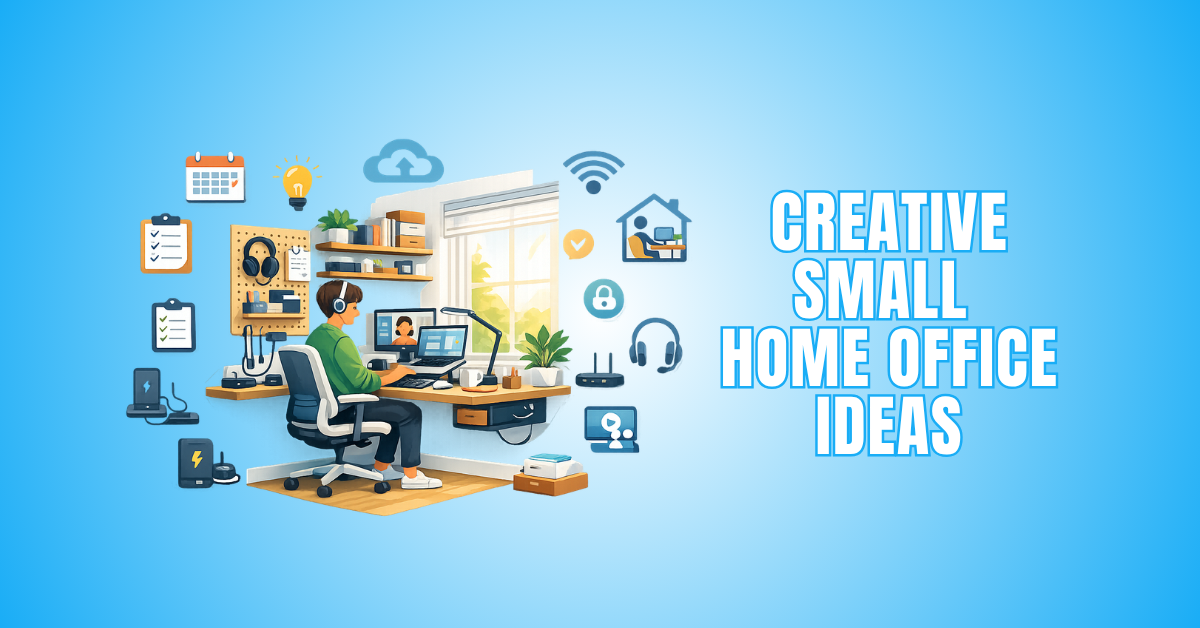
11 Creative Small Home Office Ideas To Maximize Your Space
Creative small home office ideas can turn even a limited space into a comfortable and productive place to work. You don’t need a large room or an expensive renovation to create a workspace that works well.
Thoughtful planning can make a surprising difference. The right home office layout, furniture, lighting, and storage can help you use every available inch without making the room feel crowded.
Whether you’re working remotely, running an online business, studying, or pursuing creative projects, your office should support the way you work. Even an unused corner or small alcove can become a practical workspace.
Adding personal touches can make your office feel inviting rather than purely functional. Choose colours, furnishings, and accessories that reflect your personality while helping you stay comfortable and organized.
A small home office can be both practical and stylish. The following ideas will help you make better use of the space you already have.
11 Creative Small Home Office Ideas To Try
Limited space can inspire some of the most practical and interesting workspace designs. The key is looking beyond a traditional desk-and-chair arrangement.
Multifunctional furniture, vertical storage, and clever layouts can help you use available space efficiently. Even unconventional areas of the home can become comfortable places to work.
Furniture placement also makes a noticeable difference. Choosing pieces that fit the available space can create a more open environment without sacrificing comfort or functionality.
Lighting, storage, plants, and personal touches can make a compact office more enjoyable to use. These details help create a workspace that feels welcoming rather than cramped.
The following ideas offer practical and creative ways to make better use of a small home office while creating a space that suits your work and personal style.
1. Create A Floating Wall Desk Office
When floor space is limited, a floating wall desk is one of the smartest creative small home office ideas. Mounting the desk directly to the wall keeps the floor open and makes a compact room feel less crowded.
This setup works particularly well in studio apartments, small bedrooms, alcoves, and other areas where a traditional desk would take up too much space. A simple floating surface can still provide plenty of room for everyday work essentials.
Choose a sturdy desktop and secure it properly to the wall with hardware suited to the wall type and expected weight. Position it at a height that allows you to work comfortably with your chosen chair.
Use the wall above the desk for floating shelves, a pegboard, or compact organizers. Keeping supplies off the desktop creates more workspace while keeping frequently used items within reach.
Materials And Design Essentials
Start with a durable desktop, sturdy brackets, and appropriate mounting hardware. Choose materials based on strength, stability, available space, and how you plan to use the desk.
An ergonomic chair, task lighting, floating shelves, and simple cable management can complete the setup. Add only the accessories you need so the workspace remains practical, comfortable, and uncluttered.
2. Design A Window-Facing Workspace For Natural Light
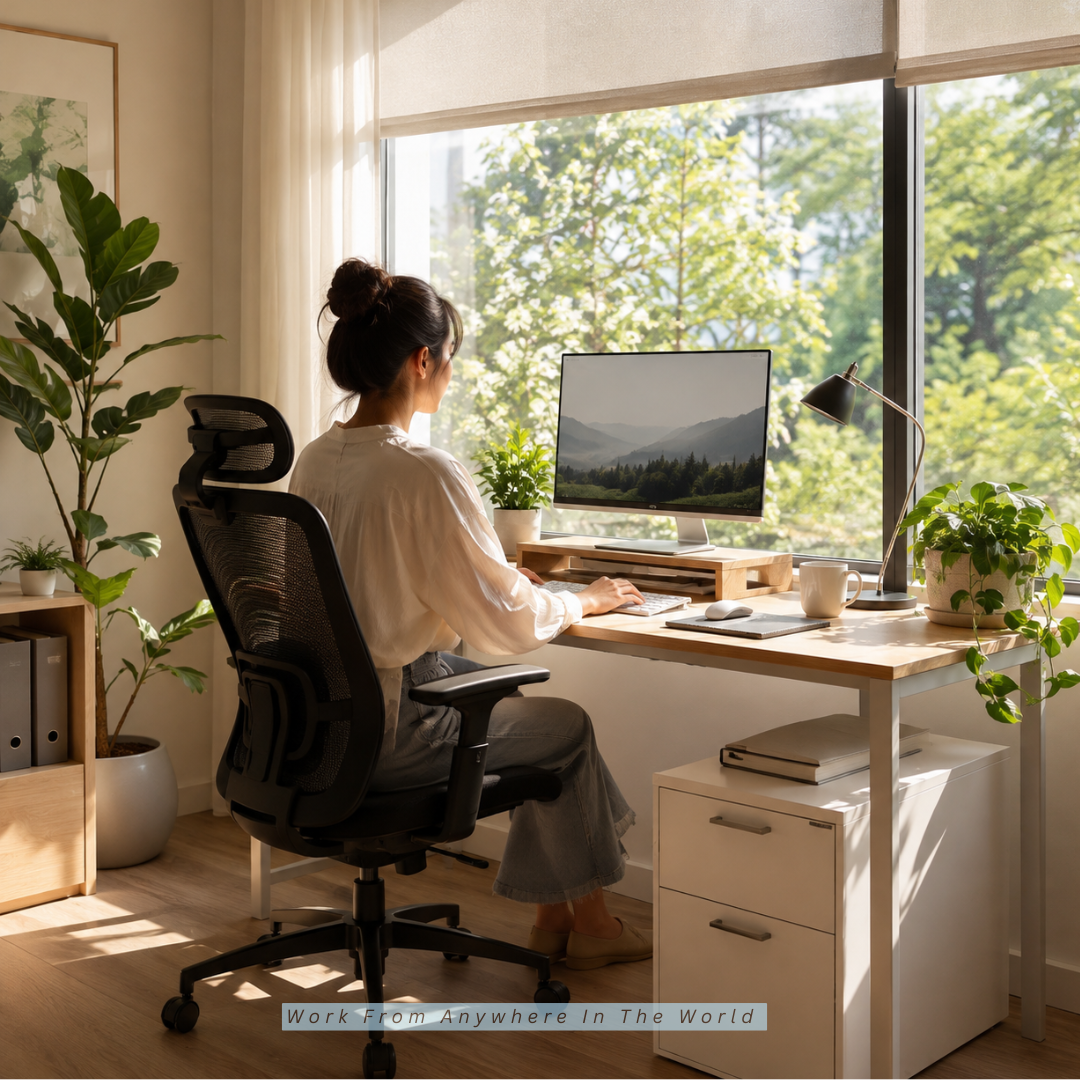
Positioning your desk near a window is one of the most inviting creative small home office ideas. Natural light can brighten a compact workspace and make it feel more open and comfortable.
An outdoor view also gives your eyes somewhere else to focus on during screen breaks. This setup can be especially appealing for writers, designers, content creators, and anyone who spends long periods at a desk.
Choose a compact desk that fits comfortably beside or in front of the window without unnecessarily blocking the light. Pair it with an ergonomic chair that supports you comfortably throughout your workday.
Light-filtering blinds or sheer curtains can help control screen glare while allowing daylight into the room. Adjusting your monitor position can also make working near a bright window more comfortable.
Materials And Design Essentials
Start with a compact desk, a supportive chair, and window coverings that let you control glare and brightness. A monitor stand or adjustable monitor arm can help you create a more comfortable setup.
A small drawer unit can keep supplies organized without occupying much floor space. Add low-maintenance indoor plants, such as a peace lily or rubber tree, to bring colour, greenery, and natural beauty into your workspace.
3. Build An L-Shaped Corner Office For Maximum Efficiency
An L-shaped desk can make excellent use of an otherwise underused corner while providing more workspace than a traditional desk. It is particularly useful when your work involves several different activities throughout the day.
One side can hold your computer, monitor, and everyday equipment, while the second provides space for paperwork, planning, or creative projects. Separating these activities can also help keep the main work area organized.
Choose an L-shaped desk that fits the available corner without interfering with doors, drawers, or walkways. Leave enough room behind the desk for your chair to move comfortably.
Vertical storage can make the setup even more efficient. Floating cabinets or shelves provide room for office supplies and documents without taking up additional floor space.
Materials And Design Essentials
Start with a sturdy corner desk and an adjustable ergonomic chair that supports comfortable working. Make sure the desktop provides enough room for your equipment without overwhelming the available space.
A monitor arm, cable organizer, task lamp, and compact storage can help keep the desktop uncluttered. Add a few framed prints or plants to personalize the office without sacrificing valuable working space.
4. Add A Mobile Office Cart For Flexible Working
A mobile office cart is a practical solution when you don’t have room for a permanent home office. It keeps everyday work essentials together and lets you move them wherever you need them.
This setup can work particularly well in a multipurpose home. You might work near a sunny window during the day, move to a quieter room for meetings, and store everything away when you’re finished.
Choose a sturdy rolling office cart with several tiers and lockable wheels. Separate your laptop, notebooks, chargers, stationery, and other supplies so you can reach frequently used items easily.
Pair the cart with a compact laptop table or folding desk and a comfortable chair. Small containers, cable pouches, and organizers can prevent smaller accessories from becoming lost or tangled.
Materials And Design Essentials
Look for a rolling cart with sturdy shelves, smooth-moving casters, and wheels that can be locked securely while you’re working. Check its dimensions and weight capacity before using it to store heavier equipment.
Use small containers or organizers to divide supplies among the shelves. When the workday is over, you can roll the entire setup into a closet or unused corner, freeing the room for other activities.
5. Convert The Space Under Your Stairs Into A Modern Office Retreat
The area beneath a staircase is often overlooked or used only for storage. With thoughtful planning, however, it can become a compact home office without taking space away from a bedroom or living area.
The natural shape of the staircase can also help define the workspace and separate it visually from the surrounding room. This makes an under-stair office particularly useful in homes without a dedicated office.
Start by carefully measuring the available width, depth, and headroom. A custom or fitted desk can make better use of the unusual dimensions than standard office furniture.
Use the taller sections for floating shelves and the area beneath the desktop for drawers or cabinets. Built-in storage helps maximize the available space while keeping paperwork and office supplies organized.
Materials And Design Essentials
Choose a sturdy desktop and storage that fit safely within the staircase dimensions. LED task lighting or under-shelf LED lighting can brighten an area that may receive little natural light without occupying valuable desk space.
Concealed cable channels can keep cords organized and out of the way. Finish the office with a comfortable chair, light wall colours, and a simple piece of artwork to make the small workspace feel welcoming without adding clutter.
6. Design A Green Office Filled With Indoor Plants
Plants can make a small home office feel warmer, fresher, and more inviting. They also add colour and texture without extra furniture or taking up valuable workspace.
A green office doesn’t need to resemble an indoor jungle. A few carefully chosen plants can create a natural focal point while keeping the workspace comfortable and uncluttered.
Choose plants based on the natural light in your office and the care you can realistically provide. Peace lilies, Ficus elastica, pothos, snake plants, and ZZ plants are popular indoor choices.
Use floating shelves for smaller plants and reserve floor space for one or two larger specimens. Positioning plants at different heights can add visual interest without crowding the desktop.
Materials And Design Essentials
Choose sturdy shelves and planters that are appropriate for the size and weight of your plants. Make sure containers have suitable drainage and protect desks, shelves, and flooring from excess moisture.
Natural wood furniture, woven baskets, and ceramic planters can complement the greenery without competing with it. Keep decorative accessories simple so the indoor plants remain the main feature of the workspace.

7. Create A Library-Style Office With Floor-To-Ceiling Shelves
A library-style office combines workspace and storage while making excellent use of vertical space. Floor-to-ceiling shelving can turn an otherwise plain wall into one of the most functional features of a small office.
Books, reference materials, storage baskets, and a few decorative pieces can all have designated places. This helps keep the desktop clear while giving the room a warm, established character.
Position a compact desk near or in front of the shelving without blocking access to frequently used items. Adjustable shelves provide flexibility as your storage needs change.
Add lighting to selected shelves to brighten darker areas and highlight books or decorative pieces. Keep displays relatively simple so the shelving feels organized rather than visually crowded.
Materials And Design Essentials
Choose sturdy floor-to-ceiling shelving designed to support the weight of books, files, and other items you plan to store. Secure tall shelving properly to reduce the risk of tipping.
Pair the shelves with a compact desk and supportive chair that suit the available space. Matching baskets or boxes can conceal paperwork and smaller office supplies while maintaining the library-inspired appearance.
8. Transform An Attic Into A Cozy Creative Studio
An attic can provide valuable workspace when the main areas of a home are already being used. Its separation from busier rooms can also make it appealing for focused or creative work.
Sloped ceilings and unusual angles give attic offices plenty of character, but they also require careful planning. Furniture that works with the shape of the room can make otherwise awkward areas surprisingly useful.
Place the desk where you have comfortable headroom and enough space to move around safely. Lower areas beneath sloped ceilings can be used for built-in storage, drawers, or cabinets instead of being wasted.
Natural light can make an attic office feel brighter and more spacious. Existing skylights or roof windows are especially useful, while well-placed task and ambient lighting can brighten areas that get less daylight.
Materials And Design Essentials
Choose furniture that fits the attic’s dimensions without making the room feel crowded. Comfortable seating, soft rugs, and acoustic treatments can help create a quieter, more inviting work environment.
Good insulation, ventilation, and temperature control are also important because attic temperatures can fluctuate considerably throughout the year. Light wall colours and simple furnishings can help the finished office feel open, comfortable, and cohesive.
Wealthy Affiliate – Mini Review
If you’ve ever thought about turning your blog, passion, or niche into an online business,
Wealthy Affiliate (WA) is one of the most beginner-friendly platforms I’ve used.
It combines step-by-step training, website hosting, AI-powered tools,
keyword research, and an active community all in one place.
What I like most is that you can start for free (no credit card needed), explore the platform,
test the tools, and connect with other entrepreneurs before upgrading.
WA isn’t a “get rich quick” scheme — success comes from consistent effort
and applying what you learn over time.
9. Create A Scandinavian-Inspired Minimalist Workspace
A Scandinavian-inspired office can make a small workspace feel brighter, calmer, and more spacious. The style combines simple forms, practical furniture, natural materials, and an uncluttered layout.
Light colours are particularly useful in compact rooms because they help create an open appearance. White, soft grey, beige, and pale wood tones provide a neutral foundation without making the office feel cold.
Choose a light wood or white desk with slim legs to maintain openness. Pair it with a comfortable ergonomic chair that complements the simple design without adding unnecessary bulk.
Keep accessories intentional, not filling every available surface. A floating shelf, woven basket, simple artwork, and one or two plants can add warmth and personality while preserving the minimalist look.
Materials And Design Essentials
Natural wood, woven fibres, simple storage, and soft lighting work particularly well in a Scandinavian-inspired office. Choose durable furniture with clean lines and enough storage to keep everyday supplies organized.
Warm task lighting can make the workspace more inviting, particularly during darker hours. Keep decorative pieces to a minimum so the room remains functional, comfortable, and visually uncluttered.
10. Design A Dual-Purpose Office And Reading Nook
A small home office can serve more than one purpose when you plan the space carefully. Adding a reading nook creates a comfortable place to step away from the desk without requiring a separate room.
The reading area can be useful for reviewing documents, brainstorming ideas, or simply enjoying a book during a break. Keeping it close to the workspace makes the room versatile without interfering with its primary function.
Position the desk near natural light when possible and place a compact reading chair nearby. Leave enough space between the two areas so you can move comfortably without making the room feel crowded.
Floating bookshelves can keep favourite books within reach without using valuable floor space. A small side table and floor lamp complete the reading area while helping distinguish it from the main workspace.
Materials And Design Essentials
Choose a compact desk, supportive office chair, and reading chair that fit comfortably within the available space. Furniture with relatively small proportions can help maintain an open feeling in a multipurpose room.
Layered lighting allows each part of the room to function independently. Add a soft rug, cushions, or a textured throw for warmth, while keeping decorative elements consistent so the office and reading nook feel like one cohesive space.
11. Build A Smart Home Office With Hidden Technology
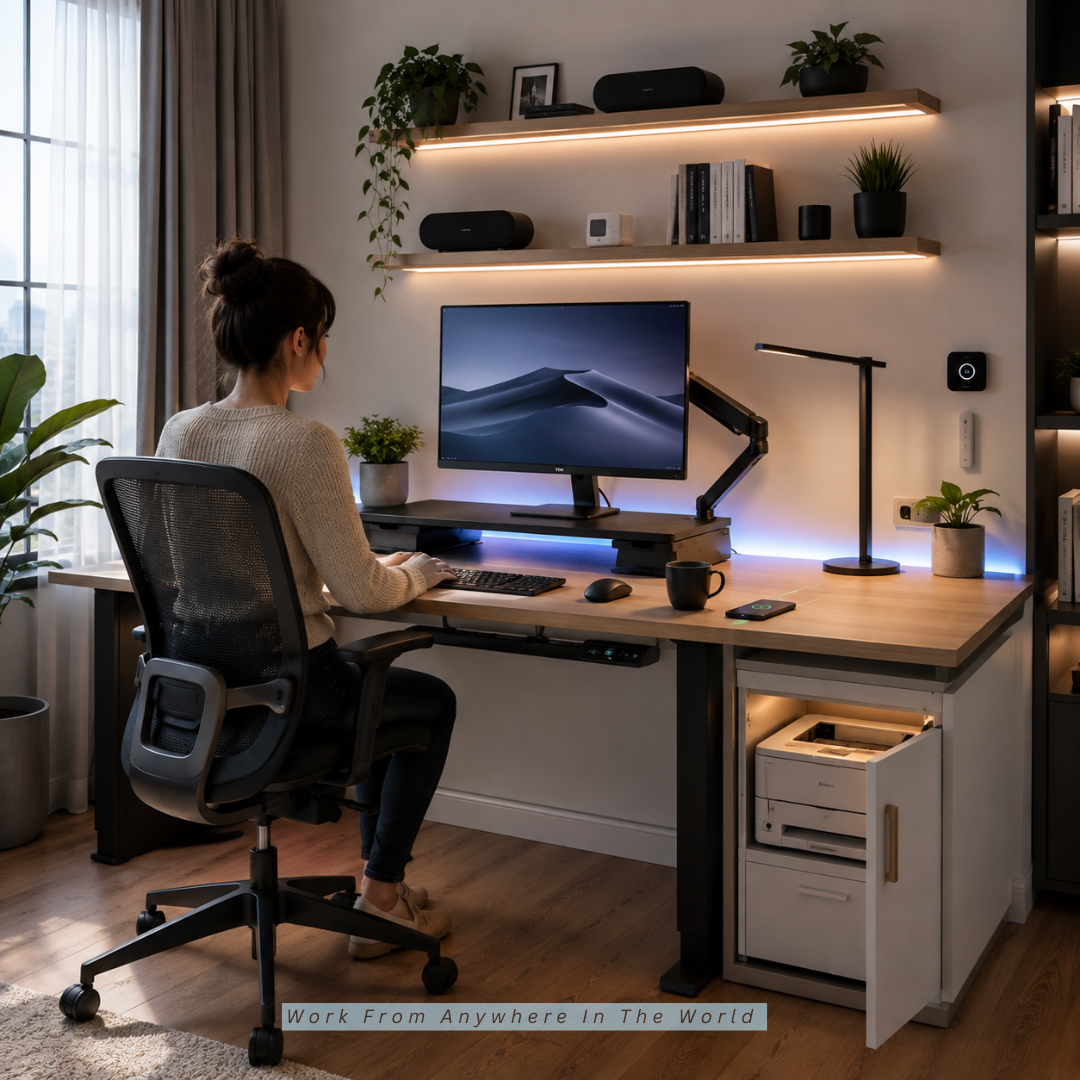
Technology can make a small home office more functional without filling the workspace with visible devices and cables. The key is choosing features that simplify everyday tasks while keeping the room organized.
Hidden and wireless technology is particularly useful when desktop space is limited. Wireless charging, concealed cables, and compact accessories can reduce clutter while keeping essential equipment within easy reach.
Install cable management trays beneath the desk and use a monitor arm to free additional working space. Wireless charging can also reduce the number of cords running across the desktop.
Smart lighting and plugs can provide convenient control over lamps and other office equipment. Choose devices that are compatible with the technology you already use rather than adding unnecessary systems.
Materials And Design Essentials
Start with reliable cable management, wireless charging, monitor arms, and smart lighting that genuinely improve the way you use your workspace. Concealed power solutions can keep cords accessible without leaving them visible across the desk.
A compact cabinet can hide a printer and related supplies, while a standing desk converter provides another way to change your working position without replacing your existing desk. Choose space-saving technology that improves function while keeping your workspace clean and uncluttered.
Frequently Asked Questions
Q1: What Furniture Is Essential For A Productive Home Office?
A comfortable ergonomic chair, sturdy desk, task lighting, and practical storage provide a strong foundation. Choose furniture that fits your space and supports how you work each day.
Cable organizers, monitor stands, and compact drawers can improve organization without taking up unnecessary room. A few carefully chosen accessories can also make the workspace more comfortable and inviting.
Q2: Is Natural Lighting Important For A Home Office?
Yes. Natural light can make a home office feel brighter, more open, and more pleasant to work in. Positioning your desk near a window can help you make better use of available daylight.
Light-filtering blinds or curtains can reduce uncomfortable screen glare when needed. Good task lighting is still useful for cloudy days, darker areas, and evening work.
Q3: How Can I Organize A Small Office Without Adding Bulky Furniture?
Use vertical and overlooked spaces instead of adding large pieces of furniture. Floating shelves, pegboards, wall organizers, and under-desk storage can keep supplies accessible without occupying much floor space.
A rolling cart is another flexible option because you can move it or store it when you’re finished working. Keeping frequently used items within reach also helps prevent the desktop from becoming cluttered.
Q4: Where Is The Best Place To Put A Desk In A Small Home Office?
Choose a location that provides enough room to sit and move comfortably without blocking doors or walkways. Natural light is helpful, but position your screen carefully to minimize glare.
The room’s shape can also guide desk placement. Corners, alcoves, unused walls, and areas beneath stairs can all become practical workspaces with the right setup.
Q5: How Can I Make A Small Home Office Feel More Spacious?
Use light colours, compact furniture, vertical storage, and a simple layout to keep the room feeling open. Slim-profile furniture can also reduce visual bulk in a limited space.
Keep the desktop relatively clear and avoid filling every wall or shelf with accessories. Good lighting and a few indoor plants can add warmth without making the office feel crowded.
Q6: Can A Small Home Office Serve More Than One Purpose?
Yes. A small home office can share space with a bedroom, living area, reading nook, guest room, or other multipurpose area. The key is choosing furniture that suits both uses without overwhelming the room.
Floating desks, folding furniture, mobile carts, and compact storage can make transitions easier. Thoughtful organization keeps the workspace functional while the room continues serving its other purpose.
Conclusion
The best creative small home office ideas use the space you already have while keeping comfort and functionality in mind. Even a small corner can become an enjoyable place to work with the right layout.
Floating desks, vertical storage, compact furniture, natural light, and multifunctional spaces can help you use limited square footage effectively. Simple solutions often make the biggest difference in a smaller office.
Your workspace should also reflect the way you work. Comfortable furniture, practical storage, good lighting, greenery, and carefully chosen technology can create an office that feels organized without becoming cluttered.
With a little creativity and planning, you can create a small home office that feels welcoming, personal, and well-suited to your everyday work.
I trust you enjoyed this article on 11 Creative Small Home Office Ideas To Maximize Your Space. Please stay tuned for more insightful blogs on affiliate marketing, online business, and working from anywhere in the world.
Take care!
— JeannetteZ 🌍✨
💬 Your Opinion Is Important To Me
Do you have thoughts, ideas, or questions? I’d love to hear from you. Please leave your comments below or email me directly at Jeannette@WorkFromAnywhereInTheWorld.com.
📚 More Work From Anywhere Reads
🚀 Ready to Build a Business You Can Run from Home
Or from Anywhere in the World?
Imagine creating income on your terms — from home, a cozy café, or wherever life takes you.
With the right tools, training, and community support, it’s entirely possible.
Start your own online business for free — no credit card needed.
Disclosure
This post may contain affiliate links. As an Amazon Associate and participant in other affiliate programs, I earn from qualifying purchases at no extra cost to you. Please read my full affiliate disclosure.