15 Best Small Home Office Design Ideas
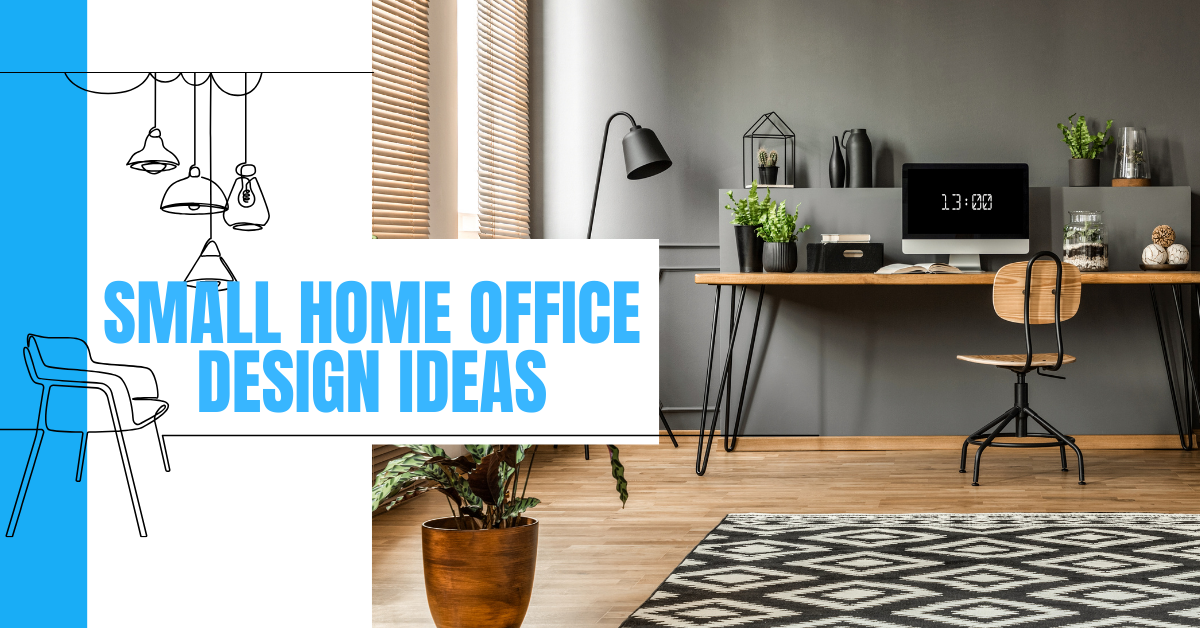
Small Home Office Design Ideas have become increasingly important as more people work remotely or run businesses from home. Whether you have a dedicated office or only a small corner of a room, a well-designed workspace can improve productivity, comfort, and focus throughout the day.
Creating an efficient home office isn’t just about choosing the right desk and chair. Lighting, storage, organization, colour schemes, and ergonomic furniture all contribute to a workspace that is both functional and enjoyable.
This guide explores 15 of the best small home office design ideas to help you maximize your available space and create a comfortable, stylish, and productive work environment.
What Are Small Home Office Design Ideas?
Small home office design ideas are practical strategies and creative solutions for creating a comfortable, functional, and productive workspace in a limited area.
They focus on maximizing available space through smart layouts, ergonomic furniture, efficient storage, proper lighting, and thoughtful décor.
Whether you’re working from a spare bedroom, a living room corner, a hallway, or even a closet, the right design choices can help you create an organized workspace that supports productivity without sacrificing style or comfort.
Exploring The Small Home Office Design Ideas
1. Assess Your Needs And Space
Creating a functional home office begins with careful planning rather than simply choosing furniture or décor. By assessing your available space, work requirements, and personal preferences, you can design a workspace that improves productivity, comfort, and organization.
The following small home office design ideas will help you make the most of your available space while creating an environment that supports your daily work routine.
Identify Your Work Requirements
Before purchasing furniture or reorganizing a room, take time to evaluate how you work and what your workspace needs to accomplish your work.
Understanding your daily tasks, available space, and storage requirements will help you create a home office that is both practical and comfortable.
For Example
Expansive Desks For Writers And Designers
Writers and designers often require spacious desks to accommodate tools like notebooks, sketchpads, laptops, and other materials, ensuring an organized and efficient workflow.
Soundproofing And Lighting For Remote Workers
Remote workers prioritize soundproofing for clear communication in virtual meetings and proper lighting to maintain professionalism and avoid eye strain during long hours of screen time.
Storage For Entrepreneurs
Entrepreneurs managing inventory or documents need efficient storage solutions, such as shelves, cabinets, or bins, to keep essential items accessible, organized, and secure, streamlining business operations.
Evaluate Available Space
Your home office doesn’t require a dedicated room. It can be placed in an unused corner, hallway, or closet. Measure your space carefully and sketch a rough layout to understand what furniture and decor will fit.
Pro Tip
Online room planning tools like Roomstyler or Planner 5D can help you visualize your ideas.
2. Choose The Right Location For Your Small Home Office
The location of your home office can significantly impact your productivity, comfort, and ability to stay focused. Even if you don’t have a dedicated room, many unused or shared spaces can be transformed into practical and attractive work areas with a little creativity.
Repurpose Unused Spaces
Look around your home for underused areas that can be converted into a functional workspace. With thoughtful planning, even the smallest spaces can become comfortable and productive home offices.
Closets
Remove closet doors and install a foldable desk to create a minimalist office setup. This approach provides privacy when needed and allows the workspace to be tucked away when not in use.
Hallways
A narrow console table can double as a work desk in a hallway, making it a practical solution for limited spaces. This setup helps maintain a clean, uncluttered appearance while providing a functional workspace.
Integrate With Shared Areas
If a dedicated office isn’t an option, incorporate your workspace into a shared living area. Choosing furniture that blends with your home’s décor helps create a seamless and attractive multi-purpose space.
Desk As Decorative Console In Living Room
Choose a stylish desk that blends seamlessly with your living room décor and functions as a decorative console table when not in use. This approach combines style and functionality while making efficient use of available space.
Desk As Nightstand In Bedroom
Position a desk beside your bed so it can also function as a nightstand. This creates a practical workspace without compromising the comfort or appearance of your bedroom.
Real-Life Example
A New York freelancer transformed a small window nook into an inspiring home office by installing a floating desk and adding a few potted plants. This simple design maximized natural light and created a comfortable, productive workspace without requiring a separate room.
3. Optimize Layout For Functionality
A well-planned layout can make even the smallest home office feel more spacious and efficient. By making smart use of your available space and choosing practical furniture, you can create a workspace that is comfortable, organized, and productive.
Think Vertically
Making use of vertical space helps keep your desk clear while maximizing storage. Floating shelves, wall-mounted organizers, and pegboards keep frequently used items within easy reach without taking up valuable floor space.
Practical Examples
Simple storage solutions can make a significant difference in keeping your home office organized and clutter-free.
Stackable Bins For Documents
Stackable bins provide an efficient way to organize important documents while saving space. They help keep paperwork neatly sorted, easily accessible, and off your desktop.
Wall Grids For Office Supplies
Wall grids are ideal for organizing office supplies such as pens, scissors, sticky notes, and small accessories. They free up desk space while adding a functional and decorative element to your workspace.
Compact Furniture Options
Choosing furniture designed for small spaces allows you to maximize functionality without sacrificing comfort or style.
Foldable Wall-Mounted Desk
A wall-mounted desk folds away when not in use, making it an excellent choice for multifunctional rooms and compact living spaces. It provides a practical workspace while maintaining a clean, minimalist appearance.
Chairs Tucked Under Desks
Select chairs that slide completely under your desk when not in use. This simple solution saves floor space and helps maintain a tidy, uncluttered work environment.
Desks With Built-In Storage
Desks with built-in drawers or compartments provide convenient storage for office supplies, documents, and other essentials. Keeping frequently used items organized and within reach helps reduce clutter and improve productivity.
4. Prioritize Ergonomics
A comfortable and ergonomic workspace is essential for maintaining productivity and protecting your long-term health. Choosing the right furniture and equipment can reduce fatigue, improve posture, and make long hours at your desk much more comfortable.
Small Office Desk And Chair Tips
Making a few ergonomic adjustments can significantly improve your comfort while working. Focus on selecting furniture and accessories that support proper posture and reduce physical strain.
Proper Desk Height
Choose a desk height that allows your elbows to rest comfortably at a 90-degree angle while typing. This helps promote proper posture and reduces strain on your shoulders, wrists, and arms during long work sessions.
Adjustable Chair With Lumbar Support
Use an adjustable chair with built-in lumbar support to maintain the natural curve of your lower back. Proper seating improves comfort and helps reduce the risk of back pain during extended periods of sitting.
Elevate Monitor To Eye Level
Position your monitor so the top of the screen is at or slightly below eye level. A monitor riser is a simple yet effective addition to small home office design ideas, helping reduce neck strain and encourage a more natural sitting posture.
Standing Desk Options
If space allows, consider using a convertible standing desk that lets you alternate between sitting and standing throughout the day. Changing positions regularly can improve circulation, increase energy levels, and help reduce the discomfort associated with prolonged sitting.
5. Light Up Your Workspace
Proper lighting plays an essential role in creating a comfortable and productive home office. Combining natural and artificial lighting helps reduce eye strain, improve focus, and create a workspace that’s enjoyable throughout the day.
Make The Most Of Natural Light
Whenever possible, position your desk near a window to take advantage of natural daylight. Use light curtains or blinds that allow sunlight to enter while minimizing glare on your computer screen.
Layer Your Lighting
Relying on a single light source often creates shadows and uneven lighting. Combining task lighting with ambient lighting provides better visibility and creates a more comfortable working environment.
Task Lamp With Adjustable Brightness
An adjustable task lamp provides focused lighting for reading, writing, and other detailed tasks. Being able to control the brightness also helps reduce eye strain throughout the day.
Warm Ambient Lighting
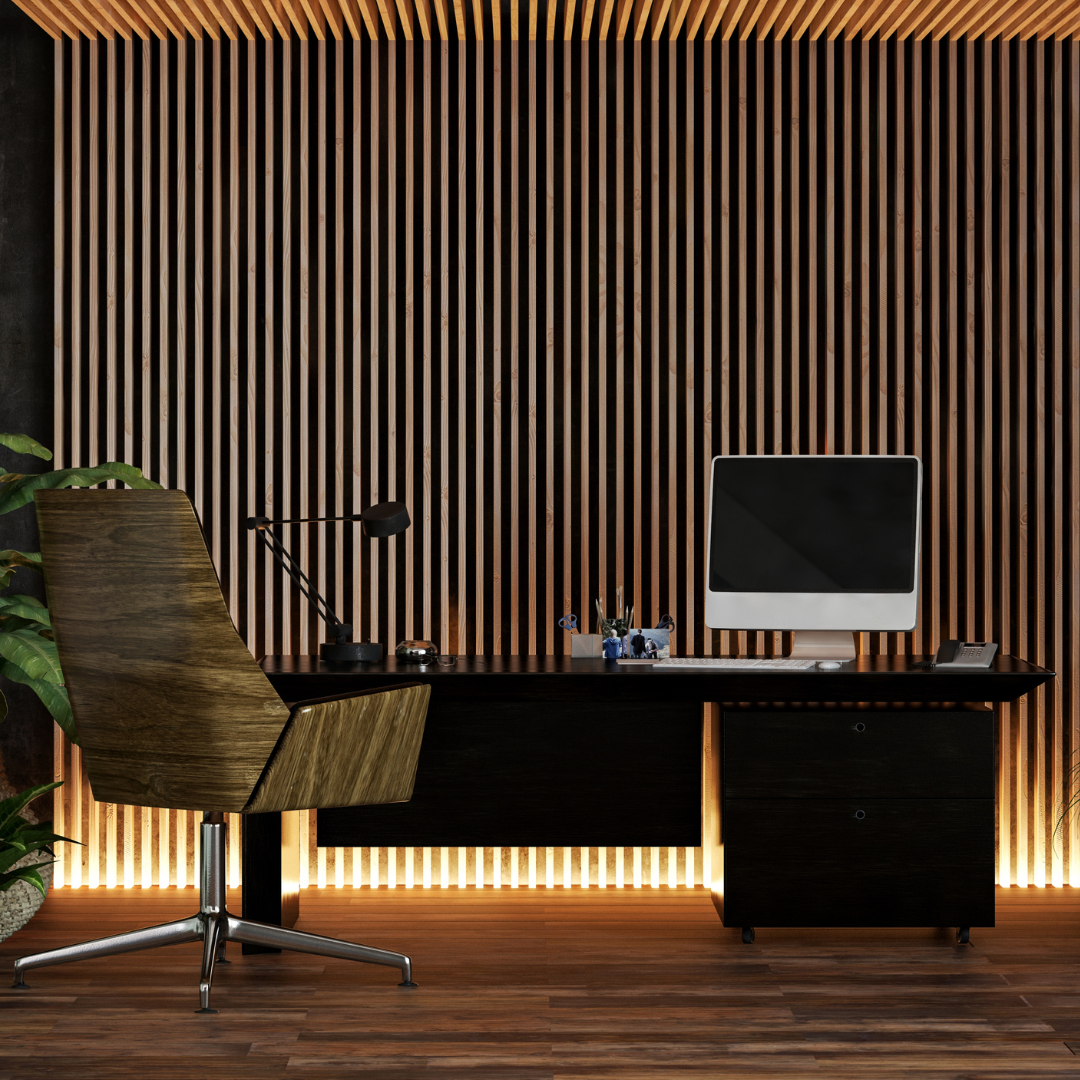
Add warm ambient lighting with floor lamps, table lamps, or LED light strips to create a comfortable atmosphere. Soft lighting helps reduce harsh contrasts and makes your workspace more inviting, especially during the evening.
Budget-Friendly Lighting Tip
Improving your workspace lighting doesn’t have to be expensive. Replacing harsh white bulbs with softer daylight or warm LED bulbs is an affordable way to create a brighter, more welcoming home office.
6. Smart Storage Solutions
Keeping your home office organized is essential for maintaining productivity and making the most of a small workspace. Smart storage solutions help reduce clutter, improve efficiency, and ensure your most-used items are always within easy reach.
Make Use Of Hidden Storage
Hidden storage is an excellent way to maximize limited space while maintaining a clean, uncluttered appearance. Multifunctional furniture and under-desk storage help keep office essentials organized without taking up additional room.
Dual-Purpose Furniture
Choose multifunctional furniture, such as ottomans with hidden storage or desks with built-in drawers, to maximize functionality while minimizing clutter. These pieces provide valuable storage without sacrificing style or space.
Under-Desk Storage Bins
Storage bins placed beneath your desk are ideal for organizing office supplies, cables, and technology accessories. They keep essential items within easy reach while maintaining a neat and organized workspace.
Wall-Mounted Storage Solutions
Wall-mounted storage helps free up valuable desk and floor space while keeping frequently used items easily accessible. Floating shelves, wall hooks, and pegboards are practical additions for organizing supplies in a compact home office.
Real-Life Example
A Seattle artist transformed a small studio corner into a functional workspace by installing pegboards to organize art supplies and tools. This simple storage solution freed up valuable desk space while creating an efficient and inspiring work environment.
7. Choose An Inspiring Colour Palette For Your Small Home Office
The colours you choose for your home office can influence your mood, creativity, and productivity. A well-balanced colour palette helps create a workspace that feels comfortable, inviting, and conducive to focused work throughout the day.
Light And Neutral Shades
Light colours such as white, soft grey, beige, and pastel tones help reflect natural light and make a small home office appear larger and more open. These neutral shades also create a calm environment that minimizes visual distractions.
Accent Colours
Accent colours can add personality and energy without overwhelming your workspace. Warm tones like yellow and orange can encourage creativity, while greens and blues promote calmness, concentration, and reduced stress.
Add Personal Touches
Personalizing your workspace makes it more enjoyable and motivating to use every day. Display framed photos, artwork, inspirational quotes, or decorative accessories that reflect your personality while keeping the space clean and uncluttered.
Balance Colour And Simplicity
Avoid using too many bold colours or decorative elements in a small office, as they can make the space feel busy and distracting. A simple colour scheme with a few carefully chosen accents creates a more balanced and productive work environment.
Wealthy Affiliate – Mini Review
If you’ve ever thought about turning your blog, passion, or niche into an online business,
Wealthy Affiliate (WA) is one of the most beginner-friendly platforms I’ve used.
It combines step-by-step training, website hosting, AI-powered tools,
keyword research, and an active community all in one place.
What I like most is that you can start free (no credit card needed), explore the platform,
test the tools, and connect with other entrepreneurs before upgrading.
WA isn’t a “get rich quick” scheme — success comes from consistent effort
and applying what you learn over time.
8. Stay Organized And Clutter-Free
An organized workspace makes it easier to stay focused, work efficiently, and reduce unnecessary distractions. Developing simple organizational habits will help keep your small home office tidy and functional every day.
Declutter Regularly
Adopt a minimalist approach by removing items you no longer use or need. Keeping only essential equipment and supplies on your desk makes your workspace feel larger, cleaner, and more inviting.
Effective Organization Systems
Creating practical storage systems helps you find what you need quickly while preventing clutter from building up over time.
Labelled Bins Or File Boxes
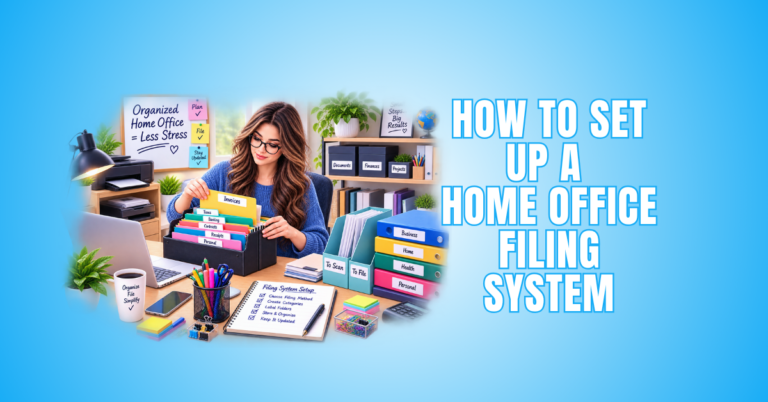
Use labelled bins or file boxes to organize paperwork, office supplies, and important documents. A simple filing system saves time and keeps your workspace neat and efficient.
Cable Management
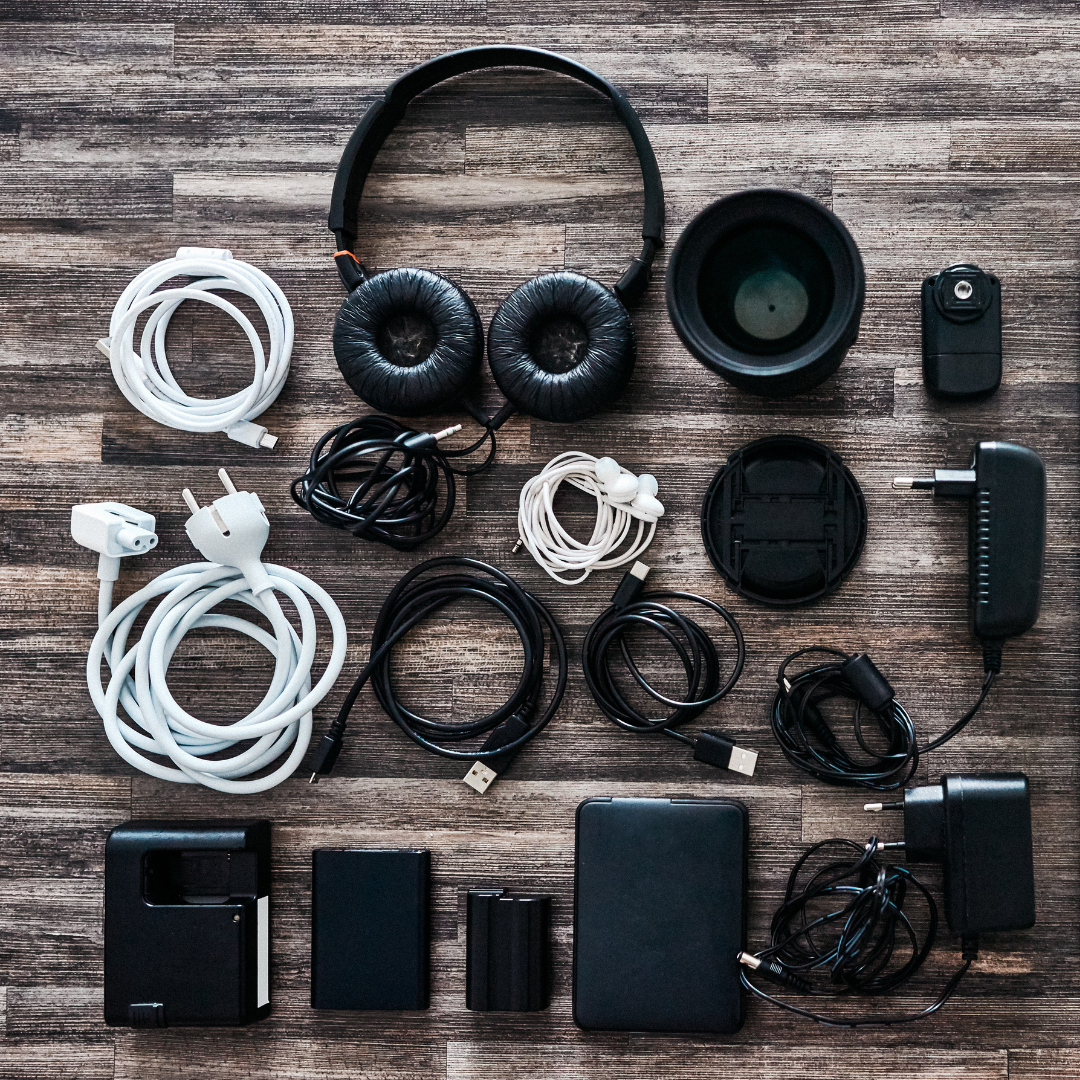
Organize power cords and charging cables using cable clips, sleeves, or cable boxes to prevent tangles and reduce clutter. Good cable management also improves safety and gives your home office a cleaner, more professional appearance.
Quick Organization Tip
Set aside just 10 minutes at the end of each workday to tidy your desk and put items back in their proper place. Maintaining a clutter-free workspace makes it easier to start each day feeling organized and productive.
9. Manage Noise Levels In Your Small Home Office Space
A quiet workspace makes it easier to concentrate, participate in virtual meetings, and complete tasks efficiently. If you work in a busy household or shared living space, reducing noise distractions can significantly improve your productivity.
Simple Soundproofing Solutions
You don’t need to renovate your home to create a quieter workspace. A few simple additions can help absorb sound and reduce unwanted noise throughout the day.
Rugs To Absorb Sound
Place rugs or carpets on hard flooring to help absorb sound and reduce echoes. This simple addition creates a quieter and more comfortable working environment.
Curtains Or Heavy Drapes
Thick curtains or heavy drapes can help reduce outside noise while also improving sound insulation. They are especially useful if your workspace is near a busy street or a frequently used area of your home.
Acoustic Foam Panels
Acoustic foam panels absorb sound and minimize echoes, making them an excellent option for recording videos, participating in virtual meetings, or working in a dedicated home office.
Noise-Cancelling Headphones
Noise-cancelling headphones are an effective way to block background distractions and improve concentration. They are especially helpful when working in shared spaces or during virtual meetings where clear audio is essential.
10. Technology Tips
Technology can help you create a more efficient and streamlined home office without taking up unnecessary space. Choosing compact devices and practical accessories keeps your workspace organized while improving your daily workflow.
Choose Compact Technology
Compact and multifunctional devices help maximize your available workspace while reducing unnecessary clutter.
Wireless Keyboards And Mice
Use wireless keyboards and mice to eliminate cable clutter and create a cleaner, more organized workspace. They also provide greater flexibility when arranging your desk.
All-In-One Printer Or Compact Devices
Choose an all-in-one printer or other compact devices that combine multiple functions into a single unit. This saves valuable desk space while reducing the need for additional equipment.
Keep Your Devices Powered
Instead of repeating cable management, I’d replace it with something different.
Charging Station
A dedicated charging station keeps your phone, tablet, headphones, and other devices organized in one convenient location. It also reduces clutter by preventing chargers from being scattered across your desk.
Surge Protector
Use a quality surge protector to protect your computer and other electronic devices from unexpected power surges. Choosing a model with USB charging ports can also reduce the number of separate chargers you need.
11. Decorate With Purpose
Thoughtful décor can make your home office more enjoyable, motivating, and comfortable without creating unnecessary clutter. Choosing decorations that reflect your personality while supporting a productive work environment helps create a space where you’ll enjoy spending time each day.
Add Greenery
Adding plants is an easy way to bring colour and a sense of calm to your workspace. Low-maintenance plants such as pothos, snake plants, succulents, or peace lilies can improve the atmosphere while requiring very little care.
Display Meaningful Artwork
Artwork, inspirational quotes, or motivational posters can make your workspace feel more personal and inviting. Choose pieces that inspire creativity, encourage focus, or reflect your personal style without overwhelming the room.
Create DIY Décor
DIY décor projects allow you to personalize your home office while staying within your budget. Custom corkboards, painted mason jars, decorative storage boxes, or handmade organizers can add character while helping keep your workspace neat and functional.
Keep Decorations Balanced
Decorating your workspace doesn’t mean filling every available surface. A few carefully selected decorative pieces create a welcoming atmosphere while maintaining the clean, organized appearance that supports productivity.
12. Explore Budget-Friendly Ideas
Creating an attractive and functional home office doesn’t have to be expensive. With a little creativity and careful planning, you can design a productive workspace using affordable materials, second-hand furniture, and simple DIY projects.
DIY Solutions
Building or repurposing your own furniture is a great way to save money while creating a workspace that suits your needs and personal style.
Craft A Minimalist Desk
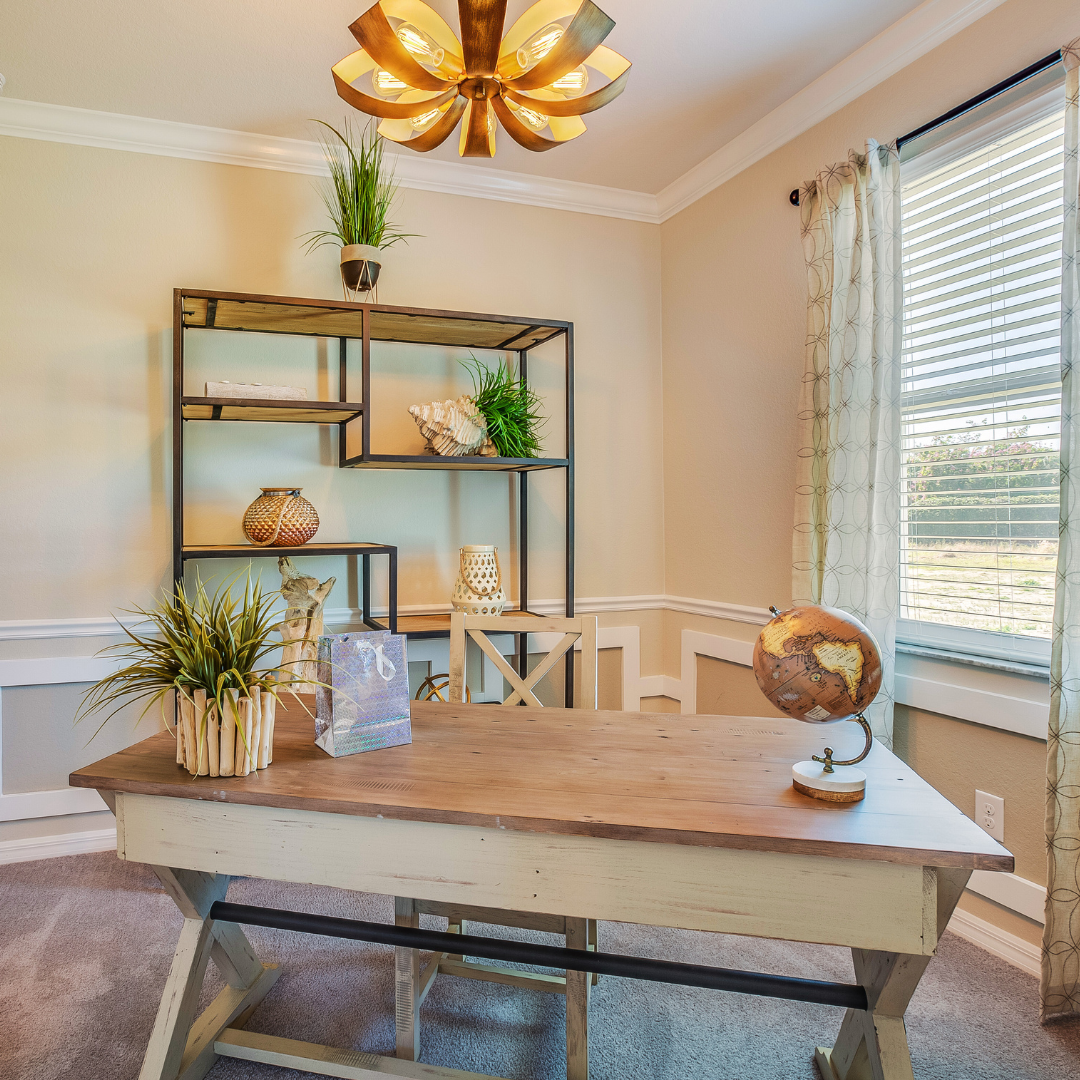
Build a simple desk using wooden planks and trestle legs for an affordable and customizable workspace. This DIY project adds a practical, rustic touch while allowing you to create a desk that fits your available space.
Repurpose Crates Or Pallets
Wooden crates or pallets can be transformed into attractive shelving units or storage solutions. Paint or stain them to match your décor while adding affordable organization to your home office.
Shop Second-Hand And Upcycle
Buying used furniture and giving older pieces a new life is an excellent way to furnish your home office while keeping costs low. Many second-hand items are high quality and can be customized to match your style.
Hunt For Affordable Finds
Browse thrift stores, garage sales, Craigslist, or Facebook Marketplace for affordable desks, chairs, shelving, and décor. Shopping second-hand can help you find unique pieces while staying within your budget.
Upcycle Old Furniture
Refresh existing furniture with a coat of paint, new hardware, or minor repairs instead of buying new pieces. Upcycling is a cost-effective and environmentally friendly way to create a personalized home office.
13. Productivity Enhancers
Creating a productive home office goes beyond choosing the right furniture and décor. Simple tools and healthy work habits can help you stay organized, maintain focus, and work more efficiently throughout the day.
Organization Tools
Using practical planning tools makes it easier to manage your workload, prioritize tasks, and keep important information within easy reach.
Task Management Tools
Whiteboards, corkboards, and task boards provide a simple way to organize projects, track deadlines, and visualize daily priorities. Updating your tasks regularly helps you stay focused and productive throughout the day.
Stylish Planner
A well-designed planner helps you organize appointments, deadlines, and daily goals in one convenient place. Whether you prefer a paper planner or a digital version, keeping a structured schedule can improve productivity and reduce stress.
Create A Space To Recharge
Taking regular breaks is just as important as staying productive. A dedicated relaxation area can help you refresh your mind and return to work with renewed focus.
Relaxation Area
If space allows, create a small relaxation area with a comfortable chair, bean bag, or yoga mat. Stepping away from your desk for a few minutes can improve concentration and help prevent burnout.
Recharging Techniques
Simple activities such as stretching, deep breathing, meditation, or a short walk can help reduce stress and improve mental clarity. Taking regular breaks throughout the day supports both productivity and overall well-being.
14. Multi-Functional Workspaces
Making one room serve multiple purposes is an excellent way to maximize limited space without sacrificing functionality. Multi-functional furniture and flexible layouts allow your home office to adapt to your changing needs throughout the day.
Dual-Purpose Furniture
Furniture that serves multiple purposes helps you create an efficient workspace while making the most of every square foot. These versatile solutions are especially valuable in apartments, small homes, and shared living spaces.
Murphy Bed
A Murphy bed folds neatly into the wall when not in use, freeing valuable floor space for your home office during the day. This practical solution allows a single room to serve as both a productive workspace and a comfortable guest room or bedroom.
Convertible Desks
Convertible desks can be folded away or transformed into compact storage units when not in use. They help maintain a tidy, organized workspace while making the room more flexible for other daily activities.
15. Planning Your Layout Digitally
Planning your home office before buying furniture can save time, money, and unnecessary frustration. Digital planning tools make it easier to experiment with different layouts, compare design ideas, and create a workspace that fits your available space and work requirements.
Gather Inspiration With Pinterest
Pinterest is an excellent source of inspiration for small home office design ideas, offering thousands of layouts, colour palettes, furniture styles, and storage solutions. Create Pinterest boards to save your favourite ideas and compare different design styles before making purchasing decisions.
Look for space-saving layouts, multifunctional furniture, and organization ideas that match your available space and personal style. Saving your favourite Pins to organized boards makes it easy to revisit your ideas when planning or decorating your home office.
Test Your Layout With SketchUp
SketchUp and similar room-planning applications allow you to create a digital floor plan and experiment with different furniture arrangements before moving anything.
Testing layouts virtually helps ensure that your furniture fits comfortably while maintaining good traffic flow and functionality.
Digital planning also makes it easier to maximize natural light, identify storage opportunities, and create a balanced workspace that supports both comfort and productivity.
FAQs
Q1: What Are Some Essential Furniture Items For A Small Home Office?
The essentials include a compact desk, a comfortable chair, storage solutions such as shelves or file organizers, and good lighting.
Q2: What Are Some Budget-Friendly Tips For Designing A Small Home Office?
Repurpose existing furniture, shop for second-hand items, create DIY décor, and focus on minimalism to avoid unnecessary expenses.
Q3: How Can I Personalize My Small Home Office?
Add personal touches such as framed photos, motivational quotes, indoor plants, or your favourite colour scheme to create a workspace that reflects your personality.
Q4: What Technology Do I Need In A Small Home Office?
A compact laptop or desktop computer, a wireless printer, noise-cancelling headphones, and a reliable internet connection are excellent starting points for an efficient home office.
Q5: How Can I Stay Motivated While Working In A Small Office Space?
Keep your workspace tidy, display inspiring artwork or quotes, and take regular breaks to maintain productivity, focus, and overall well-being.
Q6: What Are Some Creative Ways To Decorate A Small Home Office?
Use wall art, an accent wall, or pegboards to add both style and functionality. Decorative storage boxes, indoor plants, and soft lighting can also create a warm and inviting workspace.
Q7: How Can I Incorporate A Small Home Office Into A Bedroom?
Use a foldable desk that can be tucked away when not in use, or position a compact desk near a window to create a dedicated workspace without overcrowding the room.
Q8: Can I Design A Home Office In A Small Closet?
Yes. A “cloffice” (closet office) can be created by installing a compact desk or floating shelf, adding task lighting, and using wall-mounted organizers to maximize vertical storage.
Conclusion
The right small home office design ideas can transform even the most limited space into a comfortable, organized, and productive workspace.
By carefully planning your layout, choosing multifunctional furniture, maximizing storage, and incorporating ergonomic and decorative elements, you can create a home office that supports both your work and your well-being.
Remember that designing a home office is an ongoing process. As your work habits and needs change, you can continue refining your workspace to improve efficiency, comfort, and organization. Even small improvements can make a significant difference in your daily productivity and overall job satisfaction.
Whether you’re a remote worker, freelancer, entrepreneur, or student, investing time in creating a functional home office will help you stay focused, motivated, and ready to achieve your goals.
I trust you enjoyed this article on the 15 Best Small Home Office Design Ideas. Please stay tuned for more insightful blogs on affiliate marketing, online business, and working from anywhere in the world.
Take care!
— JeannetteZ 🌍✨
💬 Your Opinion Is Important To Me
Do you have thoughts, ideas, or questions? I’d love to hear from you. Please leave your comments below or email me directly at Jeannette@WorkFromAnywhereInTheWorld.com.
📚 More Work From Anywhere Reads
🚀 Ready to Build a Business You Can Run from Home
Or from Anywhere in the World?
Imagine creating income on your terms — from home, a cozy café, or wherever life takes you.
With the right tools, training, and community support, it’s entirely possible.
Start your own online business for free — no credit card needed.
Disclosure
This post may contain affiliate links. As an Amazon Associate and participant in other affiliate programs, I earn from qualifying purchases at no extra cost to you. Please read my full affiliate disclosure.