Best Tips To Choose The Right Office Furniture
Choosing the proper office furniture requires more than just aesthetic considerations. It affects comfort, productivity, and employee well-being.
A well-planned office balances ergonomics, style, and functionality, creating a workspace that inspires efficiency and creativity.
Here are some essential suggestions for selecting the best office furniture for your team and office to create a productive and comfortable workspace.
Whether setting up a new office or upgrading an existing one, thoughtful furniture choices improve workflow, support health, and reflect your brand’s identity.
This article shares the best tips to choose the right office furniture.
Tips To Choose The Right Office Furniture
Tip 1: Consider Ergonomics First
Comfort is key when choosing office furniture. Employees spend hours sitting, so poor posture leads to back pain and fatigue. Ergonomic chairs support the lower back and encourage proper posture.
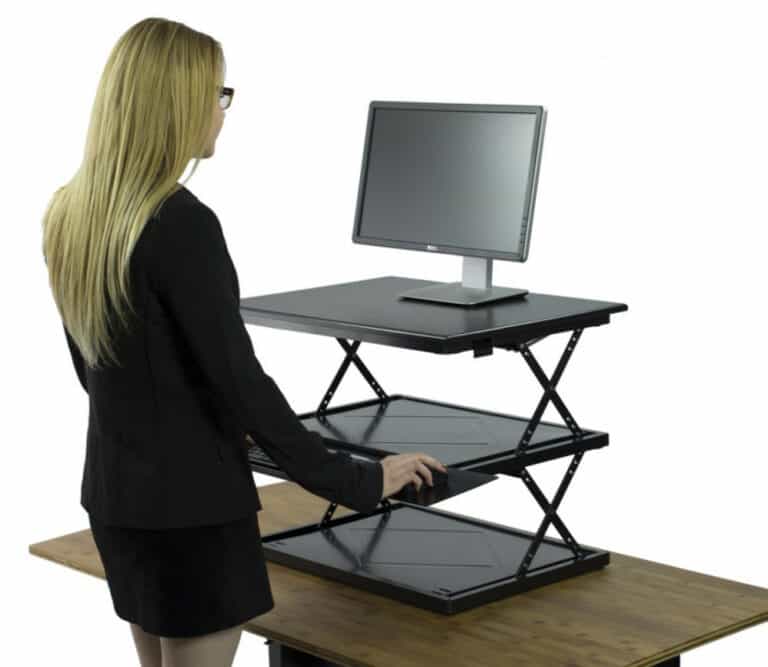
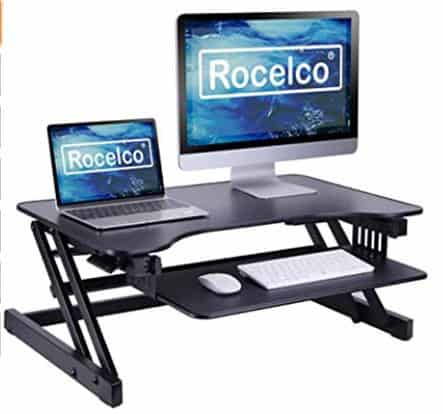
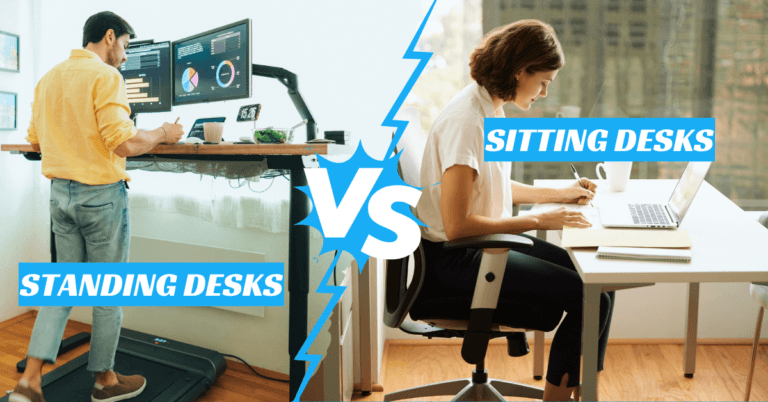
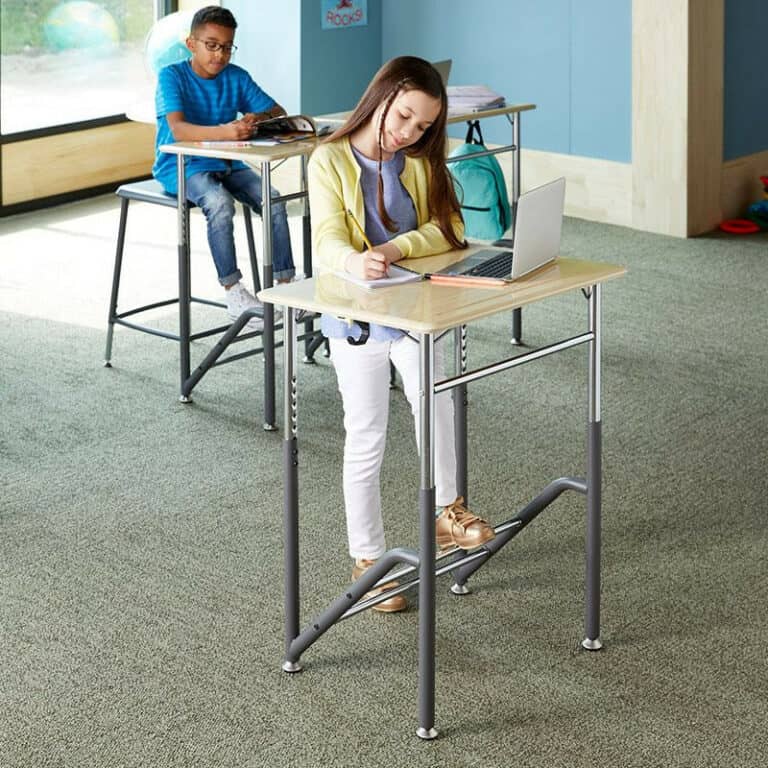
Adjustable desks let workers alternate between sitting and standing. Even small items like footrests or wrist supports improve comfort. Ergonomic furniture boosts productivity, reduces health issues, and keeps employees happy.
Don’t just pick what looks nice—test it. Chairs, desks, and accessories should fit the user, not the other way around. Prioritizing ergonomics is investing in long-term health and efficiency.
Expert Advice
- Always check chair support.
- Desks should move easily.
- Reduce leg strain daily.
- Keep screens at eye-level.
Tip 2: Think About Your Office Space
Before buying furniture, measure your office carefully. Space planning avoids overcrowding and ensures smooth movement. Consider pathways, windows, doors, and shared areas.
Open offices benefit from modular furniture that can be moved easily. Small offices need multi-functional pieces, like desks with built-in storage.
Proper spacing promotes collaboration and safety. Crowded layouts feel stressful and reduce productivity. Think about traffic flow, employee comfort, and meeting zones.
Furniture should fit naturally without overwhelming the room. Planning your space first saves money, time, and frustration.
Expert Advice
- Know the exact office dimensions.
- Ensure easy movement throughout.
- Adaptable furniture saves space.
- Combine desks with storage options.

Tip 3: Prioritize Quality
Investing in good office furniture pays dividends in the long run. Cheap furniture may look fine initially, but it often breaks or wears out quickly. Look for sturdy materials like solid wood, metal frames, or high-quality laminates.
Chairs should have durable mechanisms and support weight comfortably. Desks should handle daily use without wobbling or damage.
Check warranties before buying. High-quality furniture not only lasts longer but also improves employee confidence and satisfaction.
Employees feel valued when they work with reliable furniture. Choosing quality reduces replacement costs and ensures a professional, functional office environment.
Expert Advice
- Solid wood or metal preferred.
- Sit, open drawers, inspect stability.
- Protects against future damage.
- They wear out fast.
Tip 4: Focus On Style And Aesthetics
When planning your office design, following practical tips to choose the right office furniture ensures both style and functionality are achieved.
Modern designs convey creativity and energy, while traditional wood furniture communicates stability and professionalism.
Choose colours and textures that match your brand—neutral tones like gray, black, or beige work well with any decor. Add pops of colour through chairs or accessories to energize the space.
A visually appealing office improves mood, inspires creativity, and makes employees feel proud of their environment.
Remember, aesthetics and functionality should work together. A stylish office also impresses clients and visitors, creating a lasting positive impression.
Expert Advice
- Reflect the company identity clearly.
- Use versatile primary tones.
- Add energy with small pops.
- Style should not hinder use.
Tip 5: Evaluate Functionality
Every piece of office furniture should serve a practical purpose. Desks need enough space for computers, paperwork, and personal items.
Storage units should be easily accessible and organized. Meeting tables must accommodate the correct number of people without crowding. Chairs should swivel, recline, or lock as needed.
Avoid choosing furniture based solely on appearance; functionality is key. Practical furniture ensures smooth workflow, reduces frustration, and supports productivity.
Consider how employees interact with each piece daily. The right combination of functional furniture makes the office more efficient, organized, and enjoyable for everyone.
Expert Advice
- Enough room for work essentials.
- Easy-to-reach drawers and shelves.
- Swivel, recline, and adjustable options.
- Fits several users comfortably.
Tip 6: Don’t Ignore Storage Needs
Incorporating innovative organizational strategies is one of the key tips to choose the right office furniture for a clutter-free and efficient workspace. Filing cabinets, shelves, and lockers help organize documents and supplies.
Vertical storage maximizes space in smaller offices. Closed storage hides clutter, keeping the workspace neat and professional.
Open shelving works well for frequently accessed items or decorative displays. Different departments may require unique storage options, so plan accordingly.
Organized storage reduces stress, saves time searching for items, and improves workflow. Investing in innovative storage solutions keeps your office tidy, functional, and visually appealing.
Expert Advice
- Keep documents organized securely.
- Maximize limited space efficiently.
- Hide clutter, maintain neatness.
- Quick access to essentials.
Tip 7: Consider Mobility
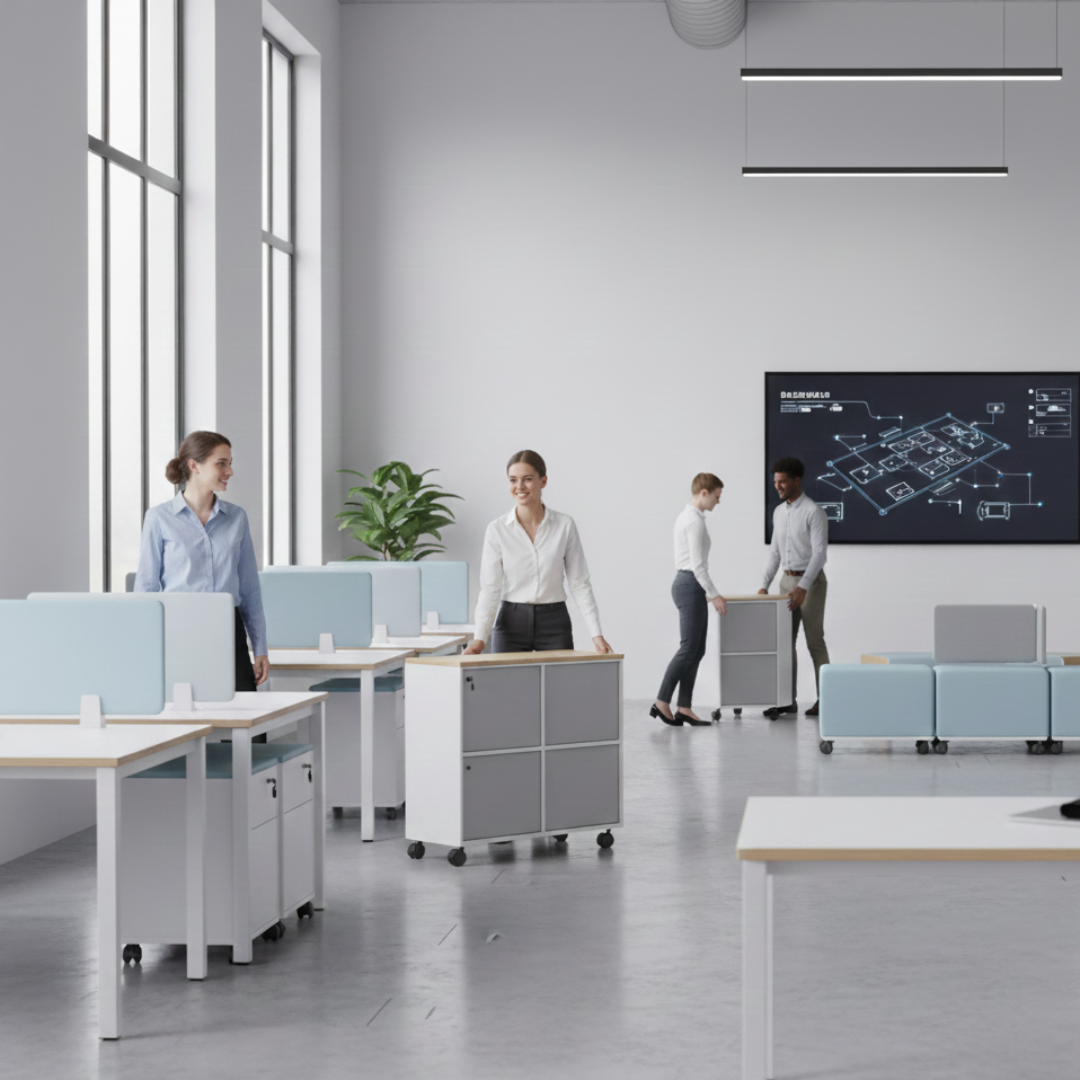
Flexible office furniture makes your workspace adaptable. Desks and chairs on wheels allow quick rearrangements for team projects or meetings.
Mobile storage cabinets make supplies easy to move and access. Folding tables or modular units help accommodate changing office needs.
Mobility also simplifies cleaning and maintenance. In dynamic environments, furniture that can shift reduces downtime and enhances collaboration.
Even if you don’t need it daily, mobile options prepare your office for future changes. Investing in movable furniture keeps your office versatile, efficient, and ready for growth.
Expert Advice
- Easy repositioning anytime needed.
- Move supplies effortlessly.
- Expand or collapse spaces quickly.
- Adapt the layout as the team grows.
Tip 8: Pay Attention To Comfort
Comfort goes beyond chairs—every element matters. Desk height, spacing, and lighting affect employee well-being. Adjustable chairs prevent strain and support posture. Soft seating in lounge areas encourages relaxation during breaks.
Even standing desks benefit from anti-fatigue mats. Comfortable furniture keeps employees happy, focused, and productive.
Collaborative spaces should balance interaction with personal comfort. Small touches, like cushioned armrests or supportive backrests, make a big difference.
Prioritizing comfort signals that you value your team, reducing fatigue and increasing efficiency. A comfortable office creates a positive work environment that employees enjoy every day.
Expert Advice
- Support correct posture daily.
- Matches user ergonomics perfectly.
- Comfortable break areas matter.
- Help with standing desks.
Tip 9: Match Furniture To Work Styles
Different roles require different furniture. Designers may need larger desks or collaborative tables. Managers often prefer executive chairs and private desks.
Hot-desking setups need modular furniture that multiple people can use comfortably. Consider whether employees work individually, in pairs, or in teams. Tailoring furniture to work styles boosts efficiency, focus, and satisfaction.
One-size-fits-all solutions rarely meet everyone’s needs. Listening to employee preferences ensures comfort and productivity. Flexible, role-appropriate furniture adapts to tasks and improves workflow.
Matching furniture to work styles produces a workspace in which each team member may perform to their full potential.
Expert Advice
- Tailor size to tasks.
- Support focused work.
- Encourage team interaction.
- Adapt for hot-desking needs.
Wealthy Affiliate – Mini Review
If you’ve ever thought about turning your blog, passion, or niche into an online business,
Wealthy Affiliate (WA) is one of the most beginner-friendly platforms I’ve used.
It combines step-by-step training, website hosting, AI-powered tools,
keyword research, and an active community all in one place.
What I like most is that you can start free (no credit card needed), explore the platform,
test the tools, and connect with other entrepreneurs before upgrading.
WA isn’t a “get rich quick” scheme — success comes from consistent effort
and applying what you learn over time.
Tip 10: Think About Technology Integration
Considering technology needs is integral to choosing the right office furniture for a modern, efficient workspace. Furniture should accommodate computers, monitors, chargers, and cables neatly.
Desks with built-in cable management keep workspaces organized and reduce hazards. Monitor stands and laptop risers position screens at eye level.
Conference tables with integrated power outlets make meetings run more smoothly. Even small tech-friendly touches, like USB ports in desks, make daily work easier. Avoid cluttered cords and inaccessible devices.
Technology-compatible furniture improves workflow, reduces frustration, and keeps the office looking professional. Planning for tech integration ensures your workspace is functional, safe, and future-ready.
Expert Advice
- Keep wires organized neatly.
- Maintain proper eye level.
- Easy device charging is available.
- Improve posture while working.
Tip 11: Choose Sustainable Options
Sustainable office furniture is both eco-friendly and practical. Look for materials made from recycled or responsibly sourced wood. Certifications like FSC or GREENGUARD indicate environmentally safe products.
Durable furniture reduces waste and lasts longer, saving money over time. Eco-friendly choices also reflect your company’s values, impressing clients and employees alike.
Even small actions, like selecting recycled chairs or laminates, contribute to a greener workspace. Sustainability doesn’t mean sacrificing style or comfort.
Choosing furniture that’s both high-quality and eco-conscious supports the environment while creating a functional, modern office your team can feel proud of.
Expert Advice
- Reduce environmental impact.
- Ensure responsible sourcing.
- Lasts longer, less waste.
- Non-toxic and sustainable.
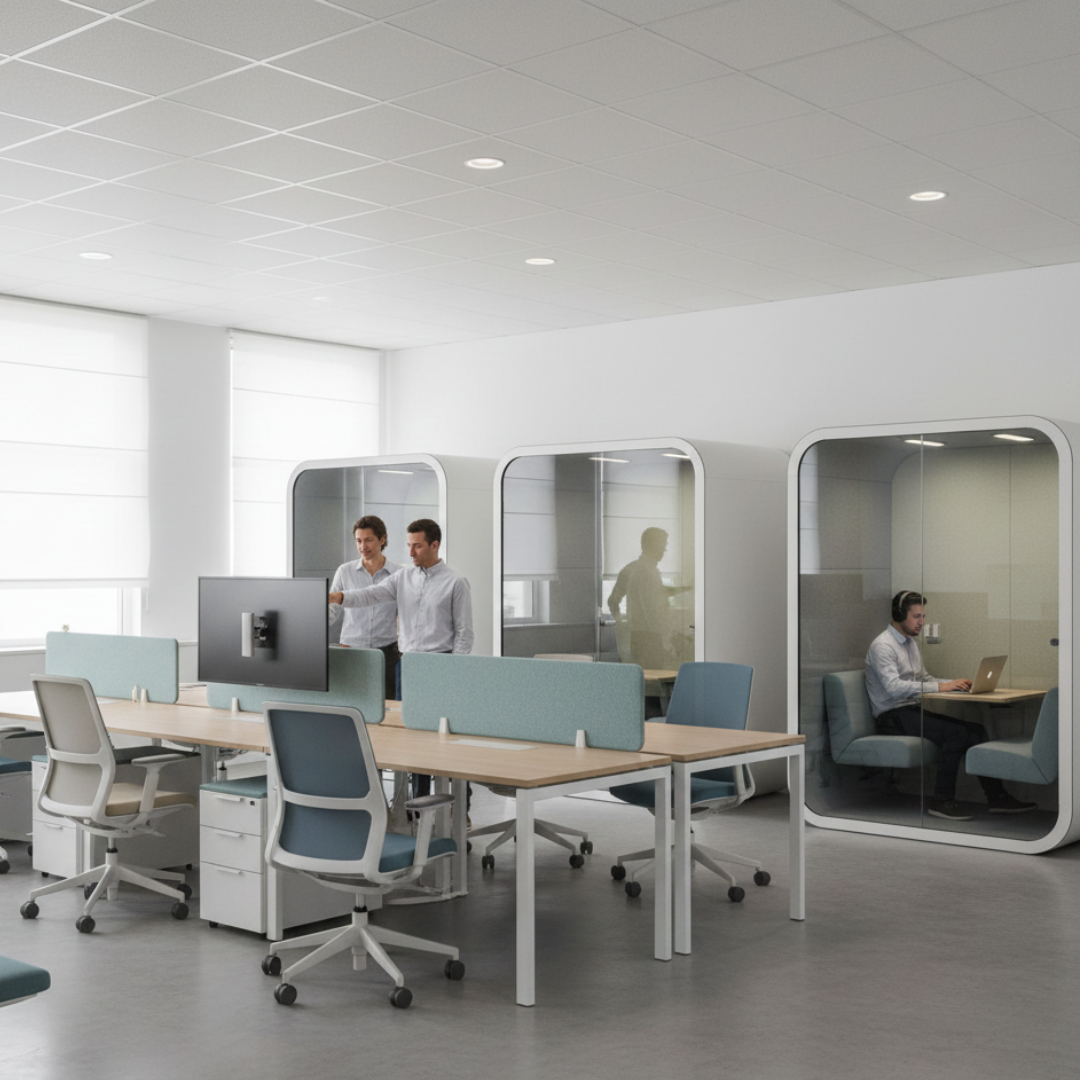
Tip 12: Mix Open And Private Spaces
A balanced office combines collaborative and private areas. Open-plan desks encourage teamwork and communication. Private desks, pods, or small rooms provide quiet zones for focused work.
Using partitions, screens, or modular dividers helps maintain privacy without isolating teams. Flexible spaces allow employees to switch between collaboration and concentration easily.
Mixing open and private areas boosts productivity and satisfaction. It also creates a versatile office where different tasks and moods are supported.
Employees feel more in control of their environment, which reduces stress and increases engagement. Wise furniture choices help achieve this balance effectively.
Expert Advice
- Encourage teamwork and collaboration.
- Allow focused, uninterrupted work.
- Maintain privacy while staying connected.
- Adapt to various tasks easily.
Tip 13: Test Before You Buy
Testing furniture before buying is a crucial part of the tips to choose the right office furniture for comfort, functionality, and long-term satisfaction. Sit in chairs, adjust desks, and open drawers to ensure comfort and functionality.
Online reviews help, but firsthand experience is best. Employees can provide valuable feedback during testing. This step prevents costly mistakes and returns later.
Some suppliers offer showrooms or trial periods to test items. Testing ensures chairs support posture, desks fit the space, and storage is accessible.
Taking the time to evaluate furniture improves satisfaction and productivity. Don’t rush this step—it guarantees that every piece works well in your office environment.
Expert Advice
- Test chair comfort thoroughly.
- Ensure proper height functionality.
- Check storage usability.
- Include team opinions early.
Tip 14: Budget Wisely
When selecting workplace furniture, a reasonable budget is vital. Balance cost with quality and durability. Avoid going too cheaply, as low-quality furniture often requires frequent replacement.
Don’t overspend on luxury items that don’t add functional value. Prioritize essentials first, like ergonomic chairs, desks, and storage.
Once core items are covered, add extras gradually. Budgeting carefully keeps your office setup on track and prevents financial stress.
Think of furniture as an investment in employee comfort and productivity. Smart spending ensures you get long-lasting, functional, and stylish pieces without breaking the bank.
Expert Advice
- Chairs and desks first.
- They wear out fast.
- Add non-essentials gradually.
- Invest wisely upfront.
Tip 15: Plan For Future Growth
Office needs evolve as your team grows. Choose furniture that can adjust to changing needs. Modular desks, stackable chairs, and expandable tables accommodate more employees easily.
Avoid pieces that quickly become outdated or restrictive. Flexible furniture reduces future costs and hassle when reconfiguring the workspace.
Planning ensures your office remains functional and efficient for years. It also supports the smooth onboarding of new team members.
Considering growth during the initial setup saves time, money, and frustration later. A future-ready office combines flexibility, durability, and innovative design for long-term success.
Expert Advice
- Easily expand or rearrange.
- Save space when not used.
- Accommodate more team members.
- Prepare for future growth.
Tip 16: Seek Professional Advice
Seeking expert guidance is one of the key tips to choose the right office furniture for a functional and well-designed workspace. Professionals consider space, workflow, ergonomics, and aesthetics when recommending furniture.
They spot potential layout problems before purchases are made. Their expertise ensures the office is functional, stylish, and efficient.
Even a small consultation can prevent costly mistakes. Designers may suggest solutions you hadn’t considered, like modular arrangements or tech-friendly furniture.
Professional guidance ensures a cohesive, productive workspace tailored to your team’s needs. Investing in expert advice enhances comfort, collaboration, and long-term satisfaction in the office environment.
Expert Advice
- Expert layout guidance.
- Avoid costly mistakes later.
- Optimize space efficiently.
- Ergonomics and workflow expertise.
Tip 17: Think Long-Term
Office furniture is a long-term investment. Choose pieces that remain functional, durable, and stylish over the years. Classic designs often outlast trendy, flashy items.
Consider durability, flexibility, and adaptability when making choices. Furniture that lasts reduces replacement costs and minimizes disruption.
Think about potential growth and changing office needs. Long-term planning ensures your office stays efficient, professional, and visually appealing. Employees benefit from stable, reliable furniture that supports productivity.
Avoid short-term, cheap solutions—they can cost more over time. Planning with the future in mind guarantees a workspace that continues to meet your team’s needs for years.
Expert Advice
- Furniture that lasts longer.
- Timeless style avoids trends.
- Adapt to future needs.
- Avoid frequent replacements.
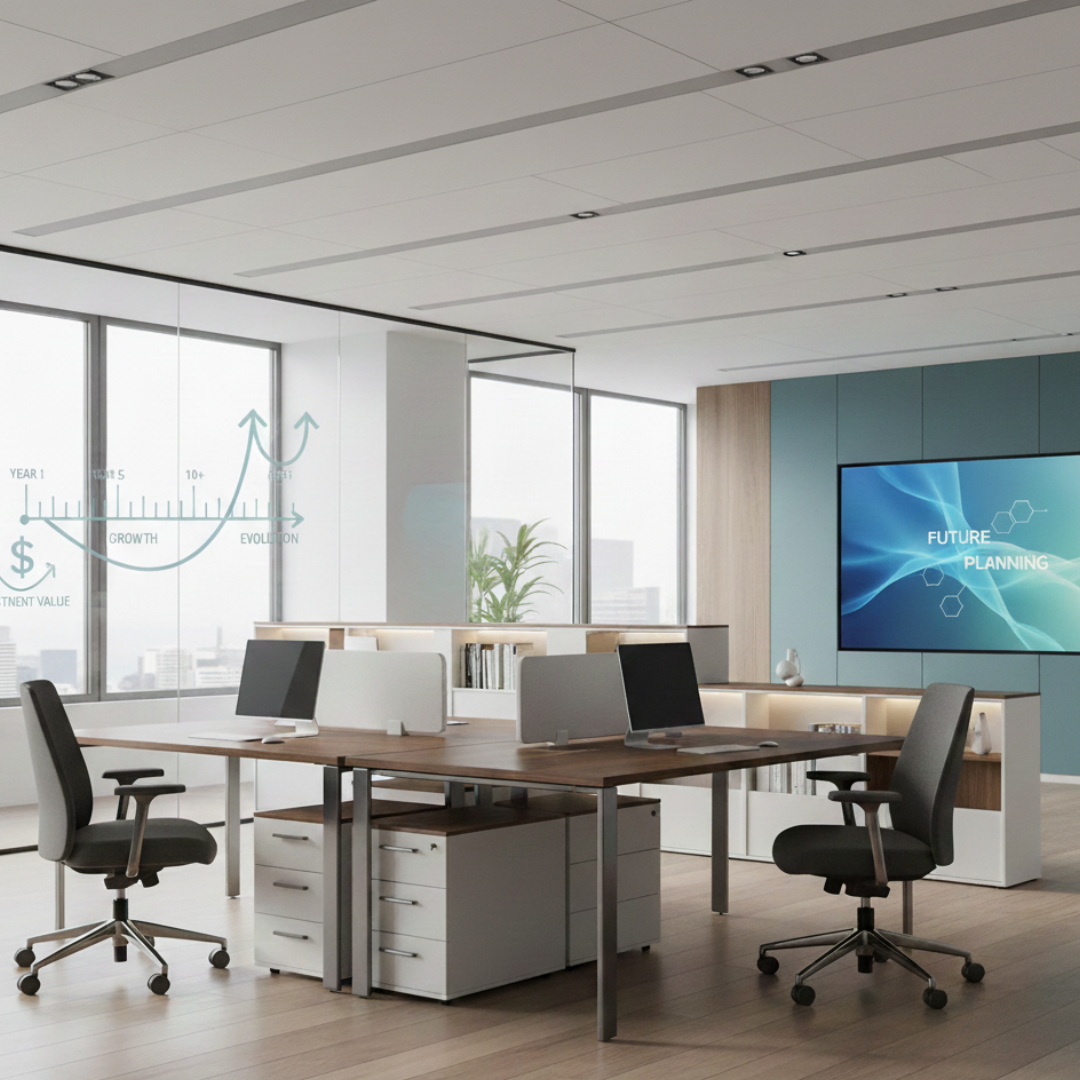
Tip 18: Keep Maintenance In Mind
Some furniture requires more care than others. Leather chairs need conditioning, while fabric may stain or absorb odours. Wooden desks require polishing, whereas laminates are easier to clean.
Consider how cleaning fits into your office routine. Low-maintenance furniture reduces stress and keeps the workspace looking professional.
Durable and easy-to-clean pieces last longer, saving money on replacements. Even small choices, like stain-resistant fabrics or wipeable surfaces, make a big difference.
Prioritizing maintenance ensures your office remains functional, neat, and inviting. Choosing easy-to-care-for furniture benefits employees and reduces time spent on upkeep.
Expert Advice
- Reduce cleaning frequency.
- Easy daily maintenance.
- Long-lasting furniture choice.
- Keep the office neat consistently.
Tip 19: Balance Personalization And Uniformity
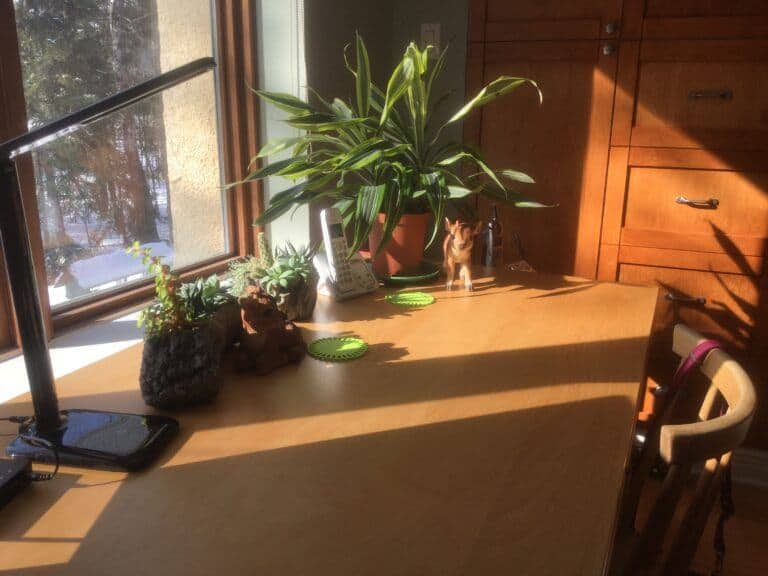
Allowing employees to personalize their workspace boosts comfort and satisfaction. Small touches like desk organizers, cushions, or plants make the office feel welcoming.
At the same time, maintain a cohesive design to reflect professionalism and brand identity. Uniform furniture creates visual harmony and avoids cluttered appearances.
The key is balance—support individuality without compromising overall aesthetics. Personalization improves morale, while uniformity keeps the office organized and stylish.
Employees feel empowered and productive when their workspace reflects both company values and personal preferences. Thoughtful balance enhances workflow, creativity, and employee happiness.
Expert Advice
- Encourage small personal touches.
- Keep the overall office style uniform.
- Ensures professional appearance.
- Combine individuality with brand identity.
Tip 20: Consider Acoustic Needs
Considering acoustic solutions is an essential part of the tips to choose the right office furniture for a focused and comfortable workspace. Furniture can help manage sound levels.
High-back chairs, acoustic panels, and partitions absorb noise and reduce distractions. Softer materials like fabric or padded dividers work better than hard surfaces. Designing collaborative areas separately from quiet zones ensures balance.
Acoustic furniture improves concentration, minimizes stress, and enhances comfort. Even minor adjustments, like sound-absorbing screens between desks, make a big difference.
Paying attention to acoustics creates a calmer, more efficient workspace. Thoughtful furniture choices can transform noisy offices into productive and pleasant environments for everyone.
Expert Advice
- Reduce surrounding noise.
- Absorb sound effectively.
- Separate noisy areas from quiet zones.
- Minimize sound reflection.
Conclusion
Choosing the right office furniture impacts productivity, comfort, and employee satisfaction. Following practical tips to choose the right office furniture helps create a productive, comfortable, and inspiring workspace for your team.
Balancing personalization, acoustics, and technology integration enhances both workflow and morale. Investing in the right furniture is investing in your team’s well-being and your company’s success. Make wise choices today for a productive and inspiring office tomorrow.
I trust you enjoyed this article on the Best Tips To Choose The Right Office Furniture. Please stay tuned for more insightful blogs on affiliate marketing, online business, and working from anywhere in the world.
Take care!
— JeannetteZ 🌍✨
💬 Your Opinion Is Important To Me
Do you have thoughts, ideas, or questions? I’d love to hear from you. Please leave your comments below or email me directly at Jeannette@WorkFromAnywhereInTheWorld.com.
📚 More Work From Anywhere Reads
🚀 Ready to Build a Business You Can Run from Home
Or from Anywhere in the World?
Imagine creating income on your terms — from home, a cozy café, or wherever life takes you.
With the right tools, training, and community support, it’s entirely possible.
Start your own online business for free — no credit card needed.
Disclosure
This post may contain affiliate links. As an Amazon Associate and participant in other affiliate programs, I earn from qualifying purchases at no extra cost to you. Please read my full affiliate disclosure.