Marketing To Gen Z: Proven Strategies For Success
Marketing to Gen Z requires a fresh approach that reflects the values, digital habits, and preferences of this highly connected generation. Born between 1997 and 2012, Gen Z has grown up with smartphones, social media, and instant access to information, shaping the way they interact with brands and make purchasing decisions.
Unlike previous generations, Gen Z values authenticity, inclusivity, and meaningful engagement over traditional advertising. They are more likely to support brands that align with their beliefs and communicate openly with their audiences.
This article explores effective strategies for marketing to Gen Z, helping businesses build trust, increase engagement, and create meaningful connections with one of today’s most influential consumer groups.
Characteristics Of Generation Z
The digital age, societal shifts, and global events shape Gen Z. Here are some key traits of this generation:
1. Digital Natives
Technology-Savvy
They were raised with smartphones, active social media use, and constant internet access, which enabled them to develop strong technological proficiency and adaptability. These skills allow them to effortlessly navigate digital platforms and utilize various technologies in their daily lives.
Constant Connectivity
Individuals remain perpetually online, utilizing digital platforms extensively for communication, entertainment, education, and shopping.
This reliance shapes their daily routines, enabling seamless interactions, instant resource access, and a technology-driven lifestyle.
Short Attention Spans
Accustomed to quick information access, individuals increasingly favour concise, engaging content such as TikTok or Instagram Reels. This growing preference reflects a shift towards easily digestible formats that capture attention instantly.
2. Diversity And Inclusion
Culturally Diverse
Gen Z represents the most ethnically and racially diverse generation in history, embracing multiculturalism and global perspectives.
This diversity influences their values, interactions, and preferences, fostering a more inclusive and interconnected worldview.
Acceptance-Oriented
Gen Z advocates for equality and inclusivity and prioritizes representation across gender identity, race, and abilities. Their commitment to fairness drives social change, promoting acceptance and breaking down barriers in all areas of society.

3. Pragmatic And Realistic
Financially Cautious
Having witnessed economic recessions and the burden of student debt, Gen Z places a strong emphasis on financial security. They prioritize practicality over idealism, making thoughtful decisions to secure their future stability.
Career-Oriented
Gen Z values stable, meaningful careers and seeks roles that align with their personal goals and ethics. Many also explore entrepreneurial opportunities driven by a desire for autonomy and innovative professional growth.
4. Socially Conscious
Activists At Heart
Gen Z passionately advocates for critical issues like climate change, social justice, mental health, and political reform. Leveraging digital platforms, they amplify their voices, striving to challenge injustices and create lasting, meaningful societal progress.
Eco-Conscious
Gen Z emphasizes sustainability and ethical consumption, championing environmentally responsible practices. In marketing to Gen Z, brands must actively support eco-friendly products, promote waste reduction, and advocate for a greener future, reflecting their commitment to preserving the planet for future generations.
5. Mental Health Awareness
Mental Health Advocates
Gen Z openly addresses mental health challenges, prioritizing self-care and seeking support. Their candid approach fosters awareness, reduces stigma, and emphasizes the importance of emotional well-being in personal and societal contexts.
Pressure From Social Media
Gen Z’s constant online presence often brings challenges like anxiety and self-esteem issues. Social media’s curated nature can intensify comparisons, highlighting the need for mindful digital habits and balanced engagement.

6. Independent Learners
Self-Taught Skills
Gen Z leverages online platforms such as YouTube, Coursera, and TikTok to acquire diverse skills independently. This resourceful approach highlights their adaptability and eagerness to embrace accessible, technology-driven learning opportunities for personal and professional growth.
Education-Oriented
Gen Z values practical, hands-on learning experiences and favours interactive, digital educational methods. Their preference for engaging, accessible formats reflects a shift toward modern, technology-enhanced education that aligns with their dynamic, future-focused mindset.
7. Preference For Authenticity
Mistrust Of Traditional Advertising
Gen Z is skeptical of traditional advertising, preferring authentic, transparent brands and influencers. They are drawn to authentic, relatable content over polished marketing campaigns, valuing honesty and genuine connections with brands.
Value Individuality
Gen Z values individuality, embracing uniqueness and staying true to themselves. They celebrate diversity in personal expression and reject societal pressures to conform, fostering a culture of self-empowerment and authenticity.
8. Entrepreneurial Spirit
Side Hustlers
Gen Z often engages in side projects, small businesses, or entrepreneurial ventures to seek additional income streams or pursue passions outside traditional employment. This mindset reflects their desire for independence and financial versatility.
Tech-Driven Innovation
Gen Z embraces technology as a tool for innovation, using digital platforms to launch businesses or create content. In marketing to Gen Z, their ability to harness new tech empowers them to shape industries, express creativity, and connect with global audiences.

9. Global Outlook
Globally Connected
Gen Z utilizes the Internet to engage with peers worldwide, cultivating a broad, interconnected perspective. This constant digital connectivity fosters a global mindset, allowing them to share ideas and collaborate across cultural boundaries.
Adaptability To Change
Gen Z has developed remarkable adaptability and resilience growing up in a rapidly evolving world. They quickly embrace new technologies and shifts, navigating change with flexibility and an openness to continuous learning and growth.
10. Preference For Experiences
Experience Over Possessions
Gen Z prioritizes meaningful experiences, such as travel, concerts, and events, over material possessions. They value the memories and personal growth these experiences offer and focus on enriching their lives rather than accumulating things.
Virtual Engagement
Gen Z embraces immersive digital experiences, enjoying gaming, virtual reality events, and interactive online platforms. Their engagement with these virtual environments reflects their desire for connection, entertainment, and exploration in the digital world.
Strategies For Marketing To Gen Z
Given these characteristics, here are actionable strategies to effectively engage and market to Gen Z:
1. Leverage Social Media Platforms They Love
Gen Z prefers TikTok, Instagram, Snapchat, and YouTube, spending significant time on these platforms.
TikTok
TikTok is a key platform for Gen Z, known for its short, creative videos. Brands can engage this audience through trends, challenges, and influencers, with viral campaigns like Chipotle’s #GuacDance sparking community interaction.
This fosters strong brand awareness and drives user participation, making TikTok essential for reaching trend-sensitive Gen Z.
Instagram blends Stories, Reels, and static posts to maintain Gen Z’s interest. Behind-the-scenes content, interactive polls, and quizzes build brand authenticity and engagement.
Gen Z, who values personalized visual experiences, connects with brands through these engaging, interactive formats.
YouTube
YouTube is a trusted platform for Gen Z seeking educational content, tutorials, and product reviews.
Brands can establish credibility through genuine storytelling, unboxing videos, and detailed insights, allowing for deeper, more meaningful connections with this audience.

2. Collaborate With Influencers
In marketing to Gen Z, influencers and peers drive purchasing decisions more than celebrities.
Micro And Nano Influencers
Micro and nano influencers have smaller, highly engaged audiences. Collaborating with them enables brands to craft authentic, targeted campaigns that resonate with niche communities.
Their close relationships with followers foster trust, resulting in more genuine and effective promotional efforts.
Transparency Matters
Transparency is vital for maintaining trust with Gen Z. Brands must disclose sponsored content clearly to ensure authenticity and avoid misleading audiences.
Being open about partnerships strengthens credibility and fosters long-term loyalty by building confidence in the brand’s messaging and values.
3. Emphasize Video Content
Video is the most popular type of material for Gen Z. It’s engaging, dynamic, and easier to consume than lengthy text.
Short-Form Videos
Platforms like TikTok and Instagram Reels are perfect for quick, engaging content. These short videos help brands connect with Gen Z through humour and creativity, delivering impactful, trend-focused messages. They resonate with Gen Z’s fast-paced nature and boost engagement.
Live Streaming
Gen Z values real-time interaction, making live streaming a powerful brand tool. By hosting product launches, Q&A sessions, or behind-the-scenes content, brands create authentic, interactive experiences.
This fosters trust, builds community, and provides a direct way to engage with the audience.

4. Prioritize Purpose And Social Responsibility
Gen Z is more likely than previous generations to support brands that align with their values and contribute positively to society. They pay attention to issues such as environmental sustainability, diversity and inclusion, ethical business practices, and community involvement when making purchasing decisions.
For many Gen Z consumers, a company’s actions matter as much as its products or services. Brands that demonstrate genuine social responsibility and communicate their purpose clearly are more likely to earn trust, loyalty, and long-term engagement from this influential generation.
Gen Z demands socially responsible brands that value purpose over profit.
Showcase Your Values
Gen Z prioritizes brand values such as sustainability, diversity, and community support. Brands must ensure these values are reflected in campaigns to build trust and align with Gen Z’s ethical standards.
This fosters loyalty among socially conscious consumers.
Engage In Cause Marketing
Gen Z is drawn to brands that support meaningful social issues. Collaborating with charities, promoting eco-friendly practices, and advocating for meaningful causes boosts a brand’s credibility.
This approach builds a stronger emotional bond with socially driven generations.
Wealthy Affiliate – Mini Review
If you’ve ever thought about turning your blog, passion, or niche into an online business,
Wealthy Affiliate (WA) is one of the most beginner-friendly platforms I’ve used.
It combines step-by-step training, website hosting, AI-powered tools,
keyword research, and an active community all in one place.
What I like most is that you can start free (no credit card needed), explore the platform,
test the tools, and connect with other entrepreneurs before upgrading.
WA isn’t a “get rich quick” scheme — success comes from consistent effort
and applying what you learn over time.
5. Optimize For Mobile
Gen Z spends 4+ hours daily on smartphones; a seamless mobile experience is essential.
Responsive Design
Gen Z demands mobile-optimized websites and apps, as they predominantly use smartphones for browsing.
A mobile-friendly design ensures smooth navigation, enhancing user experience and engagement. Brands must adapt to these preferences to connect effectively with Gen Z.
Fast Loading Times
Fast loading times are vital for marketing to Gen Z, who have little patience for slow websites or apps. Brands must deliver fast, seamless experiences to capture attention and ensure lasting engagement.
Mobile Shopping
Gen Z values a fast, hassle-free shopping experience. Features like one-click checkout and mobile payment options simplify the process, making it convenient.
By reducing friction and streamlining the purchase process, brands increase Gen Z’s likelihood of completing transactions on mobile devices.

6. Foster Interaction And Engagement
Gen Z isn’t content with being passive consumers. They want to engage with brands actively.
Interactive Content
Gen Z is drawn to interactive content such as polls, quizzes, and AR filters, which offer personalized and engaging experiences.
These formats promote active participation, making brands need to include interactive elements that resonate with their desire for fun and engagement.
User-Generated Content (UGC)
Gen Z loves sharing product experiences, so encouraging UGC fosters brand loyalty and trust.
Campaigns like Starbucks’ #RedCupContest promote creativity, enhance brand visibility, and strengthen the community. They create emotional connections and deepen engagement with the audience.
7. Invest In Personalization
Generic messaging won’t resonate with Gen Z. They expect personalized experiences.
Data-Driven Insights
Gen Z values personalized experiences, making data analytics crucial for understanding their preferences. By analyzing user behaviour, brands can create tailored content and messaging that resonate more effectively. This can boost engagement and improve customer satisfaction with relevant, timely offerings.
Dynamic Content
Gen Z expects content that aligns with their interests. Brands can improve the user experience by providing dynamic content, such as customized suggestions or playlists.
This customization engages Gen Z, encouraging sustained interactions and deeper connections with the brand’s offerings.
8. Focus On Transparency And Trust
Gen Z is quick to call out brands that lack transparency. Open communication and honest practices are key.
Clear Communication
Gen Z values transparency, so brands must be upfront about pricing, policies, and sourcing.
Clear, honest information builds trust and respects consumers’ intelligence. This fosters loyalty by ensuring informed and ethical purchasing decisions.
Respond To Feedback
In marketing to Gen Z, responding to feedback—both positive and negative—demonstrates that brands value customer opinions, foster community, build trust, and show commitment to continuous improvement and satisfaction.
9. Harness The Power Of Memes And Humour
Gen Z loves humour, and memes are a universal language for this generation.
Stay Relevant
Gen Z thrives on trends, so engaging with current memes and topics helps brands feel timely and relatable. Participating in relevant conversations increases engagement and allows brands to connect authentically with this trend-driven audience.
Avoid Overdoing It
Authenticity matters to Gen Z. Overusing memes or forced humour can harm brand credibility. Brands should focus on natural participation in trends that align with their values, ensuring engagement feels genuine and resonates with Gen Z.
10. Create Community Spaces
Gen Z values connection and often seeks out online communities.
Build Brand Communities
Gen Z can connect with like-minded individuals by creating online forums, Discord servers, or Facebook groups. These spaces foster a sense of belonging, strengthen relationships, and enhance brand loyalty through active engagement within the community.
Encourage Peer Interaction
Gen Z values peer-driven conversations. Encouraging interactions through social media comments, threads, or chats fosters a collaborative environment.
Customers share experiences, exchange ideas, and support each other, strengthening community bonds and engagement.
Case Studies: Brands Winning With Gen Z
Many brands have successfully connected with Gen Z by embracing authenticity, inclusivity, social responsibility, and engaging digital content.
Rather than relying on traditional advertising methods, these companies focus on building genuine relationships and creating experiences that resonate with younger audiences.
The following examples highlight how leading brands have adapted their marketing strategies to capture the attention, trust, and loyalty of Gen Z consumers.
1. Nike – The Power Of Purpose And Inclusivity
Strategy
Nike promotes social justice, diversity, and inclusivity, aligning with Gen Z’s values. Campaigns like “You Can’t Stop Us,” and partnerships with young athletes and influencers empower underrepresented voices. They foster deep engagement through impactful storytelling and advocacy.
Key Takeaway
Aligning your brand with social causes that Gen Z cares about strengthens emotional connections, enhances loyalty, and builds long-lasting relationships with a generation that values authenticity and inclusivity.

2. Glossier – Building A Community-Centric Brand
Strategy
In marketing to Gen Z, Glossier fosters community by co-creating products with customers, valuing feedback. They use Instagram Stories and polls to let followers influence product development, strengthening loyalty and deepening the brand-audience connection.
Key Takeaway
Actively engage with your audience, allowing them to shape your brand experience. This fosters a collaborative relationship, enhances loyalty, and creates a more personal and inclusive brand.
3. TikTok – A Platform That’s Made for Them
Strategy
TikTok appeals to Gen Z with short-form, relatable, and diverse videos that foster engagement. Viral challenges like #Renegade blend user-generated content with brand involvement, encouraging participation and allowing users to shape trends while boosting brand visibility and connection with Gen Z.
Key Takeaway
By creating spaces encouraging user creativity, brands empower Gen Z to contribute to content actively. This fosters deeper engagement and community involvement while strengthening the brand’s connection to its audience.
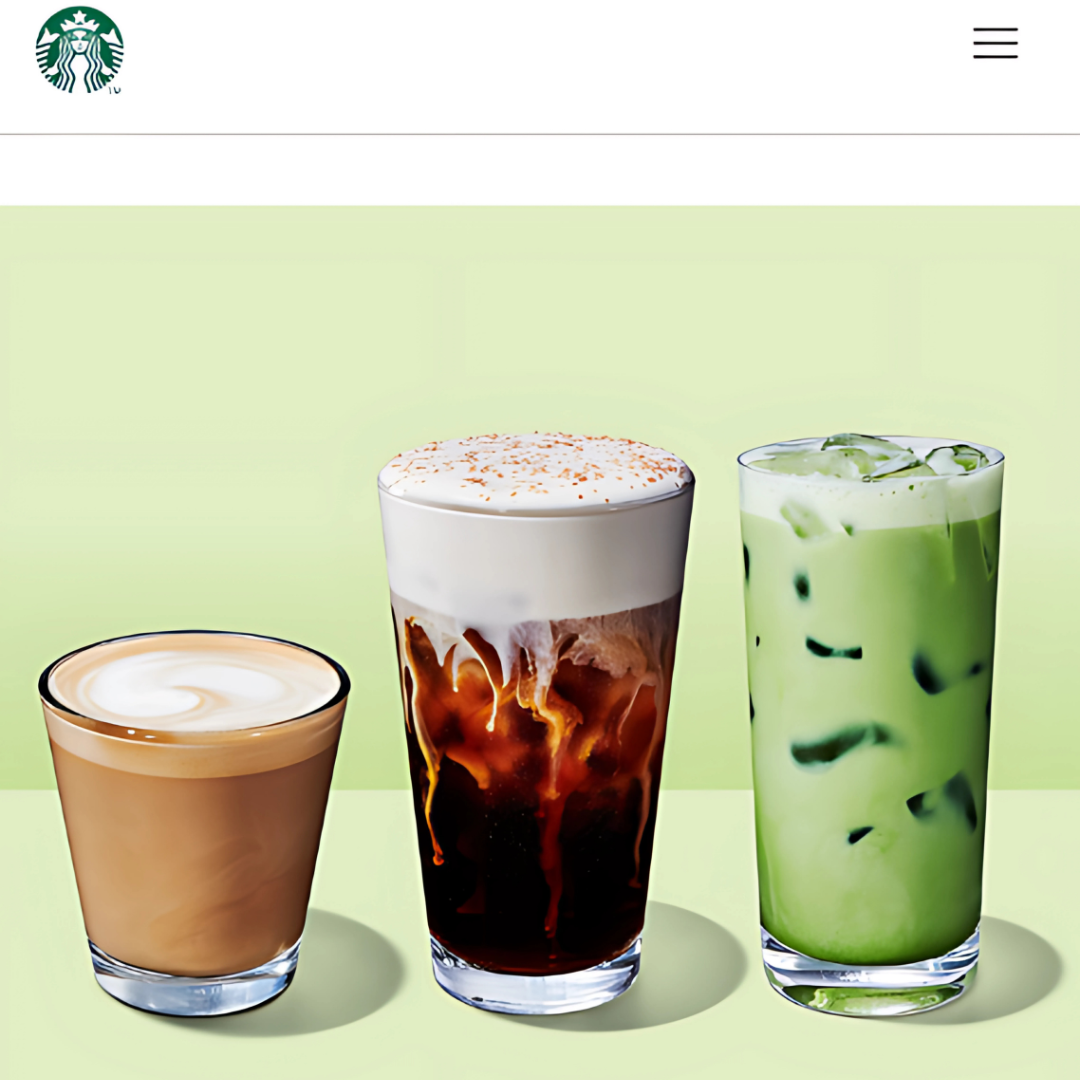
4. Starbucks – Personalization And Sustainability
Strategy
Starbucks appeals to Gen Z by offering personalized, sustainable options that align with their values.
The Starbucks Rewards App offers drink customization and rewards, aligning with Gen Z’s preferences. Sustainability initiatives like reusable cups satisfy their desire for convenience and environmental responsibility.
Key Takeaway
Brands can build loyalty and trust among Gen Z, who highly value customization and authentic environmental commitments, by blending personalized experiences with genuine sustainability efforts.
5. Fenty Beauty – Redefining Beauty Standards
Strategy
Fenty Beauty promotes diversity and inclusivity by providing many cosmetics for all skin tones.
Its launch of 40 foundation shades set a new industry standard, making beauty more accessible and addressing the need for diverse, inclusive products.
Key Takeaway
By celebrating diversity and individuality, brands can connect with Gen Z’s demand for authenticity, fostering deeper relationships with this generation that values inclusivity and self-expression in all forms.
6. Duolingo – Mastering Social Media Humour
Strategy
In marketing to Gen Z, Duolingo uses playful, self-aware content on TikTok to make language learning fun.
The brand’s green owl mascot, featured in viral meme videos, gained a dedicated following and boosted visibility.
Key Takeaway
Incorporating humour and trending content formats helps brands build loyalty and engagement on social platforms. This allows them to connect with Gen Z in an authentic, relatable way that encourages long-term brand attachment.
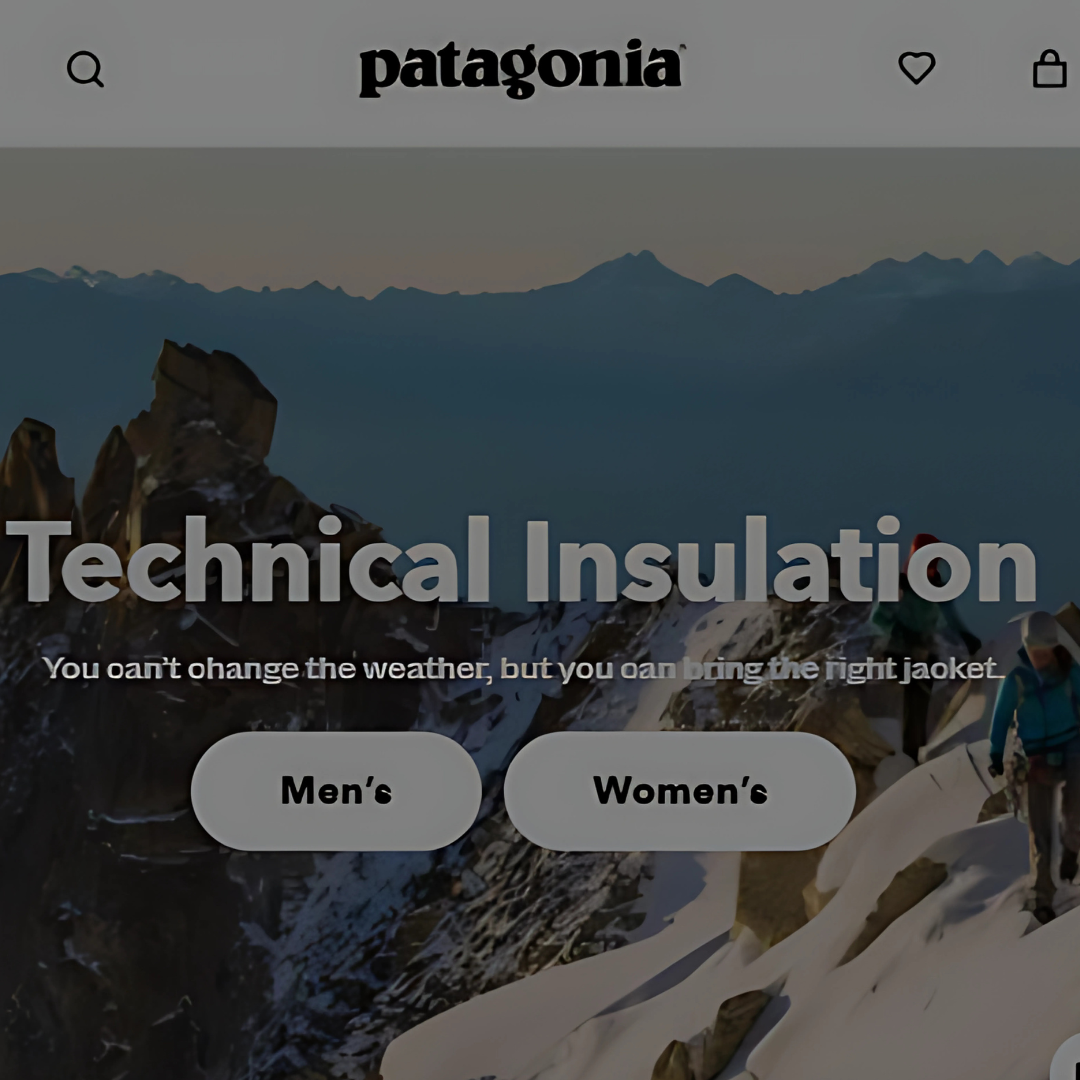
7. Patagonia – Activism As A Core Identity
Strategy
Patagonia aligns with Gen Z’s sustainability values, integrating environmental activism into its core. The “Don’t Buy This Jacket” campaign promoted responsible purchasing over consumerism.
It strengthened the brand’s connection with environmentally conscious Gen Z and reaffirmed its commitment to advocacy.
Key Takeaway
Brands can foster trust and loyalty among Gen Z by standing firmly for a cause. Values drive these people, and they seek brands that align with their desire for social and environmental responsibility.
Conclusion
Marketing To Gen Z requires a genuine understanding of this generation’s values, behaviours, and expectations. Authenticity, social responsibility, inclusivity, and meaningful engagement are no longer optional.
They are essential for building trust and lasting relationships with younger consumers. Successful brands connect with Gen Z by creating relevant content, embracing the right digital platforms, and delivering personalized experiences that feel genuine rather than promotional.
By listening to their audience and staying aligned with their values, businesses can foster loyalty and remain competitive in an ever-changing digital landscape.
As Gen Z’s influence continues to grow, brands that adapt their marketing strategies and prioritize authentic connections will be better positioned for long-term success.
By applying these proven marketing strategies, businesses can build stronger relationships and create meaningful experiences that resonate with this powerful generation.
I trust you enjoyed this article on Marketing To Gen Z: Proven Strategies For Success. Please stay tuned for more insightful blogs on affiliate marketing, online business, and working from anywhere in the world.
Take care!
— JeannetteZ 🌍✨
💬 Your Opinion Is Important To Me
Do you have thoughts, ideas, or questions? I’d love to hear from you. Please leave your comments below or email me directly at Jeannette@WorkFromAnywhereInTheWorld.com.
📚 More Work From Anywhere Reads
🚀 Ready to Build a Business You Can Run from Home
Or from Anywhere in the World?
Imagine creating income on your terms — from home, a cozy café, or wherever life takes you.
With the right tools, training, and community support, it’s entirely possible.
Start your own online business for free — no credit card needed.
Disclosure
This post may contain affiliate links. As an Amazon Associate and participant in other affiliate programs, I earn from qualifying purchases at no extra cost to you. Please read my full affiliate disclosure.