
How To Succeed In Life: 15 Powerful Tips
How to succeed in life is a question many people consider when thinking about their goals, priorities, and future. Success itself can look very different from one person to another.
For some people, success may involve building a rewarding career, while others may value strong relationships, personal growth, freedom, or a greater sense of purpose.
There is no single path that everyone needs to follow. Your priorities, circumstances, and definition of a fulfilling life will influence the choices that are right for you.
Setting meaningful goals can provide direction, while positive daily habits can help turn those goals into regular actions. Learning from experience and remaining open to change can also shape the way you move forward.
Success does not have to mean reaching one major destination. It can also involve making progress, developing your abilities, building meaningful relationships, and creating a life that reflects what matters to you.
15 Powerful Ways To Succeed In Life
Success is rarely the result of one decision or achievement. It is often shaped by the choices, priorities, and daily habits that influence how you spend your time and energy.
Knowing what matters to you can make those choices easier. When your goals reflect your own values and priorities, you have a clearer sense of what you are working towards.
Personal growth also plays an important role. Learning new skills, gaining experience, and being willing to adjust your plans can help you move forward as your circumstances change.
Relationships, health, work, finances, and personal interests can all contribute to a fulfilling life. Finding a balance that suits you may be more meaningful than following someone else’s definition of success.
The following 15 ideas offer practical ways to work towards your goals and create a life that reflects what matters to you. Choose the approaches that fit your circumstances and adapt them as your priorities change.
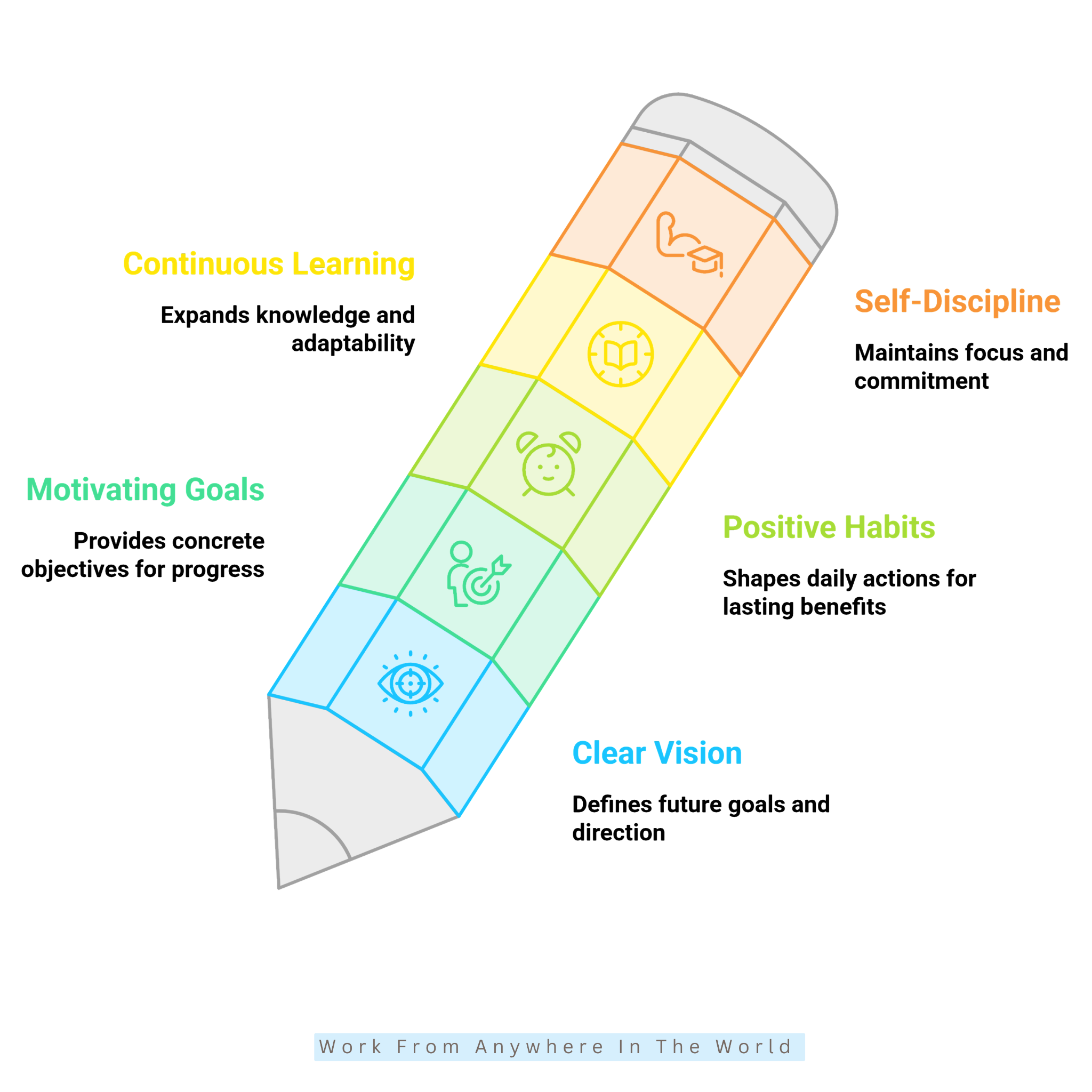
1. Create A Clear Vision For Your Future
A clear vision can give you a better sense of what you want your future to look like. It can also help you make choices that support the direction you want to take.
Think about the areas of life that matter most to you. Your vision might include your career, relationships, finances, personal interests, lifestyle, or other long-term goals that are important to you.
Writing down what you want to achieve can make your ideas more concrete. You can then identify smaller steps that move you towards the future you have in mind.
Your vision does not have to remain the same forever. Revisit it occasionally and adjust it as your priorities, experiences, and circumstances change.
2. Set Goals That Motivate And Inspire You
Goals can turn your vision into something you can work towards. Instead of simply wanting to be successful, think about what success would look like in your own life.
You might want to start a business, advance your career, improve your finances, learn a new skill, or achieve a personal goal. Choosing goals that genuinely matter to you can give your efforts more direction.
Larger goals can also feel more manageable when they are divided into smaller steps. Each step gives you something specific to focus on and makes it easier to see the progress you are making.
Your goals do not need to remain fixed forever. Reviewing them occasionally allows you to adjust your plans as your priorities and circumstances change.
3. Develop Positive Daily Habits
Success is often influenced by the things you do consistently. Small actions can become part of your routine and gradually shape the way you use your time and work towards your goals.
Positive habits do not need to involve major lifestyle changes. Reading regularly, exercising, practising gratitude, or planning your day are simple examples that can become part of an everyday routine.
It can be easier to develop a new habit when you start with something manageable. Once it becomes familiar, you can build on it or introduce another change that supports your priorities.
The habits that work best will depend on your goals and circumstances. Activities that support personal development, such as mindfulness and reflection, can become part of a routine that helps you focus on the areas of life you want to strengthen.
4. Keep Learning Throughout Your Life
Learning does not have to end when formal education is complete. New knowledge and skills can help you explore different interests and respond to changes in your personal or professional life.
There are many ways to continue learning. Books, online courses, podcasts, workshops, tutorials, and practical experience can all introduce you to new ideas and perspectives.
You can also focus your learning on areas that support your current goals. This might mean developing a professional skill, learning more about managing money, exploring a new hobby, or gaining knowledge for a future project.
Lifelong learning does not require hours of study every day. Making time regularly to explore something that interests you can gradually expand your knowledge and abilities.
5. Build Strong Self-Discipline
Motivation can help you begin working towards a goal, but it may not always be there when you need it. Self-discipline can help you continue even on days when you feel less motivated.
Building discipline often starts with small commitments. Completing planned tasks, following a routine, or setting aside time for something important can help make consistent action easier.
Distractions can make it tempting to put important tasks aside. Learning to manage your time effectively can help you decide what deserves your attention and keep your priorities in sight.
Self-discipline does not mean following a rigid schedule every day. It is about developing enough consistency to keep working towards the goals that matter to you while allowing room for changes when needed.
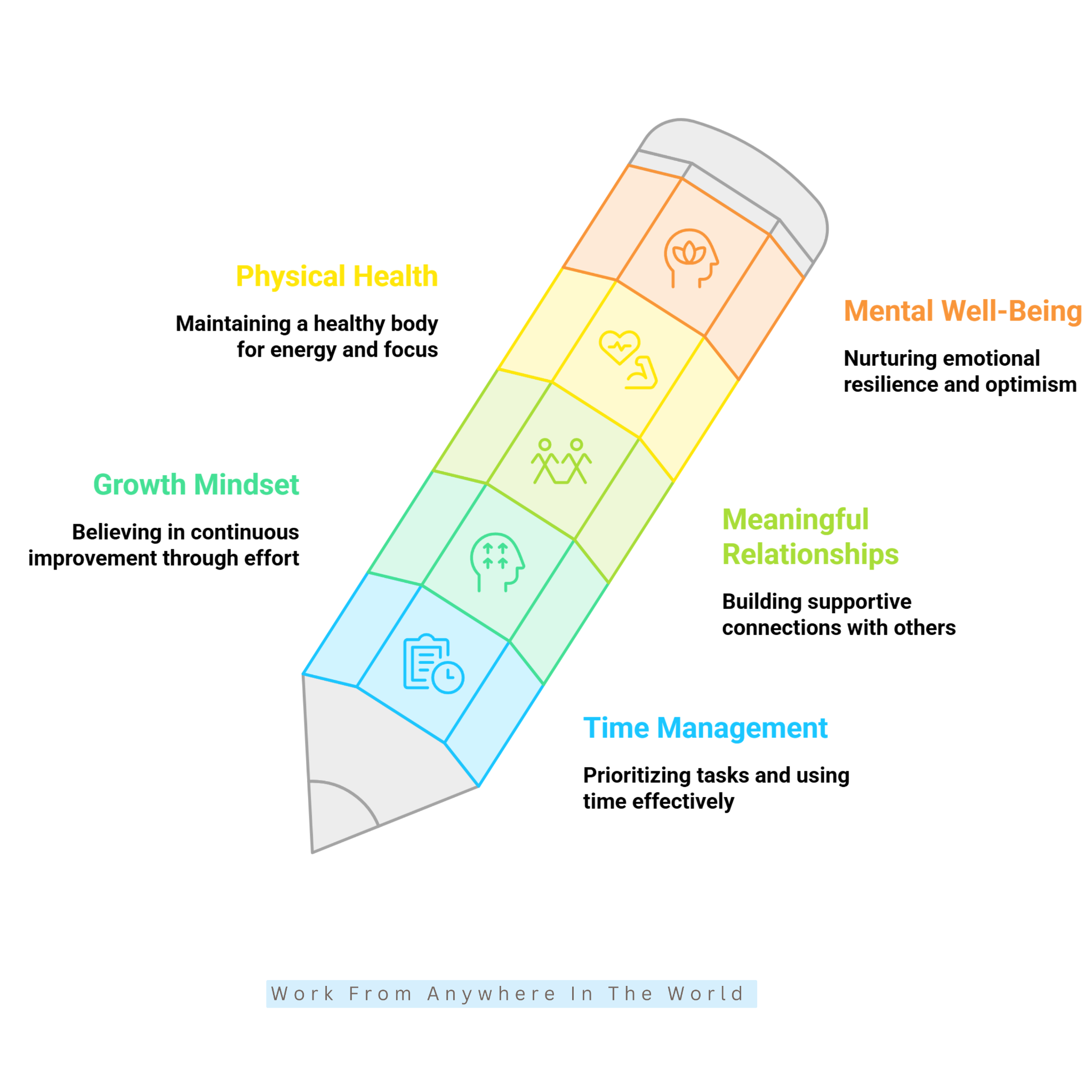
6. Learn To Manage Your Time Wisely
Time is a limited resource, so how you use it can influence the progress you make towards your goals. Deciding what deserves your attention can help you spend more time on activities that matter.
Start by identifying your most important tasks and deciding when you are most likely to complete them. Planners, digital calendars, and simple to-do lists can all help you organize your responsibilities.
It can also help to recognize activities that regularly take up time without adding much value. Setting priorities makes it easier to concentrate on important work before turning your attention to less urgent tasks.
Good time management can support productivity while leaving room for your personal life. Using your time thoughtfully can help you make steady progress without trying to fit too much into every day.
7. Embrace A Growth Mindset
A growth mindset is based on the idea that abilities can develop through learning, effort, and experience. Instead of viewing your current abilities as fixed, you remain open to improving them.
This perspective can change the way you approach challenges. Difficulties and mistakes can become opportunities to learn what works, make adjustments, and try a different approach.
A growth mindset can apply to many areas of life, including your career, business, relationships, and personal goals. Learning new skills or improving existing ones can gradually expand what you can do.
Progress will not always happen as quickly as you would like. Remaining willing to learn and adapt can help you continue moving forward when something does not work the first time.
8. Build Meaningful Relationships
The people around you can have a meaningful influence on your life. Strong relationships can provide encouragement, support, different perspectives, and opportunities to learn from one another.
Friends, family members, mentors, colleagues, and professional connections can all play different roles. Building these relationships takes genuine communication, trust, mutual respect, and a willingness to support others as well.
Professional relationships can also introduce you to new ideas and opportunities. Building a strong network can connect you with people who share your interests, understand your industry, or have experiences you can learn from.
Meaningful relationships are not simply about what you can gain from other people. Taking time to listen, stay connected, and contribute to relationships can make them valuable in both your personal and professional life.
9. Take Care Of Your Physical Health
Physical health can influence how you feel and function throughout the day. Taking care of your body can support the energy you need for work, relationships, hobbies, and other everyday responsibilities.
Regular movement, nutritious food, enough water, and sufficient sleep can all contribute to healthy work habits. You do not need to change everything at once to start taking better care of yourself.
Small choices can become easier to maintain when they fit naturally into your routine. Taking a daily walk, preparing nourishing meals, or creating a consistent sleep schedule are simple ways to begin.
Looking after your physical health is not about achieving perfection. It is about developing habits that support your well-being while still allowing you to enjoy your life.
10. Strengthen Your Mental Well-Being
Mental well-being can influence how you respond to challenges, make decisions, and manage everyday responsibilities. Taking care of your emotional health is therefore an important part of creating a fulfilling life.
Difficult situations and unexpected changes are part of life. Developing resilience can help you adapt to these experiences while recognizing when you need time, support, or a different approach.
Activities such as journaling, gratitude, spending time with supportive people, and practising mindfulness can become part of caring for your mental well-being. Even small moments of reflection or relaxation can provide a break from a busy day.
Supporting your mental well-being does not mean ignoring difficult emotions or expecting yourself to remain positive all the time. It means making space for your needs while developing healthy ways to respond to life’s challenges.
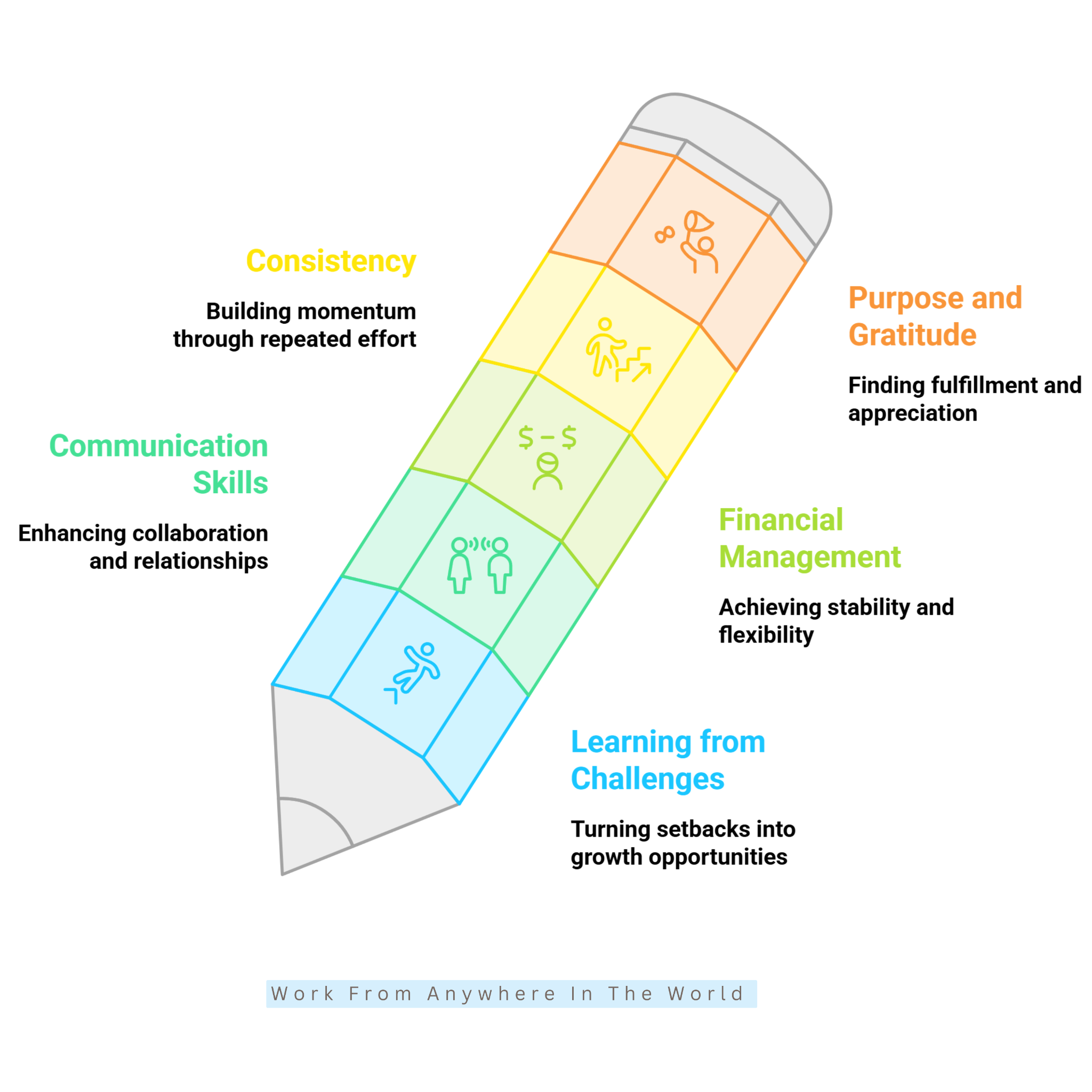
11. Learn From Challenges And Setbacks
Challenges and setbacks are a normal part of working towards meaningful goals. Plans do not always unfold as expected, and sometimes circumstances require you to reconsider your approach.
A setback can provide useful information about what worked and what needs to change. Taking time to reflect on the experience can help you make better decisions when you face a similar situation in the future.
Instead of allowing one difficult experience to define your progress, consider what you can learn from it. Developing problem-solving skills can help you explore alternatives and find another way forward.
Learning from experience does not mean every setback needs to become a major lesson. Sometimes the most useful response is simply to adjust your plans, continue moving forward, and try again.
12. Improve Your Communication Skills
Communication plays a role in almost every area of life. It can influence how you build relationships, work with others, share ideas, and handle everyday conversations.
Effective communication involves more than speaking clearly. Listening carefully, asking questions, and considering different perspectives can help you understand others and express your own ideas more clearly.
These skills can be especially valuable when working with clients, attending interviews, managing a team, or building professional relationships. Different situations may require you to adjust how you communicate.
Communication skills can improve with practice. Active listening, public speaking, writing, and regular conversations all provide opportunities to become more comfortable expressing yourself and connecting with others.
13. Manage Your Finances Wisely
Money alone does not define success, but managing it responsibly can provide greater flexibility when making decisions about your future. Understanding where your money goes is a useful place to begin.
Creating a budget, tracking expenses, and saving regularly can help you develop stronger money management skills. These habits can also make it easier to plan for larger expenses and future goals.
Learning basic financial concepts can help you make more informed decisions. You do not need to become a financial expert, but understanding your income, expenses, savings, and financial priorities can be valuable.
Your financial goals may change throughout different stages of life. Reviewing your finances regularly can help you adjust your plans as your circumstances and priorities develop.
14. Stay Consistent Even When Progress Feels Slow
Consistency can be difficult when you are putting in effort but cannot yet see the results you hoped for. Many worthwhile goals take time, and progress is not always obvious from one day to the next.
Whether you are developing a career, improving your health, learning something new, or growing a business, small actions can gradually move you closer to where you want to be.
It can help to focus on the actions you can control rather than expecting immediate results. Completing one task, practising a skill, or making one improvement may seem small, but those efforts can build on one another.
Consistency does not mean following the same approach when something clearly is not working. You can adjust your strategy, learn from experience, and still remain committed to your long-term goals.
15. Live With Purpose And Gratitude
Living with purpose can give greater meaning and direction to the choices you make. When your actions reflect what matters to you, your goals can become more personally meaningful.
Purpose does not have to involve one major life mission. It can come from your relationships, work, creativity, helping others, learning, or simply spending more time on the things you value.
Practising gratitude can complement this sense of purpose by helping you notice positive experiences and appreciate the progress you have already made. Keeping a gratitude journal or taking a few moments to reflect can become a simple part of your routine.
Success is not only about reaching the next goal. Making room for purpose and gratitude can help you appreciate where you are while continuing to work towards where you would like to be.
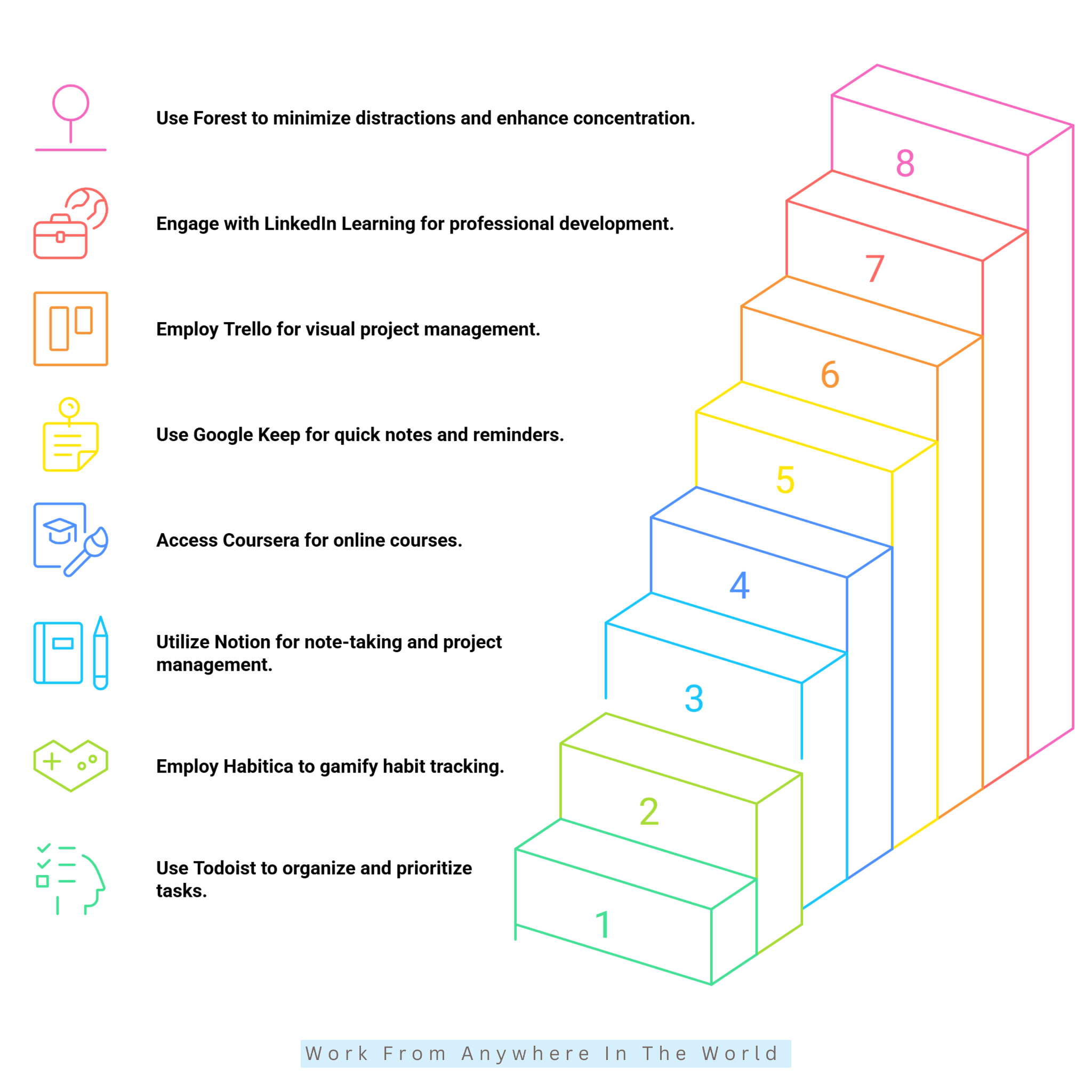
8 Helpful Tools That Can Support Your Success Journey
2. Habitica
Habitica is a habit-building and productivity app that turns everyday tasks into a game-like experience. It can make completing routines and working towards goals feel more engaging.
Users can add habits, daily activities, and individual tasks to their account. Completing them earns in-game rewards and allows users to make progress with their character.
The app can be used for many types of goals, such as exercising regularly, reading, completing household tasks, or developing a new routine. This flexibility allows users to adapt it to their own priorities.
Habitica may appeal particularly to people who enjoy games and want a more playful approach to managing everyday responsibilities. It provides a different experience from a traditional task list or planner.
3. Notion
Notion is an all-in-one workspace that combines note-taking, planning, task management, and project organization. It gives users a single place to store information that might otherwise be spread across several tools.
You can create task lists, organize goals, plan projects, build schedules, and store notes or other useful information. Pages and workspaces can also be customized for different purposes.
Notion can be useful for students, entrepreneurs, professionals, and individuals managing personal projects. Its flexible structure allows users to create a system that reflects the way they prefer to work.
The platform includes many features, but you do not need to use all of them. Starting with a simple setup can make it easier to organize your information and add more features as your needs develop.
4. Coursera
Coursera is an online learning platform that offers courses, certificates, and other learning programs across a wide range of subjects. It works with universities, companies, and other organizations to provide its educational content.
Users can explore topics such as business, technology, leadership, communication, and personal development. Courses are available at different levels, allowing you to choose options that align with your existing knowledge and goals.
Online learning can be particularly useful when you want to develop a skill without following a traditional classroom schedule. Many Coursera programs allow learners to work through course material at their own pace.
Coursera can support both professional and personal learning goals. The key is choosing courses that align with the skills or knowledge you genuinely want to develop.
5. Google Keep
Google Keep is a simple note-taking tool that can help you capture ideas, create lists, and organize everyday information. It can be useful when you want to record something quickly before you forget it.
You can create notes, checklists, and reminders for personal or professional tasks. Notes can also be organized with labels and other features that make important information easier to find.
Because Google Keep works across compatible devices, your notes can remain accessible when you move between your computer, phone, or tablet. This can be convenient for ideas or tasks that come up throughout the day.
Google Keep is best suited to relatively simple organization rather than complex project management. It provides an uncomplicated way to keep smaller tasks, reminders, and ideas together.
6. Trello
Trello is a visual project management tool that uses boards, lists, and cards to organize tasks and projects. Its layout makes it easy to see what needs attention and how work is progressing.
Users can create separate boards for different projects and move cards between lists as tasks progress. Cards can contain deadlines, checklists, notes, attachments, and other useful project information.
Trello can be used for both professional and personal projects. You might use it to organize business activities, plan content, manage a larger project, or keep track of individual goals.
The visual format can be especially useful for people who prefer seeing their tasks arranged in stages. You can keep the system simple or add more detail when a project requires it.
7. LinkedIn Learning
LinkedIn Learning is an online learning platform that offers courses covering a wide range of professional and creative subjects. It can be useful for people who want to develop skills related to their career or business.
Topics include leadership, communication, business, technology, and creative skills. Learners can choose courses that match their interests, responsibilities, or professional goals.
The platform allows users to learn at their own pace, making it easier to fit lessons around work and other commitments. Courses can also be selected individually depending on the skills you want to develop.
LinkedIn Learning provides another option for continuing your education outside a traditional classroom. Choosing relevant courses can help you expand your knowledge and explore areas that support your personal or professional goals.
8. Forest
Forest is a focus app designed to help users spend less time on distractions while working, studying, or completing other tasks. It uses a simple tree-growing concept to make focused time more engaging.
When you begin a focus session, you plant a virtual tree that grows as long as you remain focused. Over time, completed sessions can create a virtual forest that represents the time you have dedicated to your activities.
The app can be useful when you want to concentrate on reading, studying, writing, or other tasks without repeatedly checking your phone. Focus sessions can also be adjusted to suit different activities and schedules.
Forest offers a playful approach to managing distractions and developing more focused working habits. It may be particularly useful for people who enjoy a visual reminder of how much time they have spent concentrating on their priorities.
Frequently Asked Questions
Q1: Does Success Look The Same For Everyone?
No. Success is personal and can mean different things depending on your goals, values, circumstances, and stage of life.
For one person, success may centre on a rewarding career, while another may prioritize family, freedom, creativity, financial stability, or a combination of several areas.
Q2: How Can I Stay Motivated When Progress Feels Slow?
Focus on the reasons behind your goals and recognize the progress you have already made. Breaking a larger goal into smaller steps can also make it feel more manageable.
Motivation naturally changes from day to day. Developing routines and continuing with small actions can help you move forward even when you feel less motivated.
Q3: Is Success Only About Money?
No. Financial stability may be part of someone’s definition of success, but it is only one area of life.
Relationships, health, meaningful work, personal interests, freedom, and a sense of purpose can all contribute to how someone defines a successful life.
Q4: Can You Become Successful At Any Age?
There is no single age by which you need to achieve your goals. People can learn new skills, change careers, start businesses, develop new interests, or pursue different priorities throughout life.
Your definition of success may also change as you gain experience. What matters to you today may be different from what becomes important later.
Q5: Do Setbacks Mean You Are Not Succeeding?
No. A setback may simply mean that a particular approach did not produce the result you expected. It can provide information that helps you decide what to do differently.
Sometimes you may need to adjust your plans, learn something new, or give yourself more time. Progress does not always follow a straight path.
Q6: How Long Does It Take To Become Successful?
There is no standard timeline for success. Some goals can be reached relatively quickly, while others may require years of learning, experience, and consistent effort.
Rather than comparing your timeline with someone else’s, focus on progress towards goals that are meaningful to you and appropriate for your circumstances.
Conclusion
Understanding how to succeed in life begins with recognizing that success is personal. The goals and priorities that matter to you may be very different from those that matter to someone else.
Small actions, consistent effort, and a willingness to keep learning can help you make progress towards those goals. You can also adjust your direction as your circumstances and priorities change.
Success can involve your career, relationships, finances, health, personal interests, or a combination of different areas. What matters most is creating a life that reflects the things you genuinely value.
You do not need to have everything figured out at once. Continue learning, appreciate the progress you make, and allow your own definition of success to develop along with you.
I trust you enjoyed this article on How To Succeed In Life: 15 Powerful Tips. Please stay tuned for more insightful blogs on affiliate marketing, online business, and working from anywhere in the world.
Take care!
— JeannetteZ 🌍✨
💬 Your Opinion Is Important To Me
Do you have thoughts, ideas, or questions? I’d love to hear from you. Please leave your comments below or email me directly at Jeannette@WorkFromAnywhereInTheWorld.com.
📚 More Work From Anywhere Reads
🚀 Ready to Build a Business You Can Run from Home
Or from Anywhere in the World?
Imagine creating income on your terms — from home, a cozy café, or wherever life takes you.
With the right tools, training, and community support, it’s entirely possible.
Start your own online business for free — no credit card needed.
Disclosure
This post may contain affiliate links. As an Amazon Associate and participant in other affiliate programs, I earn from qualifying purchases at no extra cost to you. Please read my full affiliate disclosure.