

How To Start A Business As A Teenager: A Practical Guide
How to Start a Business as a Teenager is a question many young entrepreneurs ask as they look for ways to earn income, develop valuable skills, and pursue their passions.
Starting a business at a young age may seem challenging, but it can also be an exciting and rewarding experience. With the right mindset, determination, and a solid plan, teenagers can turn creative ideas into successful ventures.
Many successful entrepreneurs started their journeys at a young age, proving that age does not have to be a barrier to success.
This guide explores the key steps for starting a business as a teenager, from identifying market opportunities and developing a business plan to managing finances and overcoming common challenges.
Whether your goal is to earn extra money or build a long-term enterprise, these practical tips will help you get started with confidence.
Benefits Of Starting A Business As A Teenager
Starting a business as a teenager can provide valuable life experience and opportunities for personal growth. Beyond earning money, it helps young people develop practical skills, build confidence, and explore their interests in a meaningful way.
Here are some of the key benefits of starting a business as a teenager:
1. Early Skill Development
Starting a business helps teenagers develop valuable skills that can benefit them throughout their lives. Communication, time management, problem-solving, and decision-making are just a few of the abilities young entrepreneurs can strengthen through real-world experience.
Running a small business also provides hands-on learning opportunities in areas such as marketing, customer service, and money management.
These practical skills can be useful both personally and professionally, regardless of the career path a teenager chooses in the future.
2. Building A Strong Work Ethic
Running a business teaches teenagers the value of hard work, responsibility, and persistence. Meeting deadlines, serving customers, and managing daily tasks requires commitment and self-discipline.
These experiences help young entrepreneurs develop a strong work ethic that can benefit them throughout their education, future careers, and personal lives. Learning to overcome challenges and stay motivated is a valuable skill that extends far beyond business.
3. Financial Independence
Starting a business allows teenagers to earn their own money and gain greater financial independence. Whether the income comes from tutoring, pet sitting, selling products, or providing services, earning money through personal effort can be both rewarding and empowering.
Managing business income also teaches important financial skills, such as budgeting, saving, and spending wisely. These lessons can help teenagers make better financial decisions and build confidence in managing money from an early age.
4. Increased Confidence
Running a business can boost a teenager’s confidence by providing opportunities to solve problems, make decisions, and achieve goals. Each challenge overcome and milestone reached helps build self-belief and a sense of accomplishment.
As young entrepreneurs gain experience, they often become more comfortable taking initiative, communicating with others, and handling responsibilities. This increased confidence can benefit many areas of life, including school, future careers, and personal development.
5. Making Valuable Connections
Starting a business gives teenagers the opportunity to meet new people, including mentors, customers, fellow entrepreneurs, and industry professionals. These connections can provide valuable advice, encouragement, and support along the way.
Building relationships with others can open doors to new opportunities, partnerships, and learning experiences. The connections made through entrepreneurship may continue to be valuable throughout a teenager’s education, career, and personal growth.

6. Enhanced College And Career Prospects
Starting a business as a teenager demonstrates initiative, responsibility, and determination. These qualities can strengthen college applications, scholarship opportunities, and future job applications.
Entrepreneurial experience also helps teenagers develop practical skills that employers and educational institutions value. Running a business shows a willingness to take on challenges and work toward meaningful goals.
7. Exploration Of Passions
Starting a business allows teenagers to turn their hobbies, talents, and interests into something productive and rewarding. Whether they enjoy photography, art, tutoring, or technology, entrepreneurship can help them explore what they truly enjoy.
This hands-on experience can provide valuable insights into different industries and career paths. It may even inspire future educational or professional goals based on genuine interests and strengths.
8. Learning Through Failure
Not every business idea will succeed, and that’s okay. Entrepreneurship teaches teenagers that setbacks and mistakes are a natural part of learning and growth.
Experiencing challenges at a young age helps build resilience, adaptability, and problem-solving skills. These lessons can prepare young entrepreneurs to handle future obstacles with greater confidence and a more positive mindset.
9. Impact And Contribution
Teenagers can use their businesses to make a positive difference in their schools, neighbourhoods, or communities. Whether they provide a helpful service, support a local cause, or solve a common problem, young entrepreneurs can create meaningful value for others.
Making a positive impact can give teenagers a stronger sense of purpose and accomplishment. It also demonstrates that age need not be a barrier to contributing to the community and helping others.
10. Foundation For Future Success
The skills and experiences gained through entrepreneurship can benefit teenagers for years to come. Running a business encourages creativity, critical thinking, adaptability, and resilience, all of which are valuable in both personal and professional life.
Even if a teenager chooses a different career path in the future, the lessons learned through entrepreneurship can provide a strong foundation for future success. These experiences help build confidence, independence, and the ability to navigate new challenges with a positive mindset.

How To Start A Business As A Teenager
Starting a business as a teenager may seem challenging, but it can also be an exciting opportunity to learn new skills, earn money, and explore your interests. With the right mindset, planning, and dedication, young entrepreneurs can turn simple ideas into successful ventures.
Here is a step-by-step guide on how to start a business as a teenager:
1. Identify Your Passion And Skills
Every successful business starts with an idea that matches your interests, strengths, and abilities. As a teenager, your hobbies, talents, and experiences can provide excellent opportunities for starting a business.
To identify potential business ideas, ask yourself the following questions:
- What activities do I enjoy?
- What am I good at?
- What skills do my friends, family, or classmates often ask me to help with?
- Is there a product or service I could offer that others would find useful?
For example, if you enjoy baking, you could sell homemade treats at local events or to friends and family. If you are interested in technology, you might offer website design, computer support, or social media management services.
Choosing a business that aligns with your interests can help you stay motivated and enjoy the entrepreneurial journey.
2. Research Your Market
Before investing time and money into a business idea, it is important to understand who your potential customers are and what they need. A little research can help you determine whether there is demand for your product or service.
Ask yourself the following questions:
- Who are my potential customers?
- What problems can I help solve?
- Are people already offering something similar?
- How can I make my business different or better?
For example, if you want to start a tutoring business, find out which subjects students need the most help with and which age groups you would like to teach.
If you plan to sell handmade products, ask friends, family, or community members whether they would be interested in buying them.
Understanding your market can help you make better decisions, attract customers, and increase your chances of success.

3. Create A Business Plan
A business plan helps you organize your ideas and stay focused on your goals. It doesn’t have to be long or complicated, but it should give you a clear direction for your business.
Your plan should include:
- What product or service you will offer.
- Who your customers are.
- How you will reach potential customers.
- Your short-term and long-term goals.
- Any costs involved in starting the business.
- How you plan to promote your products or services.
For example, if you plan to offer pet-sitting services, your business plan might include your pricing, the neighbourhoods you want to serve, and how you will advertise your services.
Creating a simple business plan can help you stay organized, make informed decisions, and track your progress as your business grows.
4. Start Small And Test Your Idea
You don’t need to launch a large business right away. Starting small allows you to gain experience, build confidence, and learn what works before investing significant time or money.
Consider testing your idea by:
- Offering your product or service to friends, family, or neighbours.
- Participating in school events, community fairs, or local markets.
- Promoting your business through social media.
- Asking customers for feedback and suggestions.
For example, if you want to sell handmade crafts, start by selling a few items locally before expanding your business. If you plan to offer tutoring services, work with a small number of students first to gain experience and build your reputation.
Starting small allows you to learn from real-world experiences, make improvements, and grow your business at a pace that feels comfortable and manageable.
5. Set Up A Budget And Manage Finances
Starting a business does not have to be expensive. Many successful teen businesses begin with little or no startup costs. The key is to start with an idea that fits your budget and focus on growing gradually over time.
Here are some simple ways to manage your finances:
- Choose a low-cost business idea.
- Keep track of your income and expenses.
- Save a portion of your earnings.
- Reinvest some of your profits back into the business.
If your business requires some startup money, consider using your savings or discussing your plans with a parent or guardian. Starting small can help reduce financial risk while allowing you to gain valuable experience and confidence as your business grows.

6. Understand Local Requirements
Before starting your business, take some time to learn about any local rules or requirements that may apply. The regulations vary depending on where you live and the type of business you plan to operate.
Some businesses may require permits, licenses, or other approvals, while others can be started with very few formal requirements. For example, businesses involving food preparation may have different rules than tutoring, pet sitting, or lawn care services.
If you are under 18, it is a good idea to discuss your plans with a parent or guardian. They can help you understand local regulations, manage financial matters, and ensure that your business operates responsibly and legally.
Taking the time to understand the rules in your area can help you avoid problems and focus on growing your business with confidence.
7. Leverage Technology
Technology makes it easier than ever for teenagers to start and grow a business. From promoting products and services to managing schedules and communicating with customers, the right tools can help you save time and work more efficiently.
You can use technology to:
- Create a website or online portfolio.
- Promote your business on social media platforms such as Instagram, TikTok, YouTube, or Pinterest.
- Manage tasks, appointments, and finances.
- Communicate with customers and respond to inquiries.
- Sell products through online marketplaces.
For example, a teenager selling handmade jewellery could open an Etsy shop to reach customers beyond their local area. Canva can be used to create professional-looking social media posts, flyers, and promotional materials without requiring advanced design skills.
Using technology wisely can help you build your brand, attract customers, and grow your business while keeping startup costs low.
Wealthy Affiliate – Mini Review
If you’ve ever thought about turning your blog, passion, or niche into an online business,
Wealthy Affiliate (WA) is one of the most beginner-friendly platforms I’ve used.
It combines step-by-step training, website hosting, AI-powered tools,
keyword research, and an active community all in one place.
What I like most is that you can start free (no credit card needed), explore the platform,
test the tools, and connect with other entrepreneurs before upgrading.
WA isn’t a “get rich quick” scheme — success comes from consistent effort
and applying what you learn over time.
8. Market Your Business
Even the best products and services need customers. Marketing helps people learn about your business and understand how you can help them. Fortunately, there are many low-cost ways for teenagers to promote their businesses.
Some effective marketing strategies include:
- Sharing photos, videos, and updates on social media.
- Asking friends, family, and satisfied customers to spread the word.
- Offering special promotions or discounts to new customers.
- Creating flyers or posters for your school or local community.
- Encouraging happy customers to leave reviews or provide testimonials.
For example, a teenager offering pet-sitting services could share photos and updates on social media, while a tutor could ask satisfied students or parents to recommend their services to others.
The most effective marketing is often authentic and consistent. By being helpful, professional, and reliable, you can build trust with potential customers and encourage them to support your business.

9. Balance School And Business
Your education should remain a priority while building a business. Successfully balancing school, extracurricular activities, personal time, and entrepreneurship requires good organization and planning.
Here are some tips to help you stay on track:
- Create a schedule for schoolwork, business tasks, and personal activities.
- Prioritize important tasks and deadlines.
- Break large projects into smaller, manageable steps.
- Ask for help from family, friends, or mentors when needed.
- Use planners, calendars, or apps to stay organized.
It is also important to make time for rest and relaxation. Maintaining a healthy balance can help you stay productive, avoid burnout, and enjoy both your education and your entrepreneurial journey.
10. Learn And Adapt
Starting a business is a learning experience, and no entrepreneur gets everything right the first time. Being willing to learn from mistakes and adapt to new situations can help you grow both personally and professionally.
You can continue developing your skills by:
- Viewing mistakes as opportunities to learn and improve.
- Seeking advice from mentors, teachers, or experienced business owners.
- Reading books, watching tutorials, and exploring educational resources.
- Staying informed about changes and trends related to your business.
The most successful entrepreneurs are often those who remain curious and open to new ideas. By continuously learning and adapting, you can improve your business, overcome challenges, and increase your chances of long-term success.
11. Stay Persistent
Building a successful business takes time, effort, and patience. There will likely be setbacks and challenges along the way, but persistence is one of the most important qualities of a successful entrepreneur.
To stay motivated:
- Remain committed to your goals.
- Celebrate small achievements and milestones.
- Learn from setbacks rather than giving up.
- Remember why you started your business in the first place.
Progress may not always happen as quickly as you would like, but consistency and determination can make a significant difference over time. By staying focused and continuing to improve, you can overcome obstacles and move closer to achieving your goals.

12. Build A Support Network
Starting a business can be challenging, which is why having a strong support network is important. Family members, friends, teachers, mentors, and other entrepreneurs can provide encouragement, advice, and valuable feedback as you grow your business.
Consider building relationships with:
- Family and friends who support your goals.
- Teachers, mentors, or local business owners who can offer guidance.
- Other young entrepreneurs who share similar interests and experiences.
- Online communities focused on entrepreneurship and business development.
A strong support network can help you stay motivated, solve problems, and learn from the experiences of others. Knowing that you have people to turn to for advice and encouragement can make your entrepreneurial journey more enjoyable and rewarding.
13. Look For Opportunities To Grow
As your business gains experience and customers, you may discover new opportunities to grow. Growth doesn’t always mean making your business bigger right away. It can also mean improving your skills, serving more customers, or expanding the products and services you offer.
Some ways to grow your business include:
- Offering new products or services.
- Reaching more customers through social media or word-of-mouth referrals.
- Improving the quality of your products or customer service.
- Learning new skills that can help your business succeed.
Take your time and focus on steady progress. Growing too quickly can be overwhelming, especially when balancing school and other responsibilities. By building your business gradually, you can gain valuable experience while creating a stronger foundation for future success.
14. Understand Your Responsibilities
Even as a teenager, it is important to understand the basic responsibilities that come with running a business. Taking the time to learn about local rules, taxes, and financial record-keeping can help you avoid problems as your business grows.
Some important responsibilities include:
- Keeping track of your income and expenses.
- Following any local rules or requirements that apply to your business.
- Being honest and professional when dealing with customers.
- Asking a parent, guardian, or trusted adult for guidance when needed.
If you earn money from your business, you may have tax obligations depending on where you live. A parent, guardian, accountant, or tax professional can help you understand any requirements and ensure that you stay on the right track.
Understanding your responsibilities from the beginning can help you build a trustworthy business and develop good habits that will benefit you in the future.
Business Ideas For Teens
1. Service-Based Ideas
Tutoring
Help younger students with subjects you excel in or teach specialized skills such as coding, art, or a musical instrument. Tutoring can be offered in person or online, allowing you to help others while strengthening your own knowledge and communication skills.
Social Media Management
Assist local businesses with managing their social media accounts, creating content, and scheduling posts. Many small businesses need help improving their online presence, making this an excellent opportunity for teens who enjoy social media and digital marketing.
2. Product-Based Ideas
Crafts Or Handmade Goods
Sell jewellery, candles, artwork, or other handmade products online or at local markets. This business allows you to turn your creativity into income while building valuable marketing and customer service skills.
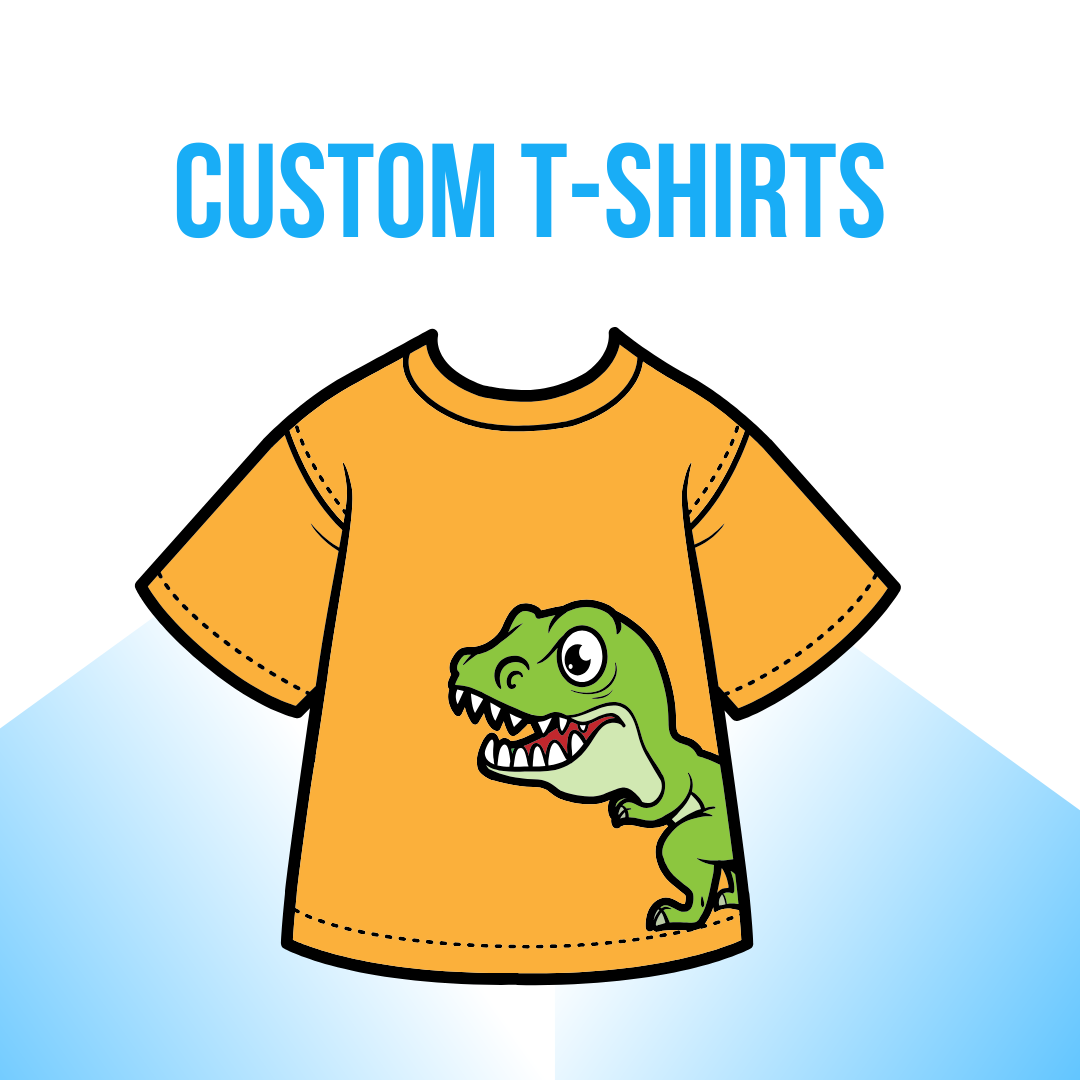
Custom T-Shirts
Design and sell custom T-shirts using print-on-demand services. This business model requires little upfront investment because products are only printed when customers place an order, eliminating the need to manage inventory.
3. Digital-Based Ideas
Digital Art And Design
Create logos, illustrations, social media graphics, or digital products using design tools. If you enjoy graphic design and creativity, you can offer your services to individuals, content creators, or local businesses looking for unique visual content.
E-Book Creation
Write and sell e-books on topics you are knowledgeable or passionate about. Whether you create how-to guides, educational resources, or fiction stories, e-books can provide a way to share your knowledge while generating income online.

4. Event Or Community-Based Ideas
Birthday Party Planning
Help families organize memorable birthday parties by planning activities, decorations, games, and entertainment. This business is ideal for creative and organized teenagers who enjoy working with children and bringing ideas to life.
Photography Or Videography
Offer photography or videography services for birthdays, school events, sports activities, family gatherings, or local community events. If you enjoy capturing special moments and have a good eye for detail, this can be a rewarding way to develop your skills while earning extra income.
Conclusion
Starting a business as a teenager can be a rewarding experience that teaches valuable life skills, builds confidence, and provides opportunities for personal and financial growth.
Along the way, you can develop communication, problem-solving, and time-management skills that will benefit you far beyond your entrepreneurial journey. Success rarely happens overnight, but every step you take can help you learn and improve.
By choosing an idea that interests you, staying committed to your goals, and learning from both successes and setbacks, you can create a strong foundation for future opportunities.
Remember, entrepreneurship has no age limit. Now that you know how to start a business as a teenager, the next step is to take action, explore your ideas, and begin building something of your own.
I trust you enjoyed this article on How To Start A Business As A Teenager: A Practical Guide. Please stay tuned for more insightful blogs on affiliate marketing, online business, and working from anywhere in the world.
Take care!
— JeannetteZ 🌍✨
💬 Your Opinion Is Important To Me
Do you have thoughts, ideas, or questions? I’d love to hear from you. Please leave your comments below or email me directly at Jeannette@WorkFromAnywhereInTheWorld.com.
📚 More Work From Anywhere Reads
🚀 Ready to Build a Business You Can Run from Home
Or from Anywhere in the World?
Imagine creating income on your terms — from home, a cozy café, or wherever life takes you.
With the right tools, training, and community support, it’s entirely possible.
Start your own online business for free — no credit card needed.
Disclosure
This post may contain affiliate links. As an Amazon Associate and participant in other affiliate programs, I earn from qualifying purchases at no extra cost to you. Please read my full affiliate disclosure.