

How To Be Successful In Business: 20 Essential Tips
How to be successful in business is a question with no single answer. Every company develops differently, but thoughtful planning, strong customer relationships, and sound decision-making can provide a solid foundation.
Running a business also requires balancing many responsibilities. Marketing, finances, customer service, leadership, and daily operations all influence how effectively a company functions.
Long-term growth rarely depends on a single strategy. Business owners often need to evaluate what is working, respond to challenges, and adjust their approach as circumstances change.
Understanding your customers and providing genuine value are equally important. These priorities can guide decisions about products, services, communication, and the overall direction of the business.
This article explores practical strategies and habits that can help you build and manage a stronger business. Whether you are starting out or developing an established company, you can adapt these ideas to your own goals and circumstances.
12 Essential Strategies To Be Successful In Business
Building a strong business requires attention to several areas rather than relying on a single strategy. Your customers, finances, marketing, operations, and long-term goals all play a role.
Some priorities will change as your business develops. What matters during the early stages may be different from what becomes important when you begin expanding your products, services, or team.
Successful business owners also need to make informed decisions while remaining flexible. Customer expectations, competition, technology, and market conditions can all influence the direction a business takes.
The strategies you choose should reflect your particular goals and circumstances. Regularly reviewing what works can help you identify where improvements or adjustments may be needed.
The following 12 strategies to be successful in business focus on practical areas that can strengthen your foundation and support continued development.
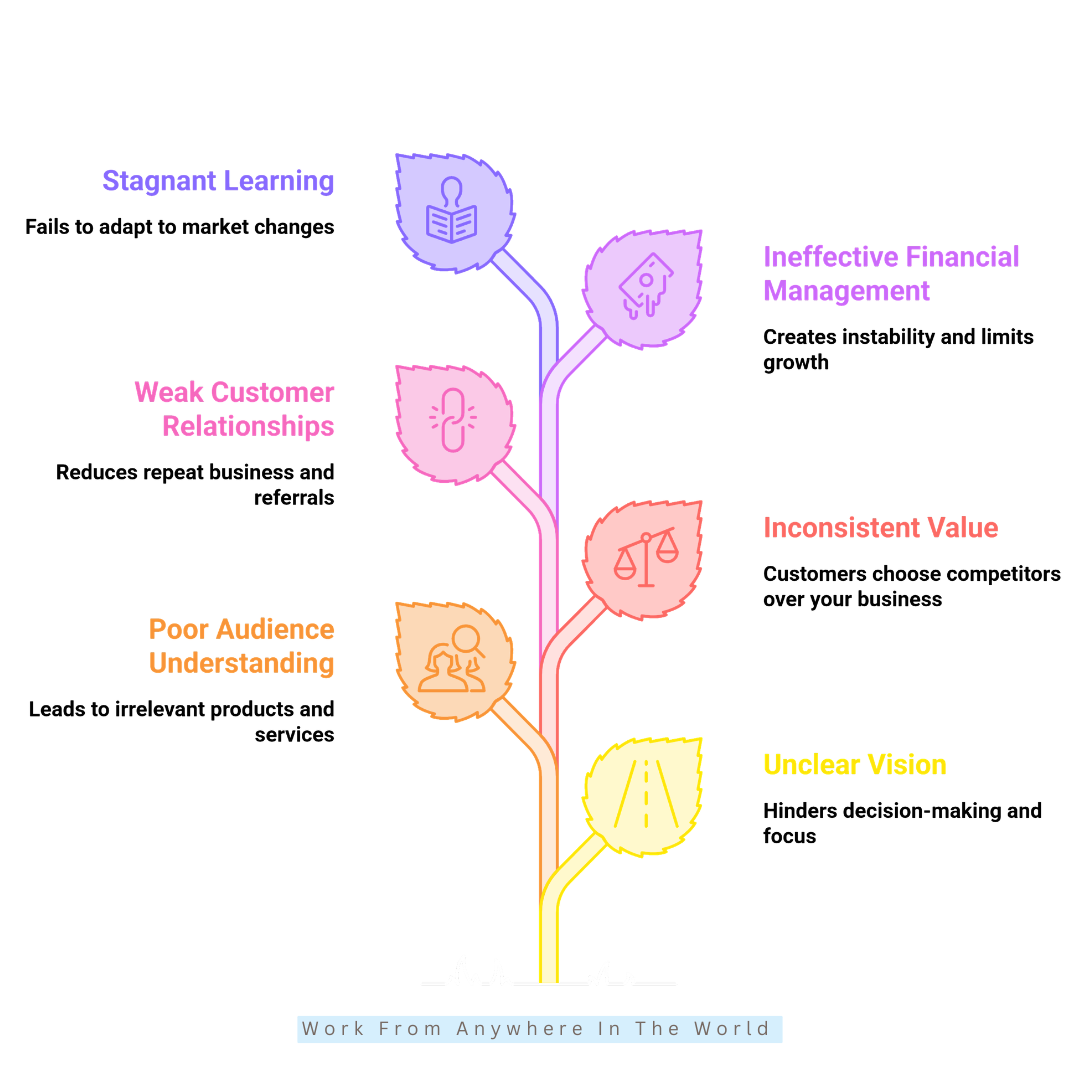
1. Start With A Clear Business Vision
A clear business vision gives you a sense of direction and helps guide important decisions. It defines what you want your business to become and what you hope to accomplish.
When your goals are clear, it becomes easier to identify opportunities that support them. Examples of SMART goals for businesses can also provide useful ideas for turning broader goals into specific targets.
For example, if you want to become a trusted online retailer within your niche, your marketing, product selection, and customer service can all support that broader vision.
Your vision does not need to remain unchanged forever. As your business develops, you can revisit it and adjust your priorities to reflect new opportunities, challenges, or customer needs.
Key Points
- Define what you want your business to achieve.
- Use your vision to guide important decisions.
- Keep your daily priorities aligned with your larger goals.
- Review your vision as your business develops.
2. Understand Your Target Audience
Understanding your target audience helps you make decisions based on what potential customers genuinely need and value. Their preferences, challenges, and priorities can influence everything from product development to marketing.
A target audience analysis can help you move beyond assumptions and better understand potential customers. Feedback and behaviour can provide useful insight into why people choose particular products or services and what influences their decisions.
Ways To Learn About Your Audience
- Surveys and questionnaires
- Social media interactions
- Customer reviews
- Market research
- Direct conversations
For example, an online clothing business might discover that its customers care more about comfort and sustainability than changing fashion trends. That insight could influence product selection, messaging, and future marketing decisions.
Customer needs can also change as markets and lifestyles evolve. Continuing to listen to your audience helps you recognize those changes and make informed adjustments as your business develops.
Key Points
- Learn what your customers genuinely value.
- Gather feedback from several sources.
- Apply customer insights to business decisions.
- Monitor how customer needs change.
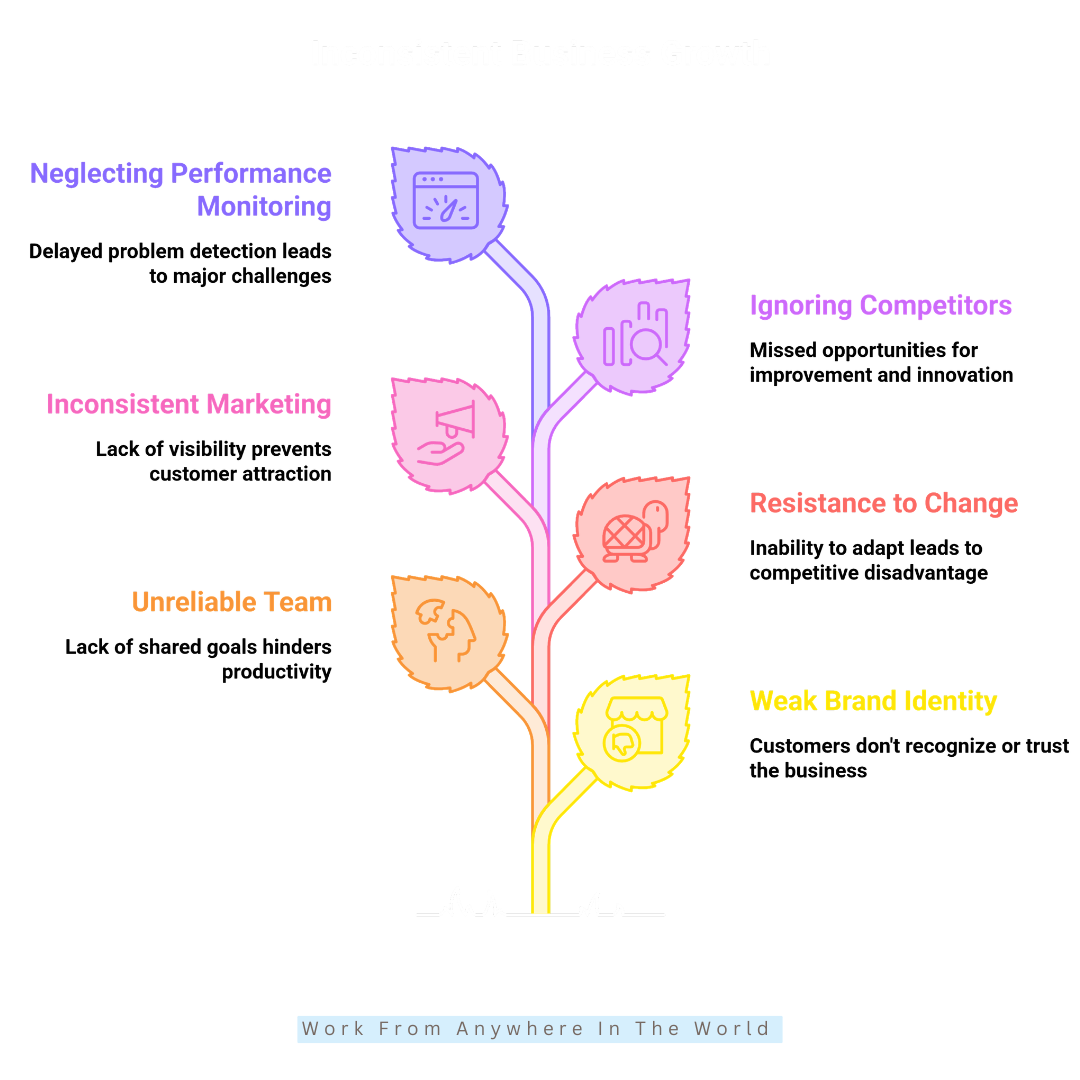
3. Deliver Exceptional Value Consistently
Customers often have several businesses competing for their attention. Providing meaningful value can give them a reason to choose your products or services and return in the future.
Value involves more than price. Product quality, convenience, reliability, customer support, and the overall experience can all influence how customers perceive a business.
Consider what matters most to your particular audience. Some customers may appreciate convenience, while others place greater importance on quality, personalized service, or helpful information.
Ways To Provide More Value
- Improve product or service quality
- Make purchasing easier
- Offer helpful resources
- Respond promptly to questions
- Personalize the customer experience
Consistency matters as much as the value itself. Customers who know what to expect may feel more confident returning, sharing positive feedback, or recommending your business to others.
Key Points
- Understand what your customers value most.
- Look beyond price when creating value.
- Improve the overall customer experience.
- Deliver a consistent level of service.
4. Build Strong Customer Relationships
Strong customer relationships can encourage repeat business and help customers feel connected to your company. The relationship continues beyond the initial purchase or completed service.
Communication plays an important role in maintaining that connection. Responding thoughtfully, providing helpful support, and keeping customers informed can contribute to a more positive experience.
Small actions can also show customers that their business is appreciated. The most appropriate approach will depend on what you offer and how customers typically interact with your company.
Ways To Strengthen Customer Relationships
- Send helpful follow-up emails
- Ask customers for feedback
- Offer appropriate loyalty rewards
- Provide responsive customer support
- Personalize relevant interactions
For example, a local service provider who remembers customer preferences and follows up after completing a project may create a more personal experience than one focused only on the transaction.
Positive relationships may lead to repeat purchases, referrals, and customer reviews. They can also provide valuable feedback that helps you improve your products, services, and overall customer experience.
Key Points
- Maintain communication after the sale.
- Make customers feel appreciated.
- Provide helpful and responsive support.
- Encourage feedback and ongoing relationships.
5. Develop Financial Management Skills
Financial management helps you understand how money moves through your business and where adjustments may be needed. Strong sales alone do not necessarily indicate that a business is financially healthy.
Regularly reviewing your finances can reveal patterns in income, expenses, and profitability. This information provides a stronger basis for decisions about spending, pricing, and future investments.
Important Areas To Monitor
- Cash flow
- Business expenses
- Profit margins
- Budgets
- Financial forecasts
For example, reviewing expenses may reveal costs that can be reduced without affecting product or service quality. Those savings could then be directed toward marketing, equipment, customer service, or other business priorities.
Financial needs can change as a business develops. Keeping accurate records and reviewing them regularly makes it easier to recognize potential problems and plan for upcoming expenses.
Key Points
- Monitor income and expenses regularly.
- Understand your business cash flow.
- Review profit margins and spending.
- Use financial information when planning ahead.
6. Invest In Continuous Learning
Business conditions rarely remain unchanged. Customer expectations evolve, new technologies emerge, and competitors may introduce different products, services, or ways of reaching their audiences.
Continuous learning helps business owners develop their knowledge and respond to these changes. It can also introduce new ideas for improving operations, marketing, customer service, or other areas of the business.
Learning does not always require formal education. Choose resources that relate to your current priorities and provide information you can apply to your business.
Ways To Continue Learning
- Attend industry conferences
- Take relevant online courses
- Read business books
- Join webinars and workshops
- Participate in professional networks
For example, learning how new technology works may reveal opportunities to streamline repetitive tasks. Understanding the benefits and limitations first can help you decide whether a particular tool is appropriate for your business.
Making learning an ongoing part of business development can help you recognize changes and evaluate new opportunities. It also gives you additional knowledge to draw on when making important decisions.
Key Points
- Keep developing relevant business skills.
- Follow changes within your industry.
- Choose learning opportunities that suit your needs.
- Apply useful knowledge to your business.
7. Create A Strong Brand Identity
A strong brand identity helps customers recognize your business and understand what makes it distinctive. It can also convey your company’s personality, values, and overall experience.
Branding extends beyond a business name or logo. The way your company looks, communicates, and interacts with customers all contribute to how people perceive the brand.
Important Elements Of A Brand
- Visual identity
- Brand voice
- Customer experience
- Company values
- Market positioning
Looking at brand positioning examples can provide ideas for how businesses distinguish themselves within a market. Your website, social media, marketing materials, packaging, and customer communications should then consistently reinforce that positioning.
Authenticity matters as well. Your branding should reflect what the business genuinely offers, rather than creating expectations that its products, services, or customer experience cannot meet.
As your business develops, your brand may evolve with it. Maintaining recognizable elements while refining your presentation can help keep the brand relevant without losing its established identity.
Key Points
- Develop a recognizable brand identity.
- Keep your messaging and visuals consistent.
- Reflect your genuine business values.
- Allow your brand to evolve naturally.
8. Build A Reliable Team
A reliable team can support a business as responsibilities increase and operations become more complex. Even solo business owners may eventually work with freelancers, contractors, or manage a virtual team as the business grows.
Look for people whose skills complement the business’s needs. Experience matters, but reliability, communication, and willingness to work toward shared goals are equally important.
Qualities Of A Reliable Team
- Clear communication
- Accountability
- Problem-solving skills
- Positive collaboration
- Commitment to quality
Providing appropriate guidance and opportunities to develop new skills can help team members grow within their roles. Clear responsibilities also make it easier for everyone to understand what is expected.
Recognition can be equally important. Acknowledging individual contributions and encouraging collaboration can create a more supportive working environment.
As the business develops, team needs may change. Regularly reviewing responsibilities and workloads can help determine when additional skills or support may be needed.
Key Points
- Choose people with complementary skills.
- Establish clear roles and responsibilities.
- Encourage communication and collaboration.
- Recognize individual contributions.
9. Embrace Innovation And Adaptability
Businesses operate in changing environments, so the ability to adapt can be valuable. Customer expectations, technology, competition, and market conditions may all influence how a company operates.
Innovation does not always require developing something entirely new. Smaller improvements to products, services, processes, or customer experiences can also make a meaningful difference.
Ways To Encourage Innovation
- Improve customer service processes
- Explore useful automation tools
- Refine existing products or services
- Consider new market opportunities
- Update marketing approaches
Pay attention to areas where customers or employees regularly experience difficulties. These can reveal opportunities to simplify processes or introduce improvements that make the business more effective.
Adaptability is equally important when circumstances change unexpectedly. Being willing to review existing plans and consider alternative approaches can help a business respond without abandoning its broader direction.
Innovation should still have a purpose. New tools or ideas are most useful when they solve a genuine problem, improve an existing process, or provide additional value for customers.
Key Points
- Look for practical ways to improve.
- Respond thoughtfully to changing conditions.
- Consider feedback when making adjustments.
- Adopt new ideas when they provide genuine value.
10. Focus On Consistent Marketing
Marketing helps potential customers discover your business and understand what you offer. Even a strong product or service may struggle to attract attention if people do not know it exists.
Developing a marketing plan can help you choose channels that suit your audience and business goals. Rather than trying to be everywhere, you can focus on the methods that are most relevant to your customers.
Marketing Channels To Consider
- Search engine optimization (SEO)
- Content marketing
- Social media marketing
- Email marketing
- Paid advertising
- Referral programs
Consistency can make marketing easier to evaluate over time. Regular content, customer communication, and campaign reviews provide opportunities to learn which activities generate interest and which ones need adjustment.
For example, a small business might publish helpful blog content that answers questions its potential customers are already asking. This content can support search visibility while providing useful information to readers.
Marketing strategies should also evolve as the business and audience change. Regularly reviewing performance can help you decide where to continue investing your time and resources.
Key Points
- Choose marketing channels that suit your audience.
- Maintain a consistent marketing presence.
- Provide useful and relevant content.
- Review performance and adjust your approach.
11. Learn From Your Competitors
Competitor research can provide useful insight into how other businesses in your market operate. It may also reveal opportunities to distinguish your products, services, or customer experience.
Look at competitors from a learning perspective rather than trying to copy what they do. An SEO competitive analysis can also reveal how competing businesses approach search visibility, content, and keywords.
Their strengths can show you what customers appreciate, while gaps or recurring complaints may highlight areas where your business could offer something different.
Customer reviews can be particularly informative. They may reveal what people value, where expectations are not being met, and which features or services receive the most attention.
Competitor research can also help you notice changes within your market. New products, marketing approaches, pricing models, or customer expectations may provide useful context when reviewing your own strategy.
Key Areas To Analyze
- Products and services
- Pricing approaches
- Customer reviews
- Marketing campaigns
- Social media activity
- Website experience
- Customer support
- Unique selling propositions
- Brand positioning
- New products and innovations
The goal is not to match competitors in every area. Use what you learn to identify opportunities that make sense for your customers, resources, and business direction.
Key Points
- Study competitors without copying them.
- Pay attention to customer feedback.
- Look for gaps and opportunities in the market.
- Apply relevant insights to your own strategy.
12. Monitor Business Performance Regularly
Regular performance monitoring helps you understand how different areas of your business are performing. Decisions based on reliable information are generally more useful than relying on assumptions alone.
Choose metrics that relate directly to your business goals. Google Analytics website metrics can provide useful insights into online performance, while financial and customer data can help you evaluate other areas of the business.
Reviewing these measures consistently can help you identify patterns and notice changes earlier. A decline in repeat customers, for example, may indicate that the customer experience deserves closer attention.
Key Areas To Monitor
- Revenue and profitability
- Customer retention
- Marketing performance
- Operational efficiency
- Customer satisfaction
The information you collect should help guide future decisions. If a particular strategy is performing well, you may decide to continue or expand it. Poorer results can indicate where adjustments or further investigation are needed.
Avoid tracking numbers simply because they are available. Focusing on a manageable set of relevant metrics makes it easier to understand what they mean and how they relate to your broader business goals.
Key Points
- Choose metrics that reflect your business goals.
- Review performance on a regular basis.
- Look for meaningful patterns and changes.
- Use the findings to guide future decisions.
8 Common Habits Of Successful Business Owners
Business strategies influence what you do, while everyday habits often influence how consistently those strategies are applied. The way you organize your time, approach decisions, and respond to challenges can affect how you manage your business.
Helpful habits do not need to involve complicated routines. Small, repeatable actions can make it easier to stay focused, maintain priorities, and follow through on important responsibilities.
Different business owners will naturally develop routines that suit their personalities and working styles. What matters is finding habits that support your goals without making your schedule unnecessarily rigid.
Some habits also become more important as responsibilities increase. Delegating, reviewing progress, maintaining relationships, and protecting time for planning may help keep competing demands manageable.
The following 8 common habits of successful business owners highlight behaviours that can support effective leadership and day-to-day business management.
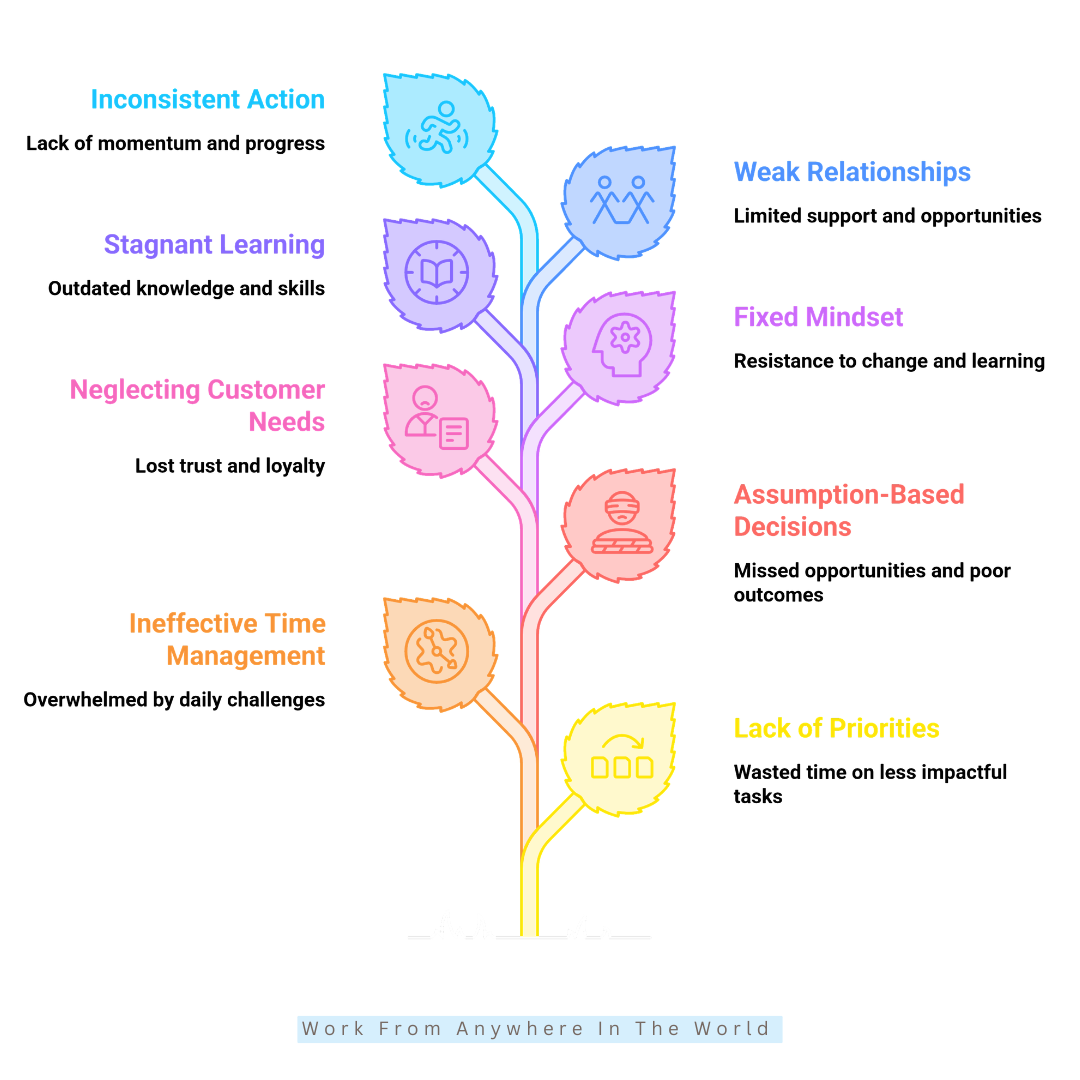
1. Set Clear Priorities
Running a business often means having more tasks than can reasonably be completed at once. Setting clear priorities helps you decide where your time and attention are most valuable.
A time management matrix can help you distinguish between tasks that are urgent and those that are important. This can make it easier to decide which responsibilities deserve your attention first.
Priorities may also change from one day or week to the next. Reviewing them regularly can help you respond to new responsibilities without losing sight of important longer-term work.
A manageable list of priorities can provide more direction than trying to accomplish everything simultaneously. It also makes it easier to recognize which tasks genuinely deserve your attention.
Key Points
- Identify the most important business tasks.
- Focus on work that supports current goals.
- Review priorities as circumstances change.
- Avoid treating every task as equally urgent.
2. Manage Time Effectively
Time is limited, and running a business often means balancing many different responsibilities. Effective time management can help you organize those demands and give important work the attention it deserves.
Calendars, task lists, and planning tools can make daily and weekly responsibilities easier to manage. Setting aside dedicated time for customer communication, marketing, finances, and planning can also reduce unnecessary switching between tasks.
Allow some flexibility for unexpected issues rather than filling every part of the day. A realistic schedule is usually easier to maintain when priorities or circumstances suddenly change.
SMART goals for time management can also help create space for work that is important but not always urgent. Business planning, learning, and reviewing performance can easily be overlooked when daily tasks take over.
Key Points
- Plan time around important responsibilities.
- Use suitable tools to stay organized.
- Leave room for unexpected tasks.
- Protect time for planning and development.
3. Make Data-Driven Decisions
Business decisions are easier to evaluate when they are supported by relevant information. Data can help you understand what is working, where problems may be developing, and which areas deserve closer attention.
Useful information can come from several sources. Sales reports, financial records, website analytics, marketing results, and customer feedback can each provide a different view of business performance.
The numbers themselves are only the starting point. Understanding the difference between data-driven and data-informed decisions can help you interpret those numbers alongside context and experience.
For example, customer behaviour may reveal which products attract repeat purchases or which marketing channels generate the most interest. These insights can help guide future decisions and priorities.
Key Points
- Use reliable information when making decisions.
- Review data from several business areas.
- Look for patterns rather than isolated results.
- Apply relevant insights to future decisions.
4. Stay Customer-Focused
Keeping customers at the centre of business decisions can help you understand what they genuinely need and expect. Their experiences provide useful insight into where your products, services, or processes could improve.
Customer feedback can come from reviews, surveys, conversations, support requests, and other interactions. Pay attention to recurring comments rather than making major changes based on a single opinion.
Being customer-focused also means considering the entire experience. Communication, convenience, reliability, and support can influence how customers feel about a business just as much as the product or service itself.
Use what you learn to make thoughtful improvements where they are needed. Customers who feel heard and appreciated may be more likely to return, provide feedback, or recommend your business to others.
Key Points
- Listen carefully to customer feedback.
- Look for recurring needs and concerns.
- Consider the entire customer experience.
- Use customer insights to guide improvements.
5. Maintain A Growth Mindset
A growth mindset encourages you to view challenges as opportunities to learn rather than simply as setbacks. Difficult experiences can reveal weaknesses, highlight new possibilities, and provide useful lessons for future decisions.
Remaining open to learning is an important part of this mindset. New skills, ideas, and perspectives can help you approach familiar business challenges differently.
Adaptability also plays a role. Markets, technology, and customer expectations change, so being willing to reconsider established methods can help you respond when circumstances shift.
Not every new idea will suit your business. A growth mindset involves evaluating possibilities thoughtfully, learning from the results, and applying useful lessons to future decisions.
Key Points
- Learn from challenges and setbacks.
- Remain open to new ideas.
- Develop skills as your business evolves.
- Apply lessons to future decisions.
6. Commit To Continuous Learning
Business owners regularly encounter new tools, changing customer expectations, and developments within their industries. Continuing to learn can help you understand these changes and decide which ones are relevant to your business.
Learning can take many forms. Industry publications, workshops, podcasts, courses, professional communities, and conversations with other business owners can all provide useful perspectives.
Focus on information that relates to your current goals rather than trying to follow every new development. This makes it easier to turn what you learn into practical improvements.
Developing essential entrepreneur skills can strengthen your abilities in areas such as leadership, marketing, finance, and technology. As your responsibilities change, different areas of knowledge may become more important.
- Stay informed about relevant industry changes.
- Explore different ways to continue learning.
- Focus on knowledge that supports current goals.
- Apply useful lessons to your business.
Wealthy Affiliate – Mini Review
If you’ve ever thought about turning your blog, passion, or niche into an online business,
Wealthy Affiliate (WA) is one of the most beginner-friendly platforms I’ve used.
It combines step-by-step training, website hosting, AI-powered tools,
keyword research, and an active community all in one place.
What I like most is that you can start free (no credit card needed), explore the platform,
test the tools, and connect with other entrepreneurs before upgrading.
WA isn’t a “get rich quick” scheme — success comes from consistent effort
and applying what you learn over time.
7. Build Strong Professional Relationships
Professional relationships can provide valuable support throughout different stages of running a business. Customers, suppliers, mentors, industry peers, and other business owners may all become part of your wider network.
Strong connections usually develop through genuine interaction rather than approaching people only when you need something. Regular communication and mutual respect can help relationships develop naturally.
Professional contacts may share knowledge, introduce new perspectives, recommend useful resources, or create opportunities for collaboration. You may also be able to provide similar support in return.
Networking can happen through industry events, professional groups, online communities, or everyday business interactions. Focus on building meaningful connections rather than simply increasing the number of people in your network.
Key Points
- Build genuine professional connections.
- Maintain regular communication.
- Look for mutually beneficial relationships.
- Stay connected with your wider network.
8. Take Consistent Action
Business goals require regular attention to move forward. Consistent action helps turn plans and ideas into manageable tasks that can be completed over time.
The actions themselves do not always need to be large. Updating a product, improving a marketing campaign, responding to customers, or completing one important task can all contribute to progress.
Consistency can also make larger goals feel more manageable. Breaking them into smaller actions provides opportunities to review progress and make adjustments along the way.
Some days will naturally be more productive than others. The goal is not constant activity, but maintaining enough momentum to keep important priorities moving forward.
Key Points
- Turn plans into manageable actions.
- Focus on important tasks consistently.
- Break larger goals into smaller steps.
- Adjust your approach as needed.
Frequently Asked Questions
Q1: What Is The Most Important Factor In Business Success?
There is no single factor that guarantees business success. Understanding your customers and providing genuine value are important, along with sound financial management, effective marketing, and consistent decision-making.
These areas work together rather than independently. Regularly reviewing your priorities can help you determine where your business needs the most attention.
Q2: How Can A Small Business Become Successful?
A small business can strengthen its chances of success by understanding its target audience, managing finances carefully, and providing quality products or services.
Consistent marketing and strong customer relationships also play important roles. As the business develops, reviewing results can help identify what is working and where improvements may be needed.
Q3: How Long Does It Take To Build A Successful Business?
There is no standard timeline. The time required depends on the industry, business model, competition, available resources, customer demand, and many other factors.
Some businesses develop quickly, while others grow gradually as they build awareness, customers, and experience. Regularly reviewing your progress can help you focus on meaningful improvements rather than comparing your timeline with other businesses.
Q4: Why Is Customer Satisfaction Important In Business?
Customer satisfaction can influence repeat purchases, reviews, referrals, and overall reputation. Positive experiences may also encourage customers to maintain a longer relationship with the business.
Customer feedback provides useful information as well. It can reveal opportunities to improve your products, services, communication, or support.
Q5: How Does Marketing Contribute To Business Success?
Marketing helps potential customers discover your business and understand what it offers. It can also build brand awareness and communicate the value of your products or services.
Different marketing channels may work better for different audiences. Monitoring results can help you focus your efforts on the approaches that provide the most value for your business.
Q6: What Role Does Financial Management Play In Business Growth?
Financial management helps business owners understand cash flow, expenses, profitability, and available resources. This information can support better decisions about spending, pricing, and investment.
Regular financial reviews can also help identify potential problems earlier. They provide useful information when planning future expenses or considering opportunities for expansion.
Q7: Can A Business Succeed Without A Large Budget?
A large budget is not always necessary, but every business has different financial requirements. Starting with manageable expenses can help reduce unnecessary financial pressure.
Available resources can then be directed toward the areas that matter most. Careful budgeting also makes it easier to decide when additional spending or investment may be worthwhile.
Q8: Why Is Adaptability Important For Business Owners?
Customer expectations, technology, competition, and market conditions can change. Adaptability allows business owners to reconsider existing approaches when circumstances require a different approach.
Being adaptable does not mean changing direction whenever something new appears. It means evaluating changes carefully and adjusting when doing so supports the business and its customers.
Q9: How Can Entrepreneurs Improve Their Business Skills?
Business skills can be developed through courses, books, workshops, professional networks, and practical experience. Different resources may be useful at different stages of running a business.
Focusing on skills that relate to current needs can make learning more manageable. Applying what you learn also helps turn new knowledge into practical experience.
Q10: What Is The First Step In Learning How To Be Successful In Business?
Start by understanding what you want your business to achieve and who you hope to serve. A clear direction and knowledge of your target audience provide a useful foundation for future decisions.
From there, you can establish priorities and choose strategies that support your goals. Your approach can then be refined as you gain experience and learn more about your customers.
Conclusion
Learning how to be successful in business is an ongoing process that involves planning, adaptability, and consistent effort. There is no single formula, and a business’s priorities may change as it develops.
Understanding your customers provides an important foundation for many business decisions. Their needs and feedback can influence your products, services, marketing, and overall customer experience.
Financial management, strong professional relationships, and key marketing principles for business growth can all contribute to a well-managed business. Regularly reviewing these areas can help you recognize where adjustments may be needed.
Success does not require following every new strategy or opportunity. Exploring practical small business secrets and focusing on approaches that suit your goals, customers, and available resources can make business development more manageable.
Continuing to learn and taking consistent action can help your business evolve as circumstances change. Each experience provides an opportunity to refine your approach and make more informed decisions about what comes next.
I trust you enjoyed this article on How To Be Successful In Business: 20 Essential Tips. Please stay tuned for more insightful blogs on affiliate marketing, online business, and working from anywhere in the world.
Take care!
— JeannetteZ 🌍✨
💬 Your Opinion Is Important To Me
Do you have thoughts, ideas, or questions? I’d love to hear from you. Please leave your comments below or email me directly at Jeannette@WorkFromAnywhereInTheWorld.com.
📚 More Work From Anywhere Reads
🚀 Ready to Build a Business You Can Run from Home
Or from Anywhere in the World?
Imagine creating income on your terms — from home, a cozy café, or wherever life takes you.
With the right tools, training, and community support, it’s entirely possible.
Start your own online business for free — no credit card needed.
Disclosure
This post may contain affiliate links. As an Amazon Associate and participant in other affiliate programs, I earn from qualifying purchases at no extra cost to you. Please read my full affiliate disclosure.