
How To Find Online Freelance Jobs: A Practical Guide
How to find online freelance jobs is one of the most common questions people ask when they want to earn an income from home. With the right strategy, you can connect with clients worldwide and build a flexible freelance career.
Whether you have writing, design, programming, marketing, or other valuable skills, there are opportunities available across many industries. Knowing where to look and how to present your skills can make all the difference.
This guide explains how to find online freelance jobs using trusted platforms and proven job search strategies. You’ll also learn how to create a strong profile, write proposals that stand out, and attract your first clients.
Whether you’re looking for a side income or hoping to build a full-time freelance business, the right approach can help you succeed. Let’s explore the steps to finding online freelance jobs with confidence.
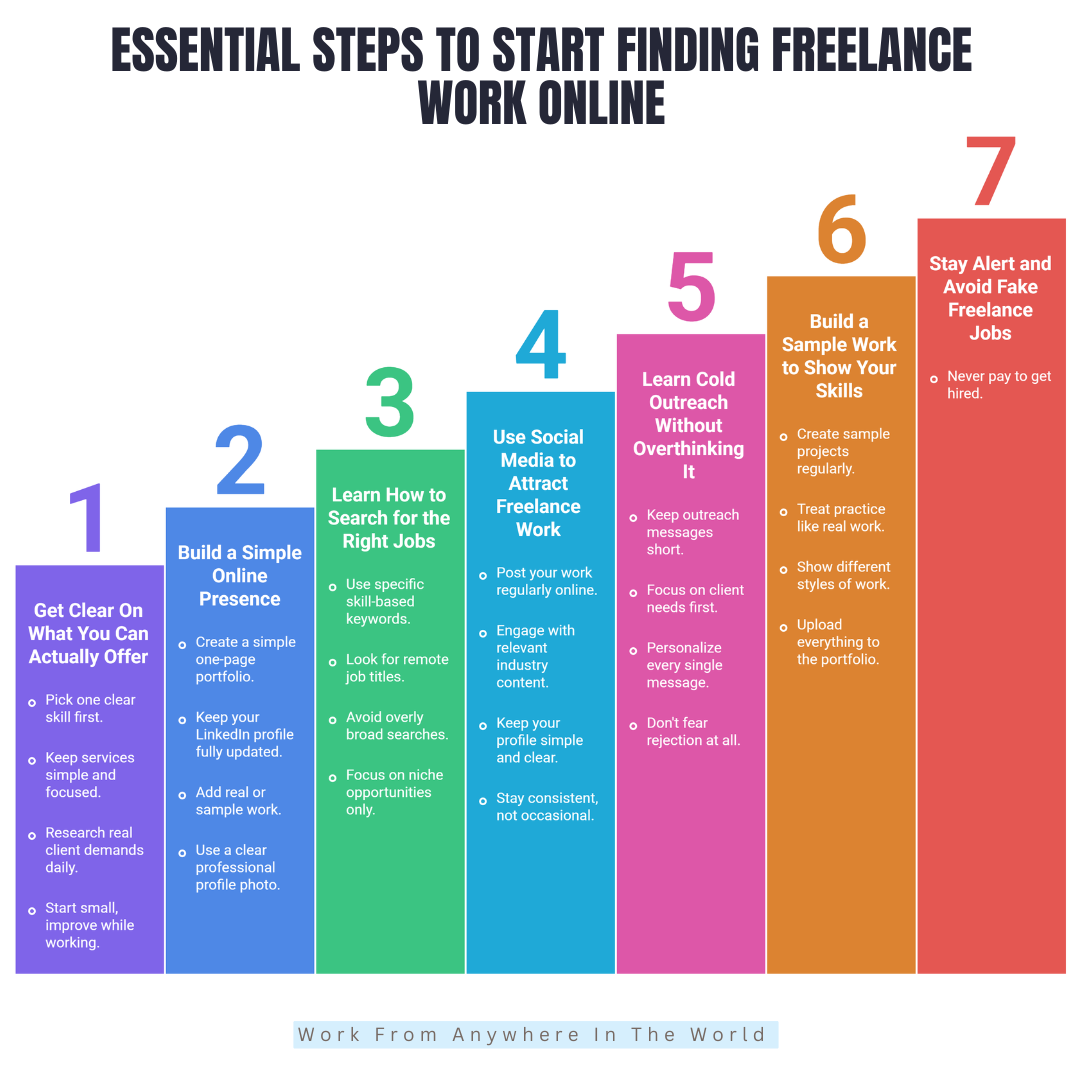
Essential Steps To Finding Online Freelance Jobs
Finding online freelance jobs takes more than simply signing up for a freelancing platform. A clear plan will help you stand out and attract the right clients.
Building a successful freelance career starts with understanding your strengths and choosing the services you want to offer. From there, you can create a professional online presence that showcases your skills.
Knowing where to search and how to apply for freelance jobs also plays an important role. A strong profile, quality portfolio, and well-written proposals can increase your chances of success.
The following steps will show you how to find online freelance jobs with confidence. They will help you build a solid foundation for long-term freelance success.
Step 1: Getting Clear On What You Can Offer
Before you start applying for freelance jobs, identify the skills you can already offer. Focus on what you can do well today rather than the skills you hope to develop in the future.
Your services could include writing blog posts, creating social media content, editing videos, graphic design, virtual assistance, customer support, programming, or many other online skills. Choose one area where you can provide value and continue improving as you gain experience.
Offering a clear service helps potential clients understand exactly how you can help them. It also makes it easier to create your profile, build a portfolio, and apply for relevant freelance jobs.
Starting with one specialized service allows you to build confidence, gain positive reviews, and develop your reputation. As your experience grows, you can expand your services and attract a wider range of clients.
Pro Tips
- Choose one skill and become confident in it.
- Keep your services clear and focused.
- Research what clients are looking for.
- Build experience before expanding your services.
Step 2: Building A Simple Online Presence
A professional online presence helps potential clients learn more about you and the services you offer. It doesn’t have to be complicated or expensive, but it should clearly present your skills.
Start with a simple portfolio website or an up-to-date LinkedIn profile. Include a short introduction, list your skills, and showcase examples of your work, even if they are personal or practice projects.
Clients want to see evidence that you can complete the work they need. A clean, well-organized profile builds trust and makes it easier for them to decide whether you’re a good fit.
Having an online presence also improves your visibility and credibility. Instead of relying only on job applications, you create opportunities for clients to discover and contact you directly.
Pro Tips
- Create a simple one-page portfolio.
- Keep your LinkedIn profile up to date.
- Include real or sample work.
- Use a professional profile photo.
Step 3: Learning How To Search For The Right Jobs
Finding online freelance jobs is about more than browsing endless job listings. Learning how to search effectively can save time and help you discover opportunities that match your skills.
Instead of using broad search terms like “freelance jobs,” use keywords related to your services. For example, a writer might search for “blog writer,” while a graphic designer could look for “logo design” or “social media graphics.”
Expand your search to include remote, contract, and project-based positions. Many companies advertise freelance opportunities under these job titles rather than using the word “freelance.”
Taking a targeted approach reduces competition and improves the quality of the jobs you find. The more specific your search, the easier it becomes to connect with clients looking for your particular skills.
Pro Tips
- Use keywords related to your skills.
- Search for remote and contract positions.
- Avoid overly broad job searches.
- Focus on your niche whenever possible.
Step 4: Using Social Media To Attract Freelance Work
Social media has become a valuable tool for finding freelance clients and building your professional reputation. Platforms like LinkedIn, Facebook, Instagram, and X allow you to showcase your skills and connect with potential clients.
Share examples of your work, helpful tips, or updates about your projects on a regular basis. You don’t have to be an expert. Consistently demonstrating your knowledge and experience can help build trust over time.
Engage with people in your industry by commenting on posts, joining relevant groups, and participating in discussions. Building genuine relationships often leads to referrals and new freelance opportunities.
An active online presence keeps your skills visible and increases your chances of being discovered by clients. Over time, social media can become an effective source of freelance work alongside traditional job platforms.
Pro Tips
- Share your work consistently.
- Engage with your target audience.
- Keep your profile professional.
- Build relationships over time.
Step 5: Learning How To Use Cold Outreach Effectively
Cold outreach involves contacting potential clients directly to introduce your services. While it may seem intimidating at first, it remains one of the most effective ways to find freelance work and build new client relationships.
Keep your message short, professional, and focused on how you can help the client. Rather than talking about yourself, explain how your skills can solve a problem or support their business goals.
Take the time to personalize each message instead of sending the same introduction to everyone. A thoughtful, relevant message is far more likely to receive a positive response.
Not every client will reply, and that’s a normal part of freelancing. Stay consistent, refine your approach, and view each conversation as an opportunity to improve your outreach skills.
Pro Tips
- Keep your messages short and professional.
- Focus on the client’s needs.
- Personalize every outreach message.
- Stay consistent and don’t give up.
Step 6: Building Sample Work To Showcase Your Skills
If you don’t have freelance clients yet, create your own sample projects. Building a portfolio with practice work is one of the best ways to demonstrate your skills and gain confidence.
Write blog posts, design graphics, edit videos, develop websites, or complete other projects related to your chosen service. Treat every sample as if you were completing work for a real client.
A strong portfolio gives potential clients something they can review before hiring you. It shows the quality of your work and helps you stand out from other beginners with little or no experience.
Continue adding new projects as your skills improve and your experience grows. An up-to-date portfolio demonstrates your progress and increases your chances of attracting higher-quality freelance opportunities.
Pro Tips
- Create sample projects regularly.
- Treat practice projects like client work.
- Showcase a variety of your skills.
- Keep your portfolio updated.
Step 7: Staying Alert And Avoiding Freelance Scams
While there are many legitimate freelance opportunities online, scams are also common. Learning to recognize warning signs can help you protect your time, money, and personal information.
Be cautious of job postings that promise unusually high pay for simple tasks or ask you to pay fees before you can start working. Legitimate clients do not require freelancers to pay for job opportunities.
Before applying, review the client’s profile, ratings, and job description carefully. Clear communication, realistic expectations, and a professional hiring process are often signs of a trustworthy client.
As you gain experience, identifying genuine freelance opportunities becomes easier. Until then, take your time, research every opportunity, and trust your judgement if something doesn’t seem right.
Pro Tips
- Never pay to get hired.
- Check client profiles carefully.
- Avoid unrealistic job offers.
- Trust your instincts.
Best Platforms To Find Online Freelance Jobs
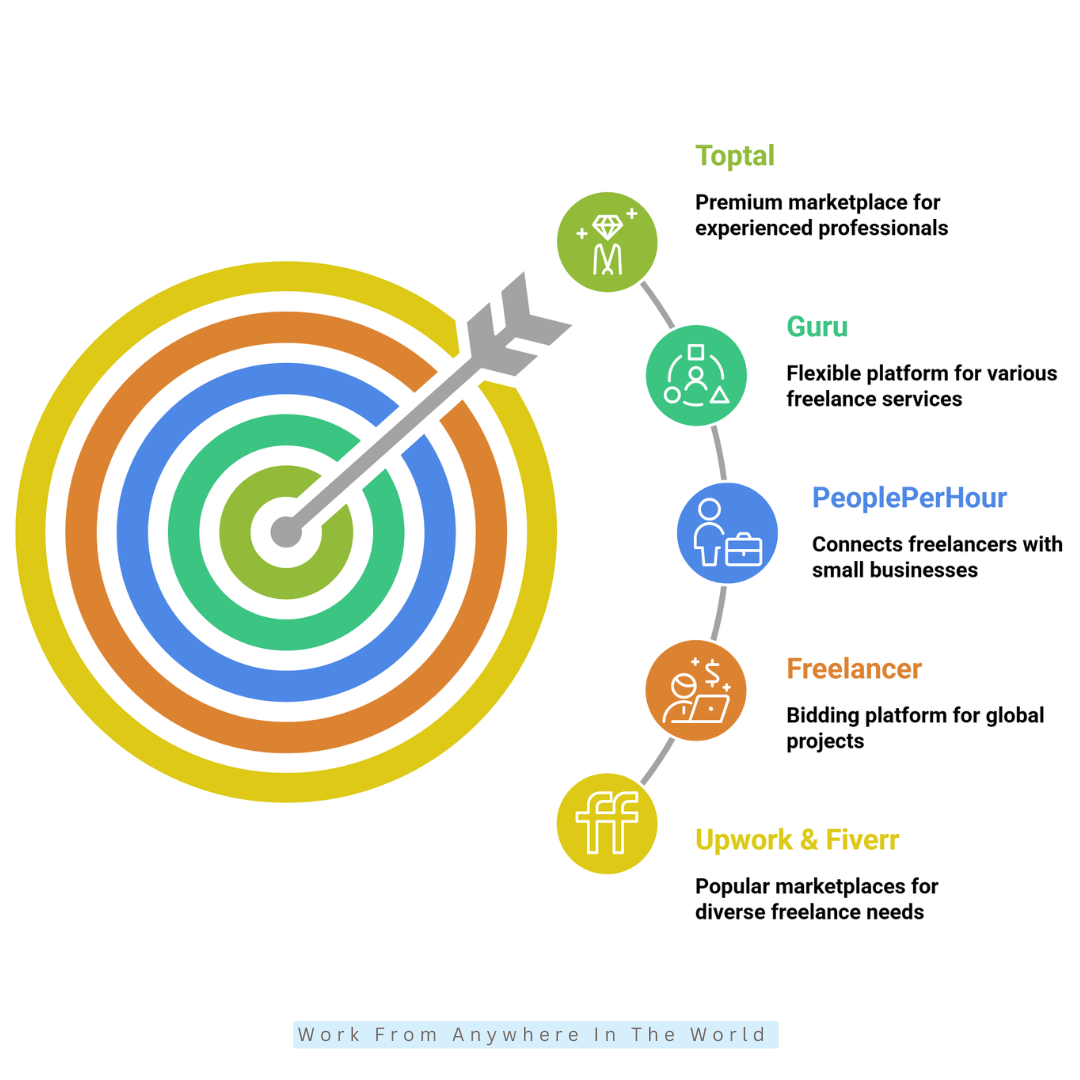
Choosing the right freelance platform can make a significant difference in your success. Each platform offers different types of projects, clients, and opportunities for freelancers at every experience level.
Some platforms are ideal for beginners looking to build experience, while others focus on experienced professionals with specialized skills. Understanding these differences can help you find work that matches your goals.
It’s also important to compare fees, competition, payment protection, and the types of projects available. Taking the time to research each platform can save you time and improve your chances of finding quality clients.
The following freelance platforms are among the most popular and trusted places to find online freelance jobs. Explore their features to determine which one best fits your skills and career objectives.
1. Upwork
Upwork is one of the world’s largest freelance platforms. It connects businesses with freelancers from a wide range of industries. Freelancers can find projects in almost every skill category, from beginner to advanced levels.
You can find projects in writing, web development, graphic design, digital marketing, virtual assistance, customer support, and software development. Both beginners and experienced freelancers can apply for short-term and long-term work.
The platform allows freelancers to create a profile, submit proposals, and communicate directly with clients. Payment protection and a review system help build trust between freelancers and businesses.
Although competition can be high, a strong profile and tailored proposals can improve your chances of success. Upwork is an excellent platform for building experience and developing long-term client relationships.
2. Fiverr
Fiverr is a popular freelance platform that uses a gig-based marketplace. Freelancers create service listings, and clients browse them to find the skills they need.
Popular categories include graphic design, writing, video editing, voiceovers, digital marketing, programming, and website development. Beginners can start with smaller projects and gradually build their reputation.
The platform allows freelancers to set their own prices, create service packages, and earn reviews from satisfied clients. Positive ratings and high-quality work can help attract more buyers over time.
Fiverr is an excellent choice for freelancers who prefer clients to come to them rather than submitting proposals for every job. A well-optimized profile and professional gig descriptions can help you stand out in a competitive marketplace.
3. Freelancer.com
Freelancer.com is one of the oldest and largest freelance platforms. Clients post projects, and freelancers submit proposals to compete for the work.
The platform offers opportunities in writing, programming, graphic design, translation, data entry, engineering, marketing, and customer support. Projects range from small one-time tasks to larger long-term contracts.
Freelancers can build their reputation by completing projects and earning positive reviews from clients. Many beginners start with smaller jobs before applying for higher-paying opportunities.
Freelancer.com is a good choice for people who are comfortable bidding on projects and competing with other freelancers. A strong profile, competitive proposals, and quality work can help you secure more jobs over time.
4. PeoplePerHour
PeoplePerHour is a popular freelance platform that connects skilled professionals with businesses around the world. It is especially popular with small businesses and startups looking for flexible support.
The platform features projects in web development, writing, graphic design, SEO, digital marketing, branding, and business support. Freelancers can bid on projects or create fixed-price service offers.
Building a strong profile and delivering high-quality work can lead to repeat clients and positive reviews. Many freelancers grow their income by developing long-term relationships with businesses.
PeoplePerHour is a good option for freelancers who want a mix of project bidding and service-based selling. Specializing in a niche can also help you stand out from the competition.
5. Toptal
Toptal is a premium freelance platform for highly skilled professionals. It connects experienced freelancers with leading companies and long-term projects.
The platform specializes in software development, UI/UX design, finance, project management, artificial intelligence, and cybersecurity. Applicants must pass a rigorous screening process before joining the network.
Accepted freelancers often work with startups, global brands, and established businesses. The platform focuses on quality over quantity and offers access to premium clients.
Toptal is best suited to experienced freelancers with specialized skills and a strong portfolio. If you qualify, it can provide excellent opportunities to build a successful freelance career.
6. Guru
Guru is a freelance platform that connects businesses with professionals across a wide range of industries. Popular categories include programming, graphic design, writing, marketing, administration, legal services, and accounting.
Freelancers can choose from hourly, fixed-price, task-based, or milestone payments, giving them flexibility when working with different clients. The platform also offers tools for managing projects, communicating, and tracking payments.
Many freelancers use Guru to build long-term client relationships as well as complete one-time projects. A strong profile, positive reviews, and reliable communication can help attract repeat business.
Guru is suitable for both beginners and experienced freelancers looking for flexible work opportunities. It offers a wide variety of projects across many skill levels and industries.
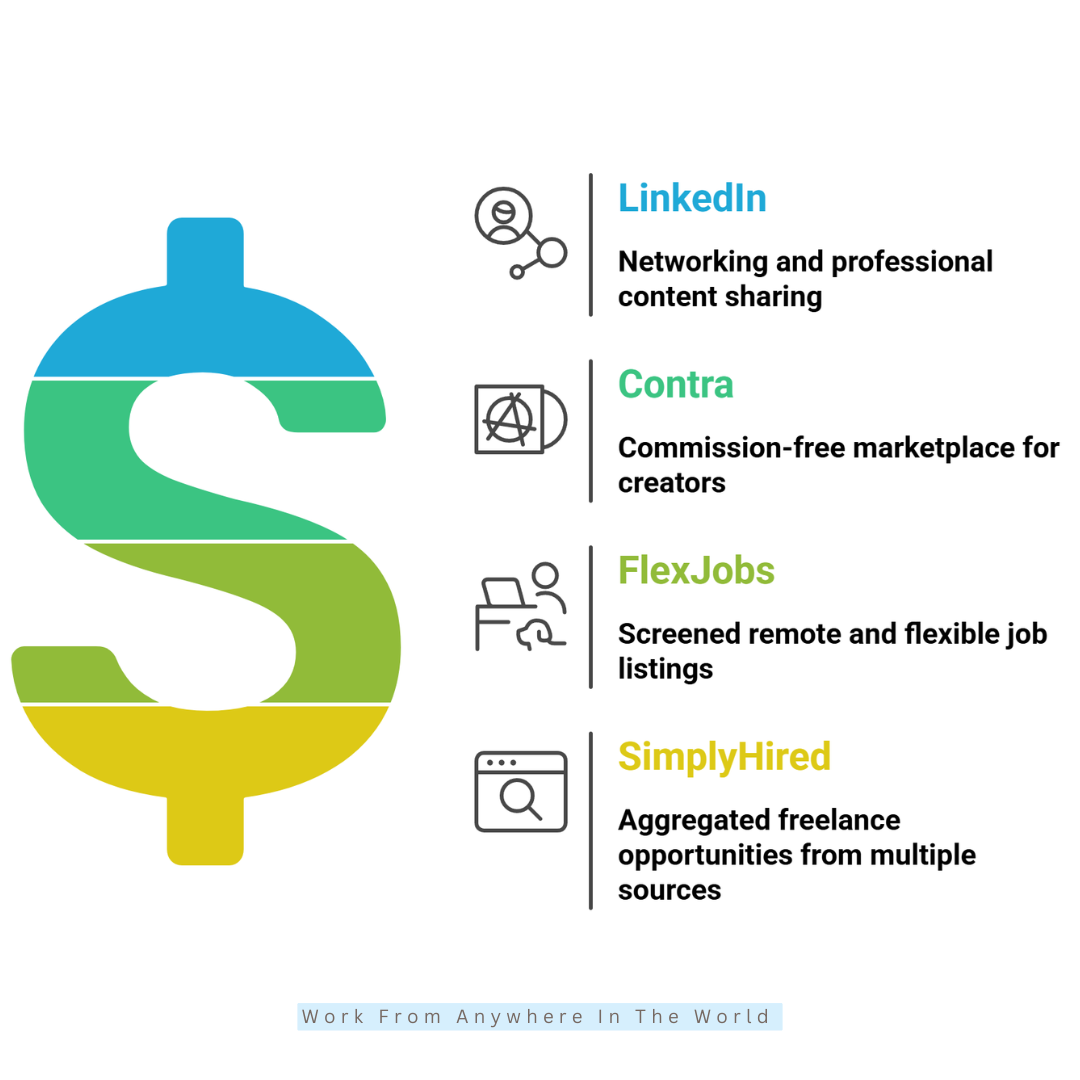
7. LinkedIn
LinkedIn is more than a job search platform. It also helps freelancers connect with potential clients by building professional relationships and showcasing their expertise.
Many freelancers use LinkedIn to find opportunities in writing, SEO, marketing, consulting, software development, graphic design, and other professional services. A complete profile and regular activity can increase your visibility to potential clients.
Sharing valuable content, engaging with your network, and building a strong reputation can help attract freelance work over time. Many businesses also use LinkedIn to search for skilled professionals instead of posting public job listings.
LinkedIn is ideal for freelancers who want to grow their professional network and develop long-term client relationships. It can complement freelance marketplaces and create additional opportunities without relying solely on job bidding.
8. Contra
Contra is a freelance platform designed for independent professionals who want to connect directly with clients. One of its key features is its commission-free model, allowing freelancers to keep more of their project earnings.
The platform is popular with designers, software developers, marketers, writers, video editors, branding specialists, and other creative professionals. Many startups and remote-first companies use Contra to find freelance talent for short-term and ongoing projects.
Freelancers can create a professional profile, showcase their portfolio, and connect with clients without relying on traditional bidding. Building a strong portfolio and positive client relationships can help attract more opportunities over time.
Contra is a good choice for freelancers who value flexibility and want to build long-term client relationships. Its commission-free approach makes it an attractive alternative to many traditional freelance marketplaces.
9. FlexJobs
FlexJobs is a job platform that specializes in remote, freelance, hybrid, and flexible work opportunities. It features jobs across a wide range of industries, including writing, customer support, education, software development, project management, and healthcare administration.
One of FlexJobs’ key features is its screened job listings, helping users find legitimate opportunities while reducing the risk of scams and misleading postings. This makes it a popular choice for freelancers and remote job seekers.
Users can search for freelance contracts, part-time positions, and full-time remote roles based on their skills and career goals. A well-prepared résumé and professional profile can improve your chances of finding suitable opportunities.
FlexJobs is ideal for freelancers and remote professionals looking for flexible work from trusted employers. It offers an alternative to traditional freelance marketplaces by focusing on quality job listings.
10. SimplyHired
SimplyHired is a job search platform that brings together freelance, remote, contract, part-time, and full-time opportunities from a variety of sources. Instead of bidding on projects, users search and apply for jobs listed by employers across different industries.
The platform features opportunities in writing, graphic design, SEO, customer support, bookkeeping, web development, digital marketing, and many other fields. Search filters make it easier to find jobs that match your skills, experience, and preferred work arrangements.
SimplyHired can help freelancers discover opportunities that may not appear on traditional freelance marketplaces. It also provides access to remote and contract roles from companies of all sizes.
SimplyHired is a good option for freelancers who want to expand their job search beyond dedicated freelance platforms. It complements other job boards and marketplaces by bringing together listings from multiple sources.
Freelance Skills Worth Learning
2. AI Automation And Workflow Setup
AI automation and workflow setup involve creating systems that handle repetitive tasks automatically. Freelancers use automation tools to connect apps, manage workflows, and reduce the need for manual work.
Businesses use automated workflows for tasks such as lead management, customer communication, file organization, and project tracking. These systems help improve productivity and keep everyday operations running smoothly.
Freelancers who understand automation can build customized solutions that save businesses time and reduce repetitive tasks. This makes AI automation a valuable service across many different industries.
Learning workflow automation can complement other freelance skills, including marketing, virtual assistance, customer support, and project management. It also helps freelancers offer more comprehensive services to their clients.
3. Virtual Assistance
Virtual assistance is a beginner-friendly freelance skill that involves supporting businesses with a variety of administrative and operational tasks.
Common duties include managing emails, scheduling appointments, providing customer support, entering data, conducting online research, and assisting with social media.
Many entrepreneurs, small businesses, and online store owners hire virtual assistants to save time and improve productivity. The exact responsibilities vary depending on the client’s needs and the services you choose to offer.
Strong communication, organization, time management, and basic computer skills are essential for this role. As you gain experience, you can also specialize in areas such as project management, email marketing, or bookkeeping.
Virtual assistance offers a flexible way to build your freelance career and work with clients from different industries. Providing reliable support can help you develop long-term client relationships and create ongoing work opportunities.
4. Content Writing And SEO Blogging
Content writing involves creating articles, blog posts, website pages, and other online content that informs, engages, and attracts readers. Many businesses hire freelance writers to produce high-quality content for their websites and marketing campaigns.
SEO blogging focuses on creating content that can rank well in search engines such as Google. Freelancers research keywords, write helpful articles, and optimize headings, structure, and readability to improve organic visibility.
Businesses use content marketing to attract visitors, build trust, and generate long-term organic traffic. Well-written content can also support email marketing, social media, and other digital marketing strategies.
Content writing and SEO blogging remain popular freelance services because businesses consistently need fresh, high-quality content. As your experience grows, you can specialize in areas such as technical writing, copywriting, product reviews, or niche blogging.
5. Copywriting For Sales And Ads
Copywriting focuses on creating persuasive content that encourages people to take action. This may include buying a product, signing up for a service, or requesting more information.
Freelance copywriters create landing pages, sales emails, online advertisements, product descriptions, and other marketing content. Every piece of copy is written with a specific goal in mind.
Businesses use copywriting to increase conversions, generate leads, and improve sales. Strong copy can also help build trust, strengthen a brand, and encourage customer engagement.
Copywriting is a valuable freelance skill because businesses continually invest in effective marketing. As your experience grows, you can specialize in areas such as email marketing, advertising, sales pages, or direct-response copywriting.
6. Social Media Management
Social media management involves managing business accounts on platforms such as Instagram, Facebook, LinkedIn, and other social networks. Freelancers create content, schedule posts, engage with audiences, and monitor account performance.
Businesses use social media to build brand awareness, connect with customers, and promote their products or services. Maintaining an active online presence also helps strengthen customer relationships and increase visibility.
Successful social media managers understand how to create engaging content and communicate with different audiences. Basic design, writing, organization, and planning skills are also valuable in this role.
Social media management is a versatile freelance skill that can lead to long-term client relationships. As your experience grows, you can specialize in areas such as content strategy, paid advertising, community management, or social media analytics.
7. Video Editing
Video editing involves creating engaging content for businesses, creators, and online brands. Many freelancers specialize in editing short-form videos for platforms such as TikTok, Instagram Reels, and YouTube Shorts.
Freelancers trim footage, add transitions, captions, music, and visual effects to produce polished videos. They also optimize content to match the style and requirements of different social media platforms.
Businesses use video content to promote products, build brand awareness, and connect with their audiences. Well-edited videos can increase engagement and support a wide range of marketing campaigns.
Video editing is a valuable freelance skill with opportunities across many industries. As your experience grows, you can specialize in social media content, YouTube videos, promotional videos, online courses, or corporate presentations.
8. Graphic Design
Graphic design involves creating visual content that helps businesses communicate their message and strengthen their brand. Common projects include logos, social media graphics, advertisements, presentations, and marketing materials.
Freelance graphic designers use tools such as Canva, Adobe Photoshop, Adobe Illustrator, and other design software to create professional visuals. The tools you use often depend on your experience and the client’s requirements.
Businesses rely on graphic design to attract attention, build brand recognition, and create a consistent visual identity. High-quality designs can also improve marketing campaigns and customer engagement.
Graphic design is a versatile freelance skill with opportunities across many industries. As your experience grows, you can specialize in branding, digital marketing, print design, packaging, or user interface design.
9. User Interface (UI) And User Experience (UX) Design
User Interface (UI) and User Experience (UX) design focus on creating websites, apps, and digital products that are easy to use and visually appealing. UI design focuses on the visual layout, while UX design improves the overall user experience.
Freelance UI/UX designers create page layouts, navigation menus, buttons, and other interactive elements. They also organize information to help users complete tasks quickly and easily.
Businesses invest in UI/UX design to improve customer satisfaction and create better digital experiences. Well-designed websites and apps can also increase engagement and encourage visitors to return.
UI/UX design is a specialized freelance skill with opportunities across many industries. As your experience grows, you can specialize in website design, mobile apps, software interfaces, or product design.
10. Full-Stack Web Development
Full-stack web development involves building complete websites and web applications from start to finish. Full-stack developers work on both the front end, which users see, and the back end, which powers the website behind the scenes.
Freelancers use programming languages such as HTML, CSS, JavaScript, and other web technologies to create functional and responsive websites. They may also work with databases, servers, and content management systems, depending on the project.
Businesses hire full-stack developers to build, maintain, and improve their online presence. A well-designed website can support marketing, customer engagement, and online sales.
Full-stack web development is a specialized freelance skill with opportunities across many industries. As your experience grows, you can specialize in eCommerce websites, web applications, business websites, or custom software development.

Frequently Asked Questions
Q1: Is Freelancing Good For Students?
Yes, freelancing can be an excellent way for students to earn extra income while studying. It also provides practical experience that can help when applying for future jobs or starting a career.
Freelancing helps students develop valuable skills, build confidence, and create a professional portfolio. These experiences can continue to benefit them long after graduation.
Q2: Can I Freelance Without A Degree?
Yes, many clients care more about your skills and the quality of your work than formal qualifications. A strong portfolio and positive client feedback often carry more weight than a degree.
Learning new skills, completing sample projects, and delivering reliable work can help you build credibility. Over time, experience and a good reputation can lead to more freelance opportunities.
Q3: Do I Need A Laptop For Freelancing?
Yes, a laptop or desktop computer makes most freelance tasks much easier to complete. It provides access to professional software, communication tools, and online freelance platforms.
While some simple tasks can be completed on a smartphone or tablet, most freelance careers require a computer. A reliable internet connection is equally important for working with clients.
Q4: Can Freelancing Become A Full-Time Income?
Yes, many freelancers eventually build a full-time business from their freelance work. Success often depends on developing valuable skills, finding consistent clients, and delivering high-quality work.
As your experience and reputation grow, you may receive repeat business and referrals. These long-term relationships can provide a more stable source of income over time.
Q5: Is Freelancing Safe?
Yes, freelancing can be safe when you take sensible precautions and work with legitimate clients. Using trusted freelance platforms and keeping clear records helps protect both parties.
Always verify new clients, communicate professionally, and agree on payment terms before starting a project. These simple steps can reduce misunderstandings and create a better working relationship.
Q6: Can I Start Freelancing With No Experience?
Yes, many successful freelancers begin without professional experience. Building sample projects, learning new skills, and creating a portfolio can help you demonstrate your abilities to potential clients.
Starting with smaller projects is a great way to gain confidence and collect positive reviews. As your experience grows, you can apply for larger projects and expand your freelance business.
Conclusion
Learning how to find online freelance jobs takes patience, consistency, and a willingness to keep improving. Every successful freelancer starts somewhere, and each project is an opportunity to build your skills and confidence.
Start with the platforms that best match your experience and continue building your portfolio over time. Delivering high-quality work and communicating professionally can help you develop lasting client relationships.
Don’t be discouraged if success doesn’t happen overnight. Staying active, applying consistently, and learning from each experience can lead to new freelance opportunities.
With persistence, dedication, and a positive attitude, you can build a flexible and rewarding freelance career. As your skills and experience grow, new opportunities can continue to open along the way.
I trust you enjoyed this article on How To Find Online Freelance Jobs. Please stay tuned for more insightful blogs on affiliate marketing, online business, and working from anywhere in the world.
Take care!
— JeannetteZ 🌍✨
💬 Your Opinion Is Important To Me
Do you have thoughts, ideas, or questions? I’d love to hear from you. Please leave your comments below or email me directly at Jeannette@WorkFromAnywhereInTheWorld.com.
📚 More Work From Anywhere Reads
🚀 Ready to Build a Business You Can Run from Home
Or from Anywhere in the World?
Imagine creating income on your terms — from home, a cozy café, or wherever life takes you.
With the right tools, training, and community support, it’s entirely possible.
Start your own online business for free — no credit card needed.
Disclosure
This post may contain affiliate links. As an Amazon Associate and participant in other affiliate programs, I earn from qualifying purchases at no extra cost to you. Please read my full affiliate disclosure.