Liquid Web vs. GoDaddy: Which Hosting Provider Is Better?
Comparing Liquid Web vs. GoDaddy can help you choose a hosting provider that matches your website’s needs and budget. Both companies offer hosting solutions, but their services cater to different types of website owners.
Liquid Web specializes in managed hosting, powerful server resources, and solutions for businesses with demanding websites. GoDaddy offers a broader range of hosting options for beginners, small businesses, and growing online projects.
Choosing the right provider involves more than comparing monthly subscription costs. Website performance, security, customer support, and scalability all influence your hosting experience.
Whether you’re launching your first blog or managing an established online business, understanding these differences is important. The right hosting environment can support your website’s reliability and future growth.
In this guide, we’ll compare Liquid Web and GoDaddy’s features, performance, pricing, advantages, and limitations. You’ll discover which hosting provider may be better suited to your goals.
What Is Liquid Web?
Liquid Web is a web hosting provider specializing in managed hosting, cloud infrastructure, virtual private servers (VPS), and dedicated servers. Its hosting solutions are designed for businesses that need reliable infrastructure and greater control over their website resources.
The company also offers hosting solutions for WordPress and WooCommerce websites. These services can appeal to businesses that require professional technical support and dependable website performance.
Unlike basic hosting services designed for smaller websites, Liquid Web emphasizes server management, performance, and scalability. Depending on your plan, features may include managed support, security tools, automatic backups, and website monitoring.
These capabilities can be particularly valuable for growing online stores, established businesses, and resource-intensive websites. Our guide to choosing a web hosting provider explores important factors to consider when evaluating hosting services.
Liquid Web may also suit agencies managing multiple client websites or businesses experiencing increasing traffic. Its hosting environment provides options for organizations with more demanding technical requirements.
However, advanced hosting isn’t always necessary for someone launching a small personal blog. Choosing the right plan depends on your website’s traffic, technical needs, and available budget.
For businesses that rely on their websites for sales and customer communication, Liquid Web offers hosting options designed for demanding operations. Our WP Engine review explores another managed WordPress hosting provider worth considering.
What Is GoDaddy?
GoDaddy is a well-known domain registrar and web hosting provider offering services for individuals, bloggers, freelancers, and businesses. Its products include shared hosting, managed WordPress hosting, virtual private servers, and website management tools.
GoDaddy appeals to website owners who want to establish an online presence without managing complicated server configurations. Its hosting options accommodate different experience levels and website requirements.
Depending on the subscription, hosting packages may include SSL certificates, website management tools, and introductory domain offers. Some plans also provide email services, automatic backups, or additional security features.
One of GoDaddy’s advantages is the convenience of registering a domain and purchasing hosting through the same provider. Our guide to buying a domain name explains important considerations when choosing and registering a domain.
GoDaddy also provides WordPress installation options and a familiar dashboard that can simplify website setup. These features may appeal to beginners who prefer a straightforward approach to managing their websites.
However, introductory offers don’t always reflect long-term hosting expenses. Review renewal prices, storage limits, included features, and additional service charges before subscribing.
Our guide to saving money on web hosting explores practical ways to evaluate hosting expenses. Understanding the total cost can help you choose a plan that fits your budget.
For beginners and small businesses seeking convenient hosting and domain management, GoDaddy can be a practical starting point. The best choice ultimately depends on your website’s requirements and future plans.
Pros And Cons Of Liquid Web
Understanding the advantages and limitations of Liquid Web can help you decide whether its hosting services match your website’s requirements. The company offers advanced infrastructure and managed solutions, but these features aren’t necessary for every website owner.
Before choosing a hosting plan, consider your technical experience, website traffic, and long-term business goals. Let’s begin with five advantages of Liquid Web.
Pros Of Liquid Web
1. Powerful Hosting Infrastructure
Liquid Web offers VPS, dedicated server, cloud, and managed WordPress hosting solutions for websites with different resource requirements. These options allow businesses to move beyond basic hosting as their technical needs increase.
For example, an online store experiencing heavy seasonal traffic may require additional processing power and memory. Choosing suitable server resources can help the website handle demanding workloads more effectively.
Businesses can select hosting configurations that reflect their applications and expected growth. This flexibility is particularly valuable for websites that have outgrown entry-level hosting environments.
If you’re exploring virtual private servers, our guide to getting started with VPS hosting explains the setup process using Hostinger. It offers another perspective on VPS hosting for growing websites.
2. Managed Hosting And Technical Support
Liquid Web provides technical support around the clock, although the level of server management depends on your hosting plan. Managed services can reduce the time businesses spend maintaining their hosting infrastructure.
Depending on the service, assistance may include server troubleshooting, monitoring, configuration, and operating system maintenance. This support can be valuable when unexpected technical problems affect website operations.
For business owners without extensive server administration experience, managed hosting can simplify everyday responsibilities. It allows them to concentrate more on their websites and customers.
However, managed hosting doesn’t automatically cover every application, plugin, or custom development issue. Review the support agreement carefully to understand which responsibilities remain with the website owner.
3. Specialized WordPress Hosting
Liquid Web offers managed WordPress hosting solutions for website owners who need more than basic server space. Depending on the plan, features may include staging environments, automatic updates, backups, and security tools.
A staging environment allows website owners to test design changes or plugin updates before applying them to a live website. This can reduce the risk of unexpected disruptions for visitors.
For agencies managing multiple client websites, these tools can simplify maintenance and improve everyday workflows. However, the available resources and management features depend on the selected package.
Our guide to the best WordPress hosting services explores additional options for WordPress website owners. Comparing different hosting environments can help you identify the features your website actually needs.
4. Security And Performance Features
Liquid Web provides security and performance features across several hosting products, although availability varies by service. Depending on the plan, these may include DDoS protection, firewall tools, and content delivery network (CDN) integration.
These technologies help address common website security risks and support efficient content delivery. For example, a CDN can deliver cached website assets from servers closer to visitors in different locations.
Reliable performance is particularly important for businesses that depend on their websites for customer communication and online sales. Slow loading times or technical disruptions can interfere with the visitor experience.
However, hosting security features cannot replace responsible website management. Strong passwords, timely software updates, access controls, and dependable backups remain essential.
5. Options For Growing Businesses
Liquid Web offers hosting solutions that accommodate changing business requirements. Companies can explore VPS hosting, dedicated servers, or managed infrastructure as their websites become more demanding.
For example, a small business website may eventually develop into a busy online store or customer portal. Increasing traffic and more complex applications can create a need for additional server resources.
Advanced hosting environments may also provide greater control over server configurations. This flexibility helps businesses select infrastructure that supports their operational requirements.
However, upgrading to a more expensive plan isn’t always necessary. Review actual website traffic, memory usage, and application performance before investing in additional resources.
Our guide to low-cost web hosting services explores alternatives for website owners with smaller budgets. Comparing hosting costs and capabilities can help you choose resources that support growth without unnecessary expenses.
Cons Of Liquid Web
1. Higher Costs For Advanced Hosting
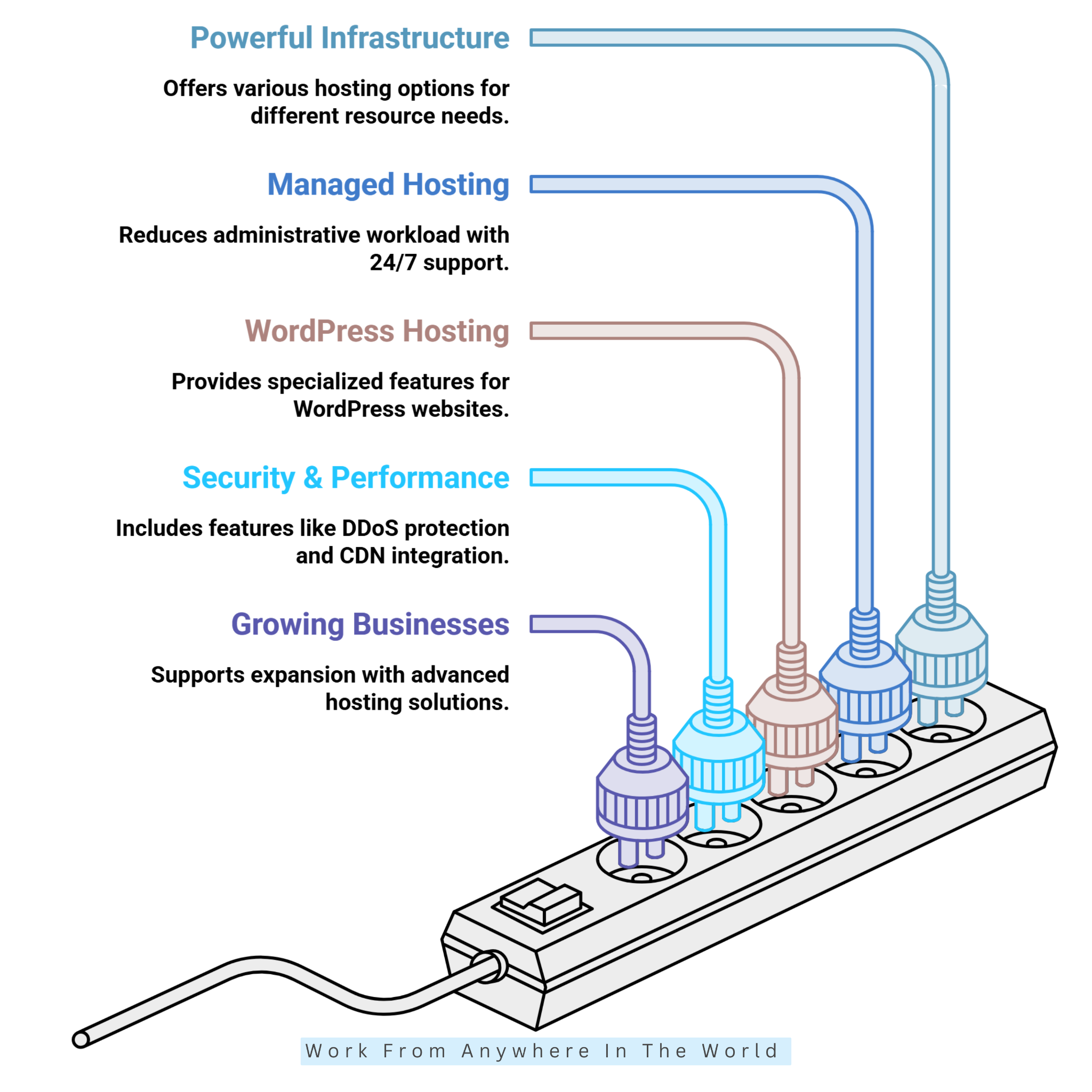
Liquid Web’s managed hosting and dedicated server solutions can cost considerably more than basic shared hosting. This difference matters for bloggers, beginners, and small businesses working with limited budgets.
Advanced infrastructure may offer little practical benefit when a website receives modest traffic. Paying for resources you don’t need can increase operating expenses without noticeably improving performance.
Although some VPS plans offer attractive introductory deals, additional resources and management services can raise costs. Renewal rates and optional features should also be considered.
Before subscribing, calculate your expected hosting expenses and identify which features are essential. A hosting plan should address your website’s actual requirements rather than provide unnecessary capacity.
2. More Technical Decisions
Liquid Web offers several hosting configurations, which can make choosing the right package challenging for beginners. Customers may need to understand RAM, CPU allocation, storage, operating systems, and server management options.
These technical specifications influence website performance and maintenance responsibilities. However, someone launching a simple portfolio or personal blog may not need such advanced configurations.
Managed hosting can simplify server administration, but customers still need to select a suitable plan. Choosing more resources than necessary can increase expenses without delivering meaningful benefits.
Reviewing the provider’s documentation or discussing your requirements with its support team can make the decision easier. Understanding your website’s needs helps you avoid unnecessary technical complications.
3. Potentially Excessive For Small Websites
Small blogs and local business websites may not require Liquid Web’s advanced infrastructure. Basic hosting can often accommodate websites with limited traffic, standard WordPress plugins, and straightforward functionality.
Investing in expensive server resources too early can reduce the money available for content creation and marketing. These activities may be more valuable when you’re still building an audience.
This doesn’t mean Liquid Web is unsuitable for every small business. Its services may become more attractive as website traffic, technical requirements, and operational demands increase.
Before upgrading, estimate your expected traffic and identify the features your website genuinely needs. Consider your growth plans over the next year rather than purchasing additional capacity immediately.
4. Additional Costs Can Still Apply
Liquid Web includes various features with its hosting products, but the total cost depends on the selected service. Optional extras, resource usage, and different management arrangements may affect your expenses.
Businesses should review the complete pricing details instead of assuming every service is included. Security features, backups, migration assistance, and performance tools may have specific conditions or limitations.
These details are particularly important for growing online stores and resource-intensive websites. Unexpected charges can make budgeting harder when operating expenses are already rising.
Before subscribing, ask about bandwidth allowances, backup retention, migration services, and technical support boundaries. Understanding these conditions can help you plan expenses and avoid unpleasant surprises.
5. Not Every Service Is Fully Managed
Liquid Web offers different management arrangements, and the responsibilities can vary significantly between hosting products. Customers should understand which technical tasks the provider handles.
For example, a self-managed VPS may require users to configure software, maintain applications, and manage server administration. These responsibilities can be challenging without sufficient technical experience.
Even fully managed hosting services have defined support boundaries. Custom applications, third-party plugins, and specialized development work may fall outside the provider’s responsibilities.
Review the service description carefully before selecting a plan. Choosing the right management level can reduce technical issues and help keep your website running smoothly.
Pros And Cons Of GoDaddy
Pros Of GoDaddy
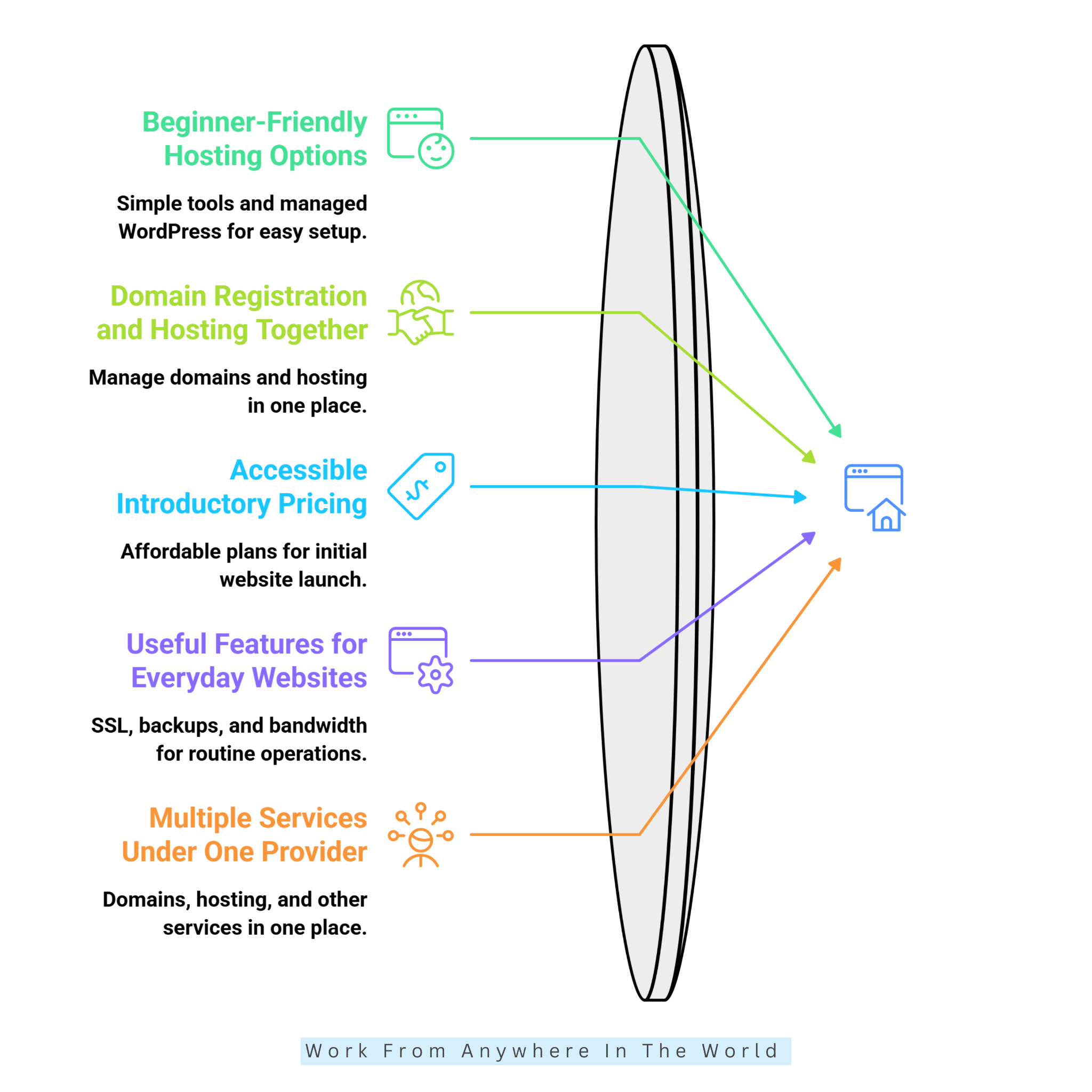
1. Beginner-Friendly Hosting Options
GoDaddy offers hosting products for users who want to launch a website without mastering server administration. Its web hosting plans include tools like cPanel on applicable packages, while managed WordPress plans simplify the initial setup. Beginners can register a domain, buy hosting, install WordPress, and start publishing content through a straightforward workflow. This convenience makes GoDaddy a good fit for personal blogs, small business websites, and basic portfolios. Users should still learn how to update their websites, manage accounts, and maintain backups to protect their work.
2. Domain Registration And Hosting Together
One practical advantage of GoDaddy is managing domain registration and hosting through the same provider. This arrangement can simplify account administration for business owners who prefer a single dashboard for essential website services. For example, a freelancer launching a portfolio can secure a domain and link it to hosting without coordinating with several different businesses. Eligible packages may also include introductory domain offers. However, check the renewal terms for both services separately. Keeping domain ownership and renewal dates clear helps prevent accidental expiration or unnecessary costs.
3. Accessible Introductory Pricing
GoDaddy regularly advertises promotional prices for eligible hosting plans, which can appeal to customers looking to minimize initial expenses. Entry-level packages can offer enough storage and functionality for a simple website, depending on the plan you choose. This can help students, new bloggers, and small businesses testing an online idea. However, introductory pricing usually comes with specific subscription terms. Compare the regular renewal rate, initial billing period, included SSL coverage, and any required add-ons. The lowest first payment isn’t always the cheapest long term.
4. Useful Features For Everyday Websites
GoDaddy’s hosting packages can include features such as SSL certificates, automatic backups, unmetered bandwidth, and website management tools. Availability and limitations depend on the plan. These features help users handle routine website operations without purchasing every service separately. For example, an SSL certificate encrypts information transferred between a visitor’s browser and the website. Automatic backups can also help restore content after certain problems. Nevertheless, users should verify backup retention, restoration procedures, and SSL terms. A quick feature comparison can reveal whether the package meets the website’s practical needs.
5. Multiple Services Under One Provider
Beyond hosting, GoDaddy offers domains and other online business services that can help customers establish a digital presence. Managing related services through one provider may reduce administrative friction, particularly for business owners who prefer fewer accounts. Its hosting portfolio also includes options for WordPress and more demanding websites. This lets customers explore different hosting arrangements as their needs change. Before upgrading, compare available resources, migration procedures, and total costs. A provider’s broad service catalogue helps, but the best choice still depends on your website’s specific features and support needs.
Cons Of GoDaddy
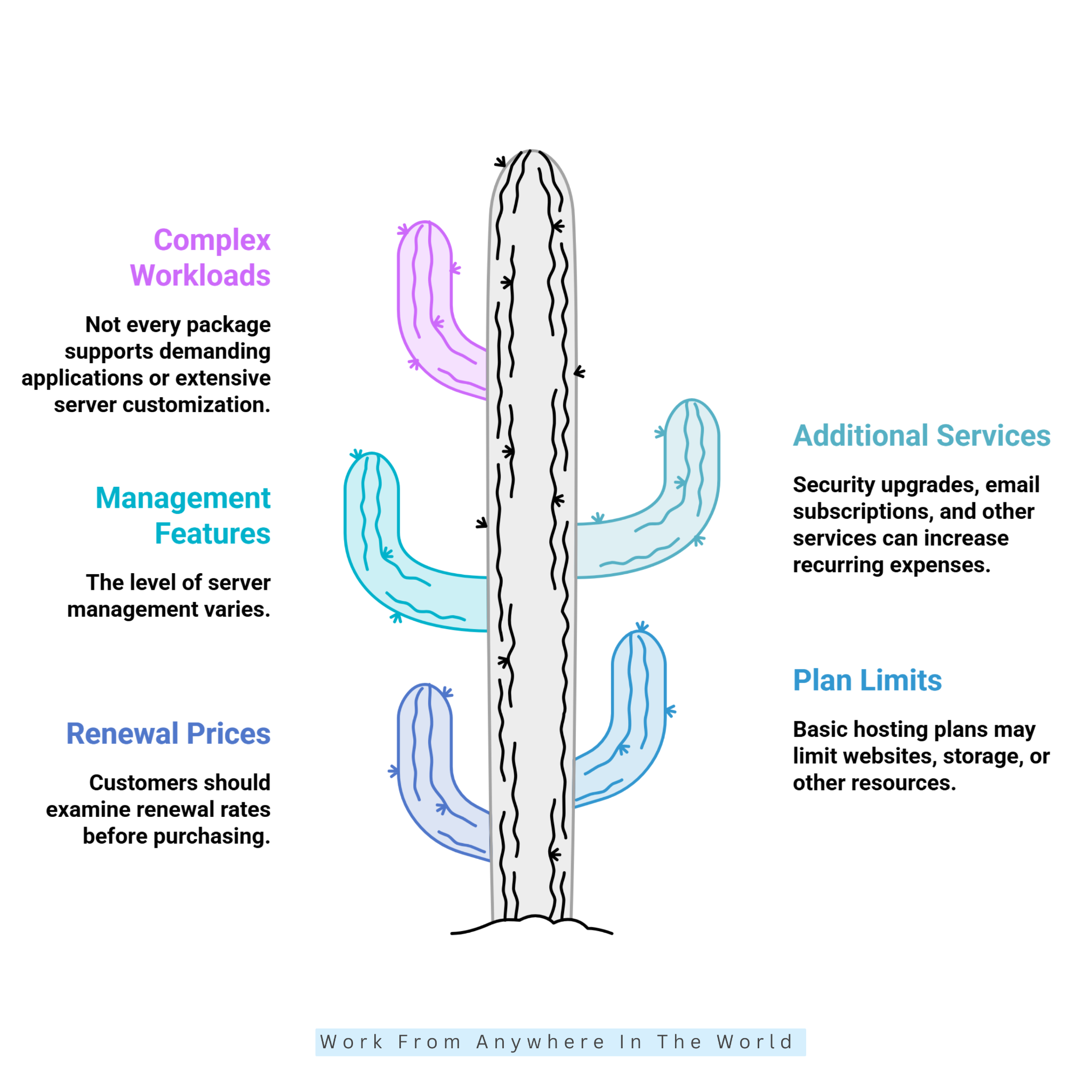
1. Renewal Prices Require Attention
GoDaddy’s introductory hosting prices can look attractive, but customers should examine renewal rates before purchasing. The final cost depends on the product, subscription length, promotional eligibility, and applicable terms. A website owner who focuses only on the advertised monthly price may underestimate future expenses. Additional services, such as enhanced security or email products, can also affect the total bill. To compare fairly, calculate the cost over at least one or two years. Include the hosting renewal, domain renewal, backups, and any essential paid extras.
2. Entry-Level Plans Have Limits
Basic hosting plans are designed for modest needs and may limit websites, storage, or other resources. A business running multiple websites or resource-heavy applications might outgrow its initial package. For example, an online store with extensive product images and frequent customer activity may require more capacity than a simple informational site. Before choosing a plan, review the exact resource limits and upgrade options. Monitoring actual website usage can help you identify when you need an upgrade, rather than paying for unnecessary capacity from the start.
3. Advanced Management Depends On The Plan
GoDaddy provides several hosting products, but the level of server management varies. Don’t assume a basic shared hosting package includes every advanced feature available in managed WordPress or higher-tier hosting. Developers may need staging environments, specialized server configurations, or additional control that their entry-level plan doesn’t provide. This can become a limitation as a website grows more complex. Review the feature list and support terms before subscribing. If your project depends on specific development tools, confirm their availability rather than relying on the general hosting description.
4. Additional Services May Increase The Bill
GoDaddy offers many website-related products, and some useful features may depend on the selected subscription or paid add-ons. As a result, the advertised hosting price might not reflect the full cost of running a business website. Security upgrades, email subscriptions, and other services can increase recurring expenses. These options may be worthwhile if they meet genuine needs, but customers should avoid buying them without understanding their purpose. List the features your website needs, compare what is already included, and calculate the complete monthly or annual cost before checkout.
5. Less Suitable For Some Complex Workloads
GoDaddy can host a variety of websites, but not every package supports demanding applications or extensive server customization. Businesses that need carefully configured infrastructure, specialized management, or substantial dedicated resources may prefer to compare GoDaddy’s advanced offerings with Liquid Web’s managed and server-focused solutions. The distinction depends on the specific plans you’re evaluating, not just the company names. A growing business should test performance, assess support requirements, and identify resource limits before committing. For complex workloads, prioritize technical fit and operational support over introductory pricing alone.
Frequently Asked Questions
Q1: Is Liquid Web Better Than GoDaddy?
Liquid Web often fits businesses that need managed infrastructure and advanced hosting. GoDaddy appeals to beginners and budget-conscious website owners.
Q2: Which Provider Is Cheaper?
GoDaddy frequently advertises affordable introductory shared hosting. Liquid Web also offers entry-level VPS options, but managed and dedicated services can cost more. Compare current prices and renewal terms.
Q3: Which Is Better For WordPress?
Both providers offer WordPress hosting. Liquid Web emphasizes managed hosting, while GoDaddy offers beginner-friendly options. Choose according to your traffic, tools, budget, and support needs.
Q4: Does GoDaddy Offer Free SSL Certificates?
GoDaddy’s SSL coverage depends on the selected hosting plan. Check the plan details for certificate availability, coverage, and renewal terms. Confirm the exact terms before purchasing.
Q5: Does Liquid Web Provide 24/7 Support?
Yes. Liquid Web advertises 24/7/365 support. The services covered depend on your hosting product and management level.
Q6: Can I Migrate My Website Between Providers?
Yes. You can migrate your website, but the process and included assistance vary. Back up your files and database, test the migrated website, and update DNS settings carefully.
Conclusion
Liquid Web and GoDaddy serve different priorities. Consider Liquid Web for businesses that need managed hosting, advanced infrastructure, and room to scale. GoDaddy offers accessible hosting options for beginners, small businesses, and straightforward websites. Before deciding, compare renewal prices, security features, resource limits, support coverage, and expected traffic. Choose the provider that balances performance, support, features, and cost. It is the one that meets your website’s current needs while leaving enough flexibility for future growth.
I trust you enjoyed this Liquid Web vs. GoDaddy: Which Hosting Provider Is Better?. Please stay tuned for more insightful blogs on affiliate marketing, online business, and working from anywhere in the world.
Take care!
— JeannetteZ 🌍✨
💬 Your Opinion Is Important To Me
Do you have thoughts, ideas, or questions? I’d love to hear from you. Please leave your comments below or email me directly at Jeannette@WorkFromAnywhereInTheWorld.com.
📚 More Work From Anywhere Reads
🚀 Ready to Build a Business You Can Run from Home
Or from Anywhere in the World?
Imagine earning income on your terms — from home, a cozy café, or wherever life takes you.
With the right tools, training, and community support, it’s entirely possible.
Start your own online business for free — no credit card needed.
Disclosure
This post may contain affiliate links. As an Amazon Associate and participant in other affiliate programs, I earn from qualifying purchases at no extra cost to you. Please read my full affiliate disclosure.