
15 Effective Tips On Freelancing To Get Consistent Clients
Tips on freelancing can be helpful when starting a freelance career, especially when learning how to find clients, manage projects, and build confidence over time.
While freelancing offers flexibility and independence, it may also come with challenges such as pricing services, staying consistent, and understanding how to grow steadily.
Whether you are exploring freelancing for extra income or considering it as a longer-term career path, learning practical habits early may help make the process feel more manageable.
Small improvements and steady learning often make a difference over time. In this guide on Tips on Freelancing, you’ll find practical ideas to help you build skills, improve confidence, and better understand the freelance journey.
15 Best Freelancing Tips
1. Start With One Clear Skill
When starting out as a freelancer, it may help to focus on one skill at a time rather than trying to learn too many things at once. Some beginners explore writing, design, SEO, social media, and other services simultaneously, which can sometimes make the learning process feel more overwhelming.
According to The Freelancer Magazine, switching between too many tasks or projects may reduce focus and slow progress over time. Developing one skill first may help create a stronger foundation and build confidence more gradually.
Freelance skills may include areas such as:
Focusing on one area may also help improve consistency and make it easier to understand how projects, tools, and client expectations work over time.
Helpful questions to consider may include:
- What skills interest me most?
- What would I enjoy learning or improving?
- Which services are in demand?
- What feels realistic to develop over time?
Starting small may help create more clarity, while skills and confidence often develop through regular practice and experience.
2. Learn Before You Earn
Before starting to freelance, taking time to learn the basics of a chosen skill can help build a stronger foundation. Whether the goal is writing, design, SEO, or social media management, building practical skills often takes time, consistency, and regular practice.
The good news is that getting started does not always require expensive courses. According to Chidinma Loveline, many beginners have access to free online resources, including tutorials, blogs, forums, and videos. However, learning often becomes more effective when practice is combined with research and study.
Watching tutorials may help build understanding, but applying what is learned through regular practice may help improve confidence and familiarity with real projects over time.
Helpful ways to build skills may include:
- Writers: practice writing regularly
- Designers: create sample or mock designs
- SEO beginners: analyze websites and keywords
- Social media beginners: create sample content plans
Regular practice may help turn basic knowledge into practical experience while gradually building confidence and skills.
3. Build A Simple Portfolio
A portfolio may help potential clients better understand your skills, style, and the type of work you can create. While some beginners assume they need paid clients before building a portfolio, many freelancers start by creating sample work related to their chosen skill.
Portfolio examples may vary depending on the type of freelance work. For example:
- Writers may create blog posts or article samples
- Designers may create social media graphics or branding concepts
- Developers may build simple websites or landing pages
- Social media managers may create sample content plans
The purpose of a portfolio is often to showcase abilities and demonstrate the type of work a freelancer can deliver. Keeping a portfolio clear, organized, and easy to navigate may help potential clients better understand strengths and areas of focus.
Helpful portfolio tips may include:
- Creating 3–5 strong samples
- Focusing on quality over quantity
- Showing variety within a chosen niche
- Updating samples as skills improve
A simple portfolio may help create a clearer first impression and make it easier for clients to understand your experience and work style.
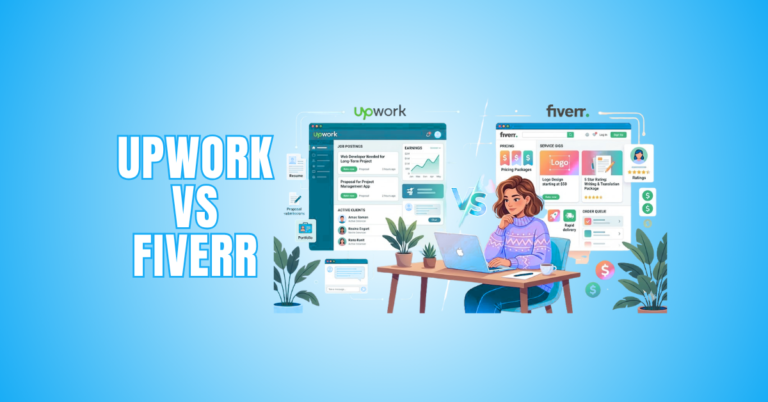
4. Choose The Right Freelance Platform
Choosing the right freelance platform can make the starting process feel more manageable. Each platform works differently, so it may help to start with one or two options rather than trying to use several at once.
Taking the time to understand how a platform works can help beginners create profiles, apply for projects, set prices, and communicate with potential clients.
Popular freelance platforms include:
Each platform has a slightly different structure:
- Upwork often uses proposals for project applications
- Fiverr focuses on service listings, also called gigs
- Freelancer allows freelancers to bid on posted projects
Helpful ways to get started may include reviewing successful profiles, studying how services are described, and observing how freelancers present their work. Over time, learning one platform well may create a stronger foundation before exploring others.
5. Optimize Your Profile Properly
A freelance profile may help potential clients understand what services you offer, the type of work you enjoy, and how you present yourself professionally. Since profiles are often one of the first things clients review, keeping them clear and easy to understand may help create a stronger first impression.
Rather than using broad or unclear descriptions, some freelancers choose to explain their skills more specifically. A clear profile may help potential clients better understand the type of support being offered and the areas of expertise available.
Helpful profile questions may include:
- What services do you offer?
- Who may benefit from your work?
- What type of projects do you enjoy or specialize in?
Simple ways to improve a freelance profile may include:
- Using a professional profile photo
- Writing a clear and easy-to-understand bio
- Adding relevant skills or keywords
- Highlighting experience or portfolio samples
- Keeping descriptions simple and focused
Instead of generic phrases such as:
“I am a hardworking freelancer”
Some freelancers choose to describe their work more clearly by explaining the type of support or services they provide.

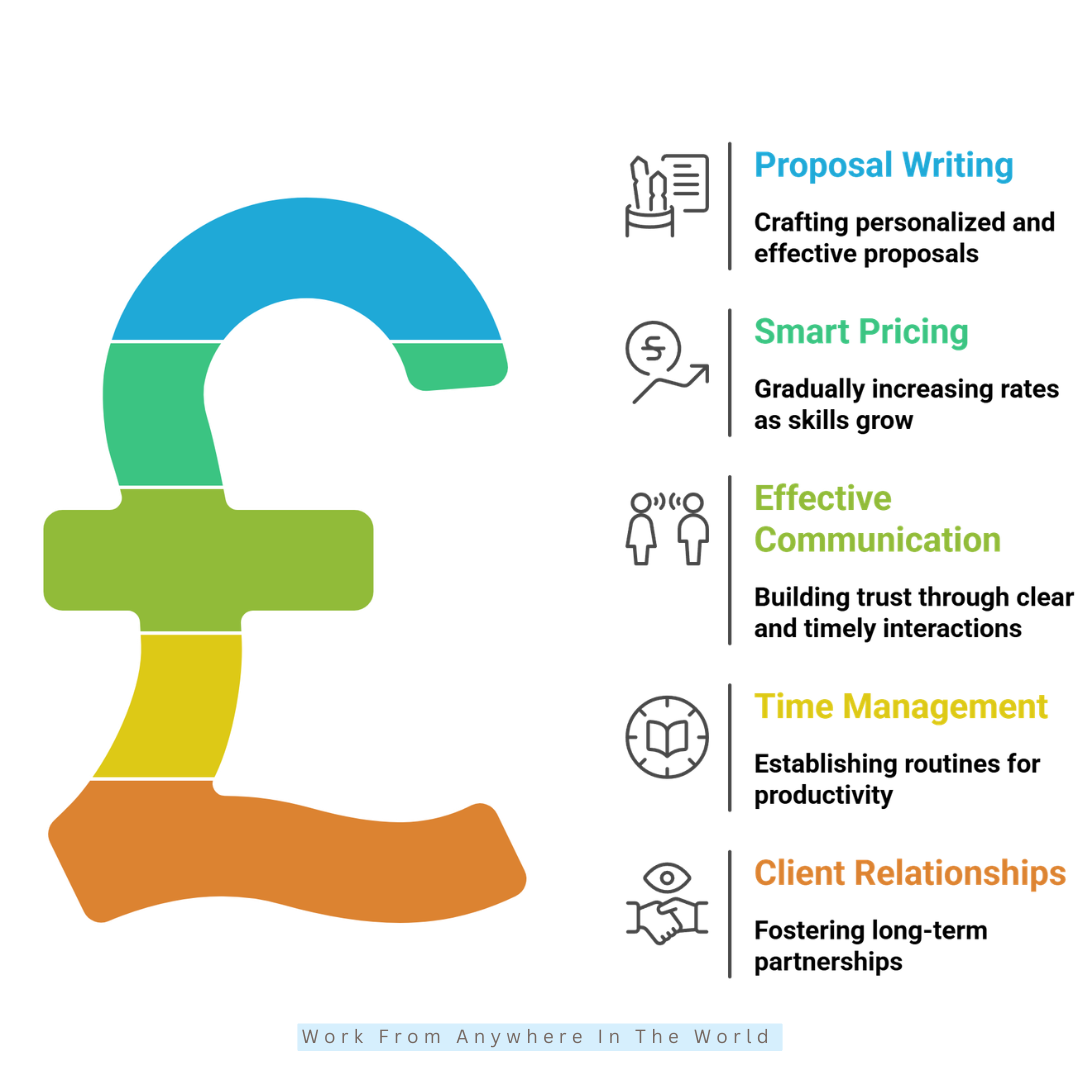
6. Learn How To Write Proposals
Writing proposals is often an important part of freelancing, especially when applying for projects on freelance platforms. A proposal may help potential clients understand how you communicate, whether you understand the project, and how your skills may relate to their needs.
Some beginners choose to send the same proposal to every client, while others prefer adapting proposals to better match individual projects. Taking time to understand the client’s request may help create a more relevant and focused response.
Helpful proposal tips may include:
- Reading the project details carefully
- Keeping the message clear and concise
- Explaining how your skills relate to the project
- Using simple and professional language
- Asking questions when project details are unclear
A proposal may feel more relevant when it briefly acknowledges the client’s project and explains how support may be provided.
A simple proposal structure may include:
- A short greeting
- Mentioning the project or client’s need
- Explaining how you may be able to help
- Ending with a short question or next step
Keeping proposals clear, natural, and easy to understand may help create smoother communication with potential clients.
7. Start Small, Then Increase Your Rates
Many freelancers begin with smaller projects while building experience, confidence, and familiarity with client expectations. Early projects may provide opportunities to improve skills, understand workflows, and develop communication with clients.
For beginners, smaller projects may help with:
- Building practical experience
- Improving skills through real work
- Creating portfolio examples
- Understanding client expectations
- Receiving reviews or feedback
Some freelancers begin with lower rates while gaining experience, then gradually adjust their pricing as their skills, confidence, and project complexity increase over time.
Pricing may vary depending on factors such as experience, niche, project scope, and service quality. As freelancers gain more confidence and experience, some later choose to increase their rates based on the type of work they provide and the results they can deliver.
Helpful pricing habits may include:
- Starting with manageable projects
- Focusing on skill development and experience
- Learning how different clients and projects work
- Reviewing pricing as skills improve
- Gradually adjusting rates over time
Taking a steady approach may help create a stronger foundation while gaining experience and confidence.
8. Communication Is More Important Than Skill
Communication is often an important part of freelancing, alongside technical skills and work quality. Clear communication may help clients better understand project progress, expectations, timelines, and any questions that arise during the process.
In many freelance projects, clients may appreciate regular updates, clear timelines, and open communication. Even strong work can sometimes benefit from clearer explanations, confirmations, or feedback throughout a project.
Helpful communication habits may include:
- Responding to messages in a timely manner
- Asking questions when details are unclear
- Confirming project expectations and deadlines
- Communicating politely and professionally
- Providing updates when needed
Clear communication may also help reduce misunderstandings and support smoother working relationships. Over time, positive communication experiences may encourage repeat work or ongoing professional connections.
9. Manage Your Time Like A Professional
Freelancing offers flexibility, which many people enjoy, but managing time effectively may help create a more organized workflow. Without some structure, balancing projects, deadlines, and learning time may sometimes feel overwhelming.
A routine does not need to follow a strict schedule, but having a general plan for the day may help improve focus and consistency. Some freelancers prefer setting work hours, while others work in shorter, focused sessions depending on their projects and availability.
Helpful time management habits may include:
- Setting simple daily goals
- Working in focused time blocks
- Prioritizing important tasks first
- Limiting distractions while working
- Reviewing progress at the end of the day
Time management is often about creating a routine that feels manageable and supports productivity without becoming overwhelming. Over time, consistent habits may help create smoother workflows and better project organization.
10. Build Long-Term Client Relationships
While one-time projects may help freelancers gain experience, some freelancers also choose to focus on building ongoing working relationships with clients over time. Repeat clients may help create more consistency and reduce the need to constantly search for new projects.
Professional communication, reliable work, and consistency may all play a role in building stronger client relationships. Positive working experiences may encourage clients to return for future projects or ongoing support.
Helpful ways to build stronger client relationships may include:
- Delivering work on time
- Maintaining consistent quality
- Communicating clearly and professionally
- Being open to feedback and revisions
- Creating a positive working experience
Over time, strong professional relationships may help create more opportunities for repeat work and longer-term collaboration.
11. Remember Personal Branding
Personal branding may help freelancers present their work more professionally and make it easier for potential clients to understand their skills, interests, and areas of focus.
While many freelancers offer similar services, sharing experience and work consistently may help create a clearer professional identity over time.
Building a personal brand does not necessarily require a large audience or constant posting. Some freelancers choose simple ways to showcase their work, share ideas, or participate in professional conversations related to their niche.
Helpful ways to begin may include:
- Creating a professional LinkedIn profile
- Sharing portfolio work or project examples
- Posting simple ideas or industry insights
- Staying consistent with professional updates
Over time, regular visibility and consistent communication may help create more familiarity and professional opportunities.
12. Learn Basic Business Skills
Freelancing often involves more than providing a service. Many freelancers also manage communication, pricing, scheduling, project planning, and client relationships as part of their day-to-day work.
While learning everything at once may feel overwhelming, understanding a few basic business skills may help create a stronger foundation over time. These skills may support clearer communication, better organization, and more confidence when working with clients.
Helpful business skills may include:
- Understanding basic pricing strategies
- Learning how to communicate with clients professionally
- Improving negotiation and project discussions
- Managing time and deadlines effectively
- Staying organized with projects and schedules
Learning these skills gradually may help freelancers feel more prepared and confident as they build experience over time.
13. Learn To Handle Rejection
Rejection can sometimes be part of freelancing, especially in the early stages of building experience. Some proposals may go unanswered, and clients may occasionally choose another freelancer based on budget, experience, timing, or project needs.
While this can feel discouraging at times, many freelancers view rejection as part of the learning process. Over time, reviewing profiles, improving proposals, and gaining experience may help create stronger opportunities.
Helpful ways to respond to setbacks may include:
- Reviewing and improving proposals
- Updating profiles or portfolio samples
- Continuing to apply for relevant projects
- Learning from feedback when available
- Staying consistent with practice and improvement
Freelancing often develops gradually, and progress may come through patience, regular learning, and ongoing experience.
14. Stay Updated With Trends
Freelancing continues to change as new tools, platforms, and client expectations develop over time. Depending on the type of freelance work, staying informed about industry changes may help freelancers adapt and improve their services.
Learning does not always mean following every trend, but understanding major changes within a chosen field may help create more confidence and flexibility over time.
Helpful ways to stay informed may include:
- Following industry blogs or communities
- Exploring new tools related to a skill area
- Watching updates in client expectations or platforms
- Practicing new techniques when relevant
- Learning from experienced freelancers
Examples may vary by field:
- Writers may explore new writing or AI tools
- Designers may experiment with updated software or features
- Marketers may follow search engine or social media updates
Regular learning may help freelancers continue developing their skills and adapting to changes in their industry over time.
15. Be Patient—Growth Takes Time
Freelancing often develops gradually, and progress may look different from one person to another. While some freelancers may find projects quickly, others may take longer to build experience, improve their skills, and gain confidence.
The early stages of freelancing may involve learning how platforms work, improving communication, building portfolios, and consistently applying for projects. Progress may sometimes feel slow, but many freelancers gradually build experience over time.
Helpful milestones may include:
- Sending a first proposal
- Receiving a first client reply
- Completing a first project
- Receiving a first payment
- Building confidence through experience
Freelancing often develops through regular practice, learning, and consistency. Taking a steady approach may help create stronger skills and more opportunities over time.

FAQs
1. How Long Does It Take To Start Earning From Freelancing?
The timeline may vary depending on skill level, niche, consistency, and the amount of time spent learning and applying for projects. Some freelancers may find opportunities relatively quickly, while others may take more time to build experience and confidence.
Creating a portfolio, improving skills, and applying consistently may help increase opportunities over time.
2. Do I Need A Degree To Start Freelancing?
A degree is not always required to begin freelancing. In many freelance fields, clients may place more focus on skills, communication, portfolio quality, and the ability to complete projects effectively.
Building practical experience and showcasing work may help create stronger opportunities over time.
3. Which Freelancing Skills Are Best For Beginners?
Beginner-friendly freelance skills may include content writing, graphic design, social media management, virtual assistance, data entry, or basic SEO services.
The best option may depend on personal interests, strengths, and the type of work someone enjoys learning and improving.
4. Can Freelancing Become A Full-Time Career?
Some freelancers choose to work full-time, while others use freelancing as an additional source of income. Experiences may vary depending on niche, client relationships, pricing, workload, and consistency.
Over time, some freelancers gradually expand services, build repeat clients, and develop longer-term working arrangements.
Conclusion
Freelancing may offer flexibility, skill development, and different ways to explore online work. While experiences may vary depending on skill, niche, and consistency, many freelancers gradually build confidence and experience over time.
These Tips On Freelancing are designed to provide practical ideas for learning skills, improving communication, building portfolios, and understanding how freelance work develops. Starting with one skill, staying consistent, and learning gradually may help create a stronger foundation.
Freelancing often develops step by step through practice, patience, and ongoing improvement. Whether the goal is additional income, greater flexibility, or a longer-term career path, taking a steady and professional approach may help create more opportunities over time.
I trust you enjoyed this article on the 15 Effective Tips on Freelancing to Get Consistent Clients. Please stay tuned for more insightful blogs on affiliate marketing, online business, and working from anywhere in the world.
Take care!
— JeannetteZ 🌍✨
💬 Your Opinion Is Important To Me
Do you have thoughts, ideas, or questions? I’d love to hear from you. Please leave your comments below or email me directly at Jeannette@WorkFromAnywhereInTheWorld.com.
📚 More Work From Anywhere Reads
🚀 Ready to Build a Business You Can Run from Home
Or from Anywhere in the World?
Imagine creating income on your terms — from home, a cozy café, or wherever life takes you.
With the right tools, training, and community support, it’s entirely possible.
Start your own online business for free — no credit card needed.
Disclosure
This post may contain affiliate links. As an Amazon Associate and participant in other affiliate programs, I earn from qualifying purchases at no extra cost to you. Please read my full affiliate disclosure.