
10 Best Jobs To Do From Home With No Experience
Finding jobs to do from home with no experience may seem challenging, but many beginner-friendly opportunities are available. Some employers value reliability, communication skills, and a willingness to learn more than previous work experience.
Whether you’re looking for a full-time career, a flexible side hustle, or extra income, remote work can offer several options. The key is finding legitimate opportunities that match your interests, skills, and schedule.
This guide explores practical work-from-home jobs for beginners, where to find them, and how to get started. You’ll also discover helpful tips for avoiding common mistakes and building confidence as you begin your remote work journey.
Why Companies Hire Beginners For Remote Jobs
Many companies hire beginners because they value reliability, enthusiasm, and a willingness to learn. Entry-level remote positions often provide training, allowing new employees to become familiar with company procedures and everyday responsibilities.
Understanding the differences between remote work and telework can help beginners determine which arrangement best suits their needs. Some positions allow complete location flexibility, while others require employees to work from home or visit an office occasionally.
Employers can teach specific software and workplace processes, but qualities such as dependability and a positive attitude are equally important. Candidates who follow instructions carefully and demonstrate genuine interest can make a strong impression.
As more businesses operate online, opportunities exist in customer service, administration, content creation, sales, and digital operations. Some of these positions welcome applicants without previous professional experience.
Strong communication skills are particularly valuable when working remotely. Employees need to understand instructions, ask thoughtful questions, and keep colleagues informed without relying on face-to-face conversations.
Organization, time management, and problem-solving skills can also help beginners succeed. Even experience gained through volunteering, school projects, or personal responsibilities may demonstrate useful abilities.
From my experience, employers often appreciate applicants who prepare thoughtful applications, respond professionally, and show enthusiasm for learning. These qualities can help beginners stand out when applying for remote opportunities.
Finding jobs to do from home with no experience becomes easier when you recognize the transferable skills you already have. Focus on positions that provide appropriate training and match your interests, strengths, and availability.
Explore The Best Work-From-Home Jobs For Beginners
Finding the right remote opportunity starts with understanding what each position involves. Many beginner-friendly jobs offer training, flexible schedules, and opportunities to develop valuable professional skills.
The following jobs to do from home with no experience can provide a practical starting point. Explore their responsibilities, essential skills, and ways to begin your remote working journey.
1. Virtual Assistant
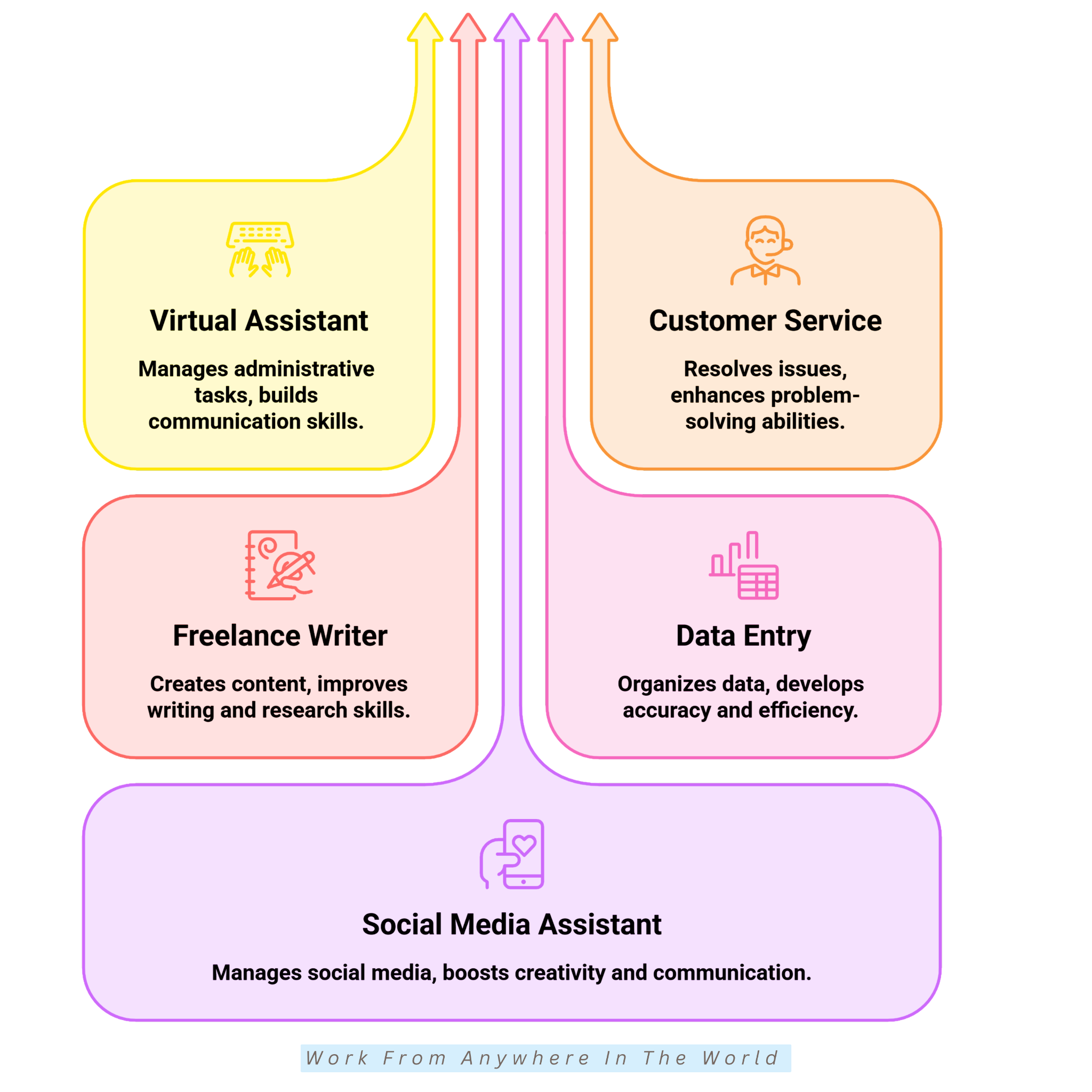
Virtual assistants help businesses and entrepreneurs manage everyday administrative responsibilities. Common tasks include responding to emails, scheduling appointments, organizing documents, updating spreadsheets, and coordinating basic customer communication.
Many small businesses hire virtual assistants to handle routine activities so they can focus on growing their operations. Some entry-level positions provide training, making this a practical option for organized beginners.
Strong communication, attention to detail, and time management skills are particularly valuable. Familiarity with Google Workspace, Microsoft Office, and basic scheduling tools can also help you prepare for this role.
You can begin by creating a simple resume highlighting transferable skills from volunteering, education, or personal projects. Even experience organizing events or managing schedules can demonstrate relevant abilities.
Learning how to find clients online can help you connect with small businesses looking for reliable virtual assistants to handle everyday administrative tasks.
Explore freelance job websites to discover opportunities and learn what businesses expect from virtual assistants. Pay attention to job descriptions so you can identify the skills employers request most frequently.
As you gain experience, you may specialize in bookkeeping support, social media scheduling, email management, or project coordination. Developing specialized skills can create opportunities for more advanced administrative positions.
2. Customer Service Representative
Customer service representatives help customers resolve problems, answer questions, and understand products or services. Depending on the employer, communication may take place through telephone calls, live chat, email, or online support systems.
Many companies provide training for entry-level customer service positions. This makes the role accessible to beginners who demonstrate patience, reliability, and a willingness to learn.
Strong listening skills are essential because customers may contact support teams when they’re confused or frustrated. Remaining calm, explaining solutions clearly, and following company procedures can help create positive customer experiences.
Most remote customer service positions require a dependable internet connection, basic computer skills, and a suitable workspace. Telephone-based roles may also require a quiet environment and a headset.
Before applying, review the company’s equipment requirements, training arrangements, and working hours. Some employers provide equipment, while others expect employees to use approved personal devices.
Developing healthy work habits can help you stay organized, manage customer requests efficiently, and maintain a positive attitude throughout busy shifts. These habits also make it easier to handle challenging conversations while providing friendly, professional support.
Understanding remote jobs and their requirements can help you prepare for the responsibilities of working outside a traditional office.
With experience, customer service representatives may progress into technical support, team leadership, quality assurance, or customer success positions.
3. Freelance Writer
Freelance writing offers opportunities to create blog posts, website content, newsletters, product descriptions, and other written materials. Businesses often need writers who can communicate information clearly and adapt their style to different audiences.
If you enjoy researching topics and explaining ideas, freelance writing may be an appealing starting point. Formal qualifications aren’t always necessary, although strong writing skills and attention to detail are important.
Begin by choosing a few subjects that interest you and creating original writing samples. These examples can demonstrate your abilities even if you haven’t completed paid assignments.
Exploring ways to improve your content can help you develop clearer, more engaging writing samples for potential clients. Strong writing skills also make it easier to communicate ideas, adapt to different audiences, and build confidence as a freelance writer.
Learning how to make money from freelance writing can help you explore different services, understand potential opportunities, and develop a practical approach to finding clients.
You can also practise writing headlines, organizing articles, proofreading, and researching reliable information. Familiarity with WordPress and basic SEO principles may be helpful when applying for website content assignments.
Freelance marketplaces, professional networking, and direct outreach can introduce you to potential clients. Always review project requirements carefully and agree on payment terms before beginning work.
As your portfolio develops, you may specialize in areas such as technology, education, travel, or digital marketing. Building expertise in a particular subject can help distinguish your services from those of other writers.
4. Data Entry Specialist
Data entry specialists organize, update, and maintain information in digital systems. Their responsibilities may include entering customer records, updating spreadsheets, processing invoices, or reviewing inventory information.
Some entry-level positions require only basic computer knowledge and accurate typing skills. Employers generally look for candidates who can follow instructions carefully and handle information consistently.
Attention to detail is particularly important because small mistakes can affect records and business operations. Developing good organizational habits can help you complete assignments accurately and efficiently.
You can prepare by practising with Microsoft Excel or Google Sheets. Learning basic formulas, formatting techniques, and keyboard shortcuts may improve your confidence when handling digital information.
Understanding time tracking for remote workers can help you organize assignments, monitor your progress, and complete data entry tasks more efficiently. Good time management also helps you meet deadlines, maintain accuracy, and build a reputation as a reliable remote worker.
Review job descriptions to understand whether positions involve straightforward data entry or more advanced database responsibilities. Some employers also require familiarity with confidential information and data protection procedures.
Be cautious when searching for opportunities, as fraudulent job advertisements sometimes use data entry positions to attract applicants. Our guide to legitimate work-from-home jobs can help you explore employment opportunities without unnecessary startup fees.
With additional training, data entry experience may lead to administrative support, records management, or specialized data-processing positions.
5. Social Media Assistant
Social media assistants help businesses maintain an active presence on platforms such as Facebook, Instagram, LinkedIn, and Pinterest. Their responsibilities may include scheduling posts, writing captions, organizing content calendars, and responding to comments.
Small businesses and content creators often need assistance managing their online communities. Some beginner-friendly positions focus on routine tasks rather than advanced marketing strategies.
Creativity, communication skills, and an understanding of social media platforms can help you succeed. Being organized is equally important when managing posting schedules and multiple accounts.
Start by becoming familiar with content scheduling tools and basic design applications such as Canva. You can practise creating sample posts, writing engaging captions, and developing a simple content calendar.
Our Canva review explores helpful design features that make it easier for beginners to create attractive social media graphics. Learning to use these tools can also help you develop creative skills, produce engaging posts, and confidently support businesses with their social media content.
Managing your own social media account or volunteering to assist a community organization can provide useful experience. These activities may also help you create examples of your work for future applications.
Understanding the top skills needed to work from home can help you identify additional abilities worth developing as you prepare for remote opportunities.
As you gain confidence, you may explore social media management, content strategy, community management, or digital marketing. These specializations can offer opportunities for greater responsibility and professional development.
6. Product Tester
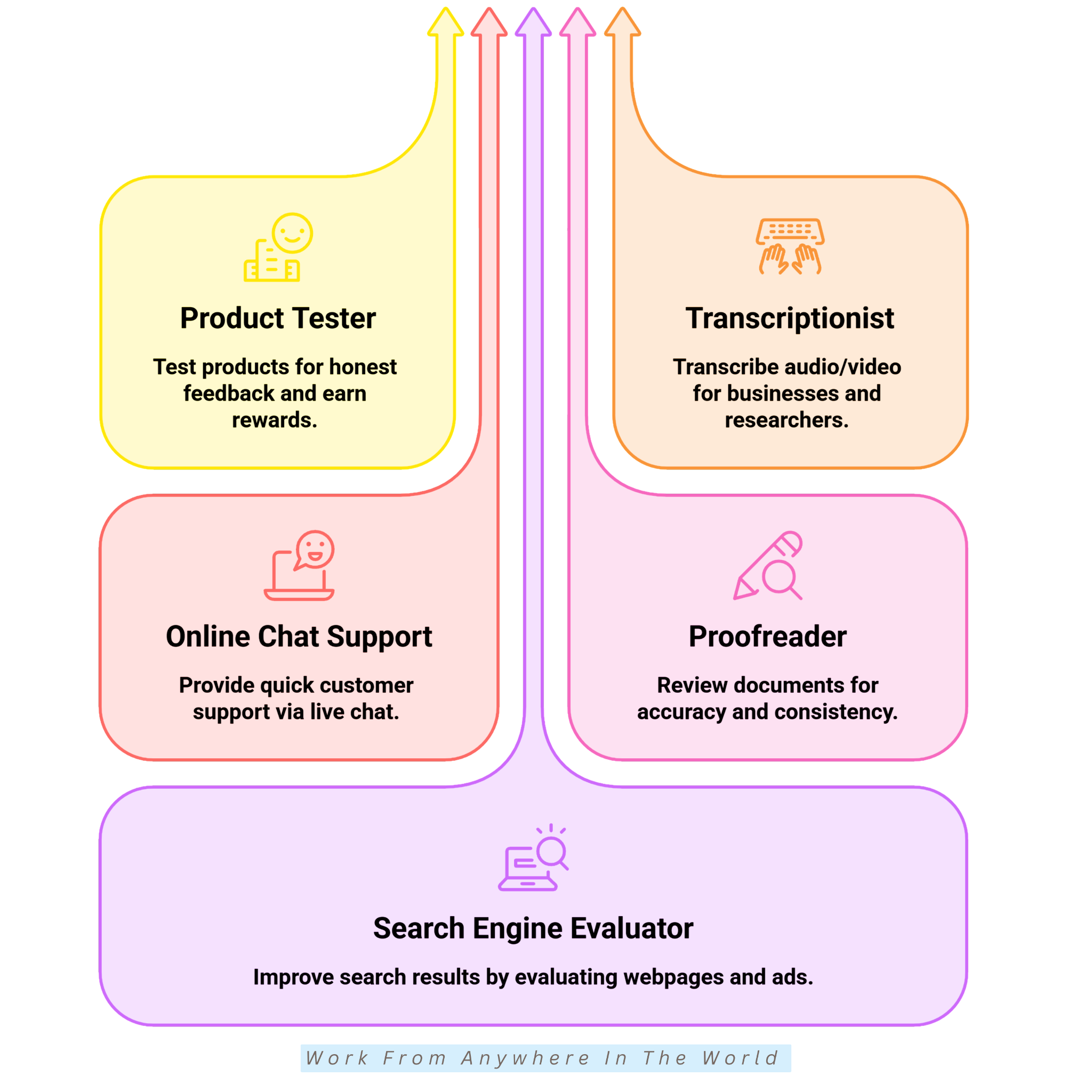
Product testers evaluate products and services before or after they become available to consumers. Companies may invite participants to try household items, beauty products, electronics, food samples, or digital applications.
Their feedback helps businesses understand customer preferences, identify potential problems, and improve product quality. Some testing opportunities require written reviews, surveys, photographs, or detailed observations.
You can begin by registering with reputable product testing communities and completing your profile accurately. Companies often select participants based on factors such as location, interests, shopping habits, and product preferences.
Compensation varies considerably between programs. Some testers receive free products, while others may earn cash, gift cards, or other rewards for completing specific assignments.
Before accepting offers, learn how to recognize legitimate work-from-home opportunities and avoid misleading promises about easy earnings.
Product testing is generally better suited to earning occasional rewards than providing a reliable full-time income. Invitations may be irregular, and qualifying for one campaign doesn’t guarantee future opportunities.
Always review the terms before participating, particularly when companies request personal information or payment details. Legitimate testing opportunities should clearly explain their requirements and compensation arrangements.
7. Transcriptionist
Transcriptionists convert spoken words from audio or video recordings into accurate written documents. Their work may involve interviews, meetings, podcasts, educational recordings, or business discussions.
Organizations sometimes outsource transcription tasks to remote workers who can listen carefully and type accurately. General transcription can be accessible to beginners, although specialized assignments may require additional qualifications.
Strong listening skills, spelling, punctuation, and attention to detail are essential. You must also distinguish between speakers and understand different accents or recording conditions.
Begin by practising with publicly available audio recordings and comparing your transcripts against the original speech. Improving your typing speed and becoming familiar with transcription software can make the process more efficient.
Using the right freelancer productivity tools can help transcriptionists organize audio files, track assignments, and manage deadlines more efficiently. A well-organized workflow also makes it easier to concentrate on accurate transcription while gradually improving speed and confidence.
When exploring online freelance jobs, look for transcription opportunities that clearly explain their requirements, payment methods, and qualification assessments.
Some platforms require applicants to complete a transcription test before accepting assignments. Others may offer training materials or style guides to help beginners understand their formatting standards.
Remember that transcription work is often paid per audio minute rather than per hour worked. A short recording can take considerably longer to transcribe, especially when the audio quality is poor.
With experience and appropriate training, you may explore specialized transcription services. Legal and medical transcription often require additional terminology knowledge, confidentiality procedures, or professional qualifications.
8. Online Chat Support Agent
Online chat support agents help customers through written conversations on websites, mobile applications, and messaging platforms. They answer questions, assist with purchases, resolve simple problems, and explain company services.
This position can appeal to beginners who prefer written communication over telephone conversations. However, some employers expect agents to manage several customer chats simultaneously.
Learning about online community management can also introduce you to techniques for responding professionally and maintaining positive online interactions.
Clear writing, patience, and basic computer skills are important for providing helpful responses. Agents must also follow company guidelines and maintain a professional tone when handling difficult situations.
Many employers provide training on their products, customer support systems, and common troubleshooting procedures. Some positions also include access to prepared responses and internal knowledge bases.
To prepare, practise typing accurate messages and explaining solutions in simple language. Familiarity with live chat software and basic customer service principles can strengthen your applications.
Before accepting a position, confirm whether the role involves exclusively written communication. Some advertised chat support jobs also require telephone calls, video meetings, or additional administrative responsibilities.
As you gain experience, you may progress into customer success, technical support, quality assurance, or team supervision.
9. Proofreader
Proofreaders review written materials to identify spelling, grammar, punctuation, and formatting errors before publication. Their work may involve blog posts, newsletters, business documents, marketing materials, or manuscripts.
If you enjoy reading and naturally notice writing mistakes, proofreading may be an appealing remote career. However, professional proofreading requires more than simply recognizing obvious spelling errors.
Accuracy, concentration, and a strong understanding of language conventions are essential. You must also learn to maintain consistency without unnecessarily changing the writer’s intended meaning.
Begin by reviewing sample documents and practising with reputable grammar and punctuation resources. Familiarity with Microsoft Word’s Track Changes feature and Google Docs suggestions can also be helpful.
Our Grammarly review introduces a writing assistant that can support proofreading practice, although every suggested correction still needs careful review.
Creating a small portfolio of corrected writing samples can demonstrate your abilities to potential clients. You may also benefit from learning common editorial style guides and proofreading symbols.
When applying for assignments, clarify whether clients need proofreading, copyediting, or more extensive content revisions. These services involve different responsibilities and should be priced accordingly.
Some entry-level freelance opportunities don’t require formal qualifications, but clients generally expect reliable accuracy. Developing your skills through practice and feedback can help you build confidence and credibility.
10. Search Engine Evaluator
Search engine evaluators assess the relevance, usefulness, and quality of online search results. Their feedback helps companies evaluate how effectively search systems respond to different user queries.
Assignments may involve reviewing webpages, examining search results, or evaluating advertisements according to detailed project guidelines. This work requires careful judgment and consistent attention to instructions.
Some entry-level projects accept applicants without previous professional experience. However, candidates may need to pass qualification assessments before receiving paid assignments.
Strong reading comprehension, research skills, and attention to detail are particularly valuable. Familiarity with internet searches and an understanding of local language and cultural context may also be required.
Exploring free keyword research tools can help you become more familiar with search terminology and how people look for information online.
Begin by researching established companies that recruit search quality evaluators and reviewing their current eligibility requirements. Availability often depends on your country, language, and the projects accepting applicants.
Many positions are contract-based, and the amount of available work can fluctuate. Flexible scheduling may be possible, but it doesn’t necessarily mean assignments will always be available.
Search evaluation can provide useful experience in online research, quality assessment, and digital information analysis. These skills may support future opportunities in related remote work fields.
Best Websites To Find Entry-Level Remote Jobs
Finding legitimate jobs to do from home with no experience becomes easier when you know where to search. Several established job platforms offer remote opportunities across different industries and experience levels.
Some specialize in remote employment, while others cover customer support, administration, marketing, technology, and business operations. Choosing the right platforms can help you discover suitable positions and avoid wasting time on irrelevant listings.
1. Indeed
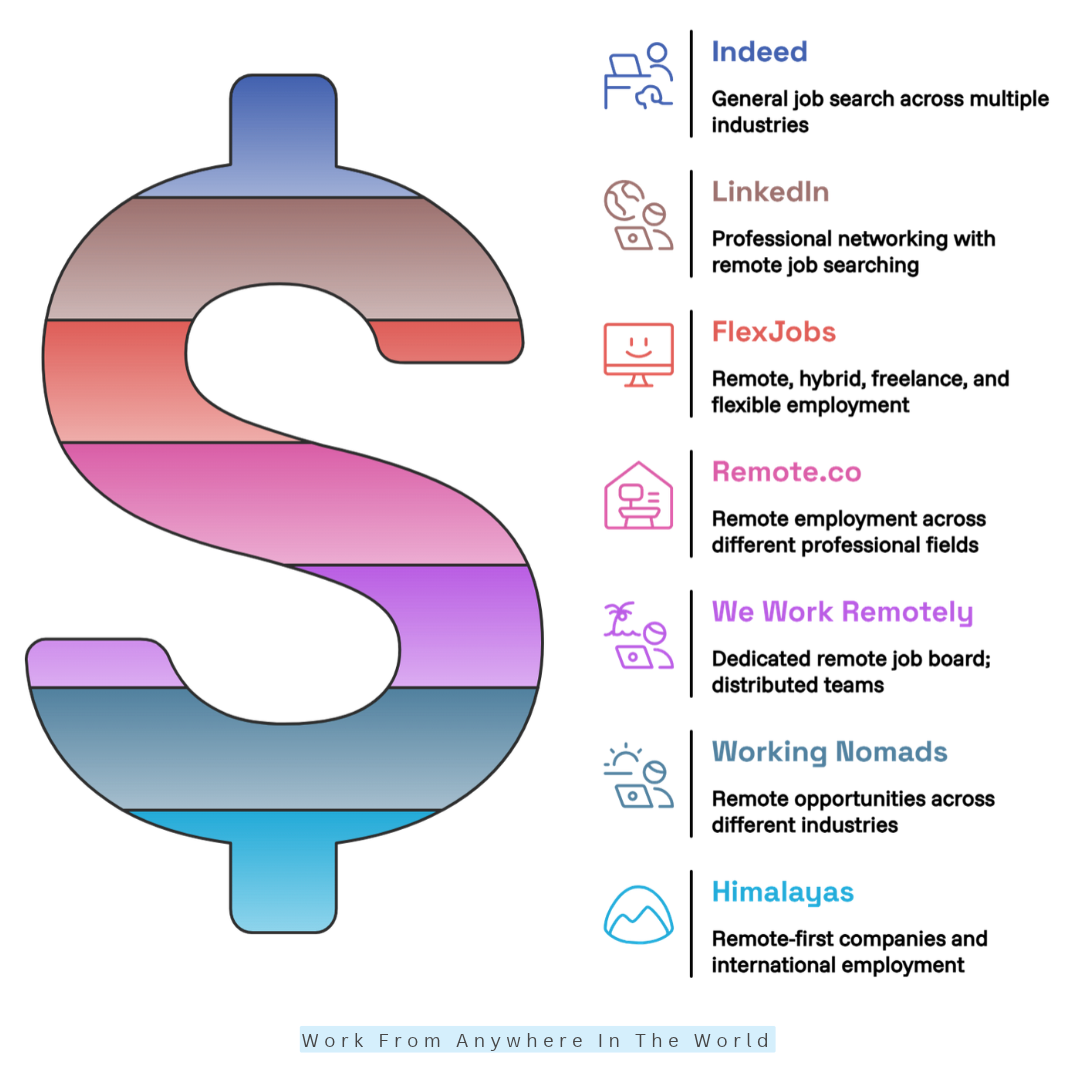
Indeed is a popular job search platform featuring remote opportunities across many industries. Beginners can explore customer service, data entry, virtual assistance, sales, content writing, and marketing positions.
Its search filters help you narrow vacancies by experience level, salary, employment type, and location. You can also create job alerts to receive updates when relevant opportunities appear.
Indeed is particularly useful for comparing different entry-level career options in one place. Always read the job requirements carefully, as not every remote listing is suitable for beginners.
2. LinkedIn
LinkedIn combines professional networking with job searching, making it valuable for beginners building their careers. Opportunities include digital marketing, social media management, content creation, customer support, sales, and administrative assistance.
Its remote-work and experience-level filters help you identify suitable positions. You can also follow companies, connect with recruiters, and receive notifications about new opportunities.
A complete professional profile can strengthen your applications, even without previous remote experience. Highlight transferable skills, volunteer activities, relevant training, and personal projects that demonstrate your abilities.
3. FlexJobs
FlexJobs specializes in remote, hybrid, freelance, and flexible employment opportunities. Its job categories include customer service, project management, operations, accounting, sales, marketing, and business development.
The platform screens job listings, which can help reduce exposure to misleading advertisements. However, beginners should still review employer requirements and investigate opportunities before applying.
FlexJobs requires a paid subscription to access its full services. Consider whether the cost suits your budget, especially when free job-search platforms are available.
Although many listings target experienced professionals, beginners can search for entry-level positions and roles that emphasize transferable skills rather than extensive work histories.
4. Remote.co
Remote.co focuses on remote employment opportunities across different professional fields. Job categories include customer support, administrative assistance, writing, digital marketing, online education, and human resources.
The platform can be particularly helpful for candidates interested in companies that regularly employ remote teams. These organizations may already have established systems for online communication and collaboration.
Beginners should look for assistant, coordinator, trainee, and junior-level positions. Check location restrictions, experience requirements, and whether employers provide training before submitting applications.
5. We Work Remotely
We Work Remotely is a dedicated remote job board featuring opportunities from companies with distributed teams. Its categories include software development, customer support, sales, marketing, design, finance, and business operations.
Technology-related positions are prominent, but opportunities also exist outside programming. Beginners can explore customer support and junior-level roles that match their current abilities.
Read each job description carefully to understand the required qualifications, working hours, and geographic restrictions. Some fully remote positions still require employees to live in specific countries or time zones.
6. Working Nomads
Working Nomads helps job seekers discover remote opportunities across different industries. Its categories include digital marketing, SEO, content writing, customer service, software development, design, and project management.
The platform is particularly useful for people interested in location-independent employment and international career opportunities. Its organized job categories and alerts can make finding suitable positions easier.
Beginners should focus on assistant, junior, and entry-level vacancies that match their existing abilities. Always check location restrictions, required experience, and working hours before applying.
7. Himalayas
Himalayas helps job seekers explore remote-first companies and employment opportunities worldwide. Its categories include software engineering, sales, customer service, account management, business development, product management, and marketing.
The platform offers opportunities across technical and non-technical fields, making it useful for beginners exploring different career paths. Job listings can help you compare qualifications, responsibilities, and remote working arrangements.
You can also research remote-first employers and identify positions that match your interests and abilities. Focus on entry-level opportunities and check whether companies hire applicants from your country before applying.
Common Mistakes Beginners Make
Finding jobs to do from home with no experience can be exciting, but a few common mistakes may slow your progress. Understanding these challenges can help you make better decisions and improve your chances of finding legitimate opportunities.
With the right preparation, patience, and practical skills, you can approach your remote job search with greater confidence.
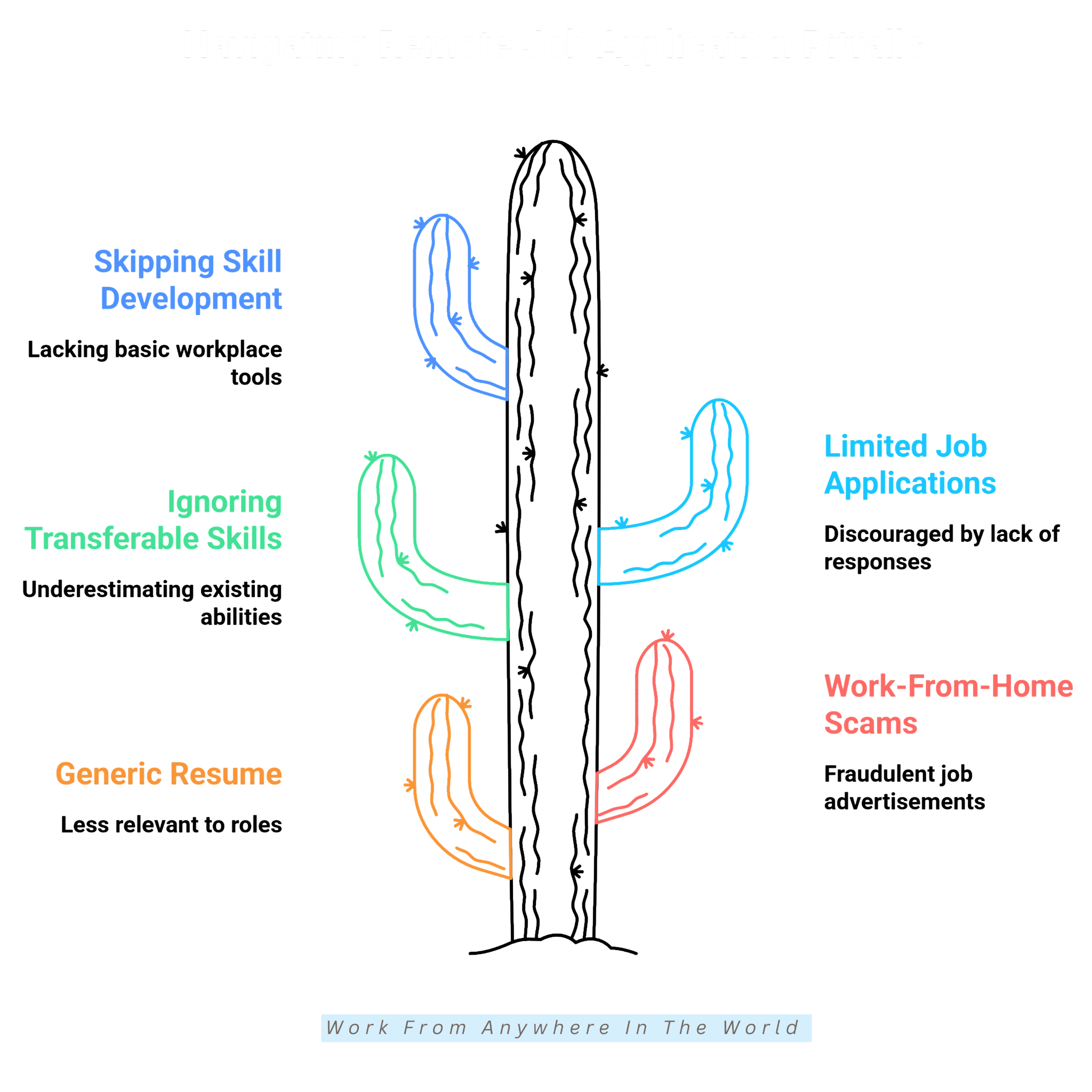
1. Applying Without Customizing Your Resume
Sending the same resume to every employer may save time, but it can make your application less relevant. Employers want to see how your abilities match the responsibilities of their particular position.
Customize your resume by highlighting relevant skills, training, volunteer experience, and personal projects. Even without previous remote employment, these experiences can demonstrate your potential.
A carefully tailored resume also shows attention to detail and genuine interest in the opportunity. Focus on your strongest qualifications rather than trying to include everything you’ve ever done.
2. Falling For Work-From-Home Scams
Fraudulent job advertisements can make finding legitimate remote employment more challenging. Some promise unrealistic earnings, request upfront payments, or attempt to collect sensitive personal information.
Research each employer before applying, and verify that the position appears on its official website. Be cautious of unsolicited offers, suspicious email addresses, and requests for money during recruitment.
Understanding how to evaluate remote job staffing services can help you recognize warning signs and avoid misleading employment offers. Always verify the employer’s identity before sharing sensitive personal information, and never pay upfront fees to secure a job.
3. Ignoring Transferable Skills
Many beginners underestimate their abilities because they haven’t worked remotely before. However, skills developed through education, volunteering, hobbies, and previous employment can be valuable in remote positions.
Communication, organization, problem-solving, customer service, and time management are useful across many industries. Even managing personal projects can demonstrate responsibility and initiative.
Highlight these abilities in your resume and explain how you’ve applied them in real situations. Employers may value your willingness to learn just as much as your previous experience.
4. Applying To Only A Few Jobs
Finding your first remote position often requires patience and consistent effort. Applying to only a handful of vacancies can limit your opportunities, especially when popular positions attract many candidates.
Set a realistic weekly application goal and explore several reputable job platforms. Track your applications, follow-up dates, and employer responses to stay organized.
Focus on submitting thoughtful, relevant applications rather than applying indiscriminately. Reviewing your results and adjusting your approach can help you improve over time.
5. Skipping Basic Skill Development
Many beginner-friendly remote jobs don’t require previous professional experience, but basic digital skills remain important. Employers often expect familiarity with email, spreadsheets, video conferencing, cloud storage, and online collaboration tools.
Free tutorials, online courses, and simple practice projects can help you develop these abilities. Start with the tools most relevant to the positions you’re interested in pursuing.
Learning new skills gradually can improve your confidence and strengthen future applications. Even a small amount of regular practice can help you become more comfortable with everyday remote working tasks.
Frequently Asked Questions
Q1: How Much Can Beginners Earn Working From Home?
Earnings depend on the position, employer, location, and number of hours worked. Entry-level customer service and administrative positions may offer steady hourly wages.
Freelance income can vary considerably, especially when you’re starting. As you develop your skills and attract regular clients, your earning potential may improve.
Q2: Are Work-From-Home Jobs With No Experience Legitimate?
Yes, many reputable companies offer work-from-home jobs with no experience. Customer service, virtual assistance, and online support are common starting points.
Always research employers and apply through trusted job platforms or official company websites. Avoid opportunities that promise unrealistic earnings or request upfront payments.
Q3: What Equipment Do I Need To Start Working From Home?
Most remote jobs require a reliable computer, stable internet connection, and quiet workspace. Some employers also expect you to have a headset and webcam.
Equipment requirements depend on the position and company policies. Certain employers provide work equipment, while others expect employees to use their own devices.
Q4: How Can I Get Hired Faster For Remote Jobs Without Experience?
Start by creating a tailored resume that highlights your transferable skills. Apply regularly to beginner-friendly positions that match your abilities and interests.
Completing short online courses can also strengthen your applications. A professional online profile and clear communication skills may help you stand out.
Q5: Can I Work From Home Without A College Degree?
Yes, many entry-level remote positions don’t require a college degree. Employers may prioritize communication skills, reliability, computer knowledge, and willingness to learn.
Customer support, data entry, virtual assistance, and certain freelance opportunities can be accessible without formal qualifications. Always check individual job requirements because expectations vary between employers.
Q6: Can I Work From Home With No Experience And Flexible Hours?
Yes, some remote positions offer flexible schedules, particularly freelance writing, virtual assistance, and project-based work. However, many customer service and administrative jobs require fixed working hours.
Look for opportunities that clearly describe flexible scheduling or independent project deadlines. Understanding these arrangements before applying can help you find a position that fits your lifestyle.
Conclusion
Finding jobs to do from home with no experience is possible when you know where to look and how to prepare. From virtual assistance to customer support, many remote opportunities allow beginners to develop valuable skills while earning an income.
Start by exploring legitimate job platforms and choosing positions that match your interests. Building practical skills, tailoring your applications, and staying consistent can improve your chances of success.
Your first remote job doesn’t have to be your dream career. It can be a stepping stone toward greater flexibility, professional growth, and new opportunities.
Be patient with yourself, celebrate small achievements, and keep learning along the way. Every new skill and application brings you closer to finding a remote career that suits your goals.
I trust you enjoyed this article on the 10 Best Jobs to Do From Home With No Experience. Please stay tuned for more helpful guides on affiliate marketing, online business, and working from anywhere in the world.
Take care!
— JeannetteZ 🌍✨
💬 Your Opinion Is Important To Me
Do you have thoughts, ideas, or questions? I’d love to hear from you. Please leave your comments below or email me directly at Jeannette@WorkFromAnywhereInTheWorld.com.
📚 More Work From Anywhere Reads
🚀 Ready to Build a Business You Can Run from Home
Or from Anywhere in the World?
Imagine earning income on your terms — from home, a cozy café, or wherever life takes you.
With the right tools, training, and community support, it’s entirely possible.
Start your own online business for free — no credit card needed.
Disclosure
This post may contain affiliate links. As an Amazon Associate and participant in other affiliate programs, I earn from qualifying purchases at no extra cost to you. Please read my full affiliate disclosure.