How To Write SEO-Friendly Content: 11 Proven Strategies
Learning how to write SEO-friendly content helps you create valuable blog posts that attract readers through search engines and AI-powered search platforms. Effective content combines useful information, clear organization, and an understanding of what your audience wants to know.
SEO writing involves more than placing keywords throughout an article. Your content should answer real questions, provide practical advice, and guide readers towards information that solves their problems.
A well-structured article also makes your content easier to navigate. Descriptive headings, relevant links, helpful examples, and natural language all improve the reading experience.
In this guide, you’ll discover proven techniques for writing SEO-friendly content that engages readers, builds trust, and improves your opportunities for long-term organic growth.
What Is SEO-Friendly Content?
SEO-friendly content helps search engines understand a webpage while providing readers with useful, relevant information. It combines appropriate keywords, clear organization, accurate explanations, practical examples, and natural language.
The goal is to create content that people can easily discover, understand, and apply. Rather than focusing entirely on search rankings, effective SEO writing puts readers’ questions and needs first.
For example, an article targeting “how to grow tomatoes at home” should explain soil requirements, planting techniques, sunlight, watering, and common growing challenges. A practical guide to growing tomatoes in containers demonstrates how useful, focused information answers readers’ questions.
Modern SEO also considers search intent, page experience, topical relevance, and content quality. Generative Engine Optimization (GEO) adds another consideration: presenting information clearly so AI-powered search systems can interpret and potentially reference it.
Three essential priorities work together to make content SEO-friendly:
- Reader Value: Provide accurate answers, practical advice, and information that helps visitors solve problems.
- Search Relevance: Use appropriate keywords, descriptive headings, and focused explanations to communicate the page’s topic.
- Information Clarity: Organize facts, examples, and explanations so readers and AI-powered systems can understand the content.
Combining these priorities creates a strong foundation for organic visibility, reader engagement, and long-term trust.
11 Powerful Steps To Write SEO-Friendly Content
Creating SEO-friendly content involves more than choosing keywords and adding them to your articles. A successful approach combines research, thoughtful planning, clear writing, and ongoing improvements.
Every stage of the writing process contributes to the quality of your content. Understanding your audience helps you choose relevant topics, while effective organization makes your information easier to follow.
Search engines increasingly reward content that satisfies readers’ needs. Helpful explanations, practical examples, trustworthy sources, and a positive user experience all help you build a stronger website.
The following 11 powerful steps will guide you from initial keyword research to publishing, optimization, and performance analysis. Each step includes practical techniques you can apply to your own blog, whether you’re just starting or improving an established website.
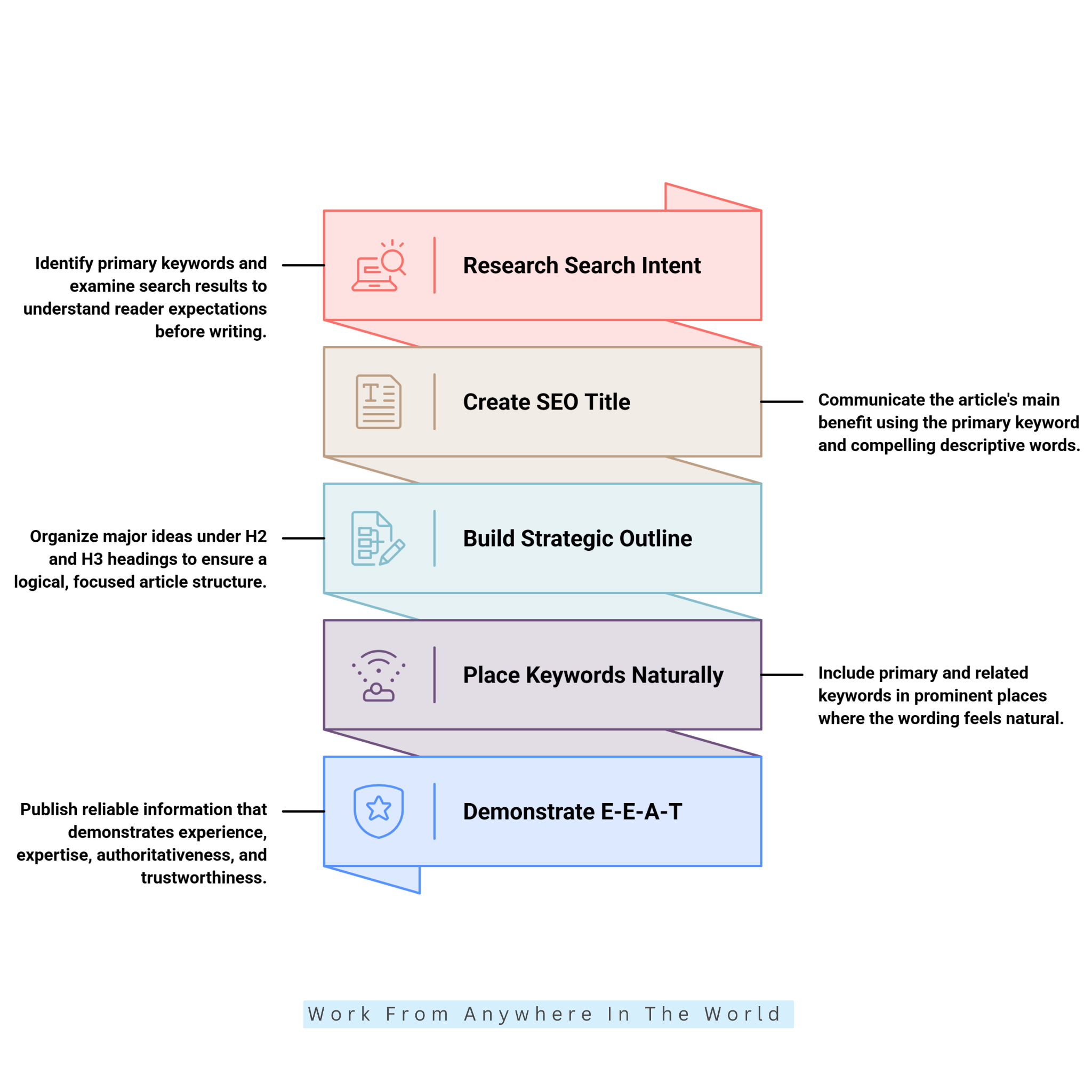
Step 1: Research Search Intent Before Choosing Your Keywords
SEO-friendly content starts with understanding what people want when they search online. Search intent reveals whether readers expect a tutorial, comparison, product recommendation, or quick answer.
Start with a potential primary keyword and examine the top search results. Look at the types of articles ranking for that phrase, the questions they answer, and how they organize their information.
For example, someone searching for “best keyword research tools for bloggers” probably wants to compare tools, features, and practical uses. A general introduction to SEO would not fully satisfy that search.
Explore related questions using Google autocomplete, People Also Ask, and keyword research platforms such as Ahrefs, Semrush, and Google Keyword Planner. These resources help you identify supporting keywords, common concerns, and topics readers expect you to cover.
Once you understand the search intent, select a primary keyword that matches your article’s purpose. Use related terms naturally to build a comprehensive resource instead of focusing only on search volume.
This approach helps you create content that answers genuine questions, provides useful information, and gives readers a reason to explore your website further.
Step 2: Create A Powerful SEO Title That Earns Attention
A powerful SEO title communicates your article’s topic and main benefit in just a few words. Include your primary keyword naturally and give readers a compelling reason to choose your content.
For example, “How To Write SEO-Friendly Content: 11 Proven Strategies” identifies the subject and highlights what readers will learn. The number and positive wording make the title specific and appealing.
Words like proven, practical, effective, and essential can strengthen headlines when they accurately reflect the content. Avoid exaggerated promises, unnecessary repetition, or claims your article cannot support.
Remember that your SEO title and H1 heading serve different purposes. The SEO title appears in your page’s title metadata, while the H1 introduces the article to visitors. They don’t need identical wording, but both should clearly represent the same topic.
Google may generate a different title link for its search results using your headings, page content, and other signals. Follow Google’s official title link guidelines to understand how descriptive, accurate titles influence their appearance in search results.
Step 3: Build A Strategic Outline Before Writing
A well-planned outline transforms a broad topic into a focused, organized article. It helps readers find information quickly while giving search engines a clearer understanding of your content.
Begin with one descriptive H1 heading that introduces your main topic. Organize the major sections under H2 headings, and use H3 headings to explain supporting ideas or provide additional details.
Arrange your headings in a logical order that follows the reader’s learning process. For example, an SEO writing guide should introduce keyword research before explaining keyword placement, content optimization, and performance tracking.
Give each section a distinct purpose. Consider what questions readers might ask, which examples would help them understand the topic, and whether the information adds something useful.
Reviewing competing articles can reveal important questions or topics you might have overlooked. However, your outline should reflect your own research, experience, and insights rather than copying another website’s structure.
A strategic outline also prevents unnecessary repetition and makes the writing process more efficient. Planning your internal links for SEO at this stage helps you connect related articles naturally and guide readers towards additional information.
Step 4: Place Keywords Naturally And Expand Topical Coverage
Keywords help search engines understand your article, but their effectiveness depends on relevance and context rather than repetition. Choose terms that accurately describe your topic and fit naturally into your explanations.
Include your primary keyword in prominent places, such as the SEO title, H1 heading, introduction, and relevant sections. Use it where it helps readers understand the content rather than inserting it into every heading or paragraph.
Supporting keywords help you explore related aspects of your subject. For example, an article about SEO-friendly content might discuss search intent, internal linking, content quality, metadata, and organic traffic analysis.
Long-tail keywords are particularly useful for addressing specific questions. Instead of targeting only “SEO writing,” you might explore “how to optimize a blog post for beginners” or “how to improve SEO content without keyword stuffing.”
Consider an article targeting “vegan breakfast recipes.” Related topics might include vegan breakfast ideas, plant-based protein sources, and vegan meal planning. These supporting concepts help readers explore the subject more thoroughly without overusing the primary keyword.
Avoid targeting arbitrary keyword-density percentages. Clear explanations, meaningful examples, and comprehensive topic coverage provide greater value than repetitive wording intended to manipulate search rankings.
Step 5: Write Helpful Content That Demonstrates E-E-A-T
Readers need information they can understand, evaluate, and use with confidence. Google’s E-E-A-T framework stands for Experience, Expertise, Authoritativeness, and Trustworthiness.
These principles matter most when creating tutorials, product reviews, educational resources, and articles that offer practical advice. Trustworthy content demonstrates careful research, accurate explanations, and a genuine understanding of the subject.
Share personal experience when relevant, explain unfamiliar concepts clearly, and support important claims with credible sources. Original photographs, practical examples, and transparent explanations also help readers understand how you developed the information.
For example, an article about Reiki for horses should explain the practice accurately, respect the animal’s comfort and preferences, and distinguish complementary wellness approaches from veterinary treatment.
Such an article could include observations from real interactions with horses, reliable animal welfare references, and clear explanations of the practice’s limitations. These details provide more meaningful value than unsupported promises about healing or behaviour.
Identify authors and their relevant qualifications where appropriate, particularly when discussing health, finances, or other subjects requiring specialist knowledge. Be transparent about information that comes from research rather than personal experience.
E-E-A-T is not a single Google ranking factor, and an author biography alone does not guarantee better rankings. The goal is to publish reliable, people-first content that shows readers why they should trust your information.
Step 6: Optimize Meta Descriptions And URL Slugs
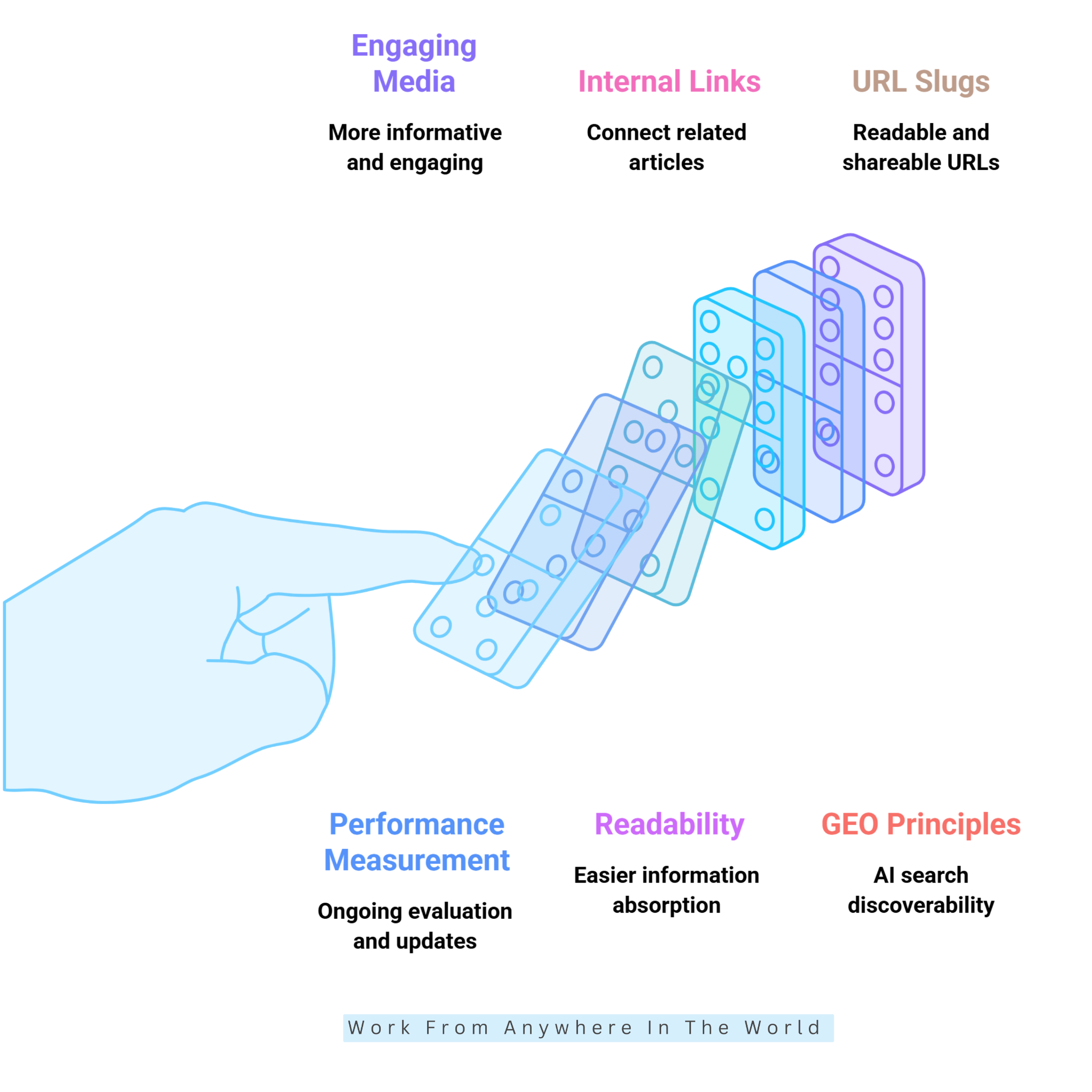
Meta descriptions and URL slugs help communicate your article’s purpose to readers and search engines. Both should accurately reflect your content while remaining clear, descriptive, and easy to understand.
A meta description summarizes the page’s main topic and gives readers a reason to visit. Include your primary keyword naturally, highlight the article’s benefit, and avoid repeating phrases unnecessarily.
For example, an article about SEO writing could use this meta description:
“Learn how to write SEO-friendly content with 11 proven strategies for keyword research, content optimization, and better search visibility.”
Aim for a concise description that communicates the article’s value. Google does not enforce a fixed character limit and may generate a different snippet based on the search query. Google’s official snippet guidelines explain how it creates search descriptions.
Your URL slug should also be short, readable, and relevant to the article. For example, /seo-friendly-content/ communicates the subject more clearly than a long URL containing unnecessary words or numbers.
Use descriptive words separated by hyphens, and avoid changing established URLs without a good reason. When a URL must change, implement an appropriate redirect to preserve access through existing links.
Neither a meta description nor a particular slug length guarantees higher rankings. Google’s URL structure guidelines emphasize readable, descriptive URLs that help users and search engines understand your pages.
Step 7: Apply GEO Principles To Improve AI Search Visibility
Generative Engine Optimization (GEO) focuses on making online content easier for AI-powered search systems to discover, understand, and potentially reference. It builds on established SEO practices while emphasizing clear explanations, reliable information, and well-organized content.
Begin important sections with a direct answer before expanding on the topic. Follow with practical examples, supporting evidence, and explanations that show why the information matters.
Define technical terms clearly and support important statistics with trustworthy sources. Distinguish established facts from personal opinions, and avoid unsupported claims designed solely to attract AI-generated citations.
For example, an article about technical SEO should first explain that an XML sitemap lists URLs a website owner wants search engines to know about. It could then describe how sitemaps assist discovery and when website owners should submit them through Google Search Console.
Use descriptive headings and meaningful internal links to connect related information for SEO. These connections help readers explore your website and give search engines more context about your content.
Focus on accuracy, originality, and useful explanations rather than unverified GEO shortcuts. No format, schema type, or writing technique guarantees inclusion in AI-generated answers, but clear, trustworthy content provides a stronger foundation for visibility across search experiences.
Step 8: Strengthen Internal Links And Cite Reliable Sources
A strong internal linking strategy connects related articles and helps readers explore your website. Relevant links also help search engines discover pages and understand relationships between topics.
Choose descriptive anchor text that tells readers what they will find. Rather than using vague phrases such as “click here,” link meaningful words that fit naturally into your explanation.
For example, an article about SEO content writing could direct beginners to a detailed guide on how to choose keywords for blog posts. This provides additional guidance without interrupting the main discussion.
External links serve a different purpose. They help readers verify important claims, explore official documentation, and consult original research from reliable organizations.
For instance, an article discussing Google Search Console could reference Google’s official Search Console documentation to help readers understand how the platform works.
Review your links before publishing to ensure they remain relevant, accurate, and accessible. Avoid adding links merely to reach an arbitrary number or repeating the same destination unnecessarily.
Every link should serve a clear purpose, whether helping readers learn something new, navigate related content, or verify information that supports your article.
Step 9: Improve Readability With Examples And Useful Visuals
Readable content helps visitors understand information quickly, particularly when they’re learning something unfamiliar. Clear explanations, practical examples, and relevant visuals make articles more engaging and easier to follow.
Keep paragraphs focused, vary sentence length, and explain complicated ideas in everyday language. Use descriptive headings and bullet points to organize information without overwhelming readers.
Choose visuals that genuinely support your explanations. Photographs demonstrate real examples, screenshots illustrate technical processes, and charts help readers understand comparisons or patterns.
For example, an article about Feng Shui for a home office uses a video and infographics to complement its written explanations. These visual resources give readers another way to explore the topic, making the information more engaging and easier to understand.
Original photographs and illustrations can also make your content more distinctive. However, every image should contribute useful information rather than serving as decoration.
Optimize image dimensions and file sizes to improve loading performance. Add meaningful alternative text to informative images so screen-reader users can understand their purpose.
Finally, preview your article on mobile devices before publishing. Check paragraph spacing, image placement, and text readability to ensure visitors enjoy a comfortable browsing experience.
Understanding the differences between mobile websites and desktop websites also helps you create content that works well across different screen sizes.
Step 10: Add Relevant Images And Videos To Make Content More Engaging
Images and videos make SEO-friendly content more informative and engaging when they complement your written explanations. Choose visuals that demonstrate techniques, illustrate important concepts, or provide information that would be difficult to communicate through text alone.
Original screenshots are particularly useful for software tutorials. For example, a keyword research guide could include screenshots showing how to find relevant keywords, compare search volume, and evaluate competition.
Short instructional videos offer another way to explain complicated processes. A video demonstrating how to analyze search intent allows readers to follow the steps visually while referring to the written instructions.
Use descriptive image filenames, such as seo-keyword-research-guide. webp, and write meaningful alternative text that explains informative images. Avoid stuffing keywords into filenames or alt text.
Optimize image dimensions and file sizes to improve loading performance without sacrificing visual quality. Modern formats such as WebP reduce file sizes, while WordPress image optimizer plugins make image management easier.
When embedding videos, choose a responsive player and consider lazy loading where appropriate. Learning to turn blog posts into YouTube videos also gives you opportunities to present your written content visually.
Captions and transcripts improve accessibility and make spoken information available to readers who prefer text. Google’s Image SEO best practices also provide useful guidance on helping search engines understand visual content.
Every visual should serve a clear purpose. Well-chosen images and videos support the article’s message, improve the learning experience, and make detailed information easier to understand.
Step 11: Measure Performance And Refresh Content Strategically
SEO-friendly content requires ongoing evaluation because audience interests, competing websites, and search results change over time. Monitoring performance helps you understand which articles attract readers and where improvements could make a difference.
Use Google Search Console to examine impressions, clicks, click-through rates, and average search positions. These measurements reveal how often your content appears in Google Search and how visitors respond to your listings.
Google Analytics 4 provides additional information about website traffic, visitor engagement, and important events. Understanding Google Analytics metrics helps you evaluate how visitors interact with your content after they arrive on your website.
Beginners who haven’t configured analytics yet can follow a guide on how to set up Google Analytics in WordPress. Proper tracking provides a foundation for evaluating future content improvements.
Look for meaningful patterns rather than reacting to every short-term fluctuation. An article that gets many impressions but few clicks might benefit from a clearer SEO title or a more compelling description.
When visitors reach your article but struggle to find useful answers, review its structure, examples, and relevance. Consider whether key information is missing or hard to find.
Refresh outdated facts, replace broken links, and expand sections when new information genuinely improves the article. Updating screenshots, checking external sources, and reviewing older recommendations also help keep the article accurate.
Prioritize changes that improve the reader’s experience and support your website’s goals. Every revision should serve a clear purpose, not change content just to make it appear recently updated.
Best Blog Niches For SEO Content Writing
Choosing the best blog niches for SEO content writing begins with understanding what people search for and the information they hope to find. A well-chosen niche lets you create helpful articles that attract interested readers.
Some niches have broad audiences and strong competition, while others focus on smaller groups with specific interests. Both approaches offer opportunities when your content answers questions clearly and provides practical value.
Your knowledge and interests also matter. Writing about familiar subjects makes it easier to share original insights, develop useful tutorials, and build a collection of related articles.
Before choosing a niche, consider keyword demand, competition, audience needs, and long-term growth opportunities. The following niches offer plenty of opportunities to create informative, search-friendly blog content.
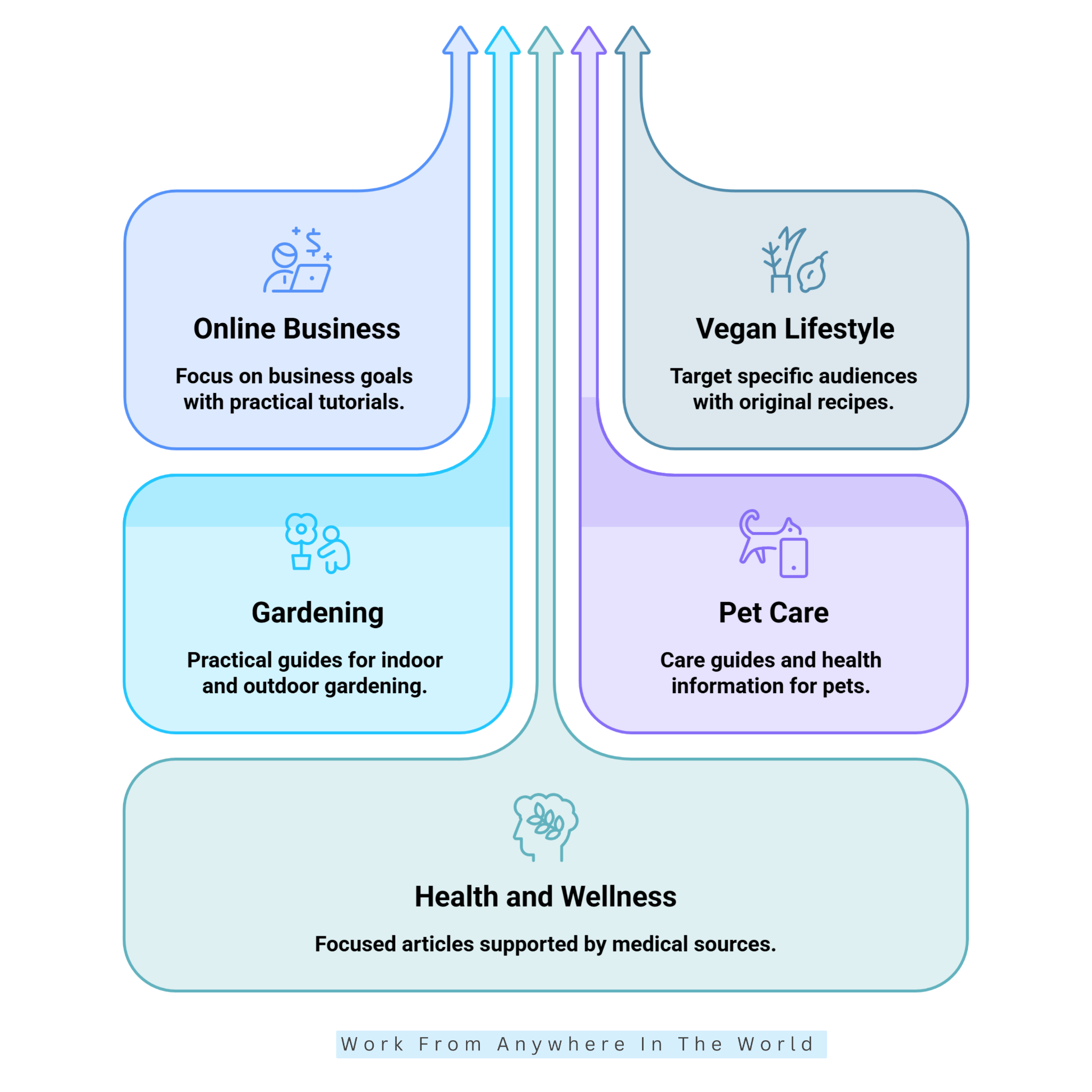
1. Online Business And Digital Entrepreneurship
Building an online business opens the door to many interesting blogging topics. Readers often look for straightforward advice about blogging tools, affiliate marketing, SEO, freelancing, and email marketing.
Think about the questions beginners ask when setting up a website or exploring ways to earn money online. Practical tutorials, honest software comparisons, and easy-to-follow guides give you plenty of opportunities to create helpful content.
For example, you could introduce readers to freelance job websites, explain SEO strategies for affiliate marketing, or demonstrate how email marketing automation works.
This niche also offers several income opportunities, including display advertising, sponsorships, and digital products. You might recommend relevant affiliate marketing programs when they genuinely match your readers’ interests.
The secret is to focus on helping people, not just promoting products. When your articles answer real questions, offer practical solutions, and connect related topics, you’re building a useful resource that readers and search engines have good reasons to value.
2. Vegan Lifestyle And Plant-Based Living
Vegan living gives bloggers plenty to write about, especially when they focus on everyday challenges and practical solutions. Some readers are just beginning their journey, while others want to learn more about the benefits of a plant-based diet.
Food is a natural starting point because people are always looking for fresh ideas for breakfast, lunch, and dinner. Original recipes, ingredient substitutions, cooking tips, and vegan meal plans offer useful content readers can return to for inspiration.
If you enjoy writing about family life, you could share experiences and advice about raising vegan kids. Recipe bloggers might explore plant-based breakfast ideas or show how to prepare satisfying meals with familiar ingredients.
You can also earn income through advertising, relevant affiliate partnerships, sponsored articles, and vegan recipe e-books. The important thing is to recommend products and resources you genuinely believe will benefit your audience.
A successful vegan blog feels welcoming, not overwhelming. When you share practical advice, trustworthy information, and a little personal experience, you create content that people enjoy reading, searching for, and returning to.
Wealthy Affiliate – Mini Review
If you’ve ever thought about turning your blog, passion, or niche into an online business,
Wealthy Affiliate (WA) is one of the most beginner-friendly platforms I’ve used.
It combines step-by-step training, website hosting, AI-powered tools,
keyword research, and an active community all in one place.
What I like most is that you can start for free (no credit card needed), explore the platform,
test the tools, and connect with other entrepreneurs before upgrading.
WA isn’t a “get rich quick” scheme — success comes from consistent effort
and applying what you learn over time.
3. Gardening, Nature, And Natural Living
If you love gardening, spending time outdoors, or exploring natural ways of living, you’ll never run out of interesting subjects to write about.
From growing your first vegetables to creating a more peaceful home environment, this niche offers plenty of opportunities to share your knowledge.
Gardeners often search for solutions to problems they’re facing right now. You could explain container gardening, share advice about vegetable garden soil, or introduce readers to natural garden pest control.
Seasonal planting guides are another wonderful way to help readers throughout the year. Not everyone has a large garden, and that’s where smaller growing spaces become interesting.
Articles about indoor orchid care or the best vegetables for container gardens appeal to people who enjoy growing plants at home. Your own photographs and experiences can make these guides particularly useful.
Natural living also reaches beyond the garden. You might explore holistic lifestyle tips, introduce natural therapies for physical and emotional well-being, or share simple mindfulness practices.
When discussing wellness, distinguish personal experiences and traditional beliefs from established scientific evidence. There’s also something special about helping readers rediscover the outdoors.
Topics such as stress relief through nature, healing gardens, and the benefits of spending time outdoors invite you to combine practical advice with personal stories and beautiful photographs.
As your blog grows, income opportunities might include advertising, relevant affiliate partnerships, workshops, and downloadable gardening guides.
This niche is rewarding because it lets you share something you genuinely enjoy while creating useful, searchable content readers appreciate.
4. Pet Care And Animal Wellness
Anyone who shares their home with animals knows how quickly they become part of the family. Pet care is a rewarding blogging niche because pet parents want reliable advice about keeping their companions happy and healthy.
You could write about caring for puppies, supporting senior pets, or helping rescued animals settle into a new home. Practical tips and personal experiences make these articles useful to readers facing similar challenges.
Holistic animal wellness offers another interesting direction. Topics such as Reiki for dogs, energy healing for cats, and Reiki for horses appeal to pet parents interested in complementary approaches to animal well-being.
When writing about these practices, explain what they involve and respect each animal’s comfort and individual needs. Make it clear that holistic approaches complement responsible veterinary care rather than replace it.
You could also explore animal chakras, sound healing for pets, and Reiki for rabbits. These topics introduce readers to traditional wellness concepts and encourage thoughtful, choice-based interactions with their animal companions.
Several ways to earn income from a pet care blog exist. As your readership grows, advertising, pet-product affiliate partnerships, sponsorships, and downloadable guides offer income opportunities.
With suitable training and experience, you might even start an animal Reiki business or create educational resources for pet parents. Focus on sharing useful knowledge rather than promising results that complementary practices cannot guarantee.
A trustworthy pet care blog puts animal welfare first. Combine accurate information, practical advice, and genuine experiences to create SEO-friendly content readers have good reasons to revisit.
5. Health And Wellness
Health and wellness are popular blogging topics because people want practical ways to feel better in everyday life. You could focus on healthy habits, balanced nutrition, exercise, relaxation, or emotional well-being.
Many readers struggle with stress, making it a useful topic to explore. Articles on effective stress management techniques, stress-relief activities, and reducing stress through yoga offer ideas people can try in their daily routines.
Mindfulness is another area worth exploring, especially for readers who want to slow down and make time for themselves. You could explain ways to practice mindfulness or introduce simple relaxation techniques that fit into a busy schedule.
If nutrition interests you, consider writing about vegan nutrition and plant-based protein sources. Fitness enthusiasts could share beginner-friendly vegan fitness routines, exercise tips, and realistic ways to stay active.
A health and wellness blog may earn income through advertising, relevant affiliate partnerships, sponsorships, and educational digital products. Choose recommendations carefully, especially when discussing supplements, fitness equipment, or wellness services.
Health advice deserves particular attention because readers may use it to make important personal decisions. Rely on reputable medical sources, explain information clearly, and seek qualified professional review when necessary.
The best approach is to help readers make informed choices without promising quick fixes or guaranteed results. Accurate information, useful examples, and a welcoming writing style make your content more valuable and trustworthy.
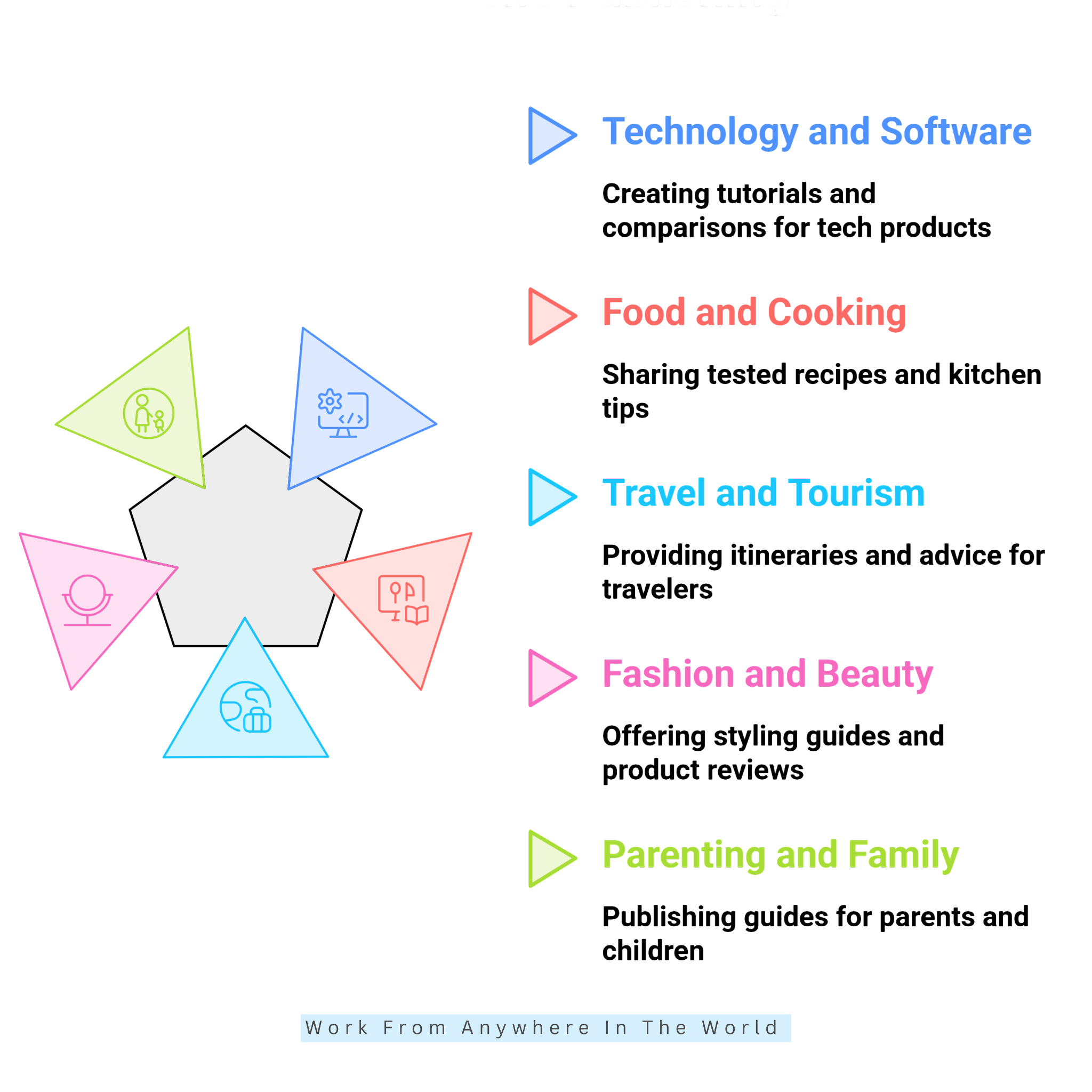
6. Technology And Software
Technology changes quickly, and many people need help keeping up with new tools and software. If you enjoy exploring digital products, you could write about website builders, artificial intelligence, graphic design, and applications that make everyday work easier.
Beginners often appreciate tutorials that explain things without complicated technical language. Guides on how to use Canva or Semrush let readers build useful digital skills at their own pace.
Screenshots, clear instructions, and practical examples make a big difference. Showing readers exactly where to click and what to expect is often more helpful than describing a long list of features.
Software reviews offer another interesting direction. You could compare video editing software, evaluate WordPress image optimization plugins, or recommend blogging tools for different needs and experience levels.
People also search for ways to work more efficiently. Articles on freelancer productivity tools, time management strategies, and digital workflow organization offer practical solutions to everyday challenges.
Technology blogs may generate income through software affiliate programs, advertising, sponsorships, and digital tutorials. Honest comparisons and firsthand experience help readers decide which products are worth considering.
The most useful technology articles make complicated tasks feel manageable. When you explain features clearly, show how tools work, and keep tutorials updated, you create SEO-friendly content that stays valuable as technology evolves.
7. Food And Cooking
Food brings people together, and there’s always something new to discover in the kitchen. Whether you enjoy creating plant-based recipes, baking, or exploring traditional dishes from different cultures, food blogging offers endless inspiration.
Many readers search for recipes that fit their daily routines and family preferences. Collections of plant-based breakfast recipes, vegan soup recipes for kids, and vegan dinner ideas give them practical choices for every meal.
Cooking doesn’t have to be expensive, either. You could introduce affordable vegan meals or share advice on vegan cooking on a budget. Simple ingredients, thoughtful meal planning, and creative ways to use leftovers make these articles especially helpful.
If baking is your passion, there’s plenty of room to experiment. A beginner-friendly vegan baking guide, healthy vegan desserts for kids, and sugar-free vegan dessert ideas appeal to readers with different tastes and dietary preferences.
Of course, a good recipe needs more than an appealing photograph. Test your dishes, include accurate measurements, and explain each step clearly so readers feel confident preparing them.
Preparation times, ingredient substitutions, storage advice, and well-organized recipe categories add even more value. Your own photographs also help readers see what the finished dish should look like.
Food bloggers can earn income through advertising, kitchen-product affiliate partnerships, sponsored articles, cooking classes, and recipe e-books. Recommend products you actually find useful and keep your readers’ needs in mind.
Over time, a collection of reliable recipes becomes a resource people return to for inspiration. Clear instructions, helpful details, and well-chosen search keywords also make your recipes easier for new readers to discover.
8. Travel And Tourism
Travel opens the door to new places, cultures, and unforgettable experiences. If you enjoy exploring the world, you could build a blog around budget adventures, family vacations, solo travel, or destinations you know particularly well.
Destination guides are a wonderful place to start. Share your favourite attractions, accommodation options, transportation tips, and local experiences to help readers plan their trips with confidence.
You could also create detailed itineraries for weekend getaways or longer holidays. Original photographs, personal recommendations, and practical advice give readers a clearer picture of what to expect before they leave home.
For people who dream of travelling while earning an income, another interesting direction to explore is travel work. Articles about the best travel jobs and how digital nomads make money introduce different ways to combine work with travel.
You might want to turn your own adventures into a business. You could explain how to make money through travel blogging or explore affiliate marketing for travel bloggers. These guides help beginners understand the opportunities and work involved.
As your audience grows, advertising, travel-booking affiliate partnerships, sponsorships, and downloadable itineraries can provide additional income. Choose recommendations carefully and be transparent about any commercial relationships.
A travel blog becomes especially useful when readers feel they can rely on your advice. Share genuine experiences, check important travel details, and organize your articles around questions people ask when planning a trip.
Pair personal stories with practical information to make your writing enjoyable and searchable. It also gives readers a reason to return when they’re ready to plan their next adventure.
9. Fashion And Beauty
Fashion and beauty are wonderful subjects for bloggers who enjoy creativity and personal expression. You could write about affordable clothing, sustainable fashion, skincare routines, makeup techniques, or finding a personal style that feels comfortable and authentic.
Beauty lovers have plenty of opportunities to share what they’ve learned. Beginner-friendly makeup tutorials, skincare guides, honest product comparisons, and seasonal beauty tips help readers discover what works for them.
If you’ve always wanted to share your passion online, learning how to start a beauty blog is a great first step. You can build your articles around personal experiences, useful advice, and products you’ve tried yourself.
Fashion offers just as much variety. Consider writing about capsule wardrobes, caring for favourite clothing, shopping more sustainably, or creating different outfits from a few versatile pieces.
Some readers may even want to turn their interest in clothing into a business. A guide to starting an online clothing store could help them choose products, build a website, and reach potential customers.
Once they’ve decided to sell online, they’ll need a store that looks appealing and works well. Comparing Shopify themes for clothing brands helps aspiring entrepreneurs explore designs that suit their products and customers.
Fashion and beauty blogs may earn income through affiliate partnerships, advertising, brand collaborations, sponsored articles, and downloadable styling guides. Honest recommendations matter most when readers are considering products they haven’t tried before.
Original photographs, personal experiences, and practical advice give your articles a distinctive voice. By answering specific questions and understanding what readers search for, you can create SEO-friendly content that inspires confidence and encourages repeat visits.
9. Fashion And Beauty
Fashion and beauty are about more than following the latest trends. They’re also about creativity, confidence, and finding what suits your personality. If you enjoy these subjects, you could build a blog around affordable fashion, sustainable clothing, skincare, or personal styling.
Beauty enthusiasts often look for advice they can use at home. Makeup tutorials, skincare routines for different skin types, and honest product comparisons give readers practical guidance without overwhelming them with choices.
You could also explore seasonal skincare, beginner-friendly makeup techniques, and choosing beauty products for different budgets. Sharing your own experiences and original photographs makes your recommendations more personal and relatable.
If you’re considering creating a website, a guide on how to start a beauty blog offers a useful starting point. From choosing a niche to planning your first articles, there’s plenty to learn and share along the way.
Fashion blogging opens up a different set of possibilities. Capsule wardrobes, affordable outfit ideas, clothing care, and sustainable shopping tips appeal to readers who want to look stylish without constantly buying new clothes.
You might show how to style one outfit for several occasions or build a practical wardrobe with versatile pieces. Photographs, outfit combinations, and realistic shopping advice help readers put your suggestions into practice.
For those interested in entrepreneurship, fashion blogging can also lead to online retail. Articles about starting an online clothing store introduce readers to choosing products, creating a brand, and setting up an e-commerce website.
As a store takes shape, its design becomes another key consideration. Comparing Shopify themes for clothing brands helps entrepreneurs choose layouts, product displays, and shopping features that suit their businesses.
Income opportunities include affiliate marketing, advertising, brand partnerships, sponsored articles, and downloadable styling guides. Choose collaborations that reflect your interests and clearly disclose commercial relationships to maintain readers’ trust.
A memorable fashion or beauty blog combines useful information with a recognizable personal style. By answering specific questions, sharing genuine experiences, and creating helpful visual content, you give readers something more valuable than another list of trends.
These qualities also strengthen your SEO content writing. Detailed tutorials, descriptive headings, original images, and relevant keywords help people discover your articles and enjoy the experience once they arrive.
Conclusion
Writing SEO-friendly content is about more than choosing the right keywords or following a checklist. It’s about understanding what your readers are looking for and giving them information they can genuinely use.
Start with a clear topic, organize your ideas, and write in a way that feels natural. Relevant keywords, helpful examples, and thoughtful internal links make your content easier to navigate and understand.
Remember that SEO and GEO work best when they support good writing rather than control it. You don’t need to master every technique at once. Small improvements to your content, structure, and presentation add up over time.
Keep learning from your results and updating older articles when necessary. Search engines and AI-powered search tools will keep evolving, but useful, trustworthy content remains a worthwhile investment.
I trust you enjoyed this guide on how to write SEO-friendly content: 11 Proven Strategies. Please stay tuned for more practical tips on affiliate marketing, online business, and working from anywhere in the world.
Take care!
— JeannetteZ 🌍✨
💬 Your Opinion Is Important To Me
Do you have thoughts, ideas, or questions? I’d love to hear from you. Please leave your comments below or email me directly at Jeannette@WorkFromAnywhereInTheWorld.com.
📚 More Work From Anywhere Reads
🚀 Ready to Build a Business You Can Run from Home
Or from Anywhere in the World?
Imagine creating income on your terms — from home, a cozy café, or wherever life takes you.
With the right tools, training, and community support, it’s entirely possible.
Start your own online business for free — no credit card needed.
Disclosure
This post may contain affiliate links. As an Amazon Associate and participant in other affiliate programs, I earn from qualifying purchases at no extra cost to you. Please read my full affiliate disclosure.