
How To Choose An Online Language Teacher: 15 Practical Tips
Learning how to choose an online language teacher can transform your language-learning experience. A skilled instructor helps you build confidence, improve communication, and stay motivated throughout your lessons.
With thousands of tutors available, finding the right match can feel overwhelming at first. Knowing what to look for makes the selection process easier and helps you avoid common mistakes.
This guide shares 15 practical, beginner-friendly tips for choosing the right instructor. You’ll discover which questions to ask and how to find a teacher who matches your goals, learning style, schedule, and budget.
1. Read Student Reviews Carefully
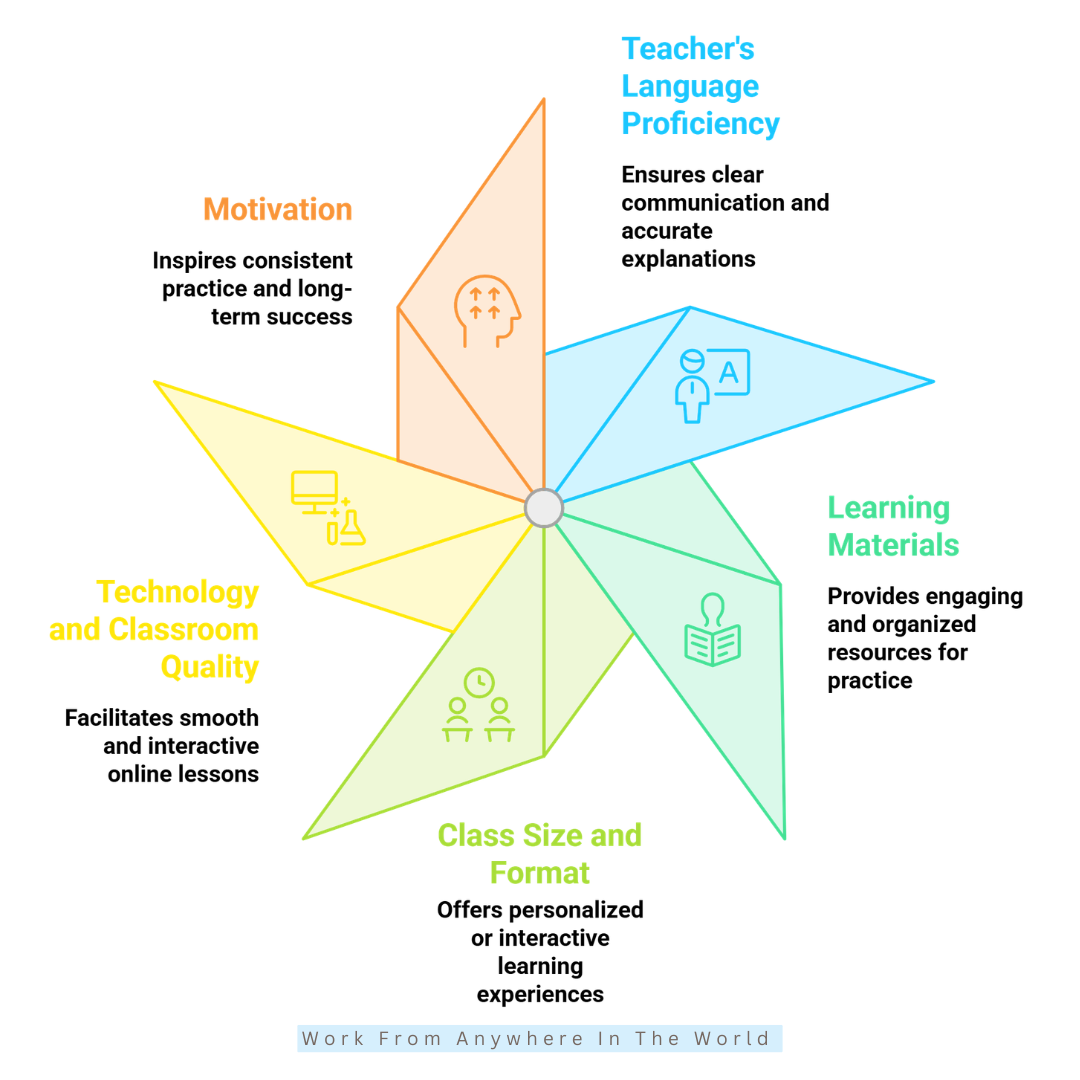
Student reviews offer valuable insight into a teacher’s real classroom experience. While profiles often highlight qualifications and achievements, reviews show what lessons actually feel like.
They can help you understand whether the teacher explains concepts clearly, encourages conversation, provides useful feedback, and maintains a supportive learning environment.
Consistent positive comments from learners with goals similar to yours often indicate a reliable instructor. Looking beyond the overall rating also helps you identify strengths that matter most for your personal learning journey.
What To Look For
When reading student reviews, pay attention to the following details:
- Detailed feedback: Look for informative reviews rather than short comments such as “Great teacher.” Specific experiences provide a clearer picture of teaching quality.
- Patience and communication: Notice repeated praise for patience, clear explanations, and effective communication.
- Lesson organization: Check whether students describe well-organized lessons that support their individual learning goals.
- Pronunciation guidance: Look for comments about pronunciation corrections, speaking practice, and helpful feedback.
- Long-term progress: Reviews mentioning improvements over several months are especially valuable because they reflect consistent teaching quality.
- Adaptability: Positive experiences from students with different backgrounds may indicate that the teacher works effectively with a wide range of learners.
Practical Example
Imagine you’re preparing for the IELTS exam. One tutor has hundreds of five-star reviews, but most students mention casual conversation practice rather than structured exam preparation.
Another tutor has fewer reviews, yet many students specifically describe improving their IELTS speaking scores after several months of lessons. Their feedback also highlights the teacher’s experience with exam preparation.
Even with fewer total reviews, the second teacher may be the stronger match because their experience aligns closely with your learning objective. This example shows why relevant feedback often matters more than the number of five-star ratings.
2. Check Qualifications And Certifications
Qualifications demonstrate that a teacher has invested time in understanding language instruction and effective teaching methods. They can provide additional confidence in a tutor’s professional background.
Although certificates alone cannot guarantee an excellent learning experience, they often reflect formal training in teaching techniques. Combined with practical experience, recognized certifications suggest that an instructor understands lesson planning and learner development.
These qualifications may also indicate familiarity with communication strategies that support long-term improvement. However, teaching experience and the ability to adapt lessons remain equally important.
What To Look For
When reviewing a teacher’s professional background, consider the following:
- Educational background: Check for relevant university degrees and formal studies in languages, education, or linguistics.
- Teaching certifications: Look for recognized credentials, such as CELTA, which provides practical training in teaching English to speakers of other languages.
- Specialized training: Consider additional qualifications in business communication, academic writing, or examination preparation.
- Practical teaching experience: Look for instructors who have successfully worked with learners at your proficiency level.
- Relevant expertise: Choose someone whose professional knowledge aligns with your specific language-learning objectives.
Specialized knowledge can make lessons more focused, practical, and relevant to your personal or professional goals.
Practical Example
Suppose you need professional English for international meetings, presentations, and workplace discussions. Your ideal teacher should understand the communication challenges professionals face in international business environments.
An instructor experienced in coaching business professionals can provide targeted exercises, realistic meeting scenarios, and workplace communication lessons. These activities help you develop vocabulary and speaking confidence for professional situations.
By comparison, a teacher who focuses exclusively on everyday conversation may not offer the specialized guidance you need. Choosing someone with relevant qualifications and practical experience can make your lessons more productive.
3. Evaluate The Teaching Style
Every learner has different preferences when learning a new language. Some enjoy structured grammar lessons, while others prefer conversations, storytelling, role-playing, or interactive activities.
A teaching approach that matches your preferences can make lessons more engaging and enjoyable. It also provides opportunities to practice new vocabulary, pronunciation, and grammar patterns in meaningful situations.
When you feel comfortable with an instructor’s teaching methods, maintaining a consistent learning routine becomes easier. The right approach should support your goals while encouraging you to develop new skills.
What To Look For
Read the teacher’s profile carefully and consider the following:
- Lesson structure: Determine whether lessons follow a structured curriculum or allow flexibility based on individual progress.
- Conversation practice: Check whether the teacher encourages speaking from the first lesson or gradually introduces conversation activities.
- Grammar instruction: Look for an approach that balances grammar explanations with opportunities to apply what you’ve learned.
- Interactive activities: Consider whether lessons include storytelling, role-playing, discussions, or practical exercises.
- Learning preferences: Choose an instructor willing to adjust teaching methods to your interests, goals, and preferred activities.
- Lesson engagement: Look for teachers who make learning enjoyable while maintaining clear educational objectives.
A suitable teaching style should provide enough structure to support progress without making lessons feel repetitive or overwhelming.
Practical Example
A learner who enjoys visual materials may appreciate lessons that include presentations, diagrams, illustrated vocabulary exercises, and digital whiteboards. These resources can make unfamiliar concepts easier to understand and review.
Meanwhile, someone preparing for international travel might benefit from conversation-based sessions featuring realistic daily situations. Practicing how to order food, ask for directions, or make hotel reservations can build practical communication skills.
Both approaches can be effective, depending on the learner’s preferences and objectives. The key question is whether the instructor’s methods keep you engaged while you develop the language skills you need.
4. Consider Communication Skills
Strong communication skills form the foundation of every successful language lesson. An effective teacher explains difficult concepts in simple language, encourages questions, and creates an environment where learners feel comfortable making mistakes.
Clear communication reduces confusion, builds confidence, and helps each lesson progress naturally without unnecessary frustration. It also helps students understand their mistakes and recognize areas where they need additional practice.
A teacher who communicates effectively can adjust explanations to your language proficiency and learning pace. This creates a supportive atmosphere where you feel encouraged to participate and develop your speaking abilities.
What To Look For
When evaluating a teacher’s communication skills, consider the following:
- Clear explanations: Look for someone who simplifies difficult concepts without overwhelming learners with technical terminology.
- Active listening: Notice whether the instructor listens attentively and takes time to understand your questions.
- Thoughtful responses: Choose a teacher who provides helpful answers and explains unfamiliar ideas patiently.
- Encouraging interaction: Look for instructors who invite questions and encourage participation instead of delivering lengthy lectures.
- Constructive feedback: Check whether corrections are explained clearly and delivered in a supportive manner.
- Adaptability: Consider whether the teacher adjusts their communication style to your proficiency level and individual needs.
Effective communication should feel like a two-way conversation rather than a lecture. You should feel comfortable asking questions, requesting clarification, and participating throughout the lesson.
Practical Example
Imagine you’re struggling with the pronunciation of unfamiliar English sounds. A skilled language teacher might demonstrate mouth positioning, explain how the tongue and lips should move, and patiently repeat difficult sounds.
The instructor could then introduce short pronunciation exercises, listening activities, and familiar words containing those sounds. Practicing them in different contexts helps you recognize pronunciation patterns and develop greater confidence.
Rather than simply correcting every mistake, a supportive teacher explains what needs improvement and gives you time to practice independently. This approach makes pronunciation lessons more productive while helping you feel comfortable learning from mistakes.
5. Make Sure The Lesson Structure Fits Your Learning Style
A well-organized lesson keeps language learning focused, enjoyable, and productive. Rather than jumping randomly between topics, effective teachers guide students through a logical progression that builds knowledge and confidence.
Each lesson should reinforce previously learned material while introducing new vocabulary, grammar, and communication skills at a manageable pace. This approach helps students understand how different language concepts connect.
Structured lessons also make it easier to recognize improvements and maintain motivation. When each session builds naturally upon earlier achievements, learners can develop their abilities without feeling overwhelmed.
What To Look For
When evaluating a teacher’s lesson structure, consider these important elements:
- Personalized learning plans: Look for instructors who organize lessons around your objectives, interests, and current proficiency level.
- Structured curriculum: Check whether the teacher follows a clear learning progression instead of introducing unrelated topics.
- Textbook integration: Determine whether textbooks support the lessons while allowing flexibility for individual learning needs.
- Regular review sessions: Choose teachers who revisit previously covered material to reinforce understanding and retention.
- Homework assignments: Look for meaningful exercises that encourage independent learning between scheduled lessons.
- Vocabulary practice: Consider whether new words and expressions are introduced gradually and reviewed regularly.
- Speaking activities: Check whether lessons provide opportunities to apply vocabulary and grammar through conversation.
A thoughtful lesson plan should balance structure with flexibility. Teachers should be willing to adjust their approach when students need additional explanations or more time to master a particular concept.
Practical Example
A beginner learning Spanish may benefit from lessons that gradually introduce greetings, everyday vocabulary, basic sentence construction, and simple listening exercises. These foundational skills prepare students for more advanced communication activities.
Over several weeks, the teacher might introduce short conversations, pronunciation exercises, and practical situations such as shopping or ordering food. Each lesson builds upon familiar material while introducing manageable challenges.
This progressive approach is generally more effective than covering unrelated topics in every session. It allows learners to practice new skills, review earlier lessons, and gradually become more confident using Spanish in everyday situations.
6. Book A Trial Lesson Before Making A Decision
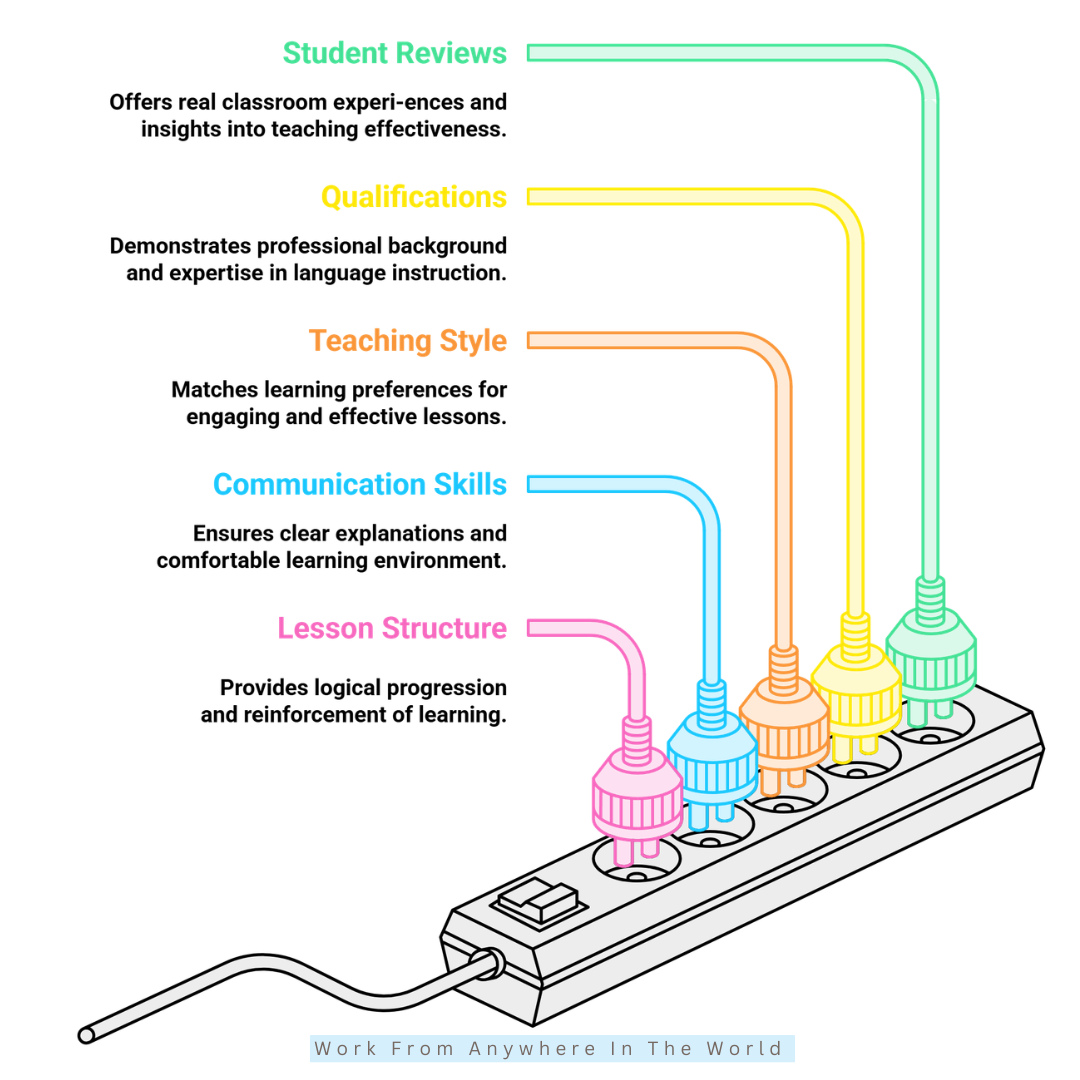
A teacher’s profile can tell you a lot, but a trial lesson reveals what the actual learning experience feels like. It allows you to evaluate teaching methods, communication skills, lesson structure, and the overall classroom atmosphere.
Before committing to a package, you can discover whether the instructor explains ideas clearly, encourages participation, and creates a supportive learning environment. This firsthand experience helps you make a more informed decision.
Even a short session can reveal whether the teacher understands your expectations and makes learning enjoyable. Finding someone you feel comfortable with is especially important when you plan to study together for several months.
Many online teaching platforms let you explore instructor profiles and compare teaching options. Check whether trial lessons are available before committing to regular sessions.
What To Look For
During a trial lesson, pay attention to these important details:
- Goal assessment: Does the instructor begin by asking about your language-learning objectives and expectations?
- Experience evaluation: Does the teacher assess your current proficiency and previous learning experience?
- Personalized instruction: Are activities adjusted to your strengths, challenges, and individual needs?
- Clear explanations: Does the instructor explain unfamiliar concepts patiently and in understandable language?
- Student participation: Are you encouraged to speak, ask questions, and participate actively throughout the lesson?
- Lesson organization: Do activities follow a logical progression without unnecessary interruptions or confusion?
- Constructive feedback: Does the teacher offer helpful corrections and explain how you can improve?
- Future planning: Does the instructor suggest realistic learning goals or outline a potential study plan?
A successful trial lesson should leave you feeling comfortable, encouraged, and confident about continuing your language-learning journey.
Practical Example
Imagine booking a 30-minute trial lesson with an English tutor. The instructor spends the first few minutes discussing your objectives, previous learning experiences, and areas where you would like to improve.
Next, the teacher evaluates your speaking ability through a relaxed conversation. When pronunciation difficulties arise, they patiently demonstrate the correct sounds and introduce simple exercises to help you practice.
Before finishing, the instructor explains your strengths, identifies areas requiring additional attention, and outlines a personalized study plan. They may also recommend suitable activities between lessons to support your progress.
This thoughtful approach demonstrates genuine interest in your long-term development. It also gives you a realistic impression of what regular lessons with that instructor might involve.
7. Compare Lesson Prices With The Value Offered
Price is an important consideration when choosing an online language teacher, but the lowest hourly rate isn’t necessarily the best investment. Teaching quality and additional learning support can make a significant difference.
A slightly more expensive instructor may provide structured lessons, personalized learning materials, detailed feedback, and ongoing support. These resources can help you make steady progress while developing greater confidence in your language abilities.
Comparing the overall value of each learning experience rather than focusing exclusively on cost often leads to more satisfying results. The goal is to find a teacher who offers the right balance of affordability, quality, and individual attention.
What To Look For
When comparing lesson prices, consider what each instructor includes:
- Lesson preparation: Check whether the teacher prepares customized activities or follows a standard textbook without additional planning.
- Personalized materials: Look for vocabulary lists, worksheets, and learning resources tailored to your proficiency level.
- Homework assignments: Determine whether independent exercises are included to reinforce what you’ve learned during lessons.
- Lesson summaries: Consider whether the instructor provides notes highlighting important vocabulary, grammar concepts, and corrections.
- Pronunciation recordings: Look for audio resources that allow you to review difficult sounds and practice speaking between classes.
- Progress tracking: Check whether the teacher monitors your development and adjusts future lessons accordingly.
- Additional support: Find out whether personalized study recommendations or occasional questions between lessons are included.
These additional resources can make each lesson more valuable and encourage independent learning. However, you should also consider whether you will realistically use the materials provided.
Practical Example
Imagine comparing two online language teachers with different hourly rates. Teacher A charges less but follows a textbook during every session, offering limited feedback and few opportunities for personalized learning.
Teacher B charges slightly more but prepares a customized learning plan based on your goals. After each class, the instructor tracks your progress, provides revision exercises, and recommends activities to strengthen areas requiring improvement.
Over several months, Teacher B may offer greater educational value because the additional guidance supports consistent development. Even though the lessons cost more, the personalized approach could help you achieve your learning objectives more efficiently.
8. Check Scheduling Flexibility
Consistency plays a major role in language learning, so choosing a teacher whose schedule fits comfortably into your routine is essential. Regular lessons help reinforce new vocabulary, grammar concepts, and speaking skills.
Flexible availability makes it easier to maintain your learning routine, even when work, school, or personal commitments change. A teacher who offers convenient scheduling options can help you avoid unnecessary interruptions.
Developing effective time management skills can also help you balance language lessons with other responsibilities. Planning your study sessions in advance allows you to maintain steady progress without feeling overwhelmed.
What To Look For
When reviewing a teacher’s availability, consider the following:
- Convenient lesson times: Look for sessions that fit your work, school, and personal commitments without creating unnecessary stress.
- Flexible scheduling: Choose instructors who offer lessons on different days or at various times throughout the week.
- Time zone compatibility: Check whether the teacher’s availability aligns with your local time zone, especially when studying with someone overseas.
- Cancellation policies: Review how much notice is required to cancel a lesson and whether any restrictions apply.
- Rescheduling options: Find out whether you can move lessons when unexpected responsibilities arise.
- Consistent availability: Look for teachers who can accommodate regular weekly sessions to support continuous learning.
- Professional reliability: Consider whether the instructor starts lessons on time and communicates scheduling changes promptly.
Reliable scheduling reflects professionalism and respect for students’ time. It also helps establish a predictable learning routine that supports long-term improvement.
Practical Example
Imagine you’re a working professional who wants to improve your Spanish while managing a demanding full-time job. Evening classes during weekdays may be the most convenient option for your regular lessons.
However, occasional work meetings or family commitments might interfere with your usual schedule. A teacher who also offers weekend appointments and reasonable rescheduling options provides valuable flexibility.
These alternatives make it easier to keep learning consistently throughout the year. Instead of missing lessons whenever your routine changes, you can adjust your schedule while maintaining steady progress toward your language-learning goals.
Wealthy Affiliate – Mini Review
If you’ve ever thought about turning your blog, passion, or niche into an online business,
Wealthy Affiliate (WA) is one of the most beginner-friendly platforms I’ve used.
It combines step-by-step training, website hosting, AI-powered tools,
keyword research, and an active community all in one place.
What I like most is that you can start for free (no credit card needed), explore the platform,
test the tools, and connect with other entrepreneurs before upgrading.
WA isn’t a “get rich quick” scheme — success comes from consistent effort
and applying what you learn over time.
9. Look For Personalized Learning Plans
Every language learner has unique strengths, interests, and goals. Personalized lessons focus on your individual needs instead of following the same teaching plan for every student.
This tailored approach keeps lessons relevant, boosts motivation, and lets you spend more time developing the skills that matter most. It also helps teachers identify areas where additional guidance or practice may be necessary.
Learning becomes more meaningful when examples and activities connect with your daily life, interests, or career. A personalized learning plan should also evolve as your confidence and language proficiency improve.
Setting clear learning objectives is equally important. Using SMART goals for time management can help you establish realistic milestones and monitor your progress throughout your language-learning journey.
What To Look For
When evaluating personalized learning plans, consider these important factors:
- Individual learning goals: Look for teachers who ask about your objectives before developing a lesson plan.
- Personal interests: Choose instructors who incorporate topics you enjoy, making lessons more engaging and meaningful.
- Flexible learning pace: Check whether lessons can be adjusted when you need additional explanation or want to progress more quickly.
- Regular progress reviews: Look for teachers who periodically assess your development and identify areas requiring improvement.
- Customized activities: Consider whether exercises and assignments reflect your personal or professional communication needs.
- Goal adjustments: Find out whether the instructor updates your learning plan as your skills and priorities change.
- Practical applications: Choose teachers who include realistic situations where you can apply your developing language abilities.
A personalized learning plan should provide direction while remaining flexible enough to accommodate changing needs. Teachers who regularly update lesson content demonstrate a commitment to your progress rather than simply completing a standard curriculum.
Practical Example
Imagine you’re preparing for international business meetings and need to communicate confidently with colleagues from different countries. Your teacher might focus on negotiation vocabulary, professional writing, presentations, and workplace conversations.
Lessons could include simulated meetings, business email exercises, and role-playing activities involving common professional situations. These exercises allow you to practice language skills directly related to your career objectives.
Another learner planning an overseas vacation may have completely different priorities. Their lessons might emphasize travel vocabulary, hotel reservations, restaurant conversations, transportation, and asking for directions.
Both learners benefit from personalized instruction because their lessons address situations they are likely to encounter. This targeted approach makes language learning more practical, motivating, and relevant to their individual goals.
10. Assess The Quality Of Feedback
Constructive feedback helps transform mistakes into valuable learning opportunities. Rather than simply pointing out errors, an effective language teacher explains why they occurred and demonstrates practical ways to improve.
Regular, encouraging feedback allows students to measure their progress, strengthen weaker areas, and develop greater confidence. It also helps learners recognize patterns in their mistakes and understand which skills require additional attention.
Small improvements become easier to recognize when guidance is clear, consistent, and relevant to individual learning goals. A supportive teacher should make corrections feel like a natural part of learning rather than a reason to feel discouraged.
What To Look For
When evaluating a teacher’s feedback, pay attention to the following qualities:
- Clear explanations: Look for instructors who explain mistakes in understandable language rather than simply providing the correct answer.
- Pronunciation guidance: Check whether the teacher demonstrates difficult sounds and offers practical exercises to improve pronunciation.
- Grammar corrections: Choose teachers who explain grammatical errors using examples that help you understand the underlying rules.
- Vocabulary development: Look for suggestions that introduce more natural expressions, appropriate word choices, and useful alternatives.
- Fluency improvement: Consider whether the instructor helps you speak more naturally without interrupting every sentence.
- Balanced encouragement: Effective teachers recognize achievements while identifying areas that still require improvement.
- Practical recommendations: Look for specific exercises or activities that help you apply corrections between lessons.
- Consistent progress reviews: Check whether the teacher revisits earlier challenges to determine whether your skills are improving.
The most helpful feedback is specific, constructive, and easy to apply during future conversations. It should also match your proficiency level so that corrections remain manageable rather than overwhelming.
Practical Example
Imagine completing a speaking exercise with your online English teacher. Instead of focusing entirely on mistakes, the instructor begins by highlighting improvements in your pronunciation, sentence construction, and overall confidence.
Next, the teacher explains two recurring grammar mistakes using simple examples. They also suggest more natural vocabulary choices and demonstrate how these expressions can improve everyday conversations.
Before the lesson ends, the instructor recommends a short practice activity targeting the areas discussed. During your next session, they review your progress and provide additional guidance where necessary.
This combination of encouragement, clear explanations, and practical exercises creates opportunities for continuous improvement. It also helps you understand how each lesson contributes to your broader language-learning goals.
11. Verify The Teacher’s Language Proficiency
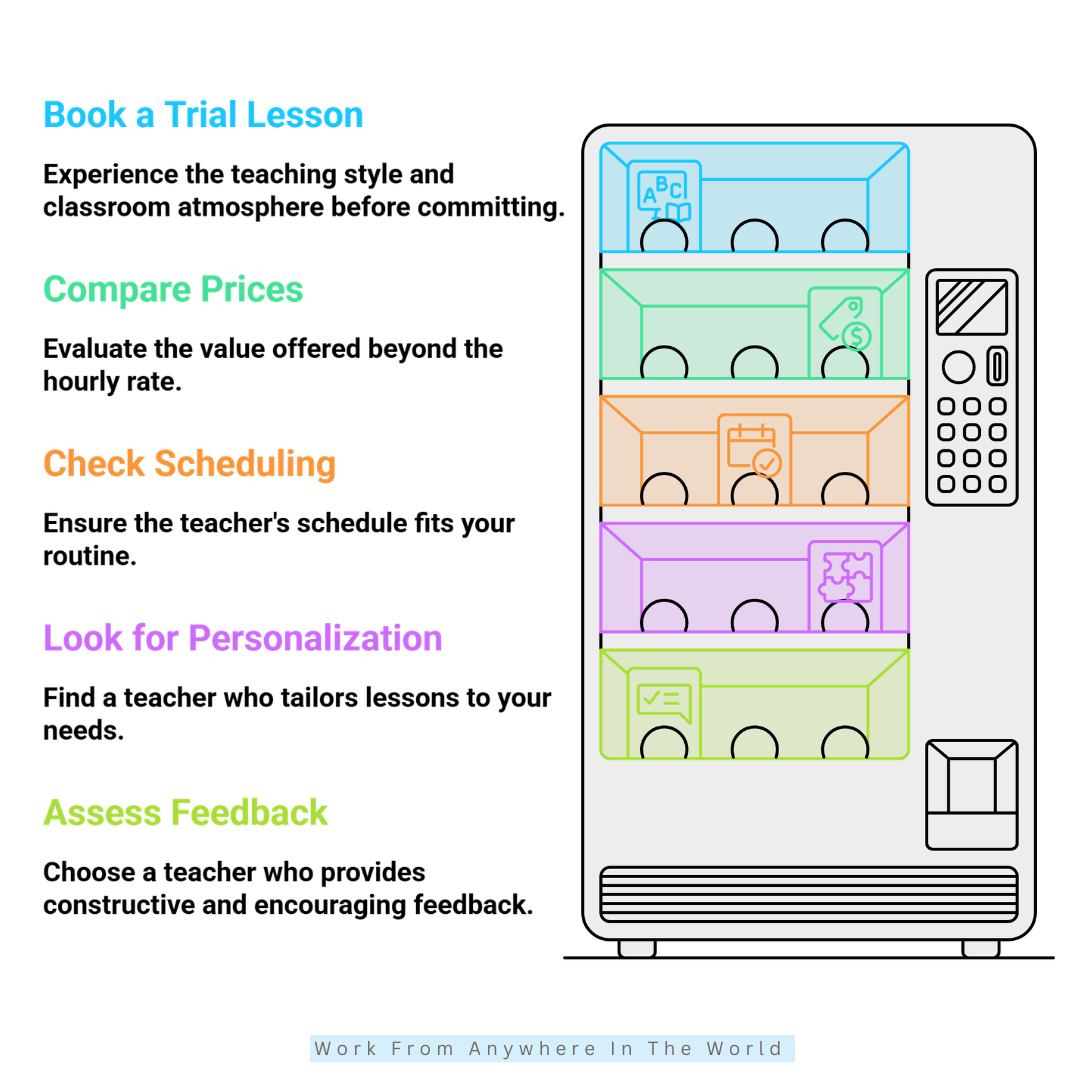
A teacher’s language proficiency directly influences the quality of every lesson. Strong speaking, listening, reading, and writing skills allow instructors to explain grammar accurately, introduce natural vocabulary, and demonstrate correct pronunciation.
Whether an instructor is a native speaker or highly fluent in the language, what matters most is their ability to communicate clearly. Effective teachers should also help students understand how the language is used in everyday situations.
Confident language skills enable instructors to answer questions naturally, provide meaningful examples, and explain unfamiliar expressions. However, fluency alone doesn’t guarantee excellent teaching abilities, making communication skills equally important.
What To Look For
When evaluating a teacher’s language proficiency, consider the following factors:
- Language fluency: Review the instructor’s profile to understand their proficiency level, educational background, and experience using the language.
- Clear pronunciation: Listen for understandable pronunciation and accurate demonstrations of common sounds and expressions.
- Grammar knowledge: Look for teachers who can explain grammatical structures accurately and provide helpful examples.
- Vocabulary range: Consider whether the instructor uses natural expressions and adjusts vocabulary to your learning level.
- Speaking clarity: Evaluate whether the teacher speaks at a comfortable pace and explains unfamiliar words without unnecessary confusion.
- Listening comprehension: Notice whether the instructor understands your questions and responds appropriately, even when your pronunciation isn’t perfect.
- Teaching demonstrations: Watch introductory videos or recorded lessons to evaluate the instructor’s communication style and teaching approach.
- Practical language experience: Consider whether the teacher can explain how expressions are used in everyday conversations, professional settings, or cultural situations.
Many instructors use introductory videos to demonstrate their teaching style and language abilities. Watching these videos can help you evaluate their pronunciation, communication skills, and overall approach before booking a lesson.
Practical Example
Imagine you’re learning French and comparing two potential instructors. Both teachers appear fluent, but their introductory videos reveal noticeable differences in how they communicate with students.
The first instructor speaks clearly, demonstrates accurate pronunciation, and explains vocabulary using natural examples. They also adjust their speaking speed when introducing unfamiliar expressions, making the explanations easier for beginners to follow.
The second instructor speaks French fluently but offers limited explanations and moves quickly between topics. Although their language proficiency appears strong, their teaching approach may be more challenging for someone who is still developing basic communication skills.
In this situation, the first teacher may provide a more comfortable and productive learning experience. Their ability to combine language proficiency with clear explanations makes lessons easier to understand and encourages greater confidence.
12. Explore The Learning Materials They Use
High-quality learning materials make language lessons more engaging, organized, and effective. Rather than relying entirely on conversation, experienced teachers often combine different resources to support a variety of learning needs.
Textbooks, digital presentations, worksheets, articles, videos, quizzes, and interactive exercises can help students strengthen multiple language skills. Using different materials also keeps lessons interesting and accommodates individual learning preferences.
Modern digital education tools provide additional opportunities for interactive learning, independent practice, and progress tracking. Teachers who incorporate suitable technology can create more engaging experiences both during and between lessons.
Well-designed materials also make it easier to review unfamiliar concepts and reinforce previously learned information. Having access to useful resources between classes encourages consistent practice and greater confidence.
What To Look For
When evaluating the learning materials an instructor provides, consider the following:
- Recognized textbooks: Look for appropriate textbooks that introduce vocabulary, grammar, and communication skills in a logical progression.
- Personalized worksheets: Check whether the teacher creates exercises that address your individual strengths, challenges, and learning objectives.
- Digital presentations: Consider whether visual explanations, diagrams, and interactive slides help clarify unfamiliar language concepts.
- Real-world materials: Look for articles, advertisements, menus, and everyday documents that demonstrate practical language use.
- Audio and video resources: Choose instructors who incorporate listening exercises, pronunciation recordings, and relevant educational videos.
- Interactive activities: Find out whether quizzes, vocabulary games, flashcards, or digital exercises are included to reinforce learning.
- Independent study resources: Check whether you receive homework, revision exercises, or supplementary materials to use between lessons.
- Appropriate difficulty levels: Make sure learning materials match your current proficiency and become more challenging as your skills develop.
Some teachers create their own resources, while others combine internationally recognized textbooks with authentic materials and multimedia activities. The best choice depends on how well these resources support your personal learning goals.
Practical Example
Imagine you’re learning Japanese and want to improve your vocabulary, pronunciation, and reading comprehension. Your instructor combines structured lessons with flashcards, grammar worksheets, pronunciation recordings, and short reading passages.
After each lesson, you receive digital vocabulary cards featuring Japanese characters, pronunciation guidance, and example sentences. The teacher also provides listening exercises to help you recognize common expressions and practice speaking more naturally.
As your abilities improve, the instructor introduces increasingly challenging reading passages and interactive quizzes. These activities reinforce previously learned material while gradually expanding your vocabulary and understanding of sentence structure.
Having access to these resources makes independent practice easier and more productive. Instead of relying entirely on weekly lessons, you can review difficult concepts and continue developing your language skills throughout the week.
13. Consider Class Size And Learning Format
Different learning formats offer distinct advantages, so choose an option that matches your needs. One-on-one lessons provide personalized attention, while small-group classes encourage interaction among multiple learners.
Group lessons also expose students to different accents, speaking styles, and communication approaches. This variety can make conversations more engaging and help learners become comfortable communicating with different people.
Your learning objectives, confidence level, and preferred environment all influence which format works best. Choosing an approach that matches your personality can make language learning more comfortable, enjoyable, and productive.
Some students also benefit from combining private instruction with occasional group sessions. This approach offers personalized feedback while building confidence in conversations with other learners.
What To Look For
When comparing learning formats, consider the following factors:
- Private lesson availability: Check whether the instructor offers individual sessions with personalized attention and flexible lesson content.
- Small-group options: Find out whether group classes are available and how many students typically participate.
- Speaking opportunities: Consider how much time you’ll have to practice speaking during each lesson, particularly in larger groups.
- Individual feedback: Look for opportunities to receive corrections and guidance that address your specific learning challenges.
- Comfort and confidence: Choose a format that allows you to participate without feeling unnecessarily nervous or overwhelmed.
- Group interaction: Consider whether practicing with other learners would help you develop conversational skills and greater confidence.
- Learning pace: Check whether the format allows enough time to understand new concepts before moving to more challenging material.
- Format flexibility: Ask whether you can switch between private and group lessons as your confidence and learning goals change.
If focused feedback and personalized guidance are your priorities, individual lessons may be the better choice. However, group classes can provide valuable opportunities to practice conversations and learn from other students.
Practical Example
Imagine you’re a beginner learning Spanish and feel nervous speaking in front of unfamiliar people. Private lessons may provide a comfortable starting point because your teacher can adjust the pace and offer individual encouragement.
During these sessions, you gradually develop essential vocabulary, pronunciation, and sentence-building skills. Your instructor can also address specific difficulties without requiring you to keep up with more experienced learners.
After building a stronger foundation, you decide to join occasional small-group classes. These sessions introduce conversations with different students, allowing you to practice listening, responding naturally, and expressing your ideas.
Combining both formats gives you the benefits of personalized instruction and real-world conversational practice. As your confidence grows, you can adjust the balance between private and group lessons to match your developing abilities.
14. Assess Technology And Online Classroom Quality
Online language learning relies heavily on technology, making a reliable virtual classroom essential for productive lessons. A stable internet connection, clear audio, high-quality video, and user-friendly teaching tools help sessions run smoothly.
Technical interruptions can reduce valuable learning time and make it difficult to follow explanations or participate in conversations. A well-equipped online classroom creates a more interactive, comfortable, and enjoyable learning experience.
Modern teaching platforms also make it easier to share documents, practice writing, and review lesson materials together. Understanding the features available through different online learning platforms can help you recognize which tools support effective virtual instruction.
Teachers who use technology confidently can explain complex concepts more clearly and adapt activities to different learning needs. However, even the most advanced tools should support the learning experience rather than distract from it.
What To Look For
When evaluating an instructor’s online classroom, consider these important features:
- Reliable internet connection: Look for teachers who maintain a stable connection to minimize interruptions during lessons.
- Clear audio quality: Check whether the instructor uses a suitable microphone so explanations and pronunciation demonstrations are easy to understand.
- High-quality video: Make sure the teacher’s video is clear enough to support visual communication and demonstrate pronunciation techniques when necessary.
- Dependable teaching platforms: Consider whether the instructor uses familiar, reliable video conferencing software with convenient classroom features.
- Digital whiteboards: Look for interactive boards that let teachers explain grammar rules, illustrate sentence structures, and highlight key information.
- Screen sharing: Check whether the instructor can display presentations, exercises, videos, and other educational resources during lessons.
- Shared documents: Consider whether students and teachers can work together on writing assignments and receive corrections in real time.
- Annotation tools: Look for features that let instructors highlight mistakes, add explanations, and show corrections visually.
- Technical preparation: Notice whether the teacher checks equipment beforehand and has a practical solution when unexpected technical difficulties occur.
A reliable online classroom should make learning easier rather than introduce unnecessary complications. During a trial lesson, pay attention to how comfortably the instructor uses technology and whether the available tools improve your understanding.
Practical Example
Imagine attending an online German lesson focused on sentence structure and pronunciation. Your instructor begins by displaying several example sentences on a digital whiteboard and highlighting the grammatical patterns you need to understand.
Next, the teacher shares pronunciation recordings and asks you to repeat unfamiliar expressions. When you encounter difficulties, they demonstrate the correct sounds and provide additional examples to reinforce your understanding.
Later, you complete a short writing exercise in a shared document while the instructor provides real-time corrections. They explain each adjustment and encourage you to apply the same grammatical rules to new sentences.
These interactive features make the lesson more dynamic and easier to follow. Instead of simply listening to explanations, you actively participate in activities that strengthen your speaking, listening, reading, and writing skills.
15. Choose Someone Who Keeps You Motivated
Motivation is one of the most important factors behind long-term language learning success. A supportive teacher celebrates progress, encourages consistent practice, and creates engaging lessons that keep students interested week after week.
Learning a new language takes time, patience, and dedication. Even small achievements become meaningful when they’re recognized, making it easier to remain committed during challenging stages of the learning process.
Positive encouragement also helps build confidence that extends beyond the classroom. Students who feel supported are often more willing to ask questions, experiment with unfamiliar expressions, and participate in conversations without worrying excessively about mistakes.
An effective instructor understands that motivation can change over time. By introducing interesting activities, recognizing improvements, and adjusting challenges appropriately, teachers can help students maintain enthusiasm throughout their learning journey.
What To Look For
When evaluating a teacher’s ability to keep you motivated, consider the following qualities:
- Positive encouragement: Look for instructors who create a welcoming atmosphere and encourage participation without making students feel uncomfortable about mistakes.
- Recognition of progress: Choose teachers who acknowledge improvements in pronunciation, vocabulary, grammar, and conversational confidence.
- Engaging lesson activities: Consider whether the instructor introduces different exercises, discussions, games, and interactive activities to keep you engaged.
- Relevant learning topics: Look for teachers who incorporate your personal interests, hobbies, career goals, or everyday experiences into lessons.
- Appropriate challenges: Check whether activities gradually become more demanding as your abilities improve without leaving you feeling overwhelmed.
- Support during difficulties: Choose instructors who remain patient when you struggle and provide practical encouragement to help you overcome challenges.
- Realistic learning milestones: Look for teachers who establish achievable goals and help you recognize the progress you’re making.
- Consistent enthusiasm: Consider whether the instructor demonstrates genuine interest in teaching and creates an encouraging atmosphere during each session.
A motivating teacher should help you feel confident about your abilities while encouraging continued improvement. The goal isn’t to make every lesson effortless but to create an environment where challenges feel manageable and achievements are worth celebrating.
Practical Example
Imagine you’ve been studying Italian for several months and are gradually becoming more comfortable speaking. Your teacher notices your growing confidence and begins introducing longer conversations that encourage you to express more complex ideas.
As your abilities develop, the instructor adds role-playing activities involving restaurant conversations, travel arrangements, and everyday social situations. These exercises provide opportunities to apply previously learned vocabulary while introducing new challenges.
After each activity, your teacher highlights improvements and offers constructive suggestions for further development. They also encourage you to recognize achievements that might otherwise go unnoticed, such as speaking more naturally or responding without translating every sentence.
This gradual increase in difficulty keeps lessons interesting while helping you appreciate your progress. With consistent encouragement and appropriately challenging activities, you’re more likely to remain motivated and continue developing your language skills.
Conclusion
Learning how to choose an online language teacher involves more than comparing qualifications, lesson prices, and student reviews. Finding someone who understands your goals, learning preferences, and communication style is equally important.
The right teacher should provide clear guidance, constructive feedback, and encouragement throughout your learning journey. Taking time to compare instructors and book trial lessons can help you make a confident decision.
By following these 15 practical tips, you can find a supportive instructor who makes language learning enjoyable, productive, and rewarding. Remember that lasting progress comes from consistency, realistic goals, and a positive learning relationship.
I trust you enjoyed this guide on How to Choose an Online Language Teacher: 15 Practical Tips. Please stay tuned for more helpful articles about online education, digital learning, and working from anywhere in the world.
Take care!
— JeannetteZ 🌍✨
💬 Your Opinion Is Important To Me
Do you have thoughts, ideas, or questions? I’d love to hear from you. Please leave your comments below or email me directly at Jeannette@WorkFromAnywhereInTheWorld.com.
📚 More Work From Anywhere Reads
🚀 Ready to Build a Business You Can Run from Home
Or from Anywhere in the World?
Imagine earning income on your terms — from home, a cozy café, or wherever life takes you.
With the right tools, training, and community support, it’s entirely possible.
Start your own online business for free — no credit card needed.
Disclosure
This post may contain affiliate links. As an Amazon Associate and participant in other affiliate programs, I earn from qualifying purchases at no extra cost to you. Please read my full affiliate disclosure.