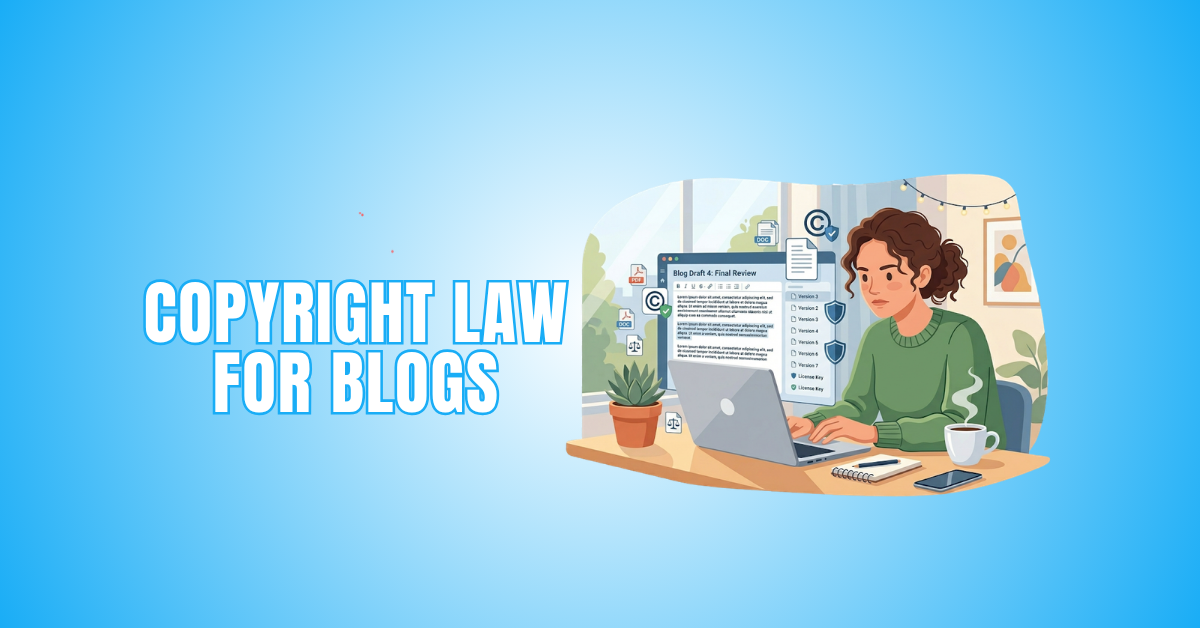
Copyright Law For Blogs
Copyright Law for Blogs is an important topic every blogger should understand, whether running a personal website or building an online business.
While creating content may seem straightforward, copyright rules play a major role in protecting original work and avoiding legal issues.
Using images, text, or other content without proper permission can lead to unexpected problems. Even small mistakes, such as copying a paragraph or using copyrighted visuals, may result in disputes or content removal.
The good news is that copyright does not have to feel overwhelming. In this guide, you’ll learn the essentials of copyright law for blogs in a simple and practical way, helping you protect your content and stay compliant.
What Is Copyright Law?
Copyright law is a legal framework that protects original creative work from unauthorized use. It gives creators exclusive rights over content such as blog posts, images, videos, music, and graphic designs.
In most cases, only the creator can publish, copy, share, or give permission for others to use their work. For bloggers, understanding copyright is essential. Using someone else’s content without permission may lead to legal issues, even if the material is freely available online.
Copyright law helps creators maintain control over their work while ensuring they receive proper credit. At the same time, it guides others on how to use content legally and respectfully.
Copyright Law For Bloggers: A Complete Guide To Protecting Your Content
1. Original Content Ownership
Original content is automatically protected by copyright. From the moment you write a blog post, design a graphic, or record a video, copyright protection applies.
This gives creators exclusive rights to use, share, distribute, and monetize their work. Others cannot legally copy or reproduce original content without permission.
Copyright protection applies to many types of creative work, including:
- Blog posts
- Original images or photographs
- Videos and audio recordings
- Graphics and designs
You do not need to apply for copyright protection. It exists automatically once original work is created.
However, originality matters. Copying content from others without permission, even partially, can lead to copyright issues. Creating unique content not only helps you stay compliant but also strengthens your voice and credibility as a blogger.
2. Copyright Infringement
Copyright infringement happens when someone uses another person’s work without permission. It is one of the most common mistakes bloggers make, especially when using text, images, or designs found online.
Many beginners assume that making small changes or crediting the original creator is enough. In most cases, it is not. Copying blog content, using images without proper rights, or closely rewriting someone else’s work may still qualify as infringement.
Copyright issues can also arise with templates, graphics, or paid designs used without the proper license. Consequences may include takedown notices, content removal, or, in more serious cases, legal action.
Common examples of copyright infringement include:
- Copying paragraphs from another blog
- Using images from Google without permission
- Rewriting content too closely to the original
- Using paid templates or designs without a proper license
Giving credit to the original source does not automatically make content legal to use. When in doubt, seek permission, use properly licensed materials, or create original content.
3. Fair Use
Fair use allows limited use of copyrighted content in specific situations, but it is often misunderstood. In some cases, bloggers may legally use small portions of content for purposes such as education, commentary, criticism, or review.
However, fair use depends on several factors. These include the purpose of the content, how much of the original work is used, and whether the use affects the creator’s ability to benefit from their work.
Common factors considered under fair use include:
- Purpose of use (education, commentary, criticism, or review)
- Amount of copyrighted material used
- Impact on the original creator or market value
For bloggers, fair use may apply when quoting short sections for reviews, commentary, or analysis. However, it is not a free pass to use copyrighted material without limits.
If there is uncertainty, creating original content or using properly licensed materials is usually the safer option.
4. Using Images Legally
Images are among the biggest copyright risks for bloggers, but they are also among the easiest mistakes to avoid. Many beginners assume that images found through search engines are free to use. In most cases, they are not.
Most online images are protected by copyright. Using them without permission can result in takedown notices, copyright complaints, or legal disputes.
To reduce risk, bloggers should use:
- Royalty-free images
- Creative Commons licensed images
- Original photos or graphics
Even when using free images, it is important to check the license terms. Some images require attribution, while others may limit commercial use.
Not all “free” images are actually free for blogging. Taking a moment to verify the license before publishing can help bloggers avoid unnecessary copyright issues.

5. Creative Commons Licenses
Creative Commons content can be a safer option for bloggers, but only when used correctly. Creative Commons (CC) licenses allow creators to share their work while keeping certain rights.
Understanding Copyright Law for Blogs also means knowing how to properly use CC content. Each license comes with different conditions. Some require credit to the creator, while others restrict modifications or commercial use.
Common Creative Commons licenses include:
- CC BY – Content may be used with proper credit
- CC BY-SA – Content can be shared and adapted with credit under the same license
- CC BY-ND – No modifications are allowed
- CC BY-NC – For non-commercial use only
It is important to read the license terms carefully. For example, blogs that generate income should avoid content marked for non-commercial use.
Although Creative Commons content may appear free, misuse can still lead to copyright issues. Taking a moment to verify the license before publishing helps bloggers stay compliant and avoid unnecessary risks.
6. Digital Millennium Copyright Act (DMCA)
The Digital Millennium Copyright Act (DMCA) is an important law that helps protect creators online. It gives bloggers a way to protect their original work and request the removal of content copied without permission.
If someone republishes your content without authorization, you can file a DMCA takedown notice to request its removal. However, the law also works in reverse. If you use copyrighted material without permission, the original creator may file a complaint against you.
Repeated copyright violations can lead to serious consequences. These may include content removal, copyright strikes, or action from your hosting provider.
For bloggers who publish regularly or rely on website traffic, understanding DMCA rules is essential. Respecting copyright laws helps protect your content while reducing the risk of legal or platform-related issues.
Wealthy Affiliate – Mini Review
If you’ve ever thought about turning your blog, passion, or niche into an online business,
Wealthy Affiliate (WA) is one of the most beginner-friendly platforms I’ve used.
It combines step-by-step training, website hosting, SEO research tools,
and an active community all in one place.
What I like most: you can start free (no credit card needed),
explore lessons, test the tools, and connect with other entrepreneurs
before upgrading. WA isn’t a “get rich quick” scheme — it’s a platform where success comes
from consistent effort and applying what you learn.
7. Republishing Content
Many bloggers wonder whether giving credit makes it acceptable to republish someone else’s content. In most cases, the answer is no.
Republishing another person’s work without permission, even with attribution, may still count as copyright infringement.
Copyright law generally requires permission from the original creator unless the content is clearly licensed for reuse or belongs to the public domain.
Even closely paraphrasing or rewriting content can be risky if it stays too close to the original source.
A safer approach is to:
- Read the original content
- Understand the main ideas
- Create something original in your own words
Writing in your own voice not only helps you stay compliant but also strengthens your credibility and unique style as a blogger.
Content may only be republished when:
- You have written permission from the creator
- The material is clearly licensed for reuse
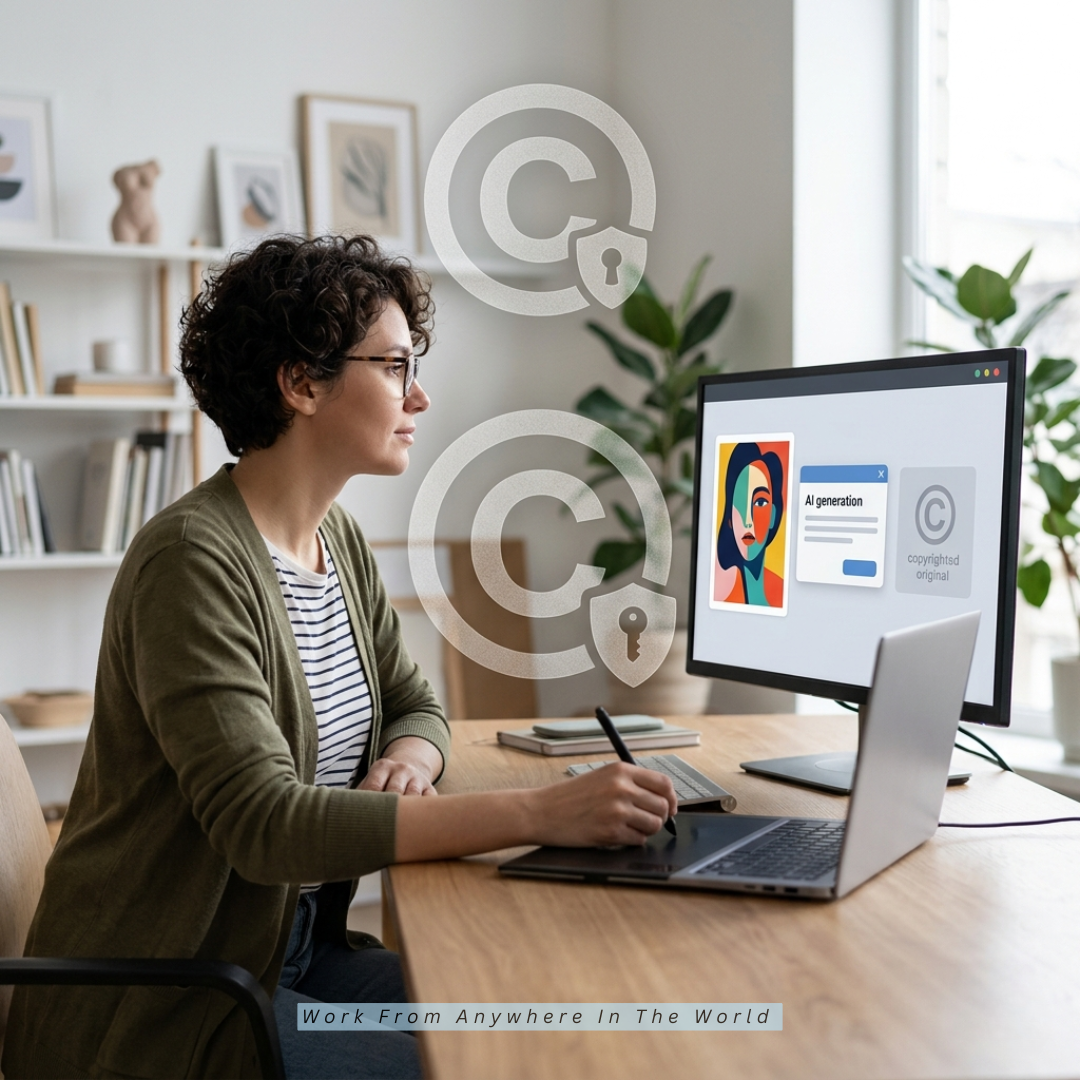
8. Copyright For AI-Generated Content
AI-generated content is becoming more common, but copyright rules still matter. Even when a tool creates text, images, or other material, bloggers are responsible for reviewing it before publishing.
AI can be useful for brainstorming, outlining, and first drafts. However, it should not replace originality or personal insight. Copying and pasting AI output without editing can create quality, accuracy, or copyright concerns.
To use AI content safely:
- Edit the content carefully
- Rewrite unclear or generic sections
- Add your own perspective and examples
- Check that the final version is original
For bloggers, AI works best as a support tool rather than a replacement for thoughtful writing. Reviewing, editing, and personalizing the content helps protect your blog while keeping it credible and useful for readers.
9. Copyright For Guest Posts
If someone writes content for your blog, ownership is not always automatic. In many cases, publishing content on your website does not transfer copyright to you.
Without a written agreement, the original writer often retains ownership. This means they may still control how the content is used, shared, or republished. Over time, this can create confusion, especially if your blog grows or you want to reuse the material.
To avoid misunderstandings, it is best to:
- Define ownership clearly
- Use a simple written agreement
A clear agreement helps both parties understand who owns the content and how it may be used. This keeps things professional and helps prevent future disputes.
10. Quotes And References
Using quotes in a blog post is generally acceptable, but there are limits. Short excerpts can help support an argument, provide context, or illustrate a point. However, quotes should complement your content, not replace it.
When using quotes, follow these best practices:
- Use short excerpts only
- Add your own commentary or analysis
- Credit the original source whenever possible
Including the author’s name, publication, and a link helps provide proper context and credibility. However, copying large sections of text, even with attribution, may still raise copyright concerns.
The goal is to create original content while using quotes thoughtfully to strengthen your message and support your ideas.
How To Stay Safe As A Blogger
1. Always Create Original Content
The safest way to avoid copyright problems is to create original content. Writing your own blog posts, designing graphics, creating images, or recording videos gives you full control over how your work is used.
Original content is automatically protected under copyright law. It also helps bloggers build credibility, develop a unique voice, and stand out from competitors.
Even small amounts of copied content can create legal risks. Focusing on your own ideas, experiences, and perspective helps keep your blog compliant while creating more value for readers.
Think of your blog as a portfolio of your own work. The more original your content, the stronger and more trustworthy your brand becomes.
2. Use Trusted Free Image Sources
Images are one of the biggest copyright risks for bloggers. Under the Copyright Law for Blogs, using images without permission may lead to copyright complaints or legal issues.
Instead of downloading pictures from search engines, use trusted platforms that offer royalty-free or properly licensed images. If your blog generates income, make sure commercial use is allowed.
Before publishing, always check:
- License terms
- Attribution requirements
- Commercial use permissions
Using reputable image sources helps bloggers stay compliant, maintain professionalism, and create visually appealing content without unnecessary copyright risks.

3. Check Licenses Carefully
Before using images, videos, templates, or text, always review the license terms. Even content that appears to be free may come with restrictions on credit, modifications, or commercial use.
For example, Creative Commons licenses often include specific conditions. Some require attribution, while others limit editing or commercial use. Misunderstanding these rules can still lead to copyright issues.
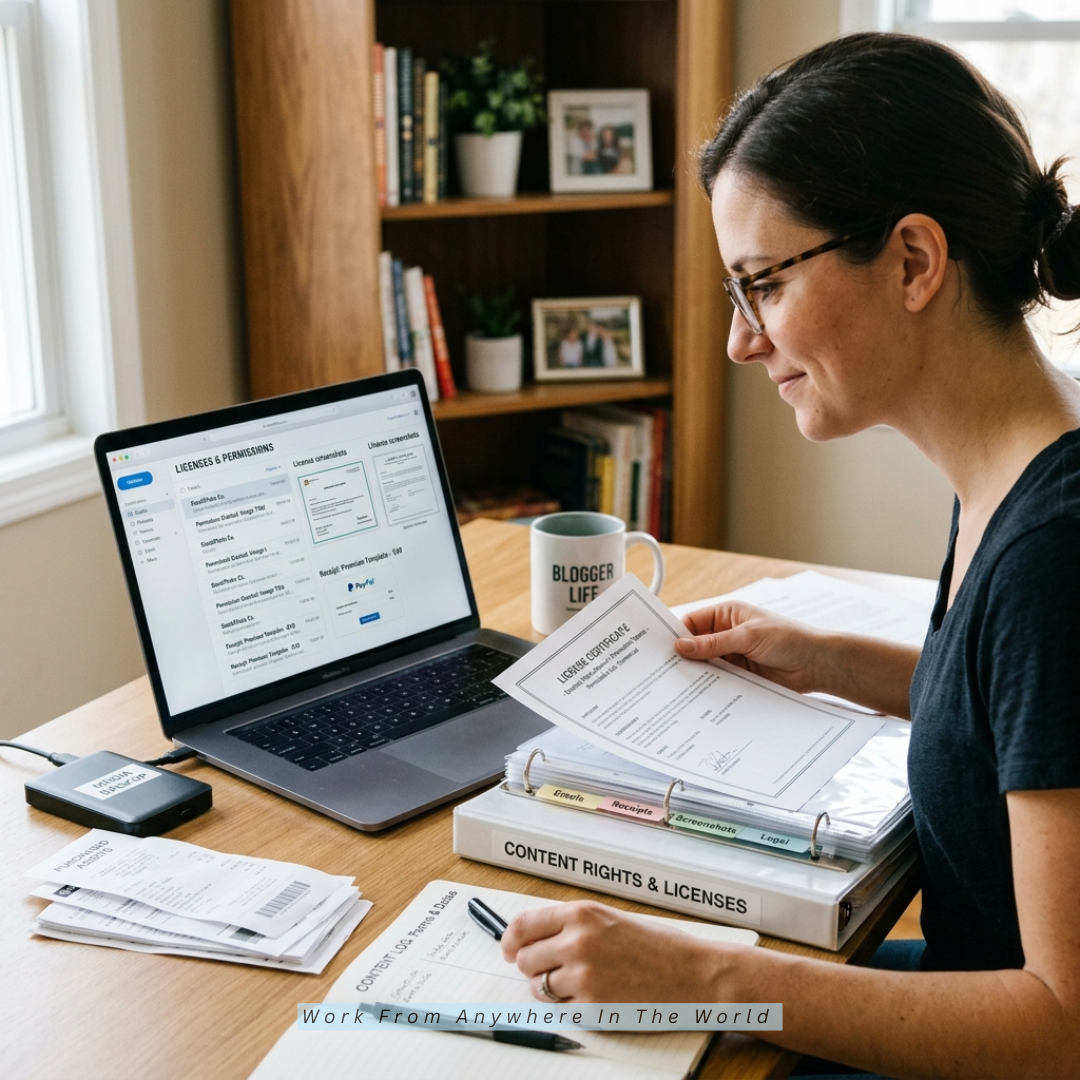
When using third-party content, it is a good idea to keep a record of the license details, screenshots, or source links for reference.
Taking a few moments to check permissions helps bloggers stay compliant and confidently use external content when allowed.
4. Why Original Content Matters For Bloggers
Even small amounts of copied content can create copyright issues. Using text, images, or design elements without permission may lead to complaints or legal problems, even when only a small portion is used.
Giving credit alone does not automatically make copied content legal. Copyright law protects both small and large reproductions.
A safer approach is to rewrite ideas in your own words or create original alternatives. Focusing on unique content helps bloggers reduce legal risks, build credibility, and strengthen their reputation over time.
5. Add Your Own Perspective
Adding your own perspective helps make content more original and valuable. When referencing research, articles, or quotes, include your own explanations, insights, or examples rather than simply repeating information.
This approach helps bloggers create content that feels unique while reducing the risk of relying too heavily on someone else’s work.
Readers are also more likely to connect with blogs that offer clear opinions, thoughtful commentary, or practical takeaways.
Whether discussing research, summarizing ideas, or commenting on trends, focus on explaining information in your own words. A personal perspective not only strengthens originality but also helps build trust and credibility over time.
6. When In Doubt, Choose The Safer Option
If you are unsure whether content is safe to use, it is usually better to avoid it. Even accidental copyright infringement can lead to takedown notices, content removal, or other complications.
When in doubt, look for properly licensed alternatives or create original content instead. Relying on fair use without fully understanding the rules can be risky, especially for blogs that generate income.
Developing the habit of choosing safer options helps protect your blog, reputation, and long-term growth. Over time, identifying appropriate content becomes much easier.
7. Keep Records Of Permissions And Licenses
Whenever you use third-party content with permission, keep a record of it. Save emails, license details, screenshots, or purchase receipts for images, templates, tools, or other materials.
Having documentation can be helpful if questions arise about how content was used or if a copyright concern is raised later.
Keeping clear records also makes it easier to track what content can be reused safely. This simple habit helps bloggers stay organized, protect their work, and avoid unnecessary disputes.
FAQs
1. Do I Automatically Own My Blog Content?
Yes! The moment you create original content—posts, images, videos—you automatically hold copyright. No registration is needed, but always ensure your work is fully original to avoid legal issues.
2. Can I Use Images From Google For My Blog?
No. Most images online are copyrighted. Only use royalty-free, Creative Commons, or your own photos, and always check licenses for attribution and commercial use.
3. What Is Fair Use For Bloggers?
Fair use allows limited quoting or critique, but it's risky. Use short excerpts with commentary, never copy large portions, and add your own perspective to stay safe legally.
Conclusion
Understanding Copyright Law for Blogs may not seem exciting at first, but it plays an important role in protecting your content and helping you blog with confidence.
Creating original work, respecting others' rights, and using licensed content properly can help you avoid unnecessary legal issues.
Small habits, such as checking licenses, keeping records, and creating content in your own words, go a long way. Over time, these practices help build a blog that is credible, professional, and trusted by readers.
Following copyright best practices not only protects your work but also strengthens your reputation and supports long-term growth.
I trust you enjoyed this article on the Copyright Law for Blogs. Please stay tuned for more insightful blogs on affiliate marketing, online business, and working from anywhere in the world.
Take care!
— JeannetteZ 🌍✨
💬 Your Opinion Is Important To Me
Do you have thoughts, ideas, or questions? I’d love to hear from you. Please leave your comments below or email me directly at Jeannette@WorkFromAnywhereInTheWorld.com.
📚 More Work From Anywhere Reads
🚀 Ready to Build a Business You Can Run from Home
Or from Anywhere in the World?
Imagine creating income on your terms — from home, a cozy café, or wherever life takes you.
With the right tools, training, and community support, it’s entirely possible.
Start your own online business for free — no credit card needed.
Disclosure
This post may contain affiliate links. As an Amazon Associate and participant in other affiliate programs, I earn from qualifying purchases at no extra cost to you. Please read my full affiliate disclosure.