How To Monetize A Newsletter: 12 Proven Strategies That Work
Learning how to monetize a newsletter can turn your email list into a reliable source of income. Even a small, engaged audience can generate revenue when you use the right strategies.
Newsletters have become one of the most valuable digital marketing tools. They help you build relationships, promote products, and create recurring income.
There isn’t just one way to earn money from a newsletter. You can use affiliate marketing, sponsorships, paid subscriptions, digital products, and other proven monetization methods.
The key is to provide consistent value and build trust with your readers. A loyal, engaged audience is far more valuable than a large list that rarely interacts with your content.
In this guide, you’ll discover 12 proven strategies to monetize your newsletter. These practical techniques can help you build a profitable and sustainable online business.
What Is A Newsletter?
A newsletter is content sent regularly to a group of subscribers by email. It can be daily, weekly, or monthly. The goal is to share useful, relevant, or interesting information with a specific audience.
Newsletters cover almost every topic imaginable. Some focus on business, marketing, or finance. Others share advice about health, lifestyle, travel, or hobbies.
Many creators use newsletters to educate, tell stories, and share updates with their audience. Businesses often use them to promote products, announce company news, and keep customers informed.
Unlike social media, newsletters are delivered directly to a subscriber’s inbox. This gives you more control over your content and reduces your reliance on changing algorithms.
A newsletter also helps you build trust with your audience over time. Readers who consistently find value in your emails are more likely to engage with your content and recommend it to others.
Today, newsletters are more than simple email updates. Many creators generate income through paid subscriptions, sponsorships, affiliate marketing, digital products, and other monetization strategies.
In simple terms, a newsletter is a direct connection between you and your audience. It helps you share valuable content, strengthen relationships, and create new income opportunities.
12 Practical Steps To Monetize A Newsletter
Monetizing a newsletter doesn’t happen overnight. It starts with creating valuable content and building an audience that trusts your recommendations.
The good news is that you don’t need thousands of subscribers to earn money. A small, engaged audience can often be more profitable than a large, inactive one.
There are many ways to generate income from a newsletter. The best approach is to choose monetization methods that match your audience and the content you create.
Follow these practical steps to build a successful newsletter. They can help you create a reliable income while continuing to provide value to your subscribers.
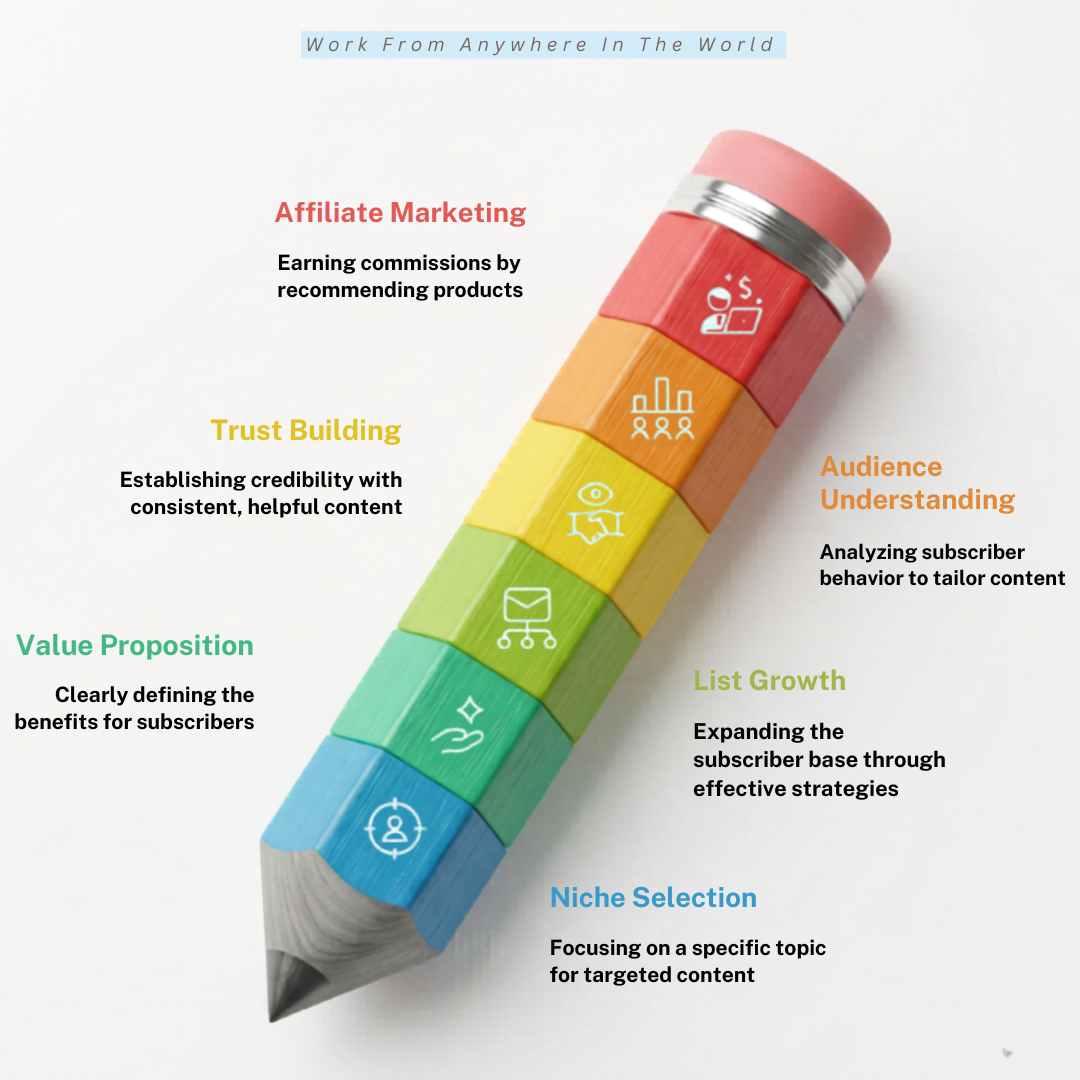
Step 1: Choose A Focused Niche
Start with a specific focus. It makes every other step easier. While a broad audience may sound appealing, it rarely leads to strong engagement or conversions.
People look for solutions to specific problems, not general advice. Instead of covering “marketing,” focus on email marketing for beginners. Instead of “writing,” choose freelance writing tips or another specific topic.
A focused niche helps you attract the right audience. It also makes it easier to create relevant content and build your authority over time.
When readers feel that your newsletter speaks directly to their needs, they are more likely to subscribe, engage, and trust your recommendations. That trust is the foundation of successful newsletter monetization.
Key Points
- Focus beats a broad audience.
- A specific niche attracts the right readers.
- Consistent content builds trust and authority.
- Loyal subscribers are more likely to become paying customers.
Step 2: Define The Value You Provide
Be specific about what you offer your subscribers. People join your newsletter for a reason, so give them a strong reason to stay.
Your newsletter should solve a specific problem or provide a meaningful benefit. It could help readers save time, learn a new skill, improve their business, or achieve better results.
Keep your message simple and focused. Rather than covering everything, concentrate on one main outcome. For example, help beginners grow an email list or show freelancers how to find more clients.
When readers understand the value you provide, creating content becomes much easier. They know what to expect, which builds consistency, trust, and long-term loyalty. As that trust grows, they become more willing to purchase the products or services you recommend.
Key Points
- A strong value proposition keeps readers engaged.
- Solve one core problem consistently.
- A focused message is easier to follow.
- Trust grows through consistent, valuable content.
Step 3: Grow Your Subscriber List
Once you’ve defined your value, focus on growing your subscriber list. Without an audience, it’s difficult to monetize your newsletter.
Start by sharing your newsletter on social media. Add a signup form to your website or create a dedicated landing page. Offering a free checklist, guide, template, or other useful resource can encourage more people to subscribe.
Keep the signup process quick and simple. Only ask for the information you need. The easier it is to join, the more likely people are to subscribe.
Promote your newsletter regularly and remind people why it’s worth joining. Growth takes time, so focus on attracting engaged subscribers instead of simply growing your numbers. A smaller, loyal audience is often far more valuable.
Key Points
- Focus on quality over quantity.
- Offer valuable incentives to attract subscribers.
- Keep the signup process simple.
- Promote your newsletter consistently.
Step 4: Build Trust With Consistent Content
Publish your newsletter on a regular schedule. Consistency is one of the most important factors in building a loyal audience. Weekly is a great starting point, but choose a schedule you can maintain.
Your readers should know when to expect your emails. Fill each newsletter with helpful tips, practical insights, or simple strategies they can apply right away.
Write in a natural and honest way. Don’t try to impress your readers. Instead, focus on providing value and building a genuine connection.
Over time, your audience will begin to trust your advice. That trust is what encourages readers to click your links, buy your products, and support your business.
Key Points
- Consistency builds trust over time.
- Publish on a schedule you can maintain.
- Focus on helpful, practical content.
- Trust turns readers into customers.
Step 5: Understand Your Audience
Take time to learn about your readers. This step is often overlooked, but it can make a big difference when monetizing your newsletter.
Pay attention to what people click, reply to, and engage with. Read their comments and emails carefully. The questions they ask can reveal what they need most.
Use this feedback to guide your content. Create more of what your audience enjoys and improve or remove topics that receive little interest. You can also ask simple questions or run short surveys to learn even more.
The better you understand your audience, the easier it becomes to recommend products or services they genuinely want. When your offers match their needs, selling feels natural instead of forced.
Key Points
- Listen carefully to your audience.
- Engagement reveals what readers value.
- Use feedback to improve your content.
- Ask questions to better understand your subscribers.
Step 6: Start With Affiliate Marketing
Affiliate marketing is one of the easiest ways to monetize a newsletter. You earn a commission by recommending products or services that match your audience’s interests.
Only promote products you trust or have experience with. Readers can quickly tell when a recommendation feels forced. Genuine recommendations are much more likely to build trust and generate sales.
Instead of simply adding affiliate links, explain why the product is useful. Show how it solves a problem or helps your readers achieve a specific goal. If possible, include your own experience or results.
Keep promotions balanced. One or two well-chosen recommendations are often more effective than filling every email with affiliate links. When done well, affiliate marketing feels like helpful advice rather than a sales pitch.
Key Points
- Recommend trusted, relevant products.
- Explain the benefits, not just the features.
- Keep promotions natural and balanced.
- Trust leads to higher affiliate conversions.
Step 7: Add Sponsorships
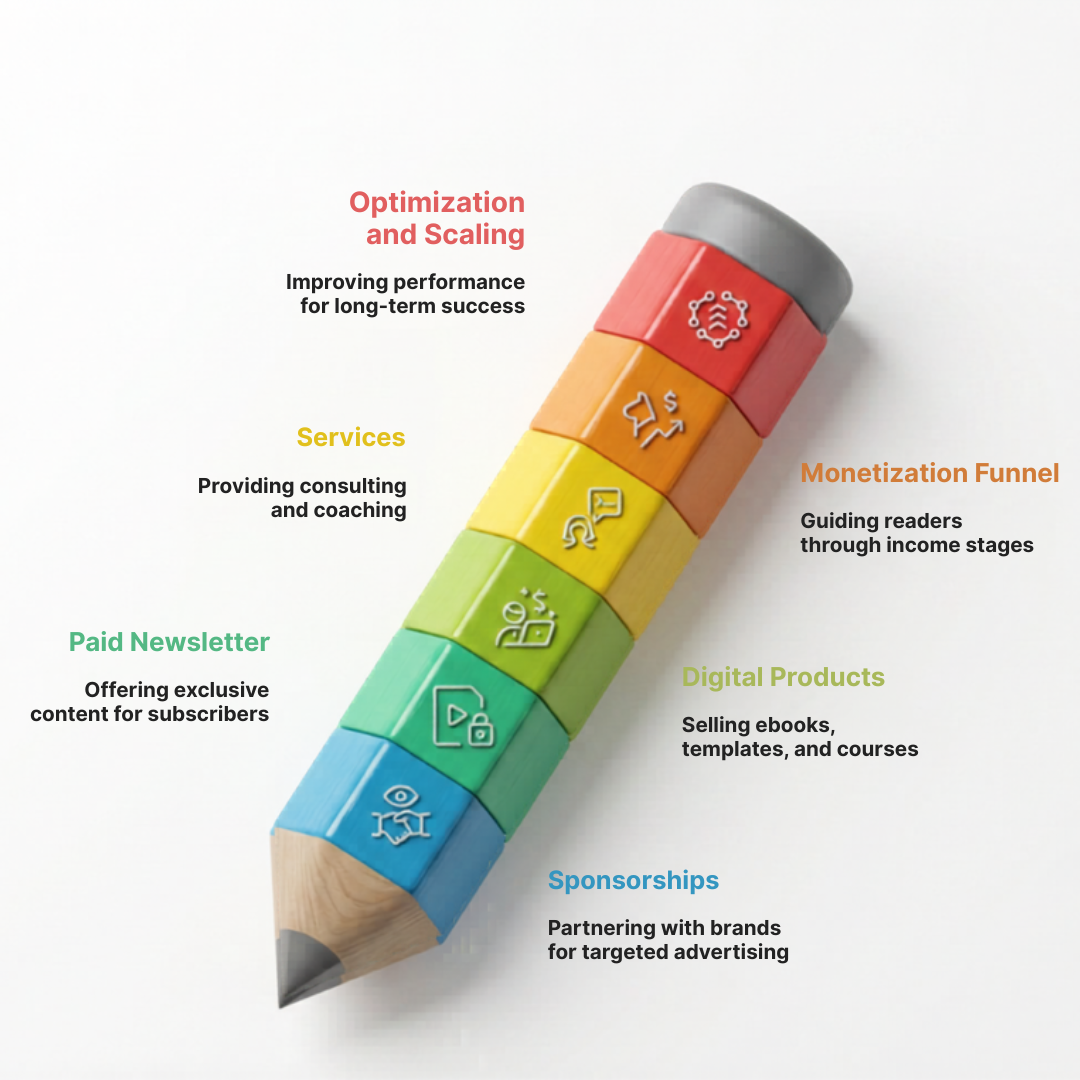
Sponsorships are another effective way to monetize your newsletter. Many brands are looking for engaged audiences within specific niches, making newsletters an attractive advertising channel.
Start by reaching out to businesses that are relevant to your audience. Share information about your subscribers, engagement rates, and the sponsorship opportunities you offer.
You can also create a simple sponsorship page on your website. Explain the advertising options available, such as a short mention, a featured section, or a dedicated email.
Keep sponsored content relevant and avoid filling your newsletter with advertisements. Your readers should always come first. As your subscriber list and engagement grow, you’ll be able to charge higher sponsorship rates.
Key Points
- Partner with brands in your niche.
- Keep sponsorships relevant and simple.
- Put your readers’ experience first.
- Engagement is more valuable than subscriber numbers.
Step 8: Launch A Paid Newsletter
Once you’ve built trust with your audience, you can introduce a paid newsletter. Your free content should already provide value, making readers more willing to pay for additional insights.
The paid version should offer something extra. This could include in-depth strategies, exclusive content, premium resources, or early access to valuable information.
Make the difference between your free and paid newsletters clear. The free version should provide useful information, while the paid version delivers more detailed guidance and exclusive benefits.
Start with a simple pricing model and adjust it as your newsletter grows. Even a small number of loyal paying subscribers can create a reliable income stream.
Key Points
- Launch a paid newsletter after building trust.
- Offer exclusive, high-value content.
- Clearly separate free and paid content.
- A loyal audience can generate consistent income.
Wealthy Affiliate – Mini Review
If you’ve ever thought about turning your blog, passion, or niche into an online business,
Wealthy Affiliate (WA) is one of the most beginner-friendly platforms I’ve used.
It combines step-by-step training, website hosting, AI-powered tools,
keyword research, and an active community all in one place.
What I like most is that you can start free (no credit card needed), explore the platform,
test the tools, and connect with other entrepreneurs before upgrading.
WA isn’t a “get rich quick” scheme — success comes from consistent effort
and applying what you learn over time.
Step 9: Sell Your Own Digital Products
Once you’ve built an engaged audience, consider creating your own digital products. They allow you to earn more from your expertise while providing additional value to your subscribers.
Choose a product that solves a specific problem for your audience. This could be an eBook, template, checklist, workbook, or mini-course. Keep it focused on one clear outcome.
Use the feedback and questions from your subscribers to guide your ideas. Your newsletter can reveal exactly what your audience wants to learn or achieve.
Promote your products naturally within your emails. Rather than using a hard sell, explain how the product helps readers solve a problem or reach their goals. Well-designed digital products can become a valuable source of recurring income over time.
Key Points
- Create products that solve specific problems.
- Let your audience guide your product ideas.
- Promote your products naturally.
- Digital products can provide recurring income.
Step 10: Offer Services
Your newsletter can also help you attract new clients. If you have valuable skills or experience, offering services is one of the fastest ways to generate income.
You could provide consulting, coaching, freelance writing, design services, or strategy sessions. Share helpful tips, case studies, or real examples to demonstrate your knowledge and build credibility.
As readers become familiar with your content, they’ll begin to see you as a trusted resource. This makes them more likely to contact you when they need professional help.
Include a simple call to action in your newsletter, such as, “Need help with this? I offer consulting services.” Keep your approach helpful rather than sales-focused, and concentrate on solving your readers’ problems.
Key Points
- Use your newsletter to attract clients.
- Demonstrate your expertise through valuable content.
- Introduce your services naturally.
- Trust encourages readers to become clients.
Step 11: Build A Simple Monetization Funnel
Bring your monetization strategies together into a simple system. Rather than relying on a single income source, create a journey that gives readers different ways to engage with your business.
Start by attracting subscribers with free, valuable content. From there, you can introduce affiliate recommendations, a paid newsletter, digital products, or professional services as readers become more familiar with your work.
Each stage should provide additional value. Free content builds trust, while paid offers give readers the opportunity to learn more or solve bigger challenges.
Keep the process simple and natural. Guide your audience based on their interests instead of pushing sales. A well-planned monetization funnel can help create a more stable and sustainable newsletter business.
Key Points
- Combine multiple income streams.
- Guide readers through each stage naturally.
- Free content builds trust and engagement.
- A simple funnel supports long-term growth.
Step 12: Optimize And Scale
Once your newsletter is generating income, focus on improving what already works. Small, consistent improvements can lead to better engagement and higher revenue over time.
Track important metrics such as open rates, click-through rates, and replies. These insights show which topics, subject lines, and offers resonate most with your audience.
Use this information to refine your content and test different monetization strategies. You might experiment with new affiliate offers, digital products, sponsorships, or pricing models to see what performs best.
As your newsletter grows, continue building on your successes. Scaling isn’t about doing more work. It’s about improving what already delivers the best results.
Key Points
- Track your performance regularly.
- Focus on what works best.
- Optimize your content and offers.
- Small improvements lead to long-term growth.
Best Tools For Growing And Monetizing A Newsletter
The right tools can make growing and monetizing your newsletter much easier. They help you save time, stay organized, and connect with your audience more effectively.
Some tools are designed to create and send professional emails. Others help you grow your subscriber list, automate repetitive tasks, track performance, and improve engagement.
The best choice depends on your goals, budget, and the features that matter most to you. Many newsletter platforms also include built-in monetization tools to help you earn from your content.
Below are some of the best newsletter tools available today. Each one offers different features that can help you grow your audience, build stronger relationships, and increase your income.
1. Email Marketing Platforms (Kit, Mailchimp, Beehiiv)
Email marketing platforms such as Kit (formerly ConvertKit), Mailchimp, and Beehiiv are essential tools for building and growing a newsletter. They help you collect subscribers, send emails, and manage your audience from one place.
Getting started is simple. Create an account, build your mailing list, design your emails, and schedule them to be sent automatically. Most platforms also include signup forms, welcome emails, and automated email sequences.
Another major advantage is analytics. You can monitor open rates, click-through rates, subscriber growth, and other key metrics to understand what works and improve future newsletters.
Many platforms also offer free plans or trial options, making them accessible for beginners. As your newsletter grows, you can upgrade to more advanced features, such as automation, audience segmentation, and monetization tools.
Whether you choose Kit, Mailchimp, Beehiiv, or another platform, the right email marketing software can help you grow your audience, save time, and monetize your newsletter more effectively.
2. Landing Page Builders
Landing page builders help you create dedicated pages where people can subscribe to your newsletter. They make it easy to build professional-looking pages without needing coding or web design experience.
Many platforms offer ready-made templates that you can customize with your own branding, headlines, images, and signup forms. You can also promote a lead magnet, such as a free eBook, checklist, or template, to encourage more people to subscribe.
A well-designed landing page focuses on one goal: converting visitors into subscribers. By removing distractions and clearly explaining the benefits of your newsletter, you can often improve your signup rate.
Popular landing page builders include Carrd, Leadpages, and Webflow, although many email marketing platforms also include landing page features. Choosing the right tool depends on your budget, goals, and the level of customization you need.
Landing page builders are an effective way to grow your email list and turn website visitors into loyal newsletter subscribers.
3. Lead Magnet Tools
Lead magnet tools help you create valuable resources that encourage people to subscribe to your newsletter. Popular lead magnets include eBooks, checklists, guides, templates, worksheets, and other downloadable resources that solve a specific problem.
Many design tools make it easy to create professional-looking lead magnets without advanced design skills. You can customize templates, add your branding, and export your work as a PDF or other downloadable file.
Offering a useful lead magnet gives people a strong reason to join your email list. It also helps establish your credibility and demonstrates the value you provide before asking readers to purchase anything.
Popular tools such as Canva make creating lead magnets simple, while many other design platforms offer similar features. Choose the tool that best fits your experience level, budget, and design needs.
A high-quality lead magnet can significantly increase your subscriber growth while helping you build trust from the very first interaction.
4. Analytics Tools
Analytics tools help you understand how your newsletter is performing. They track important metrics such as open rates, click-through rates, subscriber growth, and overall engagement.
Most email marketing platforms, including Kit (formerly ConvertKit), Mailchimp, and Beehiiv, include built-in analytics. You can also use website analytics tools to measure how much traffic your newsletter sends to your website or landing pages.
Reviewing your data regularly helps you make better decisions. You can identify which subject lines attract the most opens, which links receive the most clicks, and which topics generate the greatest engagement.
Use these insights to improve future newsletters and better meet your readers’ needs. Over time, small changes based on real data can lead to higher engagement, stronger subscriber relationships, and increased revenue.
5. Automation Tools
Automation tools help you save time and manage your newsletter more efficiently. They automate repetitive tasks, allowing you to focus on creating valuable content and growing your audience.
Many email marketing platforms include built-in automation features. You can also use tools such as Zapier to connect your newsletter platform with other apps and create automated workflows.
For example, new subscribers can automatically receive a welcome email, be added to the correct mailing list, or receive a free lead magnet without any manual work. You can also create email sequences that introduce your content, products, or services over time.
Automation helps deliver a consistent experience for every subscriber while reducing repetitive work. As your newsletter grows, these tools make it much easier to manage your audience and scale your business.

Conclusion
Monetizing a newsletter is not about chasing quick wins. It’s about building trust, delivering value, and staying consistent over time.
When you choose a clear niche, grow an engaged audience, and use the right tools, new income opportunities naturally begin to emerge.
From affiliate marketing and sponsorships to paid newsletters, digital products, and professional services, there are many ways to generate revenue. The key is to start small, remain consistent, and always put your readers’ needs first.
With patience and the right strategy, your newsletter can become a valuable business asset and a reliable source of long-term income.
I trust you enjoyed this article on How to Monetize A Newsletter: 12 Proven Strategies That Work. Please stay tuned for more insightful blogs on affiliate marketing, online business, and working from anywhere in the world.
Take care!
— JeannetteZ 🌍✨
💬 Your Opinion Is Important To Me
Do you have thoughts, ideas, or questions? I’d love to hear from you. Please leave your comments below or email me directly at Jeannette@WorkFromAnywhereInTheWorld.com.
📚 More Work From Anywhere Reads
🚀 Ready to Build a Business You Can Run from Home
Or from Anywhere in the World?
Imagine creating income on your terms — from home, a cozy café, or wherever life takes you.
With the right tools, training, and community support, it’s entirely possible.
Start your own online business for free — no credit card needed.
Disclosure
This post may contain affiliate links. As an Amazon Associate and participant in other affiliate programs, I earn from qualifying purchases at no extra cost to you. Please read my full affiliate disclosure.