17 Signs Of Social Media Anxiety
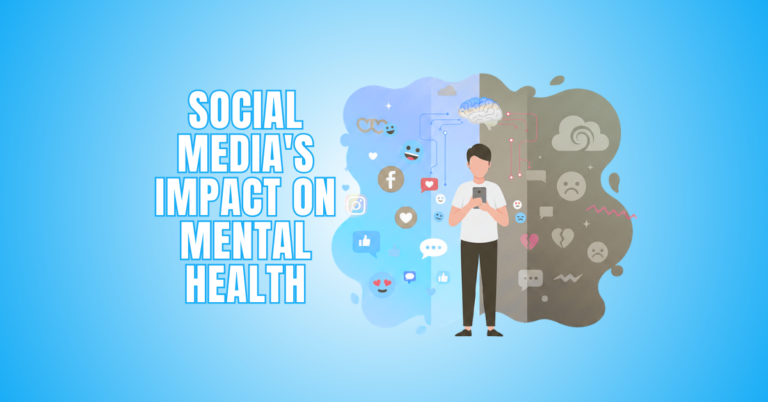
Social media is everywhere. It connects us, entertains us, and keeps us updated in seconds. But behind the scrolling and sharing, many people feel pressure, comparison, and quiet stress. Social media anxiety is becoming more common, yet it often goes unnoticed.
In this article, we'll explore the real signs of social media anxiety, why it happens, and how it affects your daily life. If being online sometimes leaves you overwhelmed, this guide will help you understand why.
What Is Social Media Anxiety?
Social media anxiety is the stress, fear, or emotional discomfort linked to using social media platforms. It happens when online interactions start affecting your mood, confidence, or sense of self-worth.
Instead of feeling connected and entertained, you feel pressured, judged, or overwhelmed. This type of anxiety often revolves around how you're perceived online.
You may worry about how many likes you receive, who viewed your story, or whether someone misunderstood your comment.
You might overthink captions, delete posts that don't perform well, or constantly check notifications for reassurance. Over time, your emotional state can become tied to engagement metrics.
Comparison also plays a big role. Social media usually shows highlight reels—achievements, celebrations, filtered photos, and success stories.
When you constantly compare your everyday life to curated content, it can create feelings of inadequacy or self-doubt. You may feel like you're falling behind, even when you're not.
Social media anxiety can also show up physically. Some people feel nervous before opening an app. Others experience restlessness, tension, or difficulty sleeping after scrolling late at night.
The pressure to stay active, respond quickly, and remain visible online can be mentally exhausting. Importantly, social media anxiety doesn't mean social media is “bad.” It means your relationship with it may need attention.
When digital spaces start influencing your emotions more than your real-life experiences, that's a sign that something feels off.
Understanding social media anxiety is the first step toward building healthier online habits and protecting your mental well-being.
Signs Of Social Media Anxiety
1. Constant Phone Checking
One of the clearest signs is checking your phone repeatedly without thinking. You open an app. Scroll. Close it. Then reopen it minutes later. It feels automatic. But it's not random. You're looking for something.
A notification. A message. A new like. You want reassurance. When there's nothing new, you feel slightly disappointed. Maybe even uneasy. When there is something, you feel a quick rush of relief.
That emotional swing matters. It shows your mood is reacting to digital feedback. Over time, this cycle builds dependence. It's not simple curiosity. It's anxiety asking to be calmed.
2. Comparing Yourself With Others
Scrolling through social media often leads to comparison. You see people travelling, studying, working, or enjoying life. Everything looks perfect.
But you are seeing only the best moments. Not the struggles behind them. Your brain sometimes forgets this. You may start to feel that others are more successful, happier, or better than you are.
This can slowly reduce your confidence. Comparison creates pressure. You may feel behind in life even when you are doing well.
Remember, social media shows highlights, not real life. Everyone has problems. Don't measure your life by someone else's edited online moments. Focus on your own progress.
3. Pressure To Post Regularly
You may post something often. If you don't, you worry people will forget you. This pressure is common among active social media users and content creators.
You might force yourself to share photos, updates, or thoughts even when you don't feel like it. Posting starts to feel like a responsibility rather than an expression. This can lead to burnout and stress.
Healthy social media use should feel optional, not forced. You don't need to stay visible all the time. It's okay to take breaks. Your value does not depend on how frequently you post online. Quality matters more.
4. Overthinking Before Posting
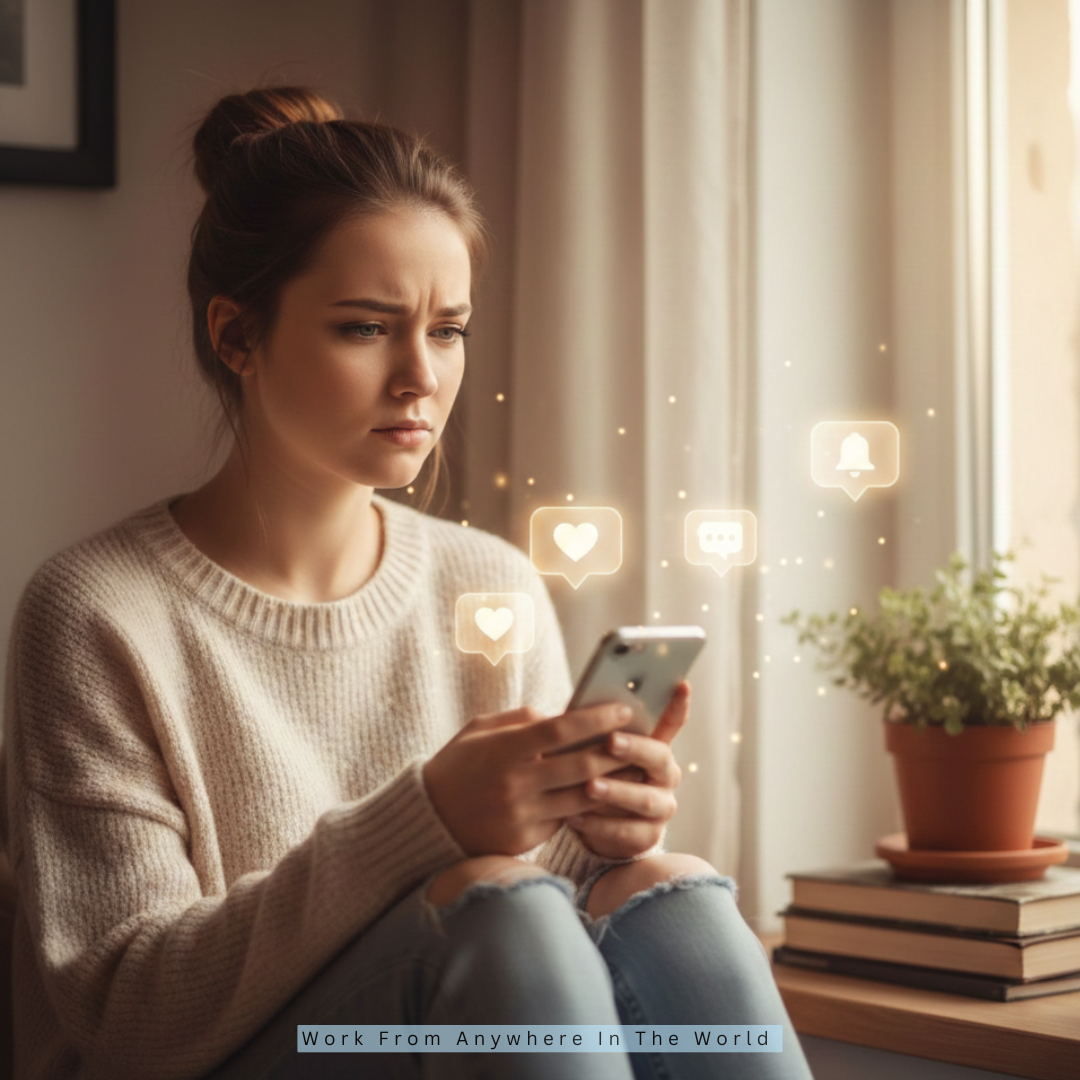
You spend extra time thinking about every detail before posting. You rewrite captions many times. You worry about the emoji choice, wording, or tone.
You wonder if people will judge you. You think about how your friends, classmates, or followers will react. This overthinking delays posting.
Sometimes you even delete content before sharing it. A little editing is normal. But if fear stops you from posting, anxiety may be involved.
Social media should not feel scary. It should be a place to express yourself. Try to post without perfection pressure. Imperfect posts are still meaningful and real.
5. Feeling Nervous Before Opening Social Media
Sometimes you feel a slight nervousness before opening social media apps. You don't know exactly why. But you sense something might upset you. Maybe negative comments. Seeing someone else's success could help.
It is a message you are avoiding. This hesitation is not just a habit. It is emotional stress linked to online activity. Your body may show mild tension or discomfort.
If opening social media makes you feel worried instead of relaxed, it may be a sign of anxiety. Pay attention to this feeling. You deserve a digital space that feels safe, positive, and comfortable to use.
6. Trouble Disconnecting From Social Media
You plan to scroll for a short time, but it quickly becomes longer. You open an app thinking you will stay for five minutes, yet you keep scrolling without realizing it.
Even when you feel tired of using social media, stopping feels difficult. Your brain keeps expecting something new or interesting to appear next. This creates a loop of continuous checking and scrolling.
You may feel uncomfortable when you try to stay offline. If this happens often, set time limits and take regular breaks. Your mind needs rest from constant digital stimulation.
7. Fear Of Missing Out (FOMO)
Fear of missing out, often called FOMO, happens when you worry that others are enjoying life without you. You may feel pressure to stay online so you don't miss important updates, events, or conversations.
Social media can amplify this feeling by showing activities happening everywhere. You might think everyone is doing better, having more fun, or moving faster in life. This feeling is not always true, but it can still affect your emotions.
Remember, you don't need to see everything online. Real life doesn't require constant digital awareness. It's okay to disconnect and focus on your own path.
8. Avoiding Posting Because Of Fear
Sometimes you want to share something online, but stop yourself. Fear becomes the main reason. You may worry about judgment, criticism, or negative comments.
You might think people will laugh, misunderstand, or ignore your post. This fear can slowly reduce your confidence in sharing thoughts or experiences.
Avoiding posting is also a common anxiety response. You start hiding your voice online. Some level of caution is normal. But if fear controls your online expression, it may hurt your confidence.
Social media should help you express yourself, not silence you. Try sharing what feels comfortable and meaningful to you.
9. Feeling Drained After Scrolling
After spending time on social media, you may feel tired even if you didn't do any physical work. This is mental fatigue. Your brain processes many images, opinions, and information while scrolling.
Social media feeds move quickly, giving your mind little time to relax. You may feel empty or overwhelmed after closing the app. Sometimes you don't even remember what you saw.
If scrolling makes you feel worse rather than relaxed, it may be draining your mental energy. Try limiting screen time before sleep and spending time doing offline activities that help your mind feel fresh and calm.
10. Replaying Online Interactions In Your Mind
After chatting or commenting online, you may keep thinking about it. You wonder if your words sounded rude, too casual, or wrong. You replay the conversation in your head.
You may worry about how others interpreted your message. Social media doesn't show tone or facial expression, which makes misunderstanding easier.
Your brain tries to fill the gap, often with negative assumptions. This overthinking can increase anxiety and stress. Try not to analyze every online interaction.
Most people don't notice small mistakes. Be kind to yourself. Online communication is imperfect. Focus on clear, simple, respectful conversation instead of perfection.
11. Trouble Sleeping Because Of Social Media
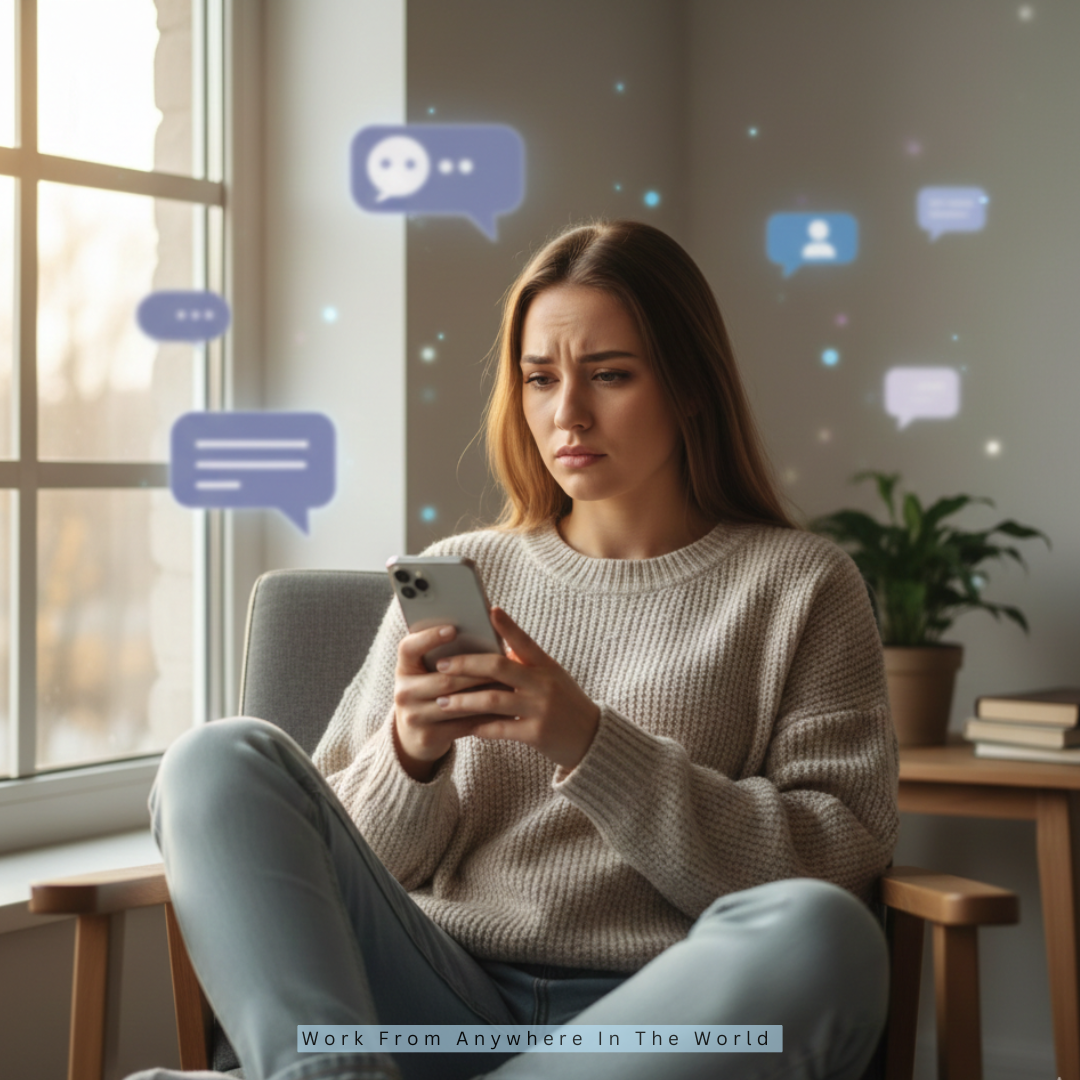
Using social media before bed can disturb your sleep. You may scroll late at night and keep thinking about what you saw online. Your brain stays active even when your body wants rest.
Additionally, blue light from screens may make it more difficult to fall asleep. You may replay posts, messages, or videos in your mind. Good sleep is important for your health and mood.
Try putting your phone away at least some time before you go to sleep. Replace late-night scrolling with relaxing habits like reading, listening to calm music, or peacefully preparing for tomorrow.
12. Feeling Jealous More Often
Social media can sometimes intensify jealousy. You may see others celebrating success, travelling, or enjoying happy moments. Instead of feeling inspired, you might feel upset or left behind.
Remember, people usually share only their best moments online. You are seeing highlights, not struggles or problems. Comparing your real life with edited photos or short videos is not fair to yourself.
Feeling a little jealous is normal, but don't let it control your emotions. Focus on your own progress. Your journey is different from others. Growth takes time. Celebrate your small wins and personal achievements every day.
13. Measuring Self-Worth By Follower Count
Some people start thinking their value depends on numbers. Followers, likes, views, or subscribers may feel very important. When the number grows, you feel happy.
When it drops, you may feel sad or worried. This can slowly change how you see yourself. But your real value is not measured by online popularity. Social media numbers are not a true measure of talent, kindness, or success.
Many people have meaningful lives without large followings. Focus on your skills, knowledge, and personal growth. Use social media as a tool, not as a standard for judging your worth or confidence.
14. Feeling Isolated Despite Being Online
You may spend a lot of time on social media, but still feel lonely. Online chatting is not always the same as a real conversation. Scrolling and reacting to posts cannot fully replace face-to-face connections.
Sometimes you may watch others' activities without actively participating. This can increase emotional distance and make you feel left out. Human beings need real social interaction, not only digital connections.
Try spending time talking with family or friends in person. Join offline activities. Social media should support your social life, not replace it. Balance online and real-world relationships for better mental health.
Wealthy Affiliate – Mini Review
If you’ve ever thought about turning your blog, passion, or niche into an online business,
Wealthy Affiliate (WA) is one of the most beginner-friendly platforms I’ve used.
It combines step-by-step training, website hosting, SEO research tools,
and an active community all in one place.
What I like most: you can start free (no credit card needed),
explore lessons, test the tools, and connect with other entrepreneurs
before upgrading. WA isn’t a “get rich quick” scheme — it’s a platform where success comes
from consistent effort and applying what you learn.
15. Taking Negative Comments Personally
One negative comment can affect your mood for a long time. Even if many people say positive things, your mind may focus on the negative ones. This is normal human psychology, but social media can amplify it.
Online comments often lack tone, leading people to misunderstand each other. Try not to react emotionally to every comment. Remember that strangers on the internet may not know you personally.
Their opinions do not define who you are. Focus on constructive feedback and ignore unnecessary negativity. Protect your mental peace by limiting attention to harmful or discouraging online conversations.
16. Feeling Competitive All The Time
Social media can make life feel like a competition. You may compare achievements, lifestyle, or popularity with others. You might think about who posted first, who got more views, or who is growing faster.
This constant comparison can create pressure and stress. Not everything in life needs to be a race. People grow at different speeds. Your success does not have to match someone else's timeline.
Social media often shows progress without showing struggles. Focus on your own goals and improvement. Celebrate your personal achievements, even if they seem small. Progress is more important than competition.
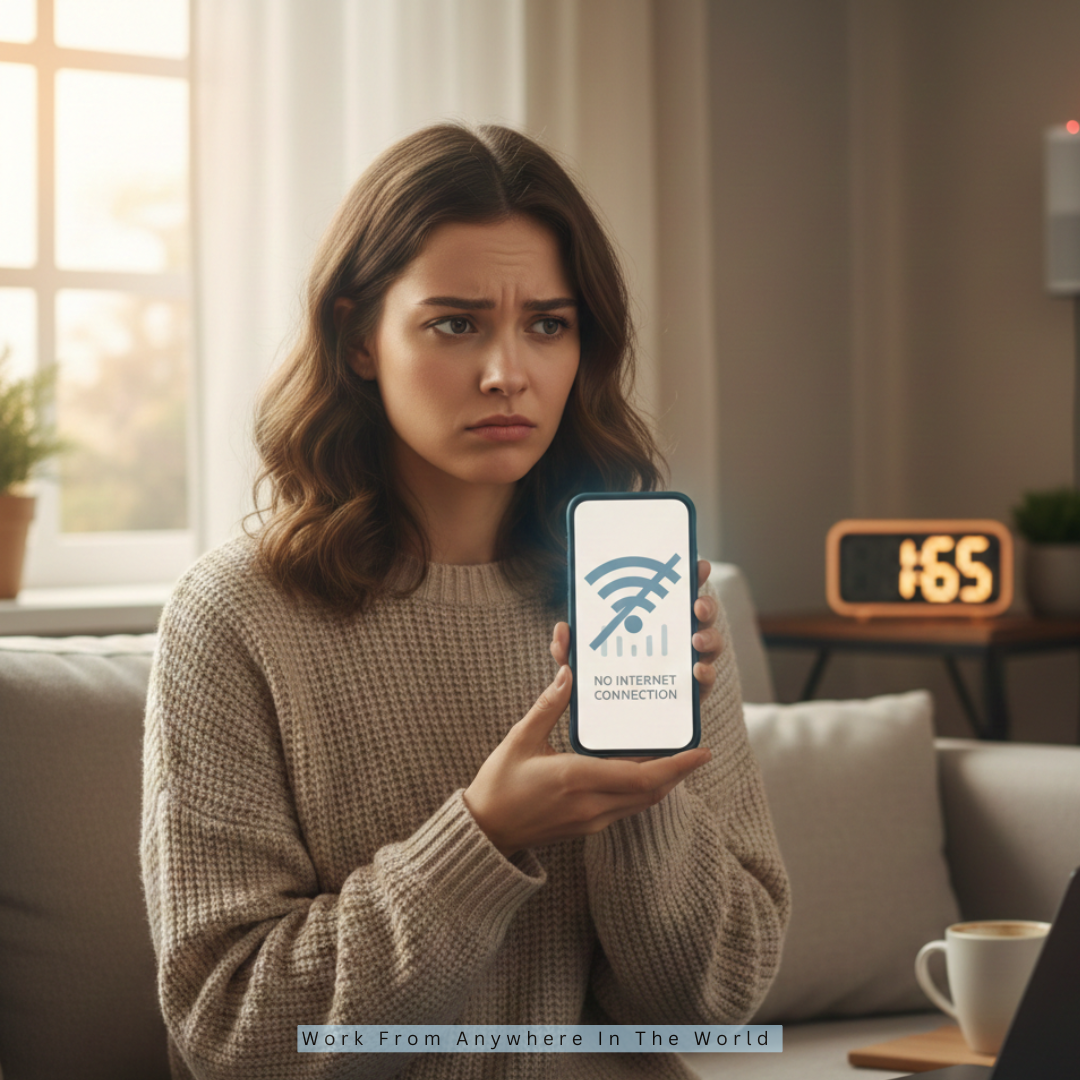
17. Panic When Losing Internet Or Account Access
You may feel uneasy when the internet stops working or you cannot access your social media account. This discomfort is more than an inconvenience.
You might feel worried that you are missing messages, updates, or important information. Some people even feel nervous when they stay offline for a long time.
This shows emotional dependence on digital platforms. Healthy technology use means you can stay calm even without internet access.
Try spending some time each day without checking social media. Your world does not stop when the connection is lost. Practice staying comfortable with both online and offline life.
Simple Ways To Manage Social Media Anxiety
1. Set Daily Time Limits
Decide how long you will use social media each day. Use app timers or alarms to remind you when to stop scrolling. Limiting time helps reduce mental pressure, comparison, and emotional dependence. Start with small reductions if needed.
2. Turn Off Unnecessary Notifications
Disable notifications that are not important. Constant alerts can cause stress and lead you to check your phone repeatedly. Checking apps only when needed helps improve focus, productivity, and mental peace during daily activities.
3. Avoid Comparison With Others
Remember that social media shows highlight moments, not real life. Everyone has struggles and challenges behind the scenes. Focus on your own progress, skills, and growth rather than comparing your lifestyle, success, or appearance to others'.
4. Take Regular Social Media Breaks
Spend some time offline every day. Walk outside, talk with family, or enjoy hobbies. Short digital breaks refresh your mind, reduce anxiety, and improve emotional balance. Your brain needs rest from constant scrolling.
5. Follow Positive And Helpful Content
Choose pages and people that motivate you. Unfollow or mute accounts that create negative feelings, pressure, or comparison. Your social media feed should support your happiness, confidence, and mental wellness.
6. Avoid Overthinking Online Interactions
Do not replay comments or messages repeatedly in your mind. Not everyone analyzes your posts deeply. Communicate simply and respectfully. Most online interactions are casual and not meant to cause emotional stress.
FAQs
Q1: How Do I Know If It’s Anxiety And Not Just Normal Stress?
Normal stress is temporary and situation-based. Social media anxiety feels persistent and overwhelming. If you constantly worry about online validation, feel emotionally drained after scrolling, or avoid posting due to fear of judgment, it may be anxiety rather than casual stress.
Q2: Can Social Media Anxiety Affect Teenagers More Than Adults?
Yes. Teenagers are often more vulnerable because identity, self-esteem, and peer validation are still developing. Online comparison, cyberbullying, and pressure to maintain a “perfect” image can intensify anxiety symptoms in younger users.
Q3: Can Anxiety Appear Differently On Different Platforms?
Yes. For example, Instagram and TikTok may trigger comparison anxiety, while Twitter or LinkedIn may cause performance or approval anxiety.
Conclusion
Although social media is a useful tool, overuse of it can also cause anxiety. Recognizing the signs of social media anxiety is the first step toward better mental health. You don't need to stop using social media completely.
Just use it wisely and intentionally. Set limits, avoid comparison, and focus on real-life connections. Remember, your value is not measured by likes, followers, or online attention. Live your life with confidence, peace, and positivity.
I trust you enjoyed this article on the 17 Signs Of Social Media Anxiety. Please stay tuned for more insightful blogs on affiliate marketing, online business, and working from anywhere in the world.
Take care!
— JeannetteZ 🌍✨
💬 Your Opinion Is Important To Me
Do you have thoughts, ideas, or questions? I’d love to hear from you. Please leave your comments below or email me directly at Jeannette@WorkFromAnywhereInTheWorld.com.
📚 More Work From Anywhere Reads
🚀 Ready to Build a Business You Can Run from Home
Or from Anywhere in the World?
Imagine creating income on your terms — from home, a cozy café, or wherever life takes you.
With the right tools, training, and community support, it’s entirely possible.
Start your own online business for free — no credit card needed.
Disclosure
This post may contain affiliate links. As an Amazon Associate and participant in other affiliate programs, I earn from qualifying purchases at no extra cost to you. Please read my full affiliate disclosure.