15 Effective Social Media Ad Strategies
Social Media Ad Strategies are essential for businesses looking to increase brand awareness, generate leads, and drive sales through online advertising.
Platforms such as Facebook, Instagram, LinkedIn, X, and Pinterest provide powerful targeting options that help businesses connect with the right audience at the right time.
However, running successful social media advertising campaigns requires more than simply creating an ad. Clear objectives, compelling content, audience targeting, budgeting, and ongoing optimization all play an important role in achieving strong results.
This guide explores 15 effective social media ad strategies to help you improve campaign performance, maximize your return on investment (ROI), and reach your marketing goals more efficiently.
What Are Social Media Ad Strategies?
Social Media Ad Strategies are planned approaches businesses use to promote their products, services, or brands through paid advertising on social media platforms.
These strategies combine audience targeting, engaging content, budgeting, and performance analysis to reach the right people and achieve specific marketing objectives.
Whether your goal is to increase brand awareness, generate leads, drive website traffic, or boost sales, choosing the right advertising strategy can significantly improve campaign performance.
A well-planned social media advertising campaign also helps businesses maximize their return on investment (ROI) while building stronger relationships with their target audience.
What Is Targeted Advertising?
Targeted advertising is a marketing strategy that delivers customized ads to specific audiences based on factors such as interests, demographics, online behaviour, and purchasing habits.
By using data from social media platforms, website visits, search history, and other digital interactions, businesses can reach people who are most likely to be interested in their products or services.
This approach improves the relevance of advertisements, increases engagement, and helps businesses achieve higher conversion rates by focusing their marketing efforts on the right audience.
At the same time, consumers benefit from seeing advertisements that are more closely aligned with their interests and needs, creating a more personalized and effective advertising experience.
15 Social Media Ad Strategies To Improve Campaign Performance
Successful social media advertising requires more than creating attractive ads or choosing the right platform. Understanding your audience, setting clear objectives, testing different approaches, and continually optimizing your campaigns are all essential for achieving consistent results.
The most effective advertisers monitor performance, adapt to changing trends, and refine their strategies based on real data rather than guesswork.
Whether your goal is to increase brand awareness, generate leads, or drive sales, the following social media ad strategies will help you create more effective campaigns and maximize your return on investment.
1. A/B Testing
A/B testing compares two versions of an advertisement to determine which one performs better with your target audience. You can test elements such as headlines, images, ad copy, calls to action, or audience segments to identify the combination that delivers the best results.
For example, compare headlines such as “Shop Now” and “Get 20% Off Today” to see which generates more clicks or conversions. Monitor key performance metrics such as click-through rate (CTR), conversion rate, and engagement to continually refine and improve your advertising campaigns.

2. Retargeting Campaigns
Retargeting campaigns help businesses reconnect with people who have already interacted with their brand but haven't yet taken the desired action.
By showing relevant ads to previous website visitors, email subscribers, or past customers, businesses can encourage them to return and complete a purchase or other conversion.
For example, you can display ads featuring products a visitor previously viewed or offer exclusive promotions to encourage repeat purchases.
Personalized retargeting campaigns often generate higher engagement and conversion rates because they reach audiences who are already familiar with your brand.
3. Collaborations With Influencers
Collaborating with influencers can strengthen your social media ad strategies by increasing brand awareness, building credibility, and expanding your reach.
Micro-influencers often generate higher engagement within niche communities, while macro-influencers can help brands reach much larger audiences.
Choose influencers whose audience, values, and content align with your brand and marketing goals. For example, a vegan food company could partner with a plant-based micro-influencer to showcase recipes, build trust with a targeted audience, and promote products in an authentic and engaging way.
4. Interactive Social Ads
Interactive social ads encourage people to engage with your brand instead of simply viewing your content. Features such as polls, quizzes, live videos, and Stories help increase participation and build stronger relationships with your audience.
For example, a beauty brand could use an Instagram poll to let followers vote for their favourite lipstick shade. Quizzes such as “Which product suits your skin type?” encourage users to interact and share their results. Live videos also provide opportunities to answer questions, demonstrate products, and connect with your audience in real time.
5. User-Generated Content (UGC)
User-generated content (UGC) helps build trust by showcasing authentic customer experiences. Encourage customers to create and share content through branded hashtags, contests, product reviews, or by featuring their posts on your social media channels.
For example, a fitness brand could launch a campaign using a hashtag such as #FitWithUs and invite customers to share their workout photos or progress. Highlighting this content strengthens brand credibility, increases engagement, and helps build a loyal online community.
6. Use Lookalike Audiences
Lookalike audiences help you reach new people who share characteristics similar to your existing customers. This strategy increases the likelihood of attracting potential customers who are interested in your products or services.
Many advertising platforms allow you to build lookalike audiences using customer lists, website visitors, or email subscribers. For example, a clothing brand can target people with similar interests and behaviours as its most loyal customers, increasing engagement and improving conversion rates.
7. Explore Carousel Ads
Carousel ads allow businesses to display multiple images or videos within a single advertisement. They are ideal for showcasing product collections, highlighting different features, or presenting step-by-step guides in an engaging format.
For example, an e-commerce store could feature shoes, bags, and accessories in one carousel ad, encouraging users to browse multiple products.
This format can increase engagement, improve click-through rates, and provide more opportunities for potential customers to interact with your brand.
7. Explore Carousel Ads
Carousel ads allow businesses to display multiple images or videos within a single advertisement. They are ideal for showcasing product collections, highlighting different features, or presenting step-by-step guides in an engaging format.
For example, an e-commerce store could feature shoes, bags, and accessories in one carousel ad, encouraging users to browse multiple products.
This format can increase engagement, improve click-through rates, and provide more opportunities for potential customers to interact with your brand.
9. Seasonal Campaigns
Seasonal campaigns help keep your brand relevant by aligning your advertising with holidays, seasonal trends, and special events. Planning your campaigns around key dates allows you to reach audiences when they are most interested in related products or services.
For example, a fitness brand could launch a “New Year, New You” campaign in January and offer discounts on gym memberships. Timely promotions like these can increase engagement, attract new customers, and boost conversions.
10. Story Ads
Story ads capture attention with their full-screen, vertical format and short, engaging content. They are ideal for showcasing products, promoting limited-time offers, or encouraging quick actions through clear calls to action.
For example, a travel company could share short videos of tropical destinations with a “Book Now” call to action. Eye-catching visuals and concise messaging encourage viewers to learn more and take immediate action.
11. Collaboration Ads
Collaboration ads help brands expand their reach by partnering with complementary, non-competing businesses. These partnerships increase brand awareness, build credibility, and introduce your products or services to a wider audience.
For example, a coffee shop could partner with a local bakery to promote a Coffee & Pastry Combo on social media. Both businesses benefit by reaching each other's audiences, increasing engagement, and attracting new customers.
12. Use Ephemeral Content To Create Urgency
Ephemeral content is designed to disappear after a short period, encouraging people to act quickly. Time-limited content, such as Stories, live offers, and flash promotions, creates a sense of urgency and taps into the fear of missing out (FOMO).
For example, a fashion retailer could promote a 24-hour flash sale using countdown timers and limited-time offers. These campaigns encourage immediate action, increase engagement, and can boost short-term sales.
13. Social Proof Ads
Social proof ads build trust by highlighting genuine customer experiences through reviews, testimonials, and user success stories. Showing positive feedback helps potential customers feel more confident about choosing your products or services.
For example, a software company could feature a client's testimonial describing how its solution improved productivity or efficiency. Real customer experiences demonstrate value, strengthen credibility, and encourage new customers to take action.
14. Gamification
Gamification makes your ads more engaging by encouraging people to participate in fun and interactive activities. Quizzes, spin-to-win promotions, contests, and challenges can increase engagement while creating a memorable experience for your audience.
For example, a skincare brand could create an online quiz to help customers identify the best products for their skin type. Participants could then receive a discount or special offer, encouraging them to make a purchase while increasing engagement and sales.
15. Analytics-Driven Adjustments
Regularly reviewing your campaign data helps you identify what is working and where improvements are needed. Monitoring key performance metrics allows you to make informed decisions and continuously improve your advertising results.
Track important metrics such as cost per click (CPC), click-through rate (CTR), conversion rate, and return on investment (ROI). For example, if an ad has a low CTR, you could test a new image, revise the ad copy, or adjust your audience targeting to improve engagement and increase conversions.
Wealthy Affiliate – Mini Review
If you’ve ever thought about turning your blog, passion, or niche into an online business,
Wealthy Affiliate (WA) is one of the most beginner-friendly platforms I’ve used.
It combines step-by-step training, website hosting, AI-powered tools,
keyword research, and an active community all in one place.
What I like most is that you can start free (no credit card needed), explore the platform,
test the tools, and connect with other entrepreneurs before upgrading.
WA isn’t a “get rich quick” scheme — success comes from consistent effort
and applying what you learn over time.
Budgeting For Social Media Ads
A well-planned advertising budget helps you maximize your return on investment while keeping campaign costs under control. Setting realistic goals, choosing the right platforms, and monitoring performance metrics allow you to spend your budget more effectively and improve your results over time.
1. Define Campaign Goals
Start by setting clear and measurable campaign goals before launching your ads. Whether your objective is to increase brand awareness, generate leads, drive website traffic, or boost sales, having defined goals helps you measure success and allocate your budget more effectively.
For example, you might aim to increase website traffic by 20% or generate 100 qualified leads over the next three months. Clear objectives make it easier to monitor performance, optimize your campaigns, and maximize your return on investment.
2. Choose The Right Platforms
Select the social media platforms where your target audience is most active. Different platforms attract different audiences, so understanding your customers' interests, demographics, and online behaviour will help you invest your advertising budget more effectively.
For example, Instagram and TikTok are often popular with younger audiences, while LinkedIn is well-suited for B2B marketing and professional networking.
Facebook remains a strong option for reaching a broad range of consumers. Choosing the right platforms helps improve engagement, increase conversions, and maximize your return on investment.
3. Set Daily Or Lifetime Budgets
Setting a daily or lifetime budget helps you control advertising costs while managing your campaigns more effectively. Choosing the right budget depends on your marketing goals, campaign duration, and overall advertising strategy.
A daily budget provides consistent ad exposure by limiting how much you spend each day. A lifetime budget gives the advertising platform more flexibility to distribute your spending throughout the campaign, helping optimize performance during periods of higher engagement.
4. Analyze Cost Metrics
Regularly monitor your campaign's cost metrics to ensure your advertising budget is being used effectively. Tracking key performance indicators helps you identify opportunities to improve your campaigns and maximize your return on investment.
Pay close attention to metrics such as cost per click (CPC), cost per thousand impressions (CPM), click-through rate (CTR), and conversion rate. Review your results regularly and adjust your audience targeting, ad creatives, or bidding strategy to improve performance over time.
5. Optimize Ad Creatives
High-quality ad creatives play a key role in attracting attention and encouraging engagement. Experiment with different images, videos, headlines, ad copy, and calls to action to discover what resonates most with your target audience.
For example, carousel ads can showcase multiple products or highlight different features within a single advertisement. Regularly reviewing and refreshing your creatives helps maintain audience interest and improve campaign performance.
6. Monitor Audience Insights
Monitoring audience insights helps you understand who is engaging with your ads and how they respond to your campaigns. Reviewing audience data allows you to refine your targeting, improve your messaging, and reach the people most likely to become customers.
Regularly analyze information such as demographics, interests, behaviours, and engagement patterns. Using these insights to adjust your campaigns can improve ad performance, increase conversions, and maximize your advertising budget.
7. Retarget For Higher Conversions
Retargeting campaigns help reconnect with people who have already visited your website, interacted with your content, or engaged with previous advertisements.
Because these audiences are already familiar with your brand, they are often more likely to complete a purchase or take another desired action.
Use retargeting to remind potential customers about products they viewed, shopping carts they abandoned, or special offers. Well-timed retargeting campaigns can increase engagement, improve conversion rates, and maximize the value of your advertising budget.
8. Leverage Seasonal Trends
Adjust your advertising budget to capitalize on seasonal trends, holidays, and special events relevant to your audience. Increasing your investment during peak shopping periods can help you reach more potential customers when they are most likely to engage or make a purchase.
For example, you may choose to increase your advertising budget during the holiday season, back-to-school promotions, or major sales events.
Planning ahead helps you maximize campaign performance, improve return on investment, and make the most of high-demand periods.
9. Evaluate Ad Frequency
Monitor how often your ads are shown to the same audience. Displaying the same advertisement too frequently can lead to ad fatigue, reducing engagement and making your campaigns less effective over time.
Review your campaign performance regularly and refresh your ad creatives or adjust your audience targeting when necessary. Maintaining an appropriate ad frequency helps keep your content relevant, improve engagement, and maximize your advertising results.
10. Refine Campaigns With Data
Regularly review your campaign data to identify which ads, audiences, and strategies deliver the best results. Using data to guide your decisions helps you improve performance and make better use of your advertising budget.
Focus your budget on high-performing campaigns and update or pause ads that are not achieving your goals. Continual analysis and refinement can improve engagement, increase conversions, and maximize your return on investment.
Example Budget Allocation
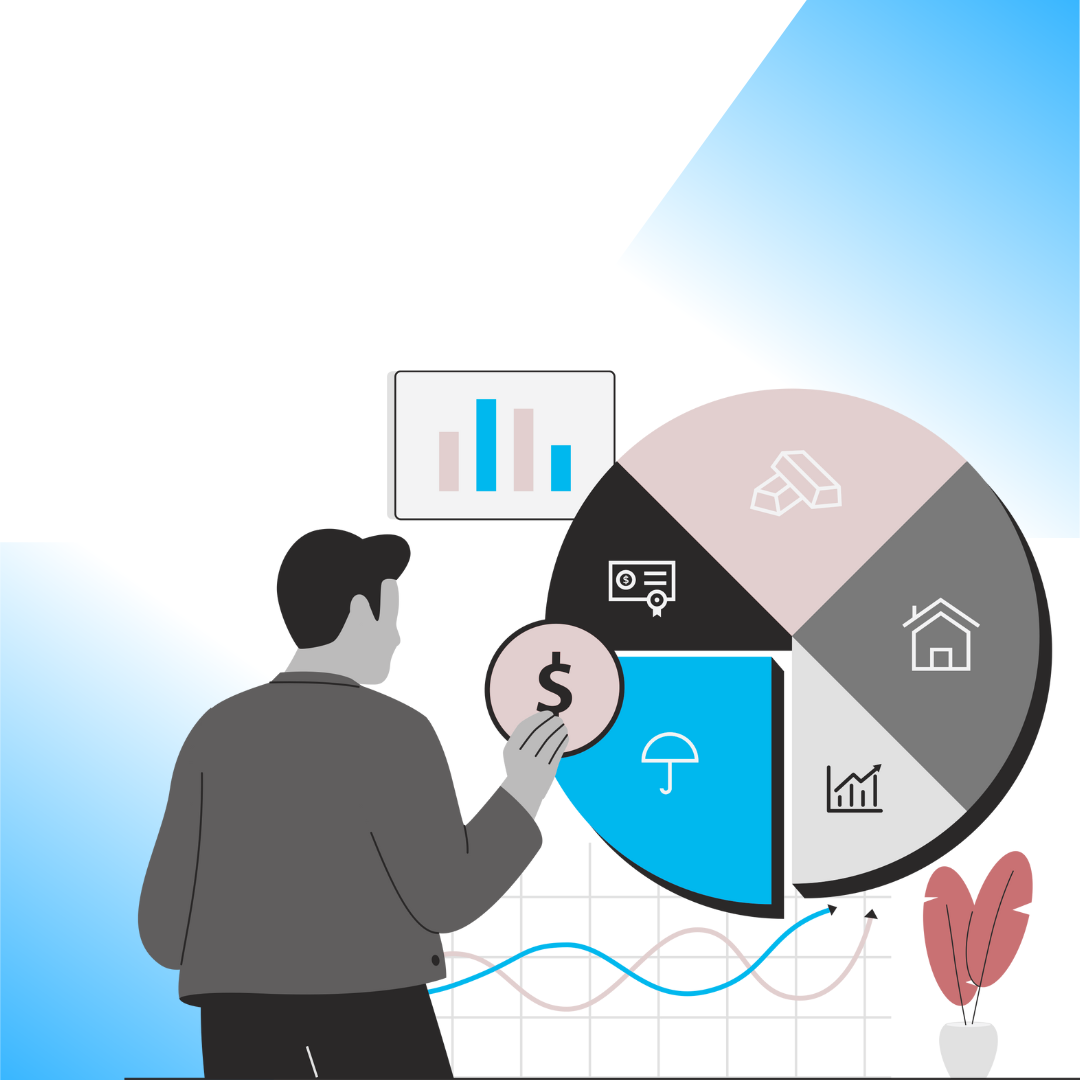
The following example shows how a business might allocate a $1,000 monthly advertising budget. Your actual budget distribution should depend on your target audience, marketing objectives, and the platforms that deliver the best results for your business.
1. Facebook Ads
Allocate approximately 50% of your budget to Facebook if it is your primary platform. Use audience targeting, retargeting, and lookalike audiences to reach potential customers and improve conversions.
2. Instagram Ads
Invest around 30% of your budget in Instagram if your business relies on visual content. Stories, Reels, and carousel ads are excellent formats for increasing brand awareness and audience engagement.
3. Test New Opportunities
Reserve the remaining 20% of your budget to experiment with additional platforms or new advertising formats. Depending on your audience, this could include TikTok, Pinterest, LinkedIn, or other social media platforms that align with your marketing goals.
Regularly review your campaign results and adjust your budget based on performance. Investing more in successful campaigns while testing new opportunities can help maximize your advertising return on investment.
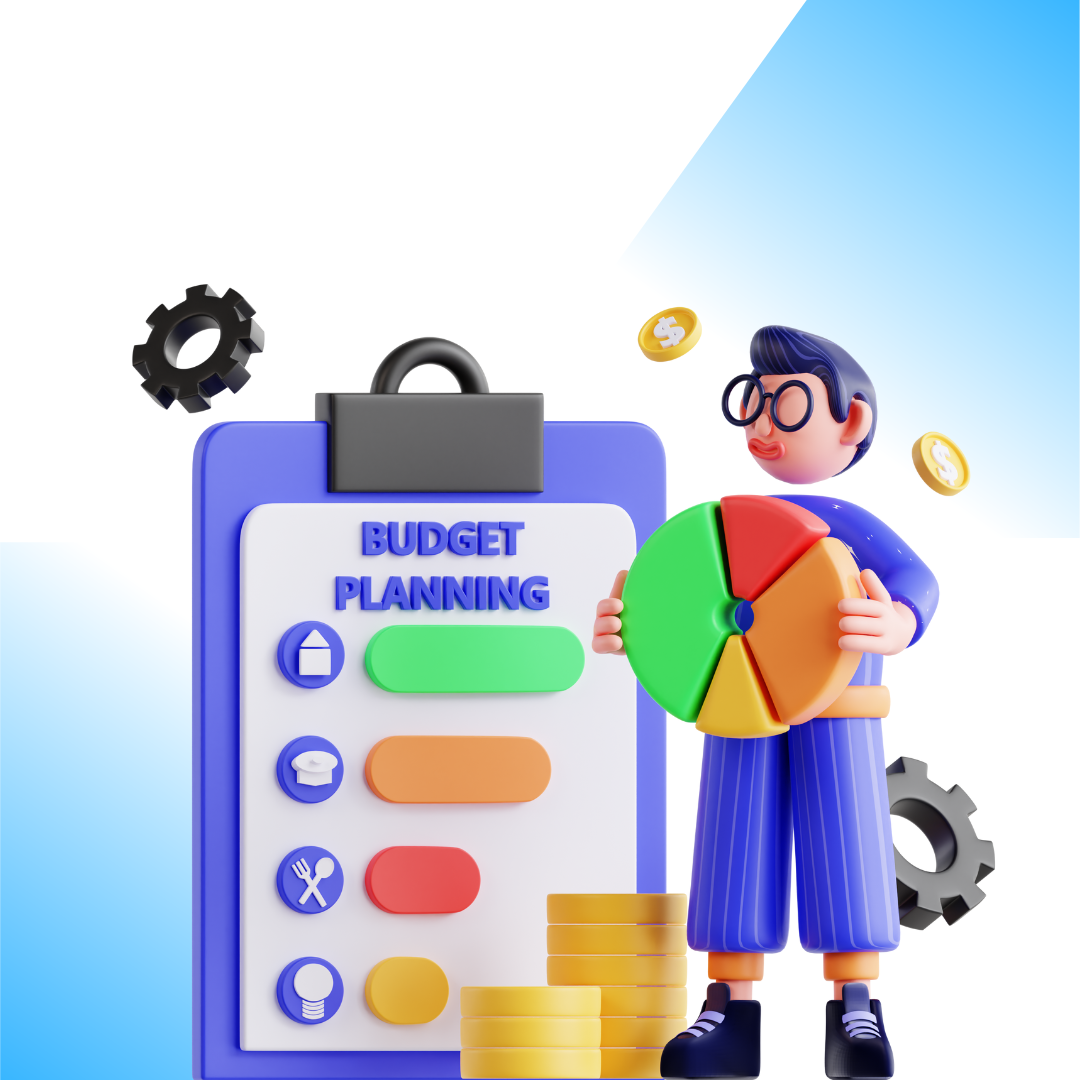
Tools To Help With Budgeting
The right advertising tools can help you plan budgets, monitor campaign performance, and make informed decisions based on real data. Using these platforms allows you to track spending, optimize your campaigns, and maximize your return on investment.
1. Facebook Ads Manager
Facebook Ads Manager helps you create, manage, and monitor advertising campaigns across Facebook and Instagram. You can set daily or lifetime budgets, track campaign performance, and analyze metrics such as cost per click (CPC), click-through rate (CTR), and return on investment (ROI) to improve your advertising results.
2. Google Ads
Google Ads helps businesses manage advertising budgets while reaching potential customers through Search, Display, YouTube, and other Google platforms.
Its planning and reporting tools allow you to monitor campaign performance, adjust bids, and optimize your budget for better results.
Use performance data to identify successful keywords, advertisements, and audiences. Regularly reviewing your campaigns helps improve return on investment (ROI) while keeping your advertising costs under control.
3. Hootsuite
Hootsuite helps businesses manage multiple social media accounts from a single dashboard. It also provides performance reports and analytics that help you monitor campaigns, compare results across platforms, and make more informed budgeting decisions.
By tracking engagement and campaign performance in one place, you can identify successful strategies, adjust your marketing efforts, and allocate your advertising budget more effectively.
4. AdEspresso
AdEspresso simplifies the process of creating, testing, and optimizing social media advertising campaigns. Its built-in A/B testing features make it easy to compare different ads and identify the versions that deliver the best results.
By monitoring campaign performance and focusing your budget on top-performing ads, you can improve engagement, increase conversions, and maximize your return on investment.
5. Microsoft Advertising
Microsoft Advertising helps businesses reach potential customers through the Microsoft Search Network, including Bing and its partner sites.
It offers flexible budgeting options, audience targeting, and performance reporting to help you manage your advertising campaigns effectively.
Its optimization tools allow you to monitor results, adjust your budget, and improve campaign performance over time. This can help increase visibility, attract qualified traffic, and maximize your return on investment.
6. AdRoll
AdRoll is a popular platform for retargeting campaigns that helps businesses reconnect with website visitors and previous customers. It tracks customer behaviour, identifies high-value audiences, and helps optimize advertising campaigns to improve conversion rates.
Performance reports and analytics provide valuable insights into return on investment (ROI), allowing you to adjust your budget and refine your campaigns based on real results.
7. Sprout Social
Sprout Social is a social media management platform that helps businesses monitor performance across multiple social networks. Its analytics and reporting tools provide valuable insights into audience engagement, campaign results, and overall marketing performance.
By reviewing these insights, you can refine your advertising strategy, allocate your budget more effectively, and improve your return on investment over time.
8. Skai (Formerly Kenshoo)
Skai is an advertising management platform that helps businesses manage and optimize campaigns across multiple digital channels. Its AI-powered insights and automation tools support smarter budget allocation, improve campaign performance, and simplify advertising management.
By analyzing performance data in real time, Skai helps businesses refine their strategies, reduce wasted ad spend, and maximize their return on investment.
9. Meta Ads Manager
Meta Ads Manager is the primary platform for creating and managing advertising campaigns across Facebook, Instagram, Messenger, and the Meta Audience Network. It provides advanced tools for audience targeting, budget management, ad creation, and performance tracking.
The platform also offers detailed analytics that help you optimize campaigns, adjust your budget, and improve your return on investment. Its comprehensive features make it suitable for both small businesses and large-scale advertising campaigns.
10. WordStream
WordStream helps businesses manage and optimize pay-per-click (PPC) advertising campaigns across platforms such as Google Ads and Microsoft Advertising.
Its budgeting, reporting, and optimization tools help advertisers improve campaign performance while making better use of their advertising budget.
By identifying high-performing keywords and advertisements, WordStream helps reduce wasted ad spend, improve return on investment (ROI), and simplify campaign management.
11. Microsoft Advertising Editor
Microsoft Advertising Editor is a desktop application that helps advertisers manage Microsoft Advertising campaigns more efficiently. It allows you to make bulk edits, update budgets, adjust bids, and optimize multiple campaigns, even when working offline.
The tool is especially useful for managing large advertising accounts. It saves time, simplifies campaign updates, and helps improve overall advertising performance.
Tips For Optimizing Your Ad Spend
Optimizing your advertising budget is about making every dollar work harder. By monitoring performance, testing different approaches, and focusing on high-performing campaigns, you can improve results while keeping your advertising costs under control.
1. Set Clear Objectives
Start every campaign with clear and measurable objectives. Whether your goal is to increase brand awareness, generate leads, drive website traffic, or boost sales, having defined goals helps you make better budgeting decisions and measure your success.
Clear objectives also make it easier to evaluate campaign performance, adjust your strategy, and maximize your return on investment.
2. Understand Your Target Audience
Take time to research your target audience before launching your advertising campaigns. Understanding your audience's demographics, interests, online behaviour, and purchasing habits helps you create more relevant advertisements and reach the right people at the right time.
The better you understand your audience, the more effectively you can target your ads, improve engagement, and increase your return on investment.
3. Start Small
Begin with a modest advertising budget to test different audiences, ad creatives, and campaign strategies. Starting small allows you to identify what works before investing more money in your campaigns.
Monitor key performance metrics such as cost per click (CPC), click-through rate (CTR), and conversion rate. Once you identify successful campaigns, gradually increase your budget to maximize results while keeping your advertising costs under control.
4. Continually Test And Improve
Continually test different headlines, images, ad copy, calls to action, and audience targeting to discover what works best. Review your campaign performance regularly and invest more of your budget in the highest-performing ads. Ongoing testing helps improve engagement, increase conversions, and maximize your return on investment.
5. Retargeting
Allocate part of your advertising budget to retargeting campaigns that reconnect with people who have already visited your website or interacted with your ads.
These audiences are often more familiar with your brand and may be more likely to complete a purchase or take another desired action.
Well-planned retargeting campaigns can increase engagement, improve conversion rates, and maximize your return on investment.
6. Use Lookalike Audiences
Create lookalike audiences based on your existing customers or website visitors to reach new people with similar interests and behaviours.
This strategy helps you expand your audience while focusing your advertising budget on people who are more likely to engage with your business.
Review your campaign performance regularly and refine your audience as new data becomes available. This can improve targeting, increase conversions, and maximize your advertising return on investment.
7. Optimize For High-Performing Times
Review your campaign data to identify the days and times when your audience is most active. Scheduling your ads during these periods can help improve visibility, increase engagement, and make better use of your advertising budget.
Continue monitoring your campaign performance and adjust your schedule as audience behaviour changes over time. Regular optimization helps maximize your advertising results.

FAQs
Q1: What Are Effective Social Media Ad Strategies?
Effective social media ad strategies focus on reaching the right audience with relevant content at the right time. They include audience targeting, engaging ad creatives, A/B testing, retargeting, and ongoing campaign optimization to improve engagement, conversions, and return on investment (ROI).
Q2: How Do I Choose The Right Platform For My Ads?
Choose the platforms where your target audience is most active. Facebook is ideal for broad consumer audiences, Instagram works well for visual content, LinkedIn is suited to B2B marketing, and TikTok is popular with younger audiences.
Q3: Why Are Seasonal Campaigns Important In Social Media Ads?
Seasonal campaigns help keep your brand relevant by aligning your advertising with holidays, special events, and seasonal trends. Timely promotions can increase engagement, attract new customers, and improve campaign performance.
Q4: How Do Micro-Influencers Help With Social Media Ad Strategies?
Micro-influencers often have highly engaged audiences within specific niches. Partnering with the right influencer can increase brand awareness, build trust, and generate authentic engagement with potential customers.
Q5: How Can Audience Insights Improve Social Media Ad Strategies?
Audience insights help you understand who is engaging with your advertisements and how they respond to your campaigns. This information allows you to refine your targeting, improve your messaging, and increase your advertising return on investment.
Q6: What Is The Role Of Budget Optimization In Social Media Ad Strategies?
Budget optimization helps you allocate your advertising budget more effectively by focusing on the campaigns that deliver the best results.
Regularly reviewing performance data allows you to adjust spending, improve campaign efficiency, and maximize your return on investment.
Q7: Why Should I Invest In Social Media Advertising?
Social media advertising helps businesses reach targeted audiences, increase brand awareness, generate leads, and drive sales. It also provides measurable results, allowing you to monitor performance, refine your campaigns, and improve your marketing strategy over time.
Conclusion
Effective Social Media Ad Strategies help businesses reach the right audience, increase engagement, and drive meaningful results.
Success comes from setting clear goals, understanding your audience, creating compelling advertisements, and continually optimizing your campaigns using performance data.
Social media advertising is not a one-time effort but an ongoing process of testing, learning, and refining your approach. By applying the strategies in this guide, you can improve your return on investment, strengthen your brand, and build lasting connections with your audience.
I trust you enjoyed this article on the 15 Effective Social Media Ad Strategies. Please stay tuned for more insightful blogs on affiliate marketing, online business, and working from anywhere in the world.
Take care!
— JeannetteZ 🌍✨
💬 Your Opinion Is Important To Me
Do you have thoughts, ideas, or questions? I’d love to hear from you. Please leave your comments below or email me directly at Jeannette@WorkFromAnywhereInTheWorld.com.
📚 More Work From Anywhere Reads
🚀 Ready to Build a Business You Can Run from Home
Or from Anywhere in the World?
Imagine creating income on your terms — from home, a cozy café, or wherever life takes you.
With the right tools, training, and community support, it’s entirely possible.
Start your own online business for free — no credit card needed.
Disclosure
This post may contain affiliate links. As an Amazon Associate and participant in other affiliate programs, I earn from qualifying purchases at no extra cost to you. Please read my full affiliate disclosure.