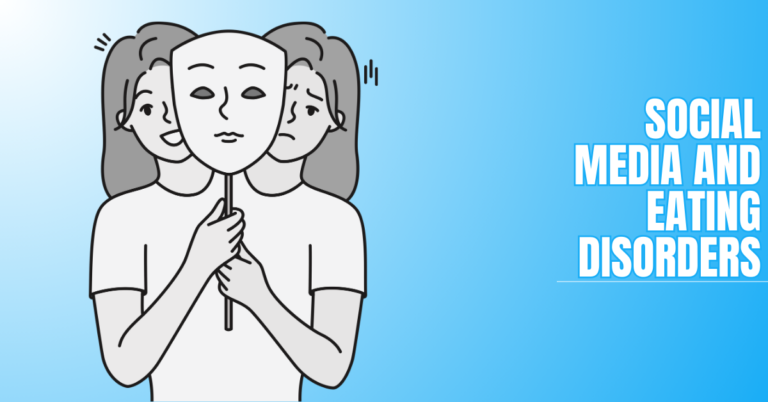

Social Media’s Impact On Mental Health
Social media has become an important part of modern life. People use it to communicate, learn, and share experiences.
But constant online activity can influence thoughts, emotions, and behaviour. Many users feel happy scrolling through positive content, yet others experience stress, comparison, or loneliness.
Understanding social media's impact on mental health is essential, especially for young users who spend significant time online. This article explores both sides.
How Social Media Affects The Mind
Social media affects the mind in powerful and subtle ways. Every time someone receives a like, comment, or message, the brain releases dopamine. Dopamine is a chemical linked to pleasure and reward.
This makes social media feel exciting. Over time, the brain begins to expect these small rewards. That is why many people check their phones repeatedly, even without notifications.
Constant scrolling trains the brain to seek quick entertainment. Short videos, fast updates, and endless content reduce attention span. Focusing on long tasks, like studying or reading, may become harder. The mind gets used to rapid stimulation.
Social media also influences emotions. Positive comments can boost confidence. Supportive messages may reduce loneliness. But negative comments or online arguments can cause stress and anxiety. Even seeing upsetting news repeatedly can create emotional fatigue.
Another major impact is comparison. People often share the best parts of their lives online. Vacations, achievements, and perfect photos appear daily.
When users compare their real lives to these highlight moments, they may feel inadequate. This can lower self-esteem and create self-doubt.
Sleep patterns are also affected. Many users scroll before bedtime. The blue light from screens can interfere with the brain's sleep signals. Poor sleep increases irritability and stress.
However, social media is not entirely harmful. It can stimulate learning and creativity. It connects people who share similar interests. It gives access to support groups and educational content.
The key factor is balance. When used mindfully, social media can support mental well-being. When overused or used without awareness, it can overstimulate the brain and affect emotional health. Understanding these mental effects helps users build healthier digital habits.
Positive Effects Of Social Media
1. Stronger Communication And Connection
Social media makes communication fast and easy. People can stay in touch with friends and family across different cities or countries. Video calls, voice messages, and instant chats reduce distance.
This helps people feel connected, even when they cannot meet in person. For students, it allows group discussions and project collaboration. For families, it helps share daily updates and special moments.
Staying connected can reduce loneliness and improve emotional well-being. When used positively, social media strengthens relationships and builds a sense of belonging in today's fast-moving digital world.

2. Access To Educational Resources
Social media provides access to free learning materials. Students can watch tutorials, join study groups, and follow educational pages. Teachers and experts share lessons, tips, and career advice.
Many platforms offer short videos that explain complex topics simply. This supports self-learning and skill development.
Learners can explore subjects beyond school textbooks. Social media also helps users stay updated on global knowledge and trends.
With the right content choices, it becomes a powerful learning tool. Education becomes more flexible, interactive, and accessible to anyone with an internet connection.
3. Emotional Support And Online Communities
Social media helps people find supportive communities. Individuals facing similar challenges can connect and share experiences. Feeling understood reduces isolation. Online groups often provide encouragement and helpful advice.
People can discuss hobbies, health journeys, personal goals, or creative interests. Supportive interactions boost confidence and reduce stress. Many users feel comfort knowing others face similar struggles.
Positive communities create a safe space for open discussion. This connection improves emotional resilience. When users choose healthy groups, social media becomes a platform for encouragement, empathy, and shared growth rather than negativity.
4. Creative Expression And Talent Showcase
Social media gives people a platform to express creativity. Users share art, music, writing, photography, and videos. Young creators can display talent to a global audience.
This builds confidence and motivation. Constructive feedback helps improve skills. Many individuals discover hidden talents through online sharing.
Creative expression also supports mental well-being. It allows people to release emotions healthily. Social media can turn hobbies into opportunities.
Artists, musicians, and content creators often grow their careers online. Used wisely, it becomes a stage for innovation and personal development.
5. Awareness And Social Change
Social media spreads awareness quickly. Important topics like mental health, education, and social issues reach large audiences.
This highlights social media's impact on mental health, as raising awareness of important issues can foster empathy, support, and positive social change. Awareness encourages empathy and understanding.
It inspires people to take positive action. Charity events, fundraising efforts, and volunteer programs often gain visibility through social platforms. Information sharing empowers individuals to stay informed and responsible.
When accurate and respectful content is promoted, social media becomes a tool for social progress, encouraging unity and collective responsibility.
6. Business And Career Opportunities
Social media creates opportunities for businesses and professionals. Entrepreneurs promote products and services online. Small businesses reach customers without expensive advertising.
Professionals build personal brands and network with industry leaders. Job opportunities are often shared through social platforms. Freelancers find clients globally.
Students explore internships and career advice. Social media helps individuals learn about market trends and develop new skills. It supports economic growth and innovation.
When used strategically, social media opens doors to career development, financial independence, and professional success.
7. Entertainment And Stress Relief
Social media provides entertainment that helps people relax. Funny videos, inspiring stories, and engaging content improve mood. Short breaks from daily stress can refresh the mind. Light content may reduce anxiety temporarily.
Music, travel clips, and motivational posts bring positivity. However, balance is important. Moderate use can refresh mental energy. Entertainment helps people unwind after school or work.
When users avoid harmful content, social media becomes a healthy escape. It offers moments of joy and relaxation in a busy daily routine.
8. Cultural Exchange And Global Awareness
Social media connects people from different cultures. Users learn about traditions, languages, food, and lifestyles worldwide. Cultural exchange builds understanding and respect. It reduces stereotypes and promotes tolerance.
Students explore global perspectives without travelling. Sharing cultural experiences increases knowledge and appreciation. Global awareness encourages empathy toward different communities.
Social media makes the world feel smaller and more connected. Exposure to diverse viewpoints strengthens open-minded thinking. When used positively, it promotes unity and global friendship across borders.

Negative Effects Of Social Media
1. Increased Anxiety And Stress
Social media can increase anxiety levels, especially when users feel pressure to stay active and responsive. Constant notifications create a sense of urgency. People may worry about missing out on updates or trends.
Exposure to negative news and online arguments also adds emotional stress. Repeated exposure to others' achievements can trigger self-doubt. Over time, this mental pressure builds tension and restlessness.
Young users are particularly vulnerable because their emotional regulation is still developing. Without healthy boundaries, social media can overwhelm the mind and contribute to ongoing stress and anxiety.
2. Low Self-Esteem And Social Comparison
One of the biggest negative effects is comparison. People usually post the best moments of their lives. Perfect photos, achievements, and filtered images dominate feeds. Users may begin comparing their real lives to these highlight reels.
This comparison often leads to feelings of inadequacy. Young people may feel they are not attractive, successful, or popular enough. Repeated comparisons over time lower self-confidence.
It creates unrealistic standards of beauty and success. When self-worth becomes linked to online approval, mental health suffers. Building self-esteem becomes harder in a highly curated digital environment.
3. Cyberbullying And Online Harassment
Cyberbullying is a major part of social media's impact on mental health, often causing emotional distress and reducing confidence among users. Hurtful comments, rumours and public shaming can deeply affect mental health.
Unlike traditional bullying, online harassment can happen anytime and reach a wide audience. Victims may feel helpless because harmful content spreads quickly. Fear, sadness, and embarrassment often follow.
Some users avoid posting or interacting due to anxiety. Long-term exposure to cyberbullying can lead to depression and social withdrawal.
Teenagers are especially at risk. Safe reporting systems and open conversations are essential to reduce the emotional damage caused by online harassment.
4. Addiction And Loss Of Productivity
Social media is designed to keep users engaged. Endless scrolling and short-form content make it hard to stop. Many people spend hours online without realizing it. This reduces productivity and focus.
Students may struggle with studying. Professionals may find it difficult to complete tasks. The brain becomes used to constant stimulation. Without access to social media, users may feel restless or bored.
This dependency can affect daily routines and responsibilities. Over time, excessive use interferes with academic performance, work efficiency, and personal goals, creating an imbalance in life.
5. Sleep Disturbances
Late-night scrolling is common among social media users. Many people check their phones before they go to sleep. The blue light from screens interferes with the body's natural sleep cycle.
It reduces melatonin production, making it harder to fall asleep. Poor sleep affects mood, concentration, and emotional stability. Lack of rest increases irritability and stress. Teenagers who sleep less often experience lower academic performance and higher anxiety.
Using social media in bed creates unhealthy habits. Establishing screen-free bedtime routines can help protect mental and physical health from long-term sleep disruption.
6. Fear Of Missing Out (FOMO)
Fear of Missing Out (FOMO) is common on social media. Seeing friends attend events, travel, or achieve milestones can leave people feeling excluded. Users may believe they are missing exciting experiences.
This feeling can lead to dissatisfaction with their own lives. Even when someone is content, constant exposure to others' activities may trigger insecurity. FOMO encourages people to check social media frequently to stay up to date.
This cycle increases stress and reduces present-moment awareness. Learning to appreciate personal experiences without comparison helps reduce this emotional pressure.
7. Exposure To Harmful Or Unrealistic Content
Social media exposes users to unrealistic standards of beauty, success, and lifestyle. Edited photos and filtered images distort reality. Young people may try to imitate unhealthy trends.
Some content promotes extreme dieting, risky challenges, or negative behaviours. Without guidance, users may struggle to separate reality from online illusion.
This confusion affects self-image and decision-making. Continuous exposure to harmful content can normalize unhealthy ideas.
Teaching digital literacy helps users think critically about what they see online. Understanding that not everything online reflects real life protects mental well-being.
8. Reduced Real-Life Social Interaction
Excessive online interaction is another example of social media's impact on mental health, as it can reduce real-life communication and emotional connection. Real-world conversations build empathy and emotional understanding.
When social media replaces in-person interaction, social skills may weaken. Some users feel more comfortable online than offline. This creates social anxiety in real-life situations.
Family bonding time may decrease. Friendships may become shallow if limited to digital conversations. Human connection requires eye contact, tone, and physical presence.
Overreliance on digital communication can reduce emotional depth in relationships. Balancing online and offline interactions supports healthier mental and social development.
Warning Signs Of Social Media Burnout
1. Constant Mental Exhaustion
You feel mentally tired after scrolling, even if you did nothing physically demanding. Social media no longer feels fun. Instead, it drains your energy.
This exhaustion happens because your brain processes endless information, comparisons, and emotions without real rest, leading to digital fatigue.
2. Increased Irritability
Small things start to annoy you more than usual. Notifications feel overwhelming. Online debates trigger frustration quickly.
When social media use increases irritability, it may signal emotional overload. Your mind struggles to handle constant stimulation, reducing patience and emotional balance in daily life.
3. Difficulty Concentrating
You struggle to focus on studies or work. Your mind keeps thinking about checking updates. Even short tasks feel hard to complete.
Frequent switching between apps weakens attention span. If concentration drops significantly, social media burnout may impair cognitive performance.
4. Problems Sleeping
You scroll late at night and wake up feeling tired. Falling asleep becomes harder because your mind stays active. Poor sleep leads to mood swings and low energy. Consistent sleep problems connected to phone use are strong warning signs of digital burnout.
5. Emotional Numbness
Content that once excited or entertained you now feels meaningless. You scroll without feeling joy or interest. Emotional numbness suggests overstimulation. When the brain receives too much input, it reduces emotional response as a coping mechanism.
6. Anxiety When Offline
You feel restless or uncomfortable when you don't check your phone. Even short breaks cause worry about missing updates. This dependency signals unhealthy attachment. If being offline creates anxiety, it may indicate burnout and overreliance on digital validation.
7. Loss Of Interest In Real-Life Activities
Hobbies, sports, and face-to-face conversations feel less exciting than scrolling. You may avoid outdoor activities to stay online. When real-life engagement declines significantly, social media burnout can affect motivation and emotional balance.
8. Negative Self-Perception
You frequently compare yourself to others and feel inadequate. Self-confidence drops after browsing posts. Persistent self-doubt triggered by online content is a major warning sign of burnout. It indicates your mental health is being influenced by excessive comparison and unrealistic standards.
Wealthy Affiliate – Mini Review
If you’ve ever thought about turning your blog, passion, or niche into an online business,
Wealthy Affiliate (WA) is one of the most beginner-friendly platforms I’ve used.
It combines step-by-step training, website hosting, SEO research tools,
and an active community all in one place.
What I like most: you can start free (no credit card needed),
explore lessons, test the tools, and connect with other entrepreneurs
before upgrading. WA isn’t a “get rich quick” scheme — it’s a platform where success comes
from consistent effort and applying what you learn.
Healthy Social Media Habits
1. Set Daily Screen Time Limits
Decide how much time you will spend on social media each day. Use built-in screen time tools to track usage. Avoid endless scrolling.
Limiting time helps protect focus, mood, and productivity. When used correctly, social media becomes a tool for connection rather than a distraction that dominates daily life.
2. Follow Positive And Educational Content
Choose accounts that inspire, educate, or motivate you. Unfollow pages that create negativity, comparison, or stress. Your feed shapes your mindset.
Filling it with healthy, meaningful content improves mood and confidence. Being selective about what you consume online protects your mental well-being and encourages personal growth.
3. Turn Off Unnecessary Notifications
Managing notifications is important when discussing social media's impact on mental health, as constant alerts can increase distraction, anxiety, and reduce focus. Disable alerts that are not important.
This reduces the urge to check your phone repeatedly. Fewer interruptions help you stay focused on studies, work, and real-life conversations. Controlling notifications gives you control over your time and mental energy.
4. Avoid Social Comparison
Remember that most people post highlights, not struggles. Do not compare your everyday life to someone else's filtered moments. Focus on your progress and goals.
Self-worth should not depend on likes or followers. Practicing gratitude for your own journey reduces pressure and builds stronger self-esteem.
5. Keep Phones Away Before Bedtime
Avoid using social media at least one hour before sleep. Late-night scrolling affects sleep quality and increases stress. Create a bedtime routine without screens.
Better sleep improves mood, concentration, and emotional balance. Resting is one of the simplest ways to support mental health.
6. Balance Online And Offline Activities
Spend time on hobbies, exercise, reading, and face-to-face conversations. Real-life experiences strengthen relationships and emotional skills.
Social media should not replace physical activity or personal interaction. A balanced lifestyle ensures digital habits do not interfere with growth, learning, and healthy social development.
7. Think Before Posting
Pause before sharing photos, opinions, or comments. Ask yourself if the content is respectful and necessary. Once something is posted, it can spread quickly.
Responsible posting protects your reputation and relationships. Being mindful online creates a safer and more positive digital environment for everyone.
8. Speak Up And Seek Support
If social media makes you feel stressed or bullied, talk to someone you trust. Report harmful content. Do not handle online problems alone.
Seeking support is a sign of strength. Open communication helps prevent emotional damage and promotes safer, healthier digital experiences for all users.

Conclusion
Social media is a powerful part of modern life. It can inspire, connect, and educate, but it can also create stress, comparison, and emotional fatigue. The difference lies in how we use it.
Healthy habits, digital boundaries, and self-awareness protect mental well-being. Understanding social media's impact on mental health helps people use social platforms responsibly to gain benefits while avoiding emotional stress and burnout.
By using it mindfully and balancing online and offline experiences, we can enjoy its benefits while protecting our mental health.
I trust you enjoyed this article on Social Media's Impact On Mental Health. Please stay tuned for more insightful blogs on affiliate marketing, online business, and working from anywhere in the world.
Take care!
— JeannetteZ 🌍✨
💬 Your Opinion Is Important To Me
Do you have thoughts, ideas, or questions? I’d love to hear from you. Please leave your comments below or email me directly at Jeannette@WorkFromAnywhereInTheWorld.com.
📚 More Work From Anywhere Reads
🚀 Ready to Build a Business You Can Run from Home
Or from Anywhere in the World?
Imagine creating income on your terms — from home, a cozy café, or wherever life takes you.
With the right tools, training, and community support, it’s entirely possible.
Start your own online business for free — no credit card needed.
Disclosure
This post may contain affiliate links. As an Amazon Associate and participant in other affiliate programs, I earn from qualifying purchases at no extra cost to you. Please read my full affiliate disclosure.