How To Set Realistic Online Business Goals For 2026
Setting realistic online business goals for 2026 isn’t about chasing hype. Online business moves fast. Markets shift. Platforms evolve. Tools like Notion, Klaviyo, and ActiveCampaign help you track progress, but the strategy is still yours.
Your goals must match your capacity. They need precise numbers, logical planning, and clear deadlines. In 2026, you need direction—not chaos.
Plan from outcomes and reverse-engineer the required steps to reach them. We’ll keep it real, actionable, and entirely achievable so your Online Business Goals actually turn into results.
Steps To Set Realistic Online Business Goals
Step 1: Review Your 2025 Baseline
Start by reviewing your 2025 baseline. Look closely at real numbers. Check monthly revenue and profit. Identify peaks and slow months. Analyze website traffic, top pages, and conversion rates.
Examine your email list—size, open rates, and clicks. Evaluate social media reach and engagement. Look at customer behaviour: churn, repeat purchases, and average order value. Utilize tools such as Google Analytics and Platform Insights.
Check trends over 2–3 years, not just spikes. Ask: Which products or services were profitable? Which drained energy? Which channels brought quality customers? Learn from the past to plan smarter for 2026.
Pro Tips
- Use dashboards. Stop guessing numbers.
- Track ROI. Delete low-profit channels.
- Segment customers. Plan from insights.
- Review monthly. Adjust fast. Stay realistic.
Step 2: Decide What ‘Growth' Means For You
“Grow your business” sounds nice, but it’s vague. Decide what growth really means for 2026. Is it higher revenue? More qualified leads? Better retention? A bigger audience? Or even more free time?
Pick 1–3 main growth themes that match your long-term strategy. Maybe it’s “grow revenue sustainably,” “improve customer retention,” or “systematize operations and hire.” Focus on fewer goals, not every opportunity.
Let all actions support these themes. A clear definition of growth keeps your team aligned, your efforts purposeful, and your results measurable. Thoughtful planning beats busywork every time.
Pro Tips
- Pick only 1–3 main goals.
- Align growth with long-term strategy.
- Measure results, not just activity.
- Ignore opportunities that distract focus.

Step 3: Use The SMART Framework (But Make It Human)
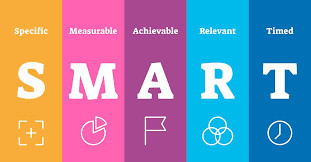
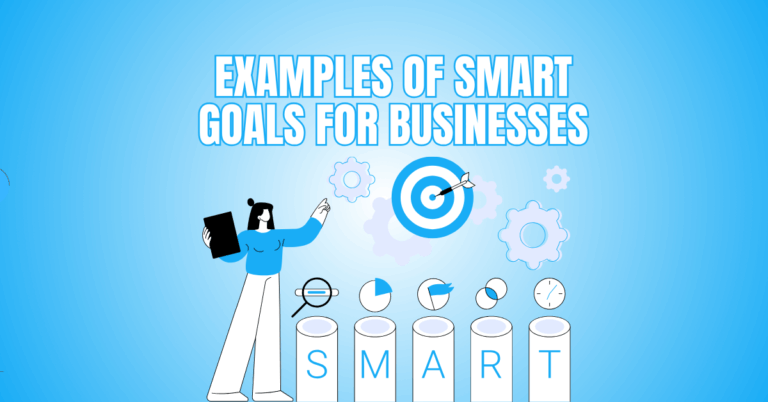
Using SMART goals ensures your online business goals are clear, actionable, and achievable throughout 2026. Specific means clear targets, like “increase monthly revenue from €3,000 to €5,000.”
Measurable attaches numbers—20% more traffic, 10% higher conversion, 30 new leads monthly. Achievable keeps goals realistic based on past performance and capacity.
Relevant ensures each goal aligns with your 2026 themes and long-term vision. Time-bound sets deadlines—3, 6, or 12 months. SMART isn’t boring; it’s practical.
It gives you clarity on how to reach goals, what resources you need, and when results should appear. Planning this way reduces wasted effort and stress.
Pro Tips
- Attach precise numbers for every goal.
- Base targets on real past performance.
- Align all goals with the main themes.
- Set deadlines and check progress regularly.
Step 4: Choose Your Core 2026 Metrics
In 2026, tracking everything is impossible. Focus on core metrics that truly matter. For content creators, track website sessions, organic traffic, email subscribers, and revenue per subscriber.
Service businesses should watch qualified leads, discovery calls, close rates, average project size, and client retention. E-commerce stores need conversion rate, average order value, repeat purchase rate, and cart abandonment.
Only track metrics that guide decisions. Use tools like Google Analytics, email platforms, and e-commerce dashboards. Ignore vanity numbers. Core metrics give clarity. They reveal what works and what needs improvement. Focus simplifies action and boosts growth.
Pro Tips
- Pick metrics tied to the main goals.
- Track consistently weekly or monthly.
- Use dashboards for quick visibility.
- Avoid vanity metrics that mislead.
Step 5: Set Realistic Revenue And Growth Targets
Now it’s time to set revenue and growth targets for 2026. Start by reviewing the last 12–36 months. Calculate your average growth. Think about what changes you’ll make—new offers, ads, content, or team members.
Set targets slightly above past results, factoring in improvements. For example, 20% growth last year could become 35–50% with better systems. Avoid unrealistic jumps like €1,000 to €50,000 in one year without resources.
Set three goals: minimum (stable), target (stretch), and dream (optional). This way, you celebrate progress and stay motivated, even if the dream goal isn’t reached.
Pro Tips
- Base targets on historical performance data.
- Factor in improvements and new resources.
- Set minimum, target, and dream goals.
- Avoid unrealistic jumps without support systems.
Step 6: Translate Big Goals Into Quarterly Milestones
Annual goals can feel vast and vague. Break them into quarterly milestones: Q1, Q2, Q3, Q4. For each goal, ask what must be true each quarter.
For example, if your goal is “increase monthly revenue 30% by December,” plan: Q1 – website audit, UX improvements, 12 blog posts; Q2 – launch lead magnet, email sequences, A/B tests; Q3 – run small ad campaigns, refine offers; Q4 – double top-performing traffic sources, prep year-end promotions.
Review results each quarter and adjust. This keeps progress visible, manageable, and prevents surprises at year-end.
Pro Tips
- Break annual goals into quarterly chunks.
- Define clear outcomes for each quarter.
- Adjust plans after quarterly reviews.
- Focus on progress, not perfection.

Step 7: Create Actionable Monthly And Weekly Plans
Creating actionable monthly and weekly plans helps you achieve your online business goals efficiently and consistently. Start with monthly targets. For example, 30 leads per month at 2% conversion means 1,500 visitors.
Decide how many emails, posts, videos, or collaborations will drive that traffic. Break these into weekly tasks: publish one blog post, email your list, reach out to three partners, and review analytics for 30 minutes.
Keep tasks short and realistic. Fewer high-impact actions are better than long to-do lists. Consistency beats chaos. Completing a few key tasks each week compounds into measurable results by month-end.
Pro Tips
- Break monthly targets into weekly actions.
- Focus on high-impact, realistic tasks.
- Track progress weekly for quick adjustments.
- Prioritize consistency over quantity of functions.
Step 8: Focus On Systems And Outcomes
Goals feel unrealistic without systems. Systems are routines, tools, and processes that make results almost inevitable. Content systems handle keyword research, outlines, creation, publishing, and repurposing.
Lead systems include traffic sources, lead magnets, landing pages, and follow-ups. Sales systems cover calls, scripts, proposals, checkout flows, and follow-ups.
Retention systems focus on onboarding, loyalty programs, feedback, and consistent communication. In 2026, sustainable growth comes from data-driven decisions, transparent repeatable processes, and prioritizing activities that move key metrics.
When systems work, outcomes happen naturally. Focus on processes, not just numbers, and success becomes predictable instead of stressful.
Pro Tips
- Build repeatable content creation processes.
- Use data to guide all decisions.
- Allocate resources to key metrics.
- Focus on systems, not just outcomes.
Step 9: Use Data And Checkpoints To Stay Honest
Realistic goals aren’t fixed—markets, platforms, and life change. Checkpoints keep you honest. Weekly, review traffic, leads, and sales. Monthly, dig deeper into what worked and what didn’t. Quarterly, adjust strategy and goals if needed.
Ask yourself: Are you on track? Which 20% of activities drove 80% of results? What can be simplified, automated, or delegated? If you fall behind, don’t just work harder. Improve systems, tweak tactics, or adjust goals to reality.
Regular checkpoints make planning flexible, prevent burnout, and ensure your 2026 goals stay achievable while staying aligned with real performance.
Pro Tips
- Review metrics weekly to stay accountable.
- Analyze monthly results for improvement opportunities.
- Adjust strategy quarterly, don’t stay rigid.
- Focus on high-impact activities only.
Step 10: Mix Ambition With Sustainability
Setting sustainable, realistic online business goals ensures growth without compromising your well-being or personal life. Stretch without breaking yourself. Build margin into schedules and budgets for surprises.
Focus on a few priorities instead of chasing everything. Sustainable growth balances business success with personal well-being. Avoid overloading yourself with tasks or ambitions that compromise health or relationships.
Choose goals that support both work and life. In 2026, ambition should motivate, not exhaust. Plan with intention. Celebrate progress. Adjust when needed.
Sustainable, realistic goals create long-term growth, energy, and satisfaction. Your business thrives when your life thrives, too.
Pro Tips
- Build time margin for unexpected events.
- Focus on a few core priorities.
- Align goals with life and values.
- Stretch goals without causing burnout.
Step 11: Design Daily And Weekly Habits
Big goals come from small, consistent habits. Decide what you will do daily and weekly to support your 2026 goals. Spend 30–60 minutes each day on high-impact tasks like content creation, lead generation, or improving customer experience.
Schedule a weekly “CEO block” to review metrics, plan next steps, and solve problems. Clear habits prevent randomness and procrastination. When tasks are routine, progress feels natural. Goals stop being abstract ideas and become part of your daily life.
This is where the magic happens—consistency compounds, turning simple routines into powerful long-term growth. Daily and weekly habits are the engine that drives measurable growth throughout 2026.
Pro Tips
- Dedicate focused daily time to high-impact tasks.
- Schedule a weekly “CEO block” for planning.
- Keep habits consistent and repeatable.
- Avoid distractions during goal-focused sessions.

Step 12: Protect Time With A 2026 Calendar
Realistic goals need real time. Use a 2026 calendar to map your year. Block time for launches, promotions, product creation, rest, and personal life. Mark busy seasons, vacations, and fixed commitments.
Schedule big projects or launches in realistic months instead of stacking everything at once. Seeing the year visually prevents overload and keeps progress steady. It helps balance work and life, ensuring goals are achievable without stress.
Planning gives clarity on capacity and deadlines. When time is protected, focus improves, execution becomes consistent, and your 2026 goals feel doable instead of overwhelming.
Pro Tips
- Block key work, rest, and personal time.
- Map launches realistically across the year.
- Avoid stacking projects in one quarter.
- Review the calendar monthly for adjustments.
Step 13: Align Offers With Your Goals
Aligning your products and pricing with your audience ensures your online business goals are realistic and achievable in 2026. Revenue targets must match pricing and order value. If numbers don’t add up, your plan isn’t realistic.
Ask: Do you need higher-ticket offers, bundles, or subscriptions? Are current offers still relevant to your audience? Upgrading or adjusting your offer stack can make goals achievable without extreme volume.
Focus on value, not just sales. Ensure every product contributes to your growth theme. A well-aligned offer strategy reduces stress, simplifies marketing, and increases revenue predictably. Matching offers with goals makes hitting targets natural, not forced.
Pro Tips
- Evaluate if current offers meet targets.
- Consider higher-ticket products or bundles.
- Ensure offers align with audience demand.
- Focus on value, not just volume.
Step 14: Strengthen Your Marketing Foundations
Your 2026 goals need a strong marketing foundation. People must know you exist. Don’t chase every trend; focus on what works consistently. Build a simple content strategy on one or two leading platforms.
Post regularly and stay on brand. Grow your email list with valuable messages and clear calls to action. Solid marketing foundations create predictable traffic and leads, not random spikes.
When basics are strong, all other strategies amplify naturally. Your goals become achievable because your pipeline is reliable. Foundations make growth repeatable, measurable, and less stressful throughout the year.
Pro Tips
- Focus content on 1–2 leading platforms.
- Grow email list with valuable content.
- Post consistently to maintain audience engagement.
- Strengthen foundations before chasing trends.
Step 15: Add Automation Where It Makes Sense
Automation helps make your 2026 goals realistic. It saves time and energy by handling repetitive tasks. Focus on automating processes that repeat and are predictable.
Examples include welcome sequences, nurture emails, and basic follow-ups—Automate simple workflows like appointment booking, reminders, and cart recovery.
This keeps essential systems running smoothly while you focus on strategy and growth. Don’t try to automate everything; only tasks that free significant time.
When done right, automation reduces errors, maintains consistency, and supports measurable progress. Intelligent automation makes hitting your goals easier without burning yourself out or losing control of your business.
Pro Tips
- Automate repetitive tasks only, selectively.
- Use workflows for bookings and reminders.
- Set up nurture emails and follow-ups.
- Free time for strategic, high-impact work.
Step 16: Build Flexibility Into Your Plan
Building flexibility into your plan ensures your online business goals remain realistic and achievable despite unexpected changes in 2026. Set monthly or quarterly review points to adjust targets without guilt.
Keep 10–20% of your time and budget unassigned for surprises or new opportunities. This prevents stress when unexpected events occur. Flexibility keeps you committed but not rigid. It allows you to pivot, improve, and stay in the game all year.
Planning with adaptability ensures steady progress. Your goals remain realistic because they account for change. Being flexible doesn’t mean lowering standards—it means managing reality intelligently.
Pro Tips
- Schedule regular review points each quarter.
- Reserve extra time for unexpected tasks.
- Keep the budget flexible for new opportunities.
- Adjust targets based on real performance.

Step 17: Track Energy And Not Just Numbers
Your energy is as vital as numbers in your online business. If a goal constantly drains you, it won’t last—track which tasks give you energy and which drain it. Batch, shift, or delegate exhausting tasks whenever possible.
Align goals with your natural work rhythms and strengths. Sustainable goals respect your energy levels and working style. When you prioritize tasks that energize you, progress feels easier, and burnout decreases.
Tracking energy alongside KPIs ensures your 2026 goals are achievable without sacrificing well-being. Energy-conscious planning makes consistent performance over 12 months realistic and enjoyable.
Pro Tips
- Note which tasks boost or drain energy.
- Batch or delegate exhausting work efficiently.
- Align goals with natural work rhythms.
- Monitor energy alongside key business metrics.
Step 18: Celebrate Milestones Intentionally
Celebrating milestones along the way helps keep your online business goals motivating and achievable throughout 2026. Don’t wait until December 2026 to feel proud—set mini-milestones, like first 100 subscribers, first 10 product sales, or first 1,000 monthly visitors.
Decide ahead of time how you'll celebrate each victory. Share achievements with your community, team, or accountability partner. Recognizing progress builds positive momentum and reinforces consistency. Celebrations make goals tangible and fun.
They remind you that growth is happening, even if the final target isn’t yet reached. Intentional celebrations help maintain energy, focus, and morale throughout the year, making long-term success more sustainable.
Pro Tips
- Set mini-milestones for every goal.
- Celebrate wins in meaningful ways regularly.
- Share progress with your accountability network.
- Use milestones to boost motivation consistently.
Frequently Asked Questions About How To Set Realistic Online Business Goals
Q1: How Do I Choose The Right Goals For My Online Business In 2026?
Start by reviewing your performance from 2025. Identify what worked, what didn’t, and which opportunities you want to pursue. Choose 1–3 core goals that align with your long-term strategy instead of chasing everything at once.
Q2: What Makes A Goal Realistic?
A goal is realistic when it fits your current resources, capacity, skills, and market conditions. It should push you without overwhelming you. Break big goals into smaller quarterly milestones to keep them manageable.
Q3: How Specific Should My Online Business Goals Be?
Be very specific. Vague goals create stress. Use clear numbers, deadlines, and expected outcomes—for example, “increase monthly revenue by 20% by October” instead of “grow revenue.”
Q4: How Do I Stay Consistent Throughout The Year?
Use daily and weekly habits to support your goals. Spend 30–60 minutes each day on high-impact tasks and schedule a weekly “CEO block” to review progress and plan next steps.
Q5: How Often Should I Review My Goals?
Review at least quarterly. Monthly reviews are even better. These check-ins help you stay aligned, identify challenges early, and adjust your plan without guilt.
Conclusion
Setting realistic online business goals for 2026 isn’t about playing it safe—it’s about planning smart. By reviewing your baseline, defining growth, using SMART goals, tracking the right metrics, and building systems, you create a roadmap that’s both ambitious and achievable.
Add flexibility, protect your energy, and celebrate milestones along the way. When goals align with your capacity, values, and strategy, progress becomes predictable. Follow these steps, and 2026 can be your most focused, productive, and successful year yet.
I trust you enjoyed this article on How To Set Realistic Online Business Goals for 2026. Please stay tuned for more insightful blogs on affiliate marketing, online business, and working from anywhere in the world.
Take care!
— JeannetteZ 🌍✨
💬 Your Opinion Is Important To Me
Do you have thoughts, ideas, or questions? I’d love to hear from you. Please leave your comments below or email me directly at Jeannette@WorkFromAnywhereInTheWorld.com.
📚 More Work From Anywhere Reads
🚀 Ready to Build a Business You Can Run from Home
Or from Anywhere in the World?
Imagine creating income on your terms — from home, a cozy café, or wherever life takes you.
With the right tools, training, and community support, it’s entirely possible.
Start your own online business for free — no credit card needed.
Disclosure
This post may contain affiliate links. As an Amazon Associate and participant in other affiliate programs, I earn from qualifying purchases at no extra cost to you. Please read my full affiliate disclosure.