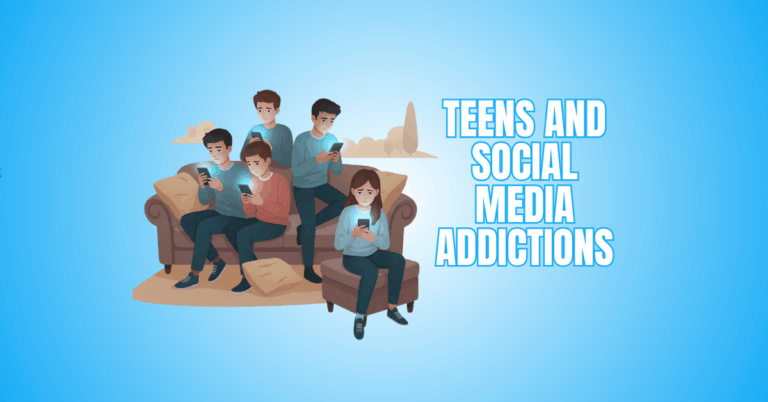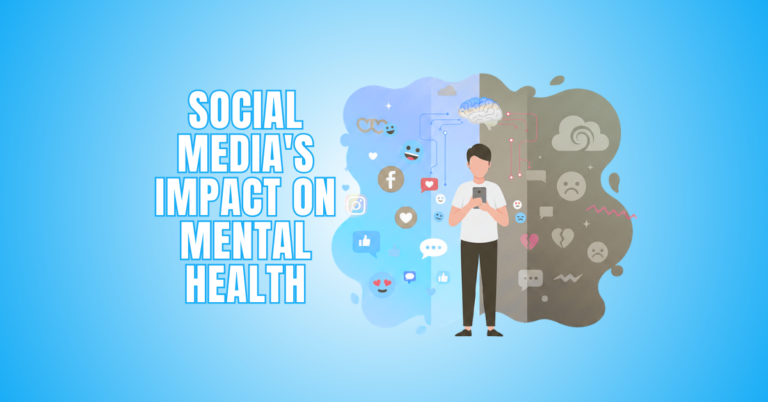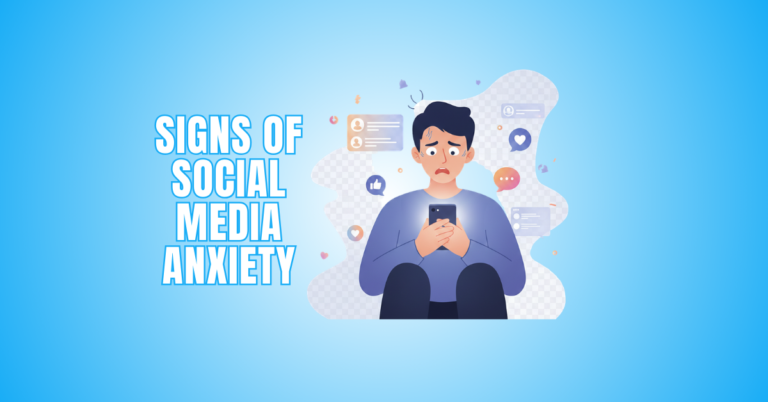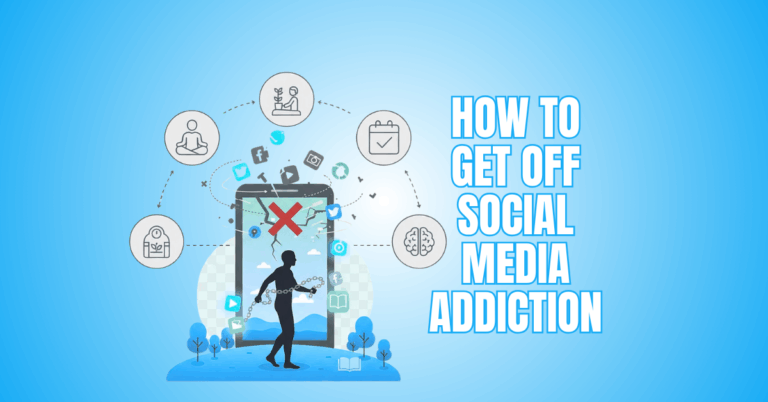

The Connection Between Social Media & Depression
The connection between social media & depression explains how social media affects emotional health. Social media influences identity, mood, and perception in modern life.
Social media sites like Instagram and Facebook facilitate communication. However, excessive use may increase loneliness, comparison pressure, and depressive symptoms. Research links heavy usage with emotional instability.
Maintaining balance is essential. Monitor your feelings after scrolling, protect sleep quality, build real-life relationships, and avoid dependence on validation. Healthy digital habits support mental well-being.
How Social Media Addiction Increases Depression Risk
1. Dopamine Dependency And Emotional Crash
Social media addiction starts with dopamine. Every notification, like, or comment gives a small emotional reward. The brain eventually comes to rely on these electronic incentives to feel good. When engagement drops, mood drops too.
This emotional crash can create irritability, sadness, and low motivation. The brain becomes conditioned to expect constant stimulation. Without it, normal life feels boring. That repeated cycle of emotional highs and lows can gradually increase vulnerability to depression.
Protect Your Mental Health Solution
- Turn off non-essential notifications
- Set fixed daily screen time limits
- Don't check your phone right away after waking up.
- Practice dopamine detox (no-scroll hours)
- Replace scrolling with physical activities
- Focus on offline hobbies for natural happiness
2. Social Comparison And Negative Self-Perception
Social media often shows curated, idealized lives. People post achievements, beauty, travel, and success. Constant exposure to these highlight reels creates pressure to compare.
Users begin to measure their real life against edited perfection. This weakens self-esteem. Over time, negative self-perception develops. Thoughts like “I'm not good enough” or “I'm behind in life” become frequent.
Persistent negative thinking is a major risk factor for depression. Addiction makes this exposure constant, intensifying emotional damage.
Protect Your Mental Health Solution
- Unfollow accounts that trigger comparison
- Follow educational and positive content
- Limit exposure to appearance-focused posts
- Practice gratitude journaling daily
- Remember that highlights, not reality, are displayed on social media.
- Build self-worth through real-life achievements.
3. Fear Of Missing Out (FOMO) And Social Anxiety
Fear of Missing Out, or FOMO, is a major driver of social media addiction. People constantly check feeds to stay updated about events, friends' activities, and social trends.
This behaviour creates anxiety when users think they are missing something important. Continuous monitoring increases mental pressure.
The brain stays in alert mode. Anxiety and depression often grow together. Over time, emotional satisfaction decreases. Users feel disconnected even while being online.
Protect Your Mental Health Solution
- Schedule specific times to check social media
- Disable unnecessary story and activity notifications
- Focus on present-moment awareness
- Practice mindfulness exercises
- Spend more time in real-life social activities
- Accept that missing some updates is normal
4. Cyberbullying And Emotional Trauma
Social media addiction increases exposure to online harassment. Cyberbullying includes negative comments, humiliation, and public criticism.
Victims may feel shame, anger, or helplessness. Unlike real-life bullying, online harassment can follow users everywhere. Screenshots and viral posts make recovery difficult.
Emotional trauma may develop if negative experiences repeat. Many victims withdraw from social interaction. Social withdrawal is a strong sign of depression. Mental wounds from online abuse can last long.
Protect Your Mental Health Solution
- Block or mute toxic accounts immediately
- Use privacy settings strictly
- Report abusive behaviour
- Avoid responding to online provocation
- Seek emotional support from trusted people
- Take a temporary social media break if needed
5. Sleep Disruption And Mood Instability
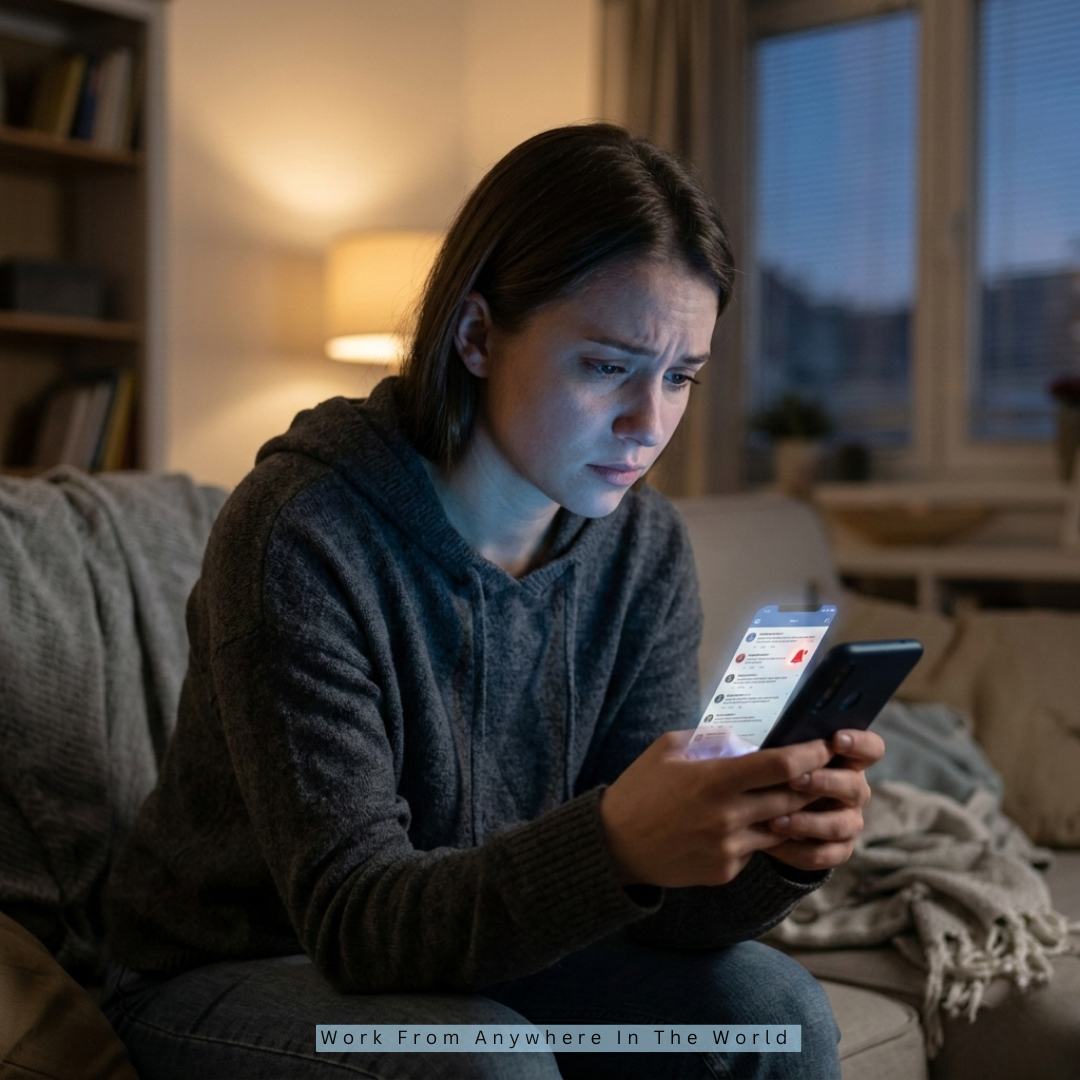
Excessive social media use often disturbs normal sleep patterns. Many people scroll through social media late at night before sleeping.
Blue light from screens reduces melatonin production, which regulates the body's natural sleep-wake cycle. Poor sleep quality leads to fatigue and mood instability. When the brain does not get proper rest, stress-handling ability decreases.
Irritability, sadness, and mood swings become common. Long-term sleep problems are strongly linked with depression risk. Healthy sleep is essential for emotional stability.
Protect Your Mental Health Solution
- Avoid social media at least 1 hour before sleep
- Keep the phone away from the bed
- Use a blue light filter in the evening
- Maintain a fixed sleep schedule
- Replace night scrolling with reading or relaxation
- Prioritize 7–8 hours of quality sleep
6. Reduced Real-Life Social Interaction
Social media addiction often reduces real-life communication. Many people prefer chatting online instead of meeting friends or family in person.
Face-to-face interaction is important for emotional health because it builds stronger emotional bonds. Real conversations help release positive hormones that reduce stress and loneliness.
When digital communication replaces real connection, emotional attachment weakens. This can create feelings of isolation and sadness. Loneliness is strongly associated with depression risk. Human connection supports mental stability.
Protect Your Mental Health Solution
- Schedule weekly face-to-face meetups
- Keep phones away during conversations
- Join community or social activities
- Practice active listening skills
- Limit daily social media chatting time
- Prioritize family time without screens
7. Algorithm Exposure To Negative Content
Social media algorithms work by analyzing user behaviour and repeatedly showing similar content. If someone views sad, negative, or stressful posts, the system may recommend more of the same content.
Continuous exposure to negative news, breakup stories, or disturbing topics can slowly affect emotional health. This habit is often called doomscrolling.
The brain becomes mentally exhausted from constant negativity. Long-term exposure to such digital environments can increase anxiety, sadness, and depressive thinking patterns.
Protect Your Mental Health Solution
- Avoid engaging with negative or toxic posts
- Use “Not Interested” options regularly
- Follow positive and educational pages
- Limit news consumption time
- Take breaks from trending negative topics
- Curate your feed intentionally
8. Validation Dependency And Self-Worth Issues
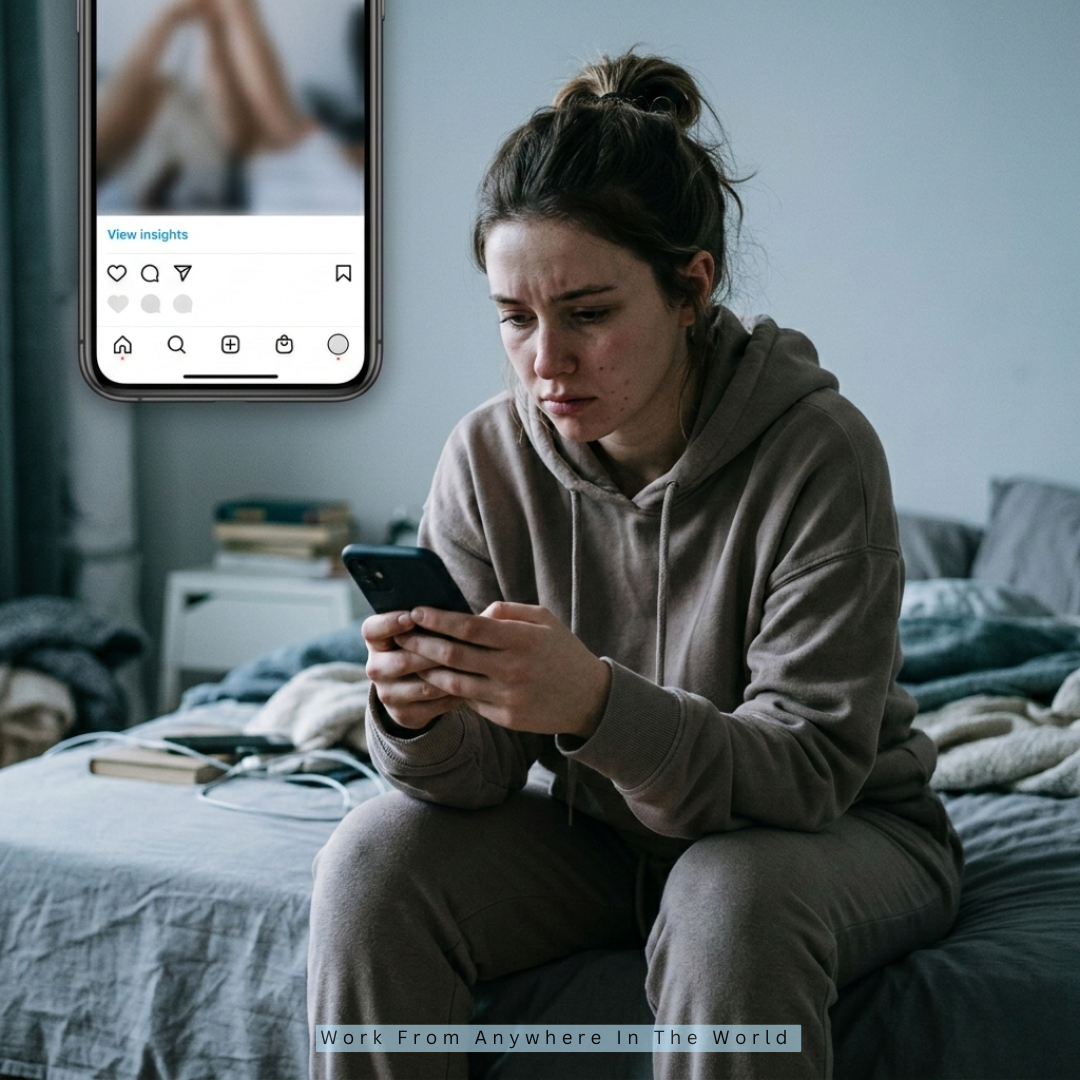
Many social media users depend on likes, comments, and shares to feel emotionally validated. When posts receive low engagement, users may feel ignored, rejected, or unimportant.
Gradually, self-worth comes to depend on online approval rather than on personal achievements or real-life qualities. This creates unstable emotional confidence and psychological pressure.
Some people even delete posts if engagement is low. Such behaviour shows emotional dependence on digital feedback. When personal value is measured by online reactions, depressive thoughts can increase over time.
Protect Your Mental Health Solution
- Stop checking likes immediately after posting
- Hide like counts if possible
- Post for expression, not approval
- Build confidence through offline achievements
- Reduce the frequency of posting
- Remind yourself that self-worth isn't measured by engagement
9. Time Loss And Productivity Anxiety
Social media addiction often wastes valuable time. Many users spend hours scrolling without realizing how much time has passed. When people later understand that they wasted productive time, they may feel guilt, frustration, or disappointment.
This feeling is sometimes called productivity anxiety. Low productivity can create pressure about career progress and life goals. Continuous stress and guilt can negatively affect mental health.
Chronic emotional pressure is closely connected to depression. Managing digital time is important for maintaining emotional balance and professional growth.
Protect Your Mental Health Solution
- Use app, time trackers
- Set daily social media limits
- Create a fixed scrolling schedule
- Keep your phone away during study/work time
- Follow a productivity routine
- Replace idle scrolling with skill learning
10. Emotional Exhaustion From Information Overload
Social media exposes users to a huge amount of information every day. News, opinions, entertainment content, and social updates appear continuously on the screen. The human brain can struggle to process so much data at once.
This constant stimulation reduces emotional energy and creates mental fatigue. Many people start feeling overwhelmed, confused, or mentally tired after long browsing sessions.
If information consumption is not controlled, chronic overload can weaken concentration and emotional stability and may gradually increase depressive symptoms.
Protect Your Mental Health Solution
- Limit daily content consumption time
- Avoid multitasking while scrolling
- Take regular digital detox days
- Follow fewer but quality accounts
- Practice deep breathing after long screen use
- Focus on one task at a time
Wealthy Affiliate – Mini Review
If you’ve ever thought about turning your blog, passion, or niche into an online business,
Wealthy Affiliate (WA) is one of the most beginner-friendly platforms I’ve used.
It combines step-by-step training, website hosting, SEO research tools,
and an active community all in one place.
What I like most: you can start free (no credit card needed),
explore lessons, test the tools, and connect with other entrepreneurs
before upgrading. WA isn’t a “get rich quick” scheme — it’s a platform where success comes
from consistent effort and applying what you learn.
11. Body Image Pressure And Low Self-Confidence
Social media platforms often promote unrealistic beauty standards. Filtered photos, edited bodies, and perfect appearances create false expectations.
Many users begin comparing their physical appearance with influencers or celebrities. This comparison can damage body image and reduce self-confidence.
Over time, dissatisfaction with appearance may increase. Negative body image is strongly linked to low self-esteem and depressive symptoms.
When individuals feel they do not meet digital beauty standards, emotional distress grows. Constant exposure to appearance-focused content can slowly affect mental stability and self-worth.
Protect Your Mental Health Solution
- Unfollow accounts promoting unrealistic beauty standards
- Avoid excessive use of filters
- Follow body-positive and realistic content
- Focus on health instead of appearance
- Practice daily self-affirmations
- Reduce comparison with influencers
12. Social Isolation Despite High Online Activity
Excessive use of social media might cut into time spent on deep offline connections. Even if users interact frequently online, emotional depth may be missing. Superficial communication replaces real conversations.
Over time, users may feel emotionally disconnected from others. Isolation can grow silently. Human beings naturally need strong social bonds for psychological well-being.
When these bonds weaken, feelings of emptiness and sadness may appear. Persistent emotional isolation is a major contributing factor to depression, especially among young adults and teenagers.
Protect Your Mental Health Solution
- Schedule regular offline social activities
- Spend quality time with family and friends
- Join clubs or community groups
- Reduce passive scrolling time
- Engage in meaningful face-to-face conversations
- Balance online and offline communication
13. Increased Anxiety From Constant Notifications
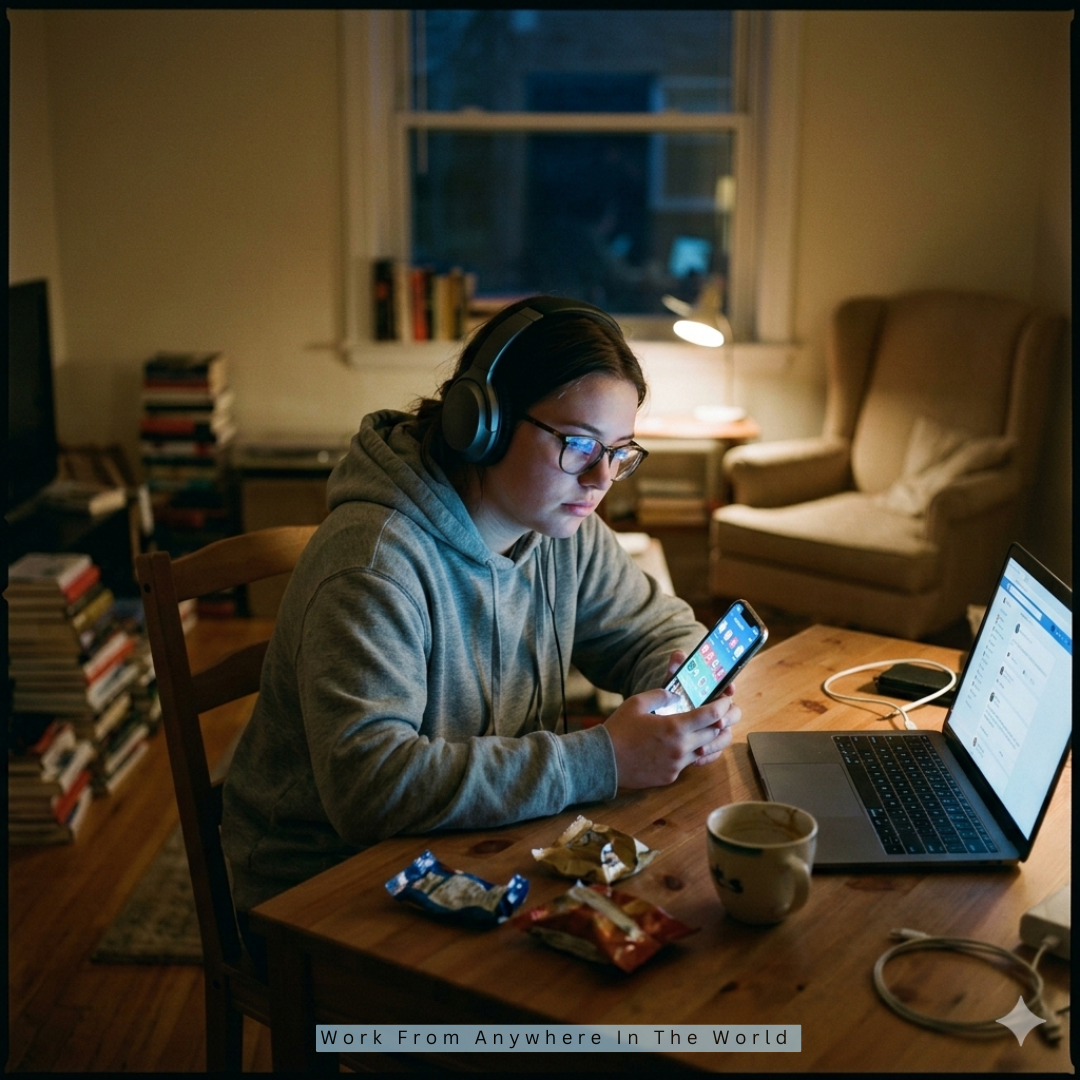
Frequent notifications create a sense of urgency. Users feel the need to check every message, comment, or update immediately. This constant alertness keeps the brain in a heightened state of stimulation.
Over time, mental relaxation becomes difficult. Anxiety levels may increase due to continuous digital interruptions. The mind rarely gets a break.
Chronic anxiety and mental overstimulation can weaken emotional regulation. When stress becomes constant, depressive symptoms may gradually develop alongside anxiety disorders.
Protect Your Mental Health Solution
- Turn off non-essential notifications
- Use “Do Not Disturb” mode during work or rest
- Check messages at fixed times
- Keep your phone away during relaxation
- Practice stress management techniques
- Create tech-free periods daily
14. Exposure To Negative News And Global Crises
Social media provides instant access to global news. While staying informed is important, constant exposure to tragic events, violence, or economic crises can affect mental health.
Continuous negative headlines increase stress and fear. This habit is often called doomscrolling. Over time, the brain becomes overwhelmed by repeated exposure to distressing information.
Emotional fatigue and hopelessness may develop. When users feel powerless about global problems, depressive thoughts can slowly increase.
Protect Your Mental Health Solution
- Limit daily news consumption time
- Avoid doomscrolling before sleep
- Follow balanced and reliable sources
- Take breaks from distressing content
- Focus on positive and solution-based stories
- Engage in activities that reduce stress
15. Identity Confusion And Self-Image Pressure
Social media often encourages users to build a digital identity. People carefully select photos, captions, and opinions to shape how others see them.
Over time, maintaining this online image can create pressure. Users may feel disconnected from their real personality. This gap between online identity and real self can cause emotional conflict.
Constantly trying to appear perfect or successful increases stress. When authenticity is replaced by performance, mental exhaustion grows. Long-term identity pressure can contribute to depressive feelings.
Protect Your Mental Health Solution
- Be authentic in online sharing
- Avoid pretending for social approval
- Limit pressure to maintain a perfect image
- Reflect on personal values regularly
- Separate online identity from real self
- Focus on self-growth instead of online image
16. Emotional Dependence On Online Relationships
Many people form strong emotional attachments through social media. While online friendships can be meaningful, excessive emotional dependence on digital relationships can be destabilizing.
When communication suddenly decreases or relationships end, users may feel deeply hurt or abandoned. Unlike real-life bonds, online relationships can disappear quickly without closure. This emotional uncertainty increases vulnerability.
Over time, repeated disappointment can weaken emotional resilience. When emotional security depends mainly on virtual interactions, the risk of loneliness and depression becomes higher.
Protect Your Mental Health Solution
- Avoid relying only on online emotional support
- Maintain strong offline friendships
- Set healthy communication boundaries
- Do not overinvest emotionally too quickly
- Accept that online relationships can change
- Focus on building real-life emotional security
- Take breaks if online interaction affects your mood
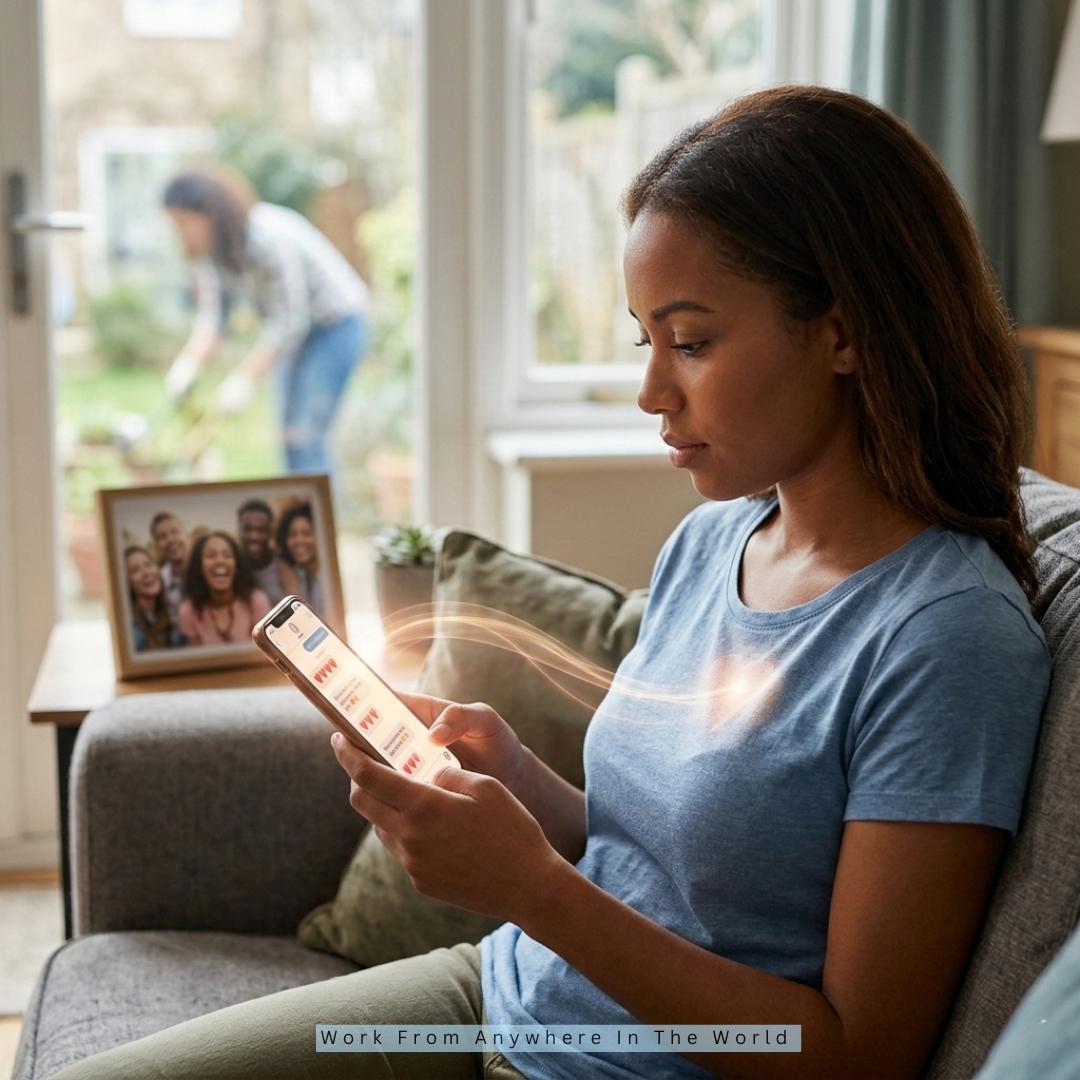
Social Media Isn't All Bad
Social media is not completely harmful. When used properly, it can provide opportunities for education, communication, and personal development.
Platforms like YouTube and Facebook help people stay connected, learn new skills, and access useful information. The impact of social media depends on how people use it. Balanced, mindful use can make social media a helpful tool in modern life.
Social Media Can Also Help In Many Ways
1. Learning And Education
Social media provides access to educational materials, tutorials, and online courses. Students can learn new skills, explore academic topics, and improve their knowledge through platforms like YouTube. It supports self-learning and continuous personal growth.
2. Communication And Connection
Social media helps maintain relationships with family and friends. Platforms like Facebook support messaging, video calls, and group communication, helping people stay connected despite long distances.
3. Career And Business Growth
Social media supports freelancing, marketing, and business promotion. It helps entrepreneurs and professionals connect with global customers, expand opportunities, and contribute to the digital economy and online employment.
4. Awareness And Information Sharing
Social media quickly spreads health, social, and environmental awareness. Users can access reliable news, educational content, and important updates on local and global issues to improve their knowledge and understanding.
5. Creative Expression
Social media allows users to share artwork, writing, videos, and creative designs. Platforms like Instagram help creators showcase their talent, reach wider audiences, receive feedback, and improve their creative skills.
6. Emotional Support Communities
Online communities help people share experiences and receive emotional support. These groups reduce loneliness, encourage discussion, and provide psychological comfort, especially for individuals facing stress or personal problems.
7. Entertainment And Relaxation
Social media provides entertainment through short videos, music, and storytelling. When used responsibly, websites like YouTube and TikTok help users unwind, reduce stress, clear their minds, and lift their mood.
FAQs
Q1: Can Social Media Addiction Cause Depression?
Yes. Excessive social media use can increase comparison pressure, anxiety, and emotional dependency. Platforms like Facebook and others may trigger negative thinking if used uncontrollably.
Q2: How Do Social Media Impact Mental Health?
Social media affects mental health by promoting comparison, FOMO, and validation dependency. Heavy use can disturb sleep, increase stress, reduce real-life interaction, and gradually raise the risk of depression and anxiety.
Q3: Which Age Group Is Most Vulnerable To Social Media Depression?
Teenagers and young adults are most vulnerable because identity formation and emotional regulation are developing. Visual platforms like Instagram may increase pressure to appear.
Q4: How Can Social Media Addiction Be Controlled?
Set screen time limits, avoid late-night scrolling, unfollow negative content, turn off unnecessary notifications, and focus on real-life communication. Digital balance is essential for mental and emotional stability.
Q5: Is Social Media Completely Harmful For Mental Health?
No. Social media can be helpful for learning, communication, and awareness. The impact depends on usage habits, content type, and the user's personal resilience. Balanced use is important.
Conclusion
The connection between social media & depression explores how digital platforms influence mental health. Social media affects emotions, identity, and daily behaviour.
Social media platforms like Facebook and Instagram allow people to keep in touch and share their experiences. However, excessive use may increase loneliness, comparison pressure, and depressive feelings.
Research shows heavy social media use can disturb emotional stability. Maintaining balance is important for mental well-being.
Limit screen time, prioritize sleep, and build real-life relationships. Healthy digital habits protect mental health and improve quality of life.
I trust you enjoyed this article on The Connection Between Social Media & Depression. Please stay tuned for more insightful blogs on affiliate marketing, online business, and working from anywhere in the world.
Take care!
— JeannetteZ 🌍✨
💬 Your Opinion Is Important To Me
Do you have thoughts, ideas, or questions? I’d love to hear from you. Please leave your comments below or email me directly at Jeannette@WorkFromAnywhereInTheWorld.com.
📚 More Work From Anywhere Reads
🚀 Ready to Build a Business You Can Run from Home
Or from Anywhere in the World?
Imagine creating income on your terms — from home, a cozy café, or wherever life takes you.
With the right tools, training, and community support, it’s entirely possible.
Start your own online business for free — no credit card needed.
Disclosure
This post may contain affiliate links. As an Amazon Associate and participant in other affiliate programs, I earn from qualifying purchases at no extra cost to you. Please read my full affiliate disclosure.