Digital Marketing Trends For 2026: Key Insights For Success
Digital marketing is evolving faster than ever. As we approach 2026, businesses must adapt to new technologies, platforms, and audience behaviours.
Staying ahead of the curve is no longer optional. If you want your brand to thrive, understanding emerging trends is crucial.
In this blog, we’ll break down the top digital marketing trends for 2026. We’ll cover AI, personalization, video, social commerce, voice search, and more.
You will have practical knowledge to improve your marketing plan and successfully interact with your target audience.
What Are The Digital Marketing Trends For 2026
1. AI-Driven Marketing
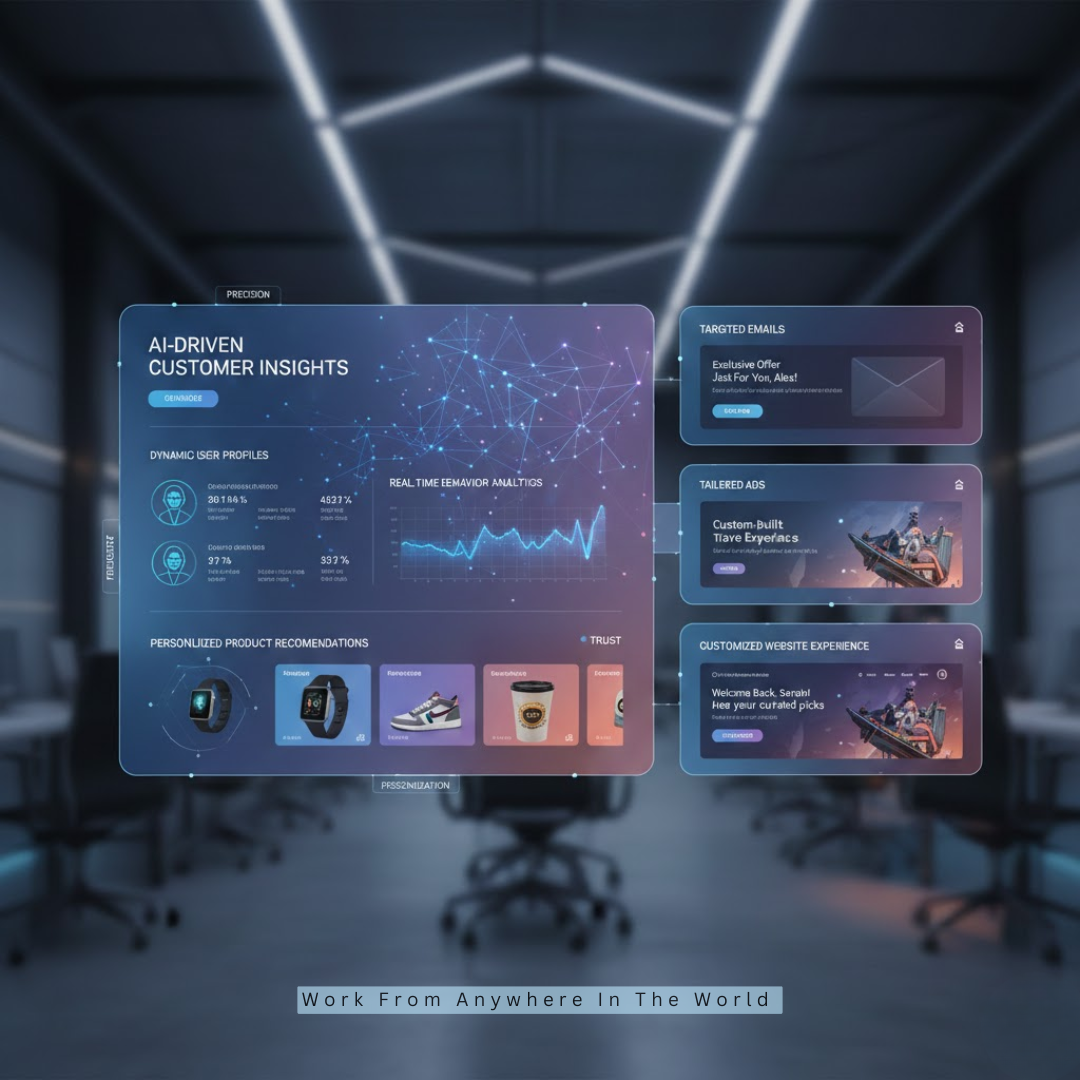
AI is transforming marketing completely. It helps brands predict customer behaviour and automate repetitive tasks. Imagine sending the right message at the exact right moment.
AI analyzes massive datasets quickly and finds patterns humans might miss. From chatbots to email campaigns, personalization becomes smarter.
You can recommend products based on real behaviour or optimize ad spend automatically. AI saves time, improves engagement, and increases conversions.
It’s not just a tool—it’s a strategy. Brands using AI effectively deliver relevant, timely experiences that feel personal. By 2026, it will be essential to stay competitive.
Pro Tips
- Test AI tools before full deployment.
- Start small, scale campaigns gradually.
- Track results for continuous improvement.
- Combine AI with human creativity always.
2. Hyper-Personalization
Generic marketing is fading. Hyper-personalization tailors every interaction based on individual behaviour. Emails, ads, websites, and product recommendations adjust to each user.
AI and analytics make this possible. Imagine a customer receiving an offer they genuinely want, just when they need it. Hyper-personalization increases engagement, loyalty, and conversions.
It strengthens customer relationships by showing you understand them. Data-driven campaigns are precise and meaningful. Transparency is key—customers must trust data use. Personalization without privacy risks reputation.
Brands that master hyper-personalization stand out and build stronger connections, driving sales while creating memorable experiences for every individual.
Pro Tips
- Collect consent before using customer data.
- Segment audiences for more accurate targeting.
- Personalize across all marketing channels consistently.
- Regularly update personalization based on behaviour.
3. Short-Form Video Dominance
Short-form videos are everywhere. TikTok, Instagram Reels, and YouTube Shorts dominate engagement. Users love quick, entertaining content that conveys value fast.
Brands tell stories, demonstrate products, and build awareness in seconds. Mobile-first design is crucial. Authenticity wins over polished ads. Creative, concise videos capture attention immediately.
These videos are easy to share and encourage viral growth. They increase brand recall and engagement. Consistency matters—frequent posting keeps audiences hooked.
By 2026, short-form video will be non-negotiable for marketers. Creative storytelling, paired with smart distribution, ensures brands remain visible and memorable in fast-scrolling feeds.
Pro Tips
- Keep videos under 60 seconds maximum.
- Use captions for silent viewers always.
- Focus on relatable, authentic storytelling content.
- Post consistently for better audience retention.
4. Social Commerce Growth
Social media is becoming a marketplace. Platforms like Instagram, TikTok, and Pinterest let users shop directly. Shoppable posts, live streams, and AR try-ons enhance experiences.
Customers discover, interact, and buy without leaving apps. Brands shorten the path from discovery to purchase. Social commerce drives engagement, increases conversions, and improves loyalty.
Interactive content like polls and quizzes boosts participation. Seamless integration between content and shopping is essential—visual appeal and ease-of-use at most.
Early adoption gives a competitive edge. By 2026, social commerce will be a core revenue channel for digitally savvy brands worldwide.
Pro Tips
- Enable in-app shopping features immediately.
- Use live events for product launches.
- Add interactive content to posts.
- Highlight visual storytelling for engagement.
5. Voice Search Optimization
Optimizing for voice search is one of the key digital marketing trends for 2026 that brands cannot afford to ignore. Smart speakers and assistants like Alexa and Siri are common. Users ask questions conversationally, not just keywords.
Content must match natural language queries. Long-tail keywords, FAQs, and how-to guides perform best. Optimizing for voice increases visibility and accessibility.
Local SEO becomes crucial, as many searches are location-based. Speed and clarity matter—voice results must be concise. Brands optimizing voice search gain an edge over competitors.
By 2026, voice search will influence online discoverability. Understanding conversational search patterns ensures content reaches the right audience at the right time.
Pro Tips
- Focus on long-tail keyword optimization.
- Create conversational, question-based content.
- Optimize for local search visibility continually.
- Keep content concise and voice-friendly.
6. Augmented Reality (AR) Experiences
AR enhances customer engagement through interactive experiences. Users can virtually try products before buying. Clothing, furniture, and cosmetics benefit most. AR reduces returns by improving purchase confidence.
Immersive experiences make brands memorable. AR can be used in marketing campaigns, ads, and mobile apps. Combining AR with personalization increases relevance.
Customers expect interactive features as standard. Early adoption positions brands as innovative. By 2026, AR will shift from novelty to necessity.
Those who leverage it deliver engaging, practical, and immersive experiences that connect emotionally and drive conversions effectively.
Pro Tips
- Implement AR try-on features early.
- Integrate AR with mobile apps efficiently.
- Showcase product benefits through AR demos.
- Track user engagement to refine experience.
7. Data Privacy & Ethical Marketing
Consumers demand transparency. Ethical marketing respects privacy and builds trust. Consent-based campaigns, clear policies, and responsible data use are essential. Regulations are tightening globally.
Ethical marketing protects brands from fines and reputational damage. Personalization can still thrive when done responsibly. Clear communication about data use increases customer confidence.
Brands prioritizing ethics see higher loyalty and engagement. Misuse of data leads to lost trust. By 2026, respecting privacy will not be optional—it’s expected.
Ethical, transparent practices create sustainable relationships and protect the brand while still allowing effective, data-driven marketing strategies that deliver results.
Pro Tips
- Always request consent for data use.
- Clearly communicate privacy policies publicly.
- Avoid sharing data without transparency.
- Regularly audit marketing compliance practices.

8. Omnichannel Marketing
Customers interact with brands across multiple touchpoints. Omnichannel marketing ensures seamless, consistent experiences online and offline.
Emails, apps, websites, social media, and stores must work together. Integrated data helps track behaviour and optimize campaigns.
Consistent messaging improves retention and builds trust. Customers expect smooth journeys from discovery to purchase. Omnichannel strategies reduce friction and enhance satisfaction.
Automation and personalization make interactions relevant and timely. Brands using omnichannel approaches outperform competitors in engagement, loyalty, and conversions.
By 2026, fragmented strategies won’t suffice. Businesses must unify their marketing for a cohesive, memorable, and customer-friendly experience across all platforms.
Pro Tips
- Integrate all channels for consistency.
- Use automation for seamless workflows.
- Track customer journeys comprehensively, always.
- Personalize interactions across every touchpoint.
9. Sustainability & Purpose-Driven Marketing
Purpose-driven marketing is emerging as a significant digital marketing trend for 2026 that influences consumer loyalty and brand preference. Sustainability, ethical practices, and social responsibility influence decisions.
Brands highlighting eco-friendly production or community impact gain loyalty. Storytelling builds emotional connections, differentiating products in competitive markets.
Transparency in claims strengthens trust. Purpose-driven marketing resonates with conscious audiences seeking meaningful engagement.
Marketing isn’t just selling; it’s showing positive impact. Align campaigns with environmental, social, or ethical initiatives. Consumers reward brands that reflect their values.
By 2026, purpose-driven strategies will be a significant factor in brand preference. Companies focusing on sustainability and ethics grow loyalty, advocacy, and long-term brand equity.
Pro Tips
- Promote eco-friendly practices clearly.
- Share authentic brand stories regularly.
- Align campaigns with social causes.
- Measure impact and report transparently.
10. Influencer Marketing Evolution
Influencer marketing is maturing. Micro-influencers often outperform celebrities due to higher engagement and niche audiences. Authenticity is key—users trust genuine recommendations—AI and analytics track performance and ROI.
Brands can choose influencers with precise audience alignment. Long-term partnerships outperform one-off campaigns. Influencer content should feel natural, not forced.
Transparency in sponsorship builds trust. By 2026, influencer marketing will focus on measurable results, relevance, and authenticity. Brands leveraging data-driven collaborations can boost reach, conversions, and loyalty.
Engaging authentic voices ensures campaigns resonate with audiences and fosters trust in an era of increasing advertising skepticism.
Pro Tips
- Partner with micro-influencers strategically.
- Track ROI for influencer campaigns.
- Focus on authentic, relatable content.
- Build long-term influencer relationships.
Wealthy Affiliate – Mini Review
If you’ve ever thought about turning your blog, passion, or niche into an online business,
Wealthy Affiliate (WA) is one of the most beginner-friendly platforms I’ve used.
It combines step-by-step training, website hosting, AI-powered tools,
keyword research, and an active community all in one place.
What I like most is that you can start free (no credit card needed), explore the platform,
test the tools, and connect with other entrepreneurs before upgrading.
WA isn’t a “get rich quick” scheme — success comes from consistent effort
and applying what you learn over time.
11. Interactive & Immersive Content
Static content is losing effectiveness. Interactive content like quizzes, polls, and gamified experiences increases engagement. Immersive formats, including AR, create memorable brand interactions.
Users retain more information when actively participating. Interactive campaigns also generate valuable customer insights for future marketing.
Engagement boosts conversions, shares, and brand loyalty. Combining interactivity with personalization enhances relevance. By 2026, immersive experiences will be expected by audiences seeking connection and entertainment.
Brands delivering such content stand out in competitive markets. Creative, interactive strategies provide both entertainment and business value, turning engagement into measurable results consistently.
Pro Tips
- Use gamification to increase engagement.
- Personalize interactive experiences for users.
- Collect data from user interactions.
- Integrate AR/VR for immersive campaigns.
12. Predictive Analytics
Predictive analytics is expected to be a crucial component of digital marketing trends for 2026, driving more innovative and more efficient campaigns.
It forecasts trends, customer behaviour and campaign outcomes. AI analyzes historical data to guide decisions. Brands can optimize ad spend, personalize messaging, and improve targeting.
Predictive models reduce guesswork and increase efficiency. Insights inform content creation, product launches, and customer retention strategies.
Early adoption gives a competitive advantage. Predictive analytics enhances ROI and engagement by anticipating needs before they occur. By 2026, marketers who ignore predictive tools risk inefficiency.
Data-driven foresight enables more brilliant campaigns, better decisions, and meaningful customer experiences, keeping brands agile and responsive to evolving market demands.
Pro Tips
- Collect accurate historical customer data.
- Use AI models to predict behaviour.
- Adjust campaigns based on predictions.
- Continuously refine models for accuracy.

13. Email Marketing Reinvention
Email remains powerful. AI and automation enhance personalization and timing. Dynamic content, interactive features, and behaviour-triggered campaigns increase engagement. Segmentation ensures messages reach the right audience.
Emails can include polls, embedded videos, and product recommendations. Personalization drives higher conversions and retention. Automation reduces manual work and improves efficiency.
Testing subject lines, timing, and design is critical. By 2026, effective email marketing will combine automation, personalization, and creativity. Engaging content strengthens relationships and loyalty.
Brands mastering this channel can maintain visibility, nurture leads, and drive consistent sales through a cost-effective, measurable, and scalable communication strategy.
Pro Tips
- Segment audience for personalized campaigns.
- Use AI-driven recommendations in emails.
- Add interactive elements to content.
- Test subject lines for higher opens.
14. AI-Powered Content Creation
AI can generate blogs, social posts, ad copy, and video scripts efficiently. It speeds production and ensures relevance. Human oversight maintains brand voice, creativity, and empathy.
AI assists, but doesn’t replace, human content creators. Combined, they create scalable, personalized campaigns. AI identifies trending topics, suggests improvements, and optimizes content for SEO.
Brands can maintain consistency while reducing time spent on repetitive tasks. By 2026, AI-powered content will be a standard part of marketing.
Efficient production, personalization, and optimization give companies a competitive edge while keeping content authentic, engaging, and aligned with audience expectations.
Pro Tips
- Review AI content for brand voice.
- Use AI to optimize SEO performance.
- Combine human creativity with AI tools.
- Track engagement to refine content strategy.
15. Web3 & Blockchain Marketing
Web3 and blockchain applications are emerging as crucial digital marketing trends for 2026, offering innovative ways to engage and retain customers. Brands can use NFTs for loyalty programs, exclusive content, or digital collectibles.
Smart contracts automate rewards and incentives. Blockchain enhances trust, security, and ownership for users. Early adoption positions brands as innovative. Customers appreciate verifiable transactions and transparent marketing.
Web3 marketing allows creative campaigns that combine gamification, exclusivity, and digital value. By 2026, blockchain will influence loyalty, rewards, and digital interaction strategies.
Forward-thinking brands can engage tech-savvy audiences while creating measurable, interactive experiences that stand out from traditional marketing channels, merging entertainment with utility.
Pro Tips
- Explore NFTs for customer loyalty.
- Use smart contracts for rewards.
- Ensure transparency in blockchain campaigns.
- Target tech-savvy audiences effectively.
16. Snackable Content
Users have shrinking attention spans. Snackable content delivers value quickly. Short videos, carousels, infographics, and bullet-point posts capture attention fast. Mobile-first design is crucial.
Quick, digestible content encourages shares, engagement, and brand recall. It suits social media, emails, and websites. Creative hooks within seconds retain viewers.
Frequent, concise content maintains visibility in fast-scrolling feeds. By 2026, snackable content will dominate daily marketing consumption. Marketers must focus on clarity, creativity, and speed.
Brands that master this approach convey messages efficiently while building awareness, engagement, and loyalty, keeping audiences connected without overwhelming them.
Pro Tips
- Keep content visually simple.
- Focus on one key message per post.
- Optimize for mobile-first consumption continually.
- Post frequently to maintain audience attention.
17. Community-Driven Marketing
Building and nurturing online communities is one of the key digital marketing trends for 2026 that drives engagement and customer loyalty. Engaging with communities creates authentic relationships and feedback loops.
Members share experiences, content, and testimonials. Community interaction amplifies organic reach and awareness. Brands gain insights into preferences and trends.
Supportive, active communities increase trust and retention. By 2026, audience-driven communities will become critical for engagement.
Consistent interaction fosters belonging and emotional connection. Marketing isn’t only about promotion—it’s about promoting conversation and connection.
Companies investing in community-driven strategies strengthen loyalty, trust, and brand advocacy while creating a platform for user-generated content.
Pro Tips
- Create brand-owned community spaces.
- Engage consistently with active members.
- Encourage user-generated content participation.
- Listen to feedback for improvements.

18. Conversational Marketing
Customers want human-like interactions. Chatbots, live chats, and messaging apps enable real-time engagement. Conversational marketing answers questions, guides purchases, and solves problems instantly.
Tone should be friendly, helpful, and authentic. AI-assisted chatbots reduce workload while maintaining personalized interactions. Brands that respond quickly build trust and satisfaction.
By 2026, conversational marketing will be standard, especially for support and lead generation. It strengthens relationships, conversion rates, and customer experience.
Integrating AI with human oversight ensures empathy and relevance—conversational marketing bridges efficiency with connection, giving users instant value while maintaining brand personality.
Pro Tips
- Use chatbots for instant responses.
- Maintain an authentic, friendly brand tone.
- Combine AI with human oversight.
- Track conversations to improve strategy.
19. Smarter Marketing Automation
Advanced marketing automation is set to be a significant component of digital marketing trends for 2026, improving efficiency and campaign performance.
AI-driven workflows personalize campaigns across channels. Segmentation, triggers, and dynamic content optimize performance. Multi-channel automation saves time and ensures consistency.
Automation combined with analytics enables data-driven decisions. By 2026, more innovative automation will reduce errors and improve ROI. Marketers focus on strategy, creativity, and oversight, while technology executes campaigns.
Automation allows scaling without losing personalization. Integrating tools for email, social media, and ads ensures smooth operations.
Brands leveraging advanced automation increase efficiency, engagement, and conversion while keeping campaigns flexible, relevant, and consistent for every customer.
Pro Tips
- Automate repetitive marketing tasks first.
- Integrate all channels for efficiency.
- Monitor automation for errors consistently.
- Use triggers to personalize messaging.
20. Ethical AI & Human Oversight
AI use is growing, but ethical concerns matter. Bias, misinformation, and privacy risks require human supervision. Responsible AI ensures transparency and fairness.
Marketers must combine AI efficiency with human creativity, empathy, and judgment. Oversight maintains brand voice and ensures campaigns align with values.
Ethical AI protects reputation and fosters trust. By 2026, accountability and responsible AI use will be critical. Brands balancing automation and human input gain credibility and loyalty.
Ethical practices ensure AI-driven campaigns are accurate, inclusive, and trustworthy while maintaining efficiency and delivering meaningful, human-centred customer experiences.
Pro Tips
- Review AI outputs regularly for fairness.
- Maintain human oversight on campaigns.
- Ensure transparency in AI decisions.
- Align AI strategies with brand values.
Conclusion
Understanding and adapting to digital marketing trends for 2026 will be essential for brands to stay competitive and engage customers effectively. AI, short-form video, social commerce, AR, and ethical strategies will shape success.
Brands must embrace technology while maintaining authentic human connections. Staying ahead requires adapting to trends, experimenting with new tools, and listening to audiences.
Businesses that combine creativity, data, and empathy will thrive, delivering meaningful experiences that resonate, convert, and build lasting customer relationships in a rapidly evolving digital landscape.
I trust you enjoyed this article on the Digital Marketing Trends For 2026: Key Insights For Success. Please stay tuned for more insightful blogs on affiliate marketing, online business, and working from anywhere in the world.
Take care!
— JeannetteZ
💬 Your Opinion Is Important To Me
Do you have thoughts, ideas, or questions? I’d love to hear from you. Please leave your comments below or email me directly at Jeannette@WorkFromAnywhereInTheWorld.com.
📚 More Work From Anywhere Reads
🚀 Ready to Build a Business You Can Run from Home
Or from Anywhere in the World?
Imagine creating income on your terms — from home, a cozy café, or wherever life takes you.
With the right tools, training, and community support, it’s entirely possible.
Start your own online business for free — no credit card needed.
Disclosure
This post may contain affiliate links. As an Amazon Associate and participant in other affiliate programs, I earn from qualifying purchases at no extra cost to you. Please read my full affiliate disclosure.