Negative Effects Of Social Media Influencers
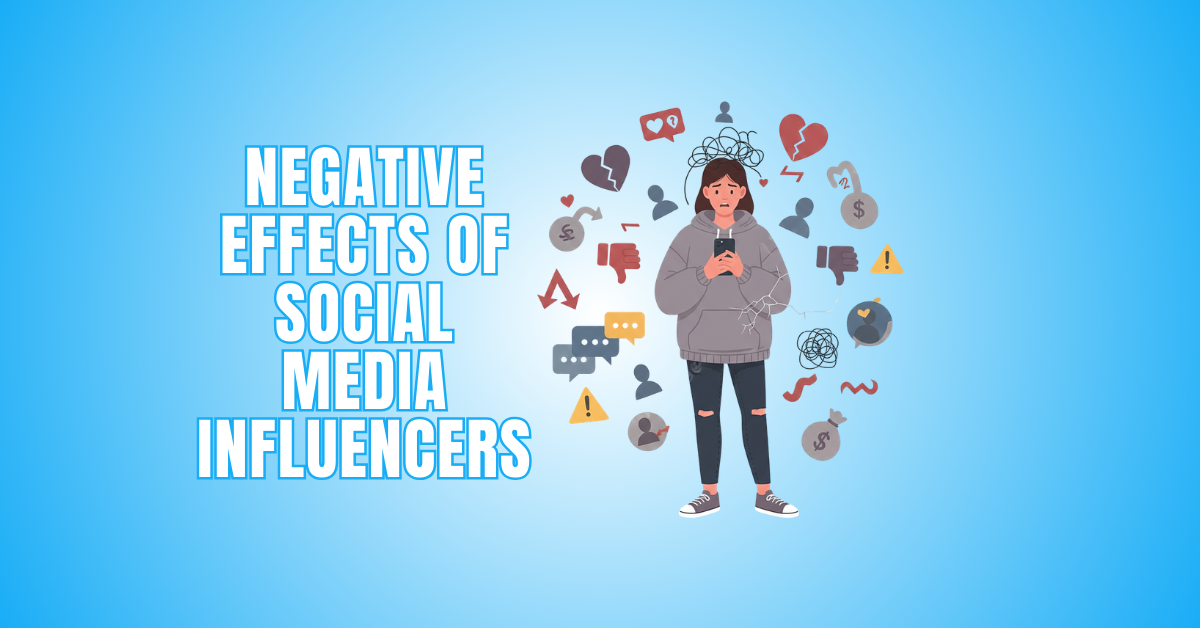
The negative effects of social media influencers are a topic that deserves honest attention. Influencers shape trends, opinions, buying decisions, and even lifestyles. Millions scroll, watch, and trust what they see every day.
But behind curated feeds and polished reels lie hidden downsides. From mental health struggles to unrealistic expectations and misinformation, the impact is deeper than we think.
This blog explores the darker side of influencer culture in a clear, practical, and human way.
How To Protect Yourself From Negative Influencers
1. Limit Your Screen Time
One of the most effective ways to protect yourself from negative influencers is to control how much time you spend online. Constant exposure increases comparison and emotional pressure.
Set daily screen time limits. Use app timers if necessary. Take regular breaks from scrolling. Spend more time on offline activities, such as reading, exercising, or meeting friends.
Reducing exposure helps protect your mental space and prevents unhealthy emotional dependence on influencer content.
2. Curate Your Social Media Feed
Be intentional about who you follow. If certain influencers make you feel insecure, anxious, or pressured, unfollow or mute them.
Your feed should inspire growth, not create self-doubt. Follow educational, motivational, or skill-based creators instead. Social media algorithms show more of what you engage with.
By changing your interactions, you can create a healthier digital environment that supports your goals and emotional well-being.
3. Practice Critical Thinking
Do not believe everything you see online. Many influencer posts are sponsored, edited, or strategically presented. Ask yourself: Is this realistic? Is this advertisement disclosed? What is the purpose behind this content?
Developing critical thinking skills helps you avoid manipulation. Verify information, especially health, financial, or lifestyle advice. A questioning mindset protects you from misinformation and emotional influence.
4. Avoid Constant Comparison
Comparison is one of the biggest psychological traps of social media. Remember that influencers usually highlight moments, not their struggles. Real life includes ups and downs. Focus on your own journey and progress.
Set personal goals based on your values, not someone else's lifestyle. Gratitude for your current situation reduces envy and emotional stress. Your timeline does not need to match anyone else's.

5. Strengthen Real-Life Relationships
Strong offline relationships provide emotional stability. Spend quality time with family and friends. Have meaningful conversations. Build connections beyond digital platforms. When real-life bonds are strong, online validation becomes less important.
Emotional support from trusted people reduces the influence of unrealistic online standards. Healthy relationships in the real world create balance and perspective.
6. Build Self-Awareness And Confidence
Work on understanding your strengths, values, and long-term goals. The more confident you are in your identity, the less external influence affects you. Practice self-reflection. Engage in activities that build skills and personal growth.
Confidence grows through action and achievement, not likes or followers. When you value yourself internally, influencer pressure loses power.
7. Take Regular Digital Detox Breaks
Sometimes the best solution is a complete break. A short digital detox can reset your mind. Avoid social media for a few hours, days, or even a weekend. Use that time for hobbies, nature walks, journaling, or learning something new.
Detox breaks reduce anxiety, improve focus, and help you reconnect with reality. Stepping away periodically protects your mental health in the long term.
16 Major Negative Impacts Of Social Media Influencers
1. Unrealistic Beauty Standards
Social media influencers often promote unrealistic beauty standards through filtered photos, edited videos, and professional lighting.
Many influencers present flawless skin, perfect body shapes, and highly attractive lifestyles. Young audiences compare themselves with these images and feel insecure about their natural appearance.
This comparison can reduce self-confidence and increase body dissatisfaction. Teenagers are especially vulnerable because their personality and self-image are still developing.
Beauty should be diverse and natural, but influencer culture sometimes promotes an illusion of perfection. This creates psychological pressure to follow artificial beauty trends.
2. Mental Health Pressure
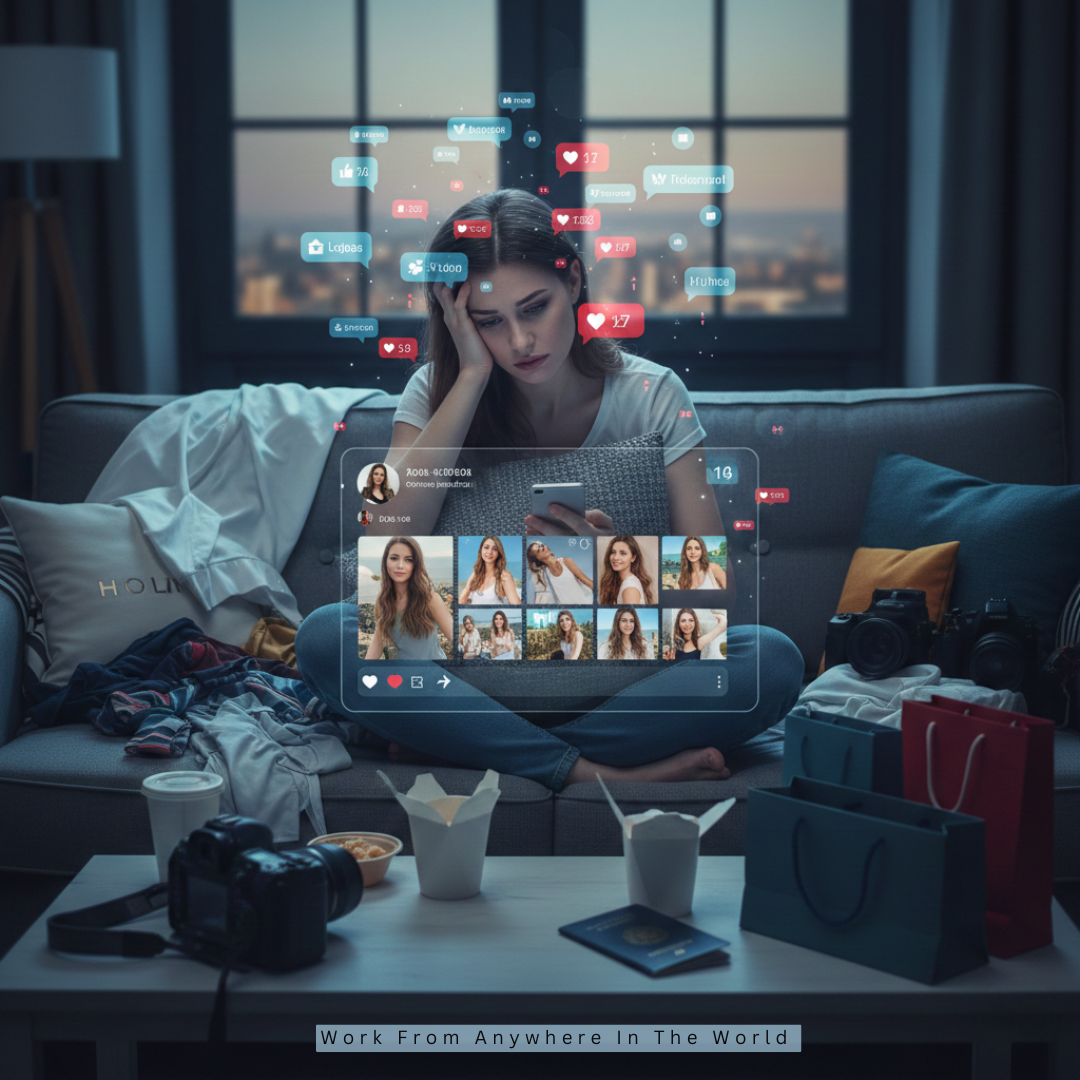
Influencer content can create serious mental health pressure among users. People watch success stories, luxury travel videos, and relationship highlights daily.
These posts do not show real-life struggles. Continuous comparison makes users feel less successful in their lives. Low self-esteem, anxiety, and FOMO become prevalent issues.
Even influencers themselves suffer from online criticism and burnout. Social validation through likes and comments becomes emotionally addictive.
When self-worth depends on digital reactions, emotional stability becomes weak. Mental health awareness is important in modern digital society.
3. Promotion Of Unrealistic Lifestyle Dreams
Many influencers promote luxury lifestyles that are not realistic for most followers. Expensive cars, designer clothes, and five-star hotel experiences are frequently shown. Some content is sponsored or staged for marketing purposes.
Young audiences may believe this lifestyle is normal and achievable quickly. This thinking can lead to poor financial decisions. People may spend money impulsively to copy influencer lifestyles.
Social pressure encourages materialism instead of financial stability. Success should be measured by skill and personal growth, not by online appearance.
4. Misinformation And Harmful Advice
Not all influencers are experts in the topics they discuss. Some share health, financial, or lifestyle advice without professional knowledge. Fitness trends, diet plans, and cryptocurrency promotions are sometimes misleading.
Followers trust influencers because they feel emotionally connected to them. This trust can be dangerous if the information is wrong. People may try extreme dieting or invest money based on influencer recommendations.
Misinformation spreads quickly on social media platforms. Users should verify facts from reliable sources before following advice. Digital literacy is essential to avoid harmful online influence.
5. Consumerism And Overconsumption Culture
Influencer marketing promotes continuous buying behaviour. New beauty products, fashion items, and technology gadgets are constantly advertised.
The message is often subtle but powerful — you need this product to improve your life. This encourages impulsive purchasing decisions.
Young audiences are more vulnerable to emotional marketing. Fast fashion culture increases environmental pollution and waste. Products are often used briefly and replaced by new trends.
Satisfaction from buying is temporary. Social identity sometimes becomes connected with consumption habits. Responsible spending and mindful lifestyle choices are important.
6. Impact On Young Audiences
Social media personalities heavily influence young audiences. Many teenagers spend time watching influencer content on platforms like Instagram.
Children and teenagers may follow influencers without understanding the quality of their content, and risky challenges and prank culture can spread quickly.
Some young people dream of becoming influencers instead of focusing on education or skill development. Early exposure to fame culture can affect personality development. Attention-seeking behaviour may increase.
Parents and teachers face new challenges in controlling their children's and students' digital exposure. Balanced digital education is necessary for healthy youth development.
7. Fake Authenticity And Parasocial Relationship
Influencers often present themselves as real and relatable personalities on platforms like TikTok. They share emotional stories, struggles, and daily routines. However, much of this content is carefully planned marketing.
This creates fake authenticity. Followers feel emotionally connected and believe they know the influencer personally. This is called a parasocial relationship. Emotional attachment becomes one-sided.
When influencers face scandals, followers feel personally hurt. Trust may collapse suddenly. This psychological illusion can affect real-life social interaction and emotional understanding of relationships.
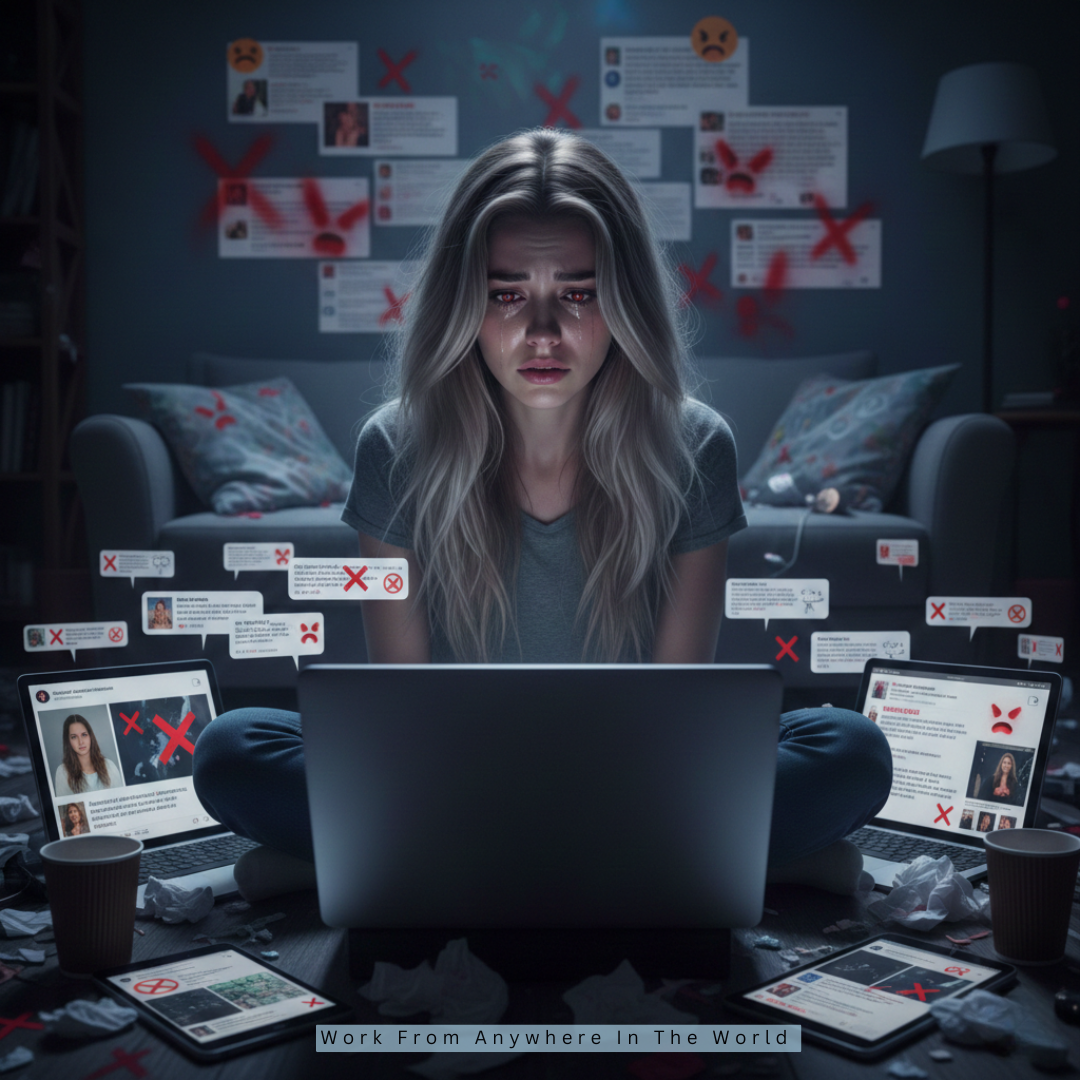
8. Cancel Culture And Online Harassment
Cancel culture is becoming common in influencer society. A small mistake can cause massive public backlash. Old social media posts may resurface and damage reputation. On YouTube and other platforms, public criticism spreads quickly.
While accountability is important, online harassment can become extreme. Influencers may face bullying, threats, and personal attacks. This environment creates psychological stress and anxiety.
Fear of public judgment can reduce creativity. Digital mob behaviours sometimes ignore context. Social media justice should be balanced with fairness and humanity.
9. Distorted Career Expectations
Influencer success stories are often shared on Facebook and other platforms. Teenagers see people earning money from brand promotions and think it is easy. Reality is different. Influencer careers are highly competitive and unstable.
Income depends on algorithm changes, audience interest, and platform popularity. Many creators struggle before achieving success. Some platforms lose popularity over time.
For example, creators who relied on older short-video platforms lost audiences when trends changed. Long-term career security requires additional skills beyond social media fame.
10. Algorithm Addiction And Engagement Manipulation
The goal of social media algorithms is to optimize user interaction. Platforms like Facebook and others show content that keeps users scrolling continuously.
Influencers often create drama, provoke emotional reactions, and post controversial content to increase reach. Clickbait titles and exaggerated expressions attract attention.
As screen time increases, productivity may decrease. Sleep patterns can be disturbed. Attention span may become shorter due to fast content consumption.
Extreme or sensational content spreads faster because it triggers strong emotional reactions. Users should practice healthy digital habits to avoid algorithm-driven addiction.
11. Ethical Problems In Sponsored Content
Many influencers promote products through paid partnerships. However, not all sponsored content is clearly disclosed. Some product reviews appear natural but are actually marketing advertisements.
This reduces consumer trust. Followers may believe the influencer personally tests the product. Regulatory organizations in different countries try to control hidden advertising.
Transparency is essential for ethical influencer marketing. When followers discover hidden sponsorships, credibility decreases. Influencer success depends on audience trust.
Honest promotion helps build long-term brand reputation. Ethical content creation is important for sustainable digital business.
12. Relationship Expectation Distortion
Influencer content often shows romanticized relationships. Luxury gifts, surprise trips, and perfect emotional moments are highlighted.
Real relationships contain daily responsibilities, conflicts, and normal life routines. Continuous exposure to idealized love stories may create dissatisfaction.
People may compare their relationships with influencers. This can create unnecessary arguments. Social media shows only happy moments, not real struggles. Friendship and family expectations may also change.
Emotional comparison reduces relationship satisfaction. Healthy relationships require understanding, communication, and realistic expectations.
Wealthy Affiliate – Mini Review
If you’ve ever thought about turning your blog, passion, or niche into an online business,
Wealthy Affiliate (WA) is one of the most beginner-friendly platforms I’ve used.
It combines step-by-step training, website hosting, SEO research tools,
and an active community all in one place.
What I like most: you can start free (no credit card needed),
explore lessons, test the tools, and connect with other entrepreneurs
before upgrading. WA isn’t a “get rich quick” scheme — it’s a platform where success comes
from consistent effort and applying what you learn.
13. Cultural Homogenization
Global influencer trends sometimes reduce cultural diversity in digital content. Fashion, food style, and travel photography become similar across platforms. Local traditions may receive less attention.
Smaller content creators feel pressure to follow popular global styles. Unique cultural storytelling becomes less visible. Traditional clothing, music, and lifestyle content may slowly disappear from mainstream visibility.
Globalization of influencer aesthetics shapes modern online identity. Cultural heritage should be protected while using social media. Diversity in digital content helps preserve social history.
14. Child And Family Exploitation Risk
Some influencer content involves children and family members. Children may not understand the long-term digital exposure. Childhood moments become public entertainment content.
Privacy becomes a serious concern in family vlogging culture. Financial benefits usually go to parents or content managers. The psychological impact of early public exposure is still under research.
Children should have protection from excessive online visibility. Ethical parenting in digital content creation is important. Future laws may regulate child participation in social media content.
15. Performance Pressure And Burnout
Influencers must maintain a constant online presence. Audience expectations require regular content updates. If posting frequency decreases, engagement may drop.
This creates continuous performance pressure. Many influencers experience burnout due to the stress of content creation.
Some take long breaks from social media platforms like Snapchat. Human life requires privacy, rest, and offline time. Social media performance culture sometimes ignores mental health boundaries.
Sustainable content creation needs a work-life balance. Digital success should not come at the cost of physical and emotional well-being.
16. Social Isolation And Reduced Real-Life Communication
Excessive consumption of social media influencer content can lead to isolation. People spend more time watching online content than participating in real-world interactions.
Conversations with friends and family may decrease gradually. Many users prefer scrolling through influencer posts rather than spending time outdoors.
This behaviour can weaken social bonding and communication skills. Children and teenagers are more vulnerable to digital isolation.
Social media entertainment sometimes replaces physical activities and community engagement. Mental and social well-being must strike a balance between online and offline life.

17. Spread Of Fake Information And Social Manipulation
Social media influencers sometimes contribute to the spread of fake information. Many users trust influencer opinions because of an emotional connection. However, not all content is scientifically verified or professionally checked.
Some influencers promote conspiracy theories or misleading news for engagement. This can create social confusion. Political, health, or financial misinformation can influence public behaviour.
Platforms like Facebook and others struggle to control false content. Users should verify information from trustworthy sources before believing or sharing it with influencers.
18. Loss Of Personal Identity And Social Pressure
Excessive exposure to influencer culture may affect personal identity development. Many users try to imitate influencer lifestyles, fashion and behavioural patterns.
This reduces originality and self-expression. People may feel pressure to follow trending styles to gain social acceptance.
Young audiences are especially vulnerable to identity confusion. Personal values may gradually shift toward online popularity and appearance-based recognition.
Social validation becomes more important than inner confidence. Maintaining individuality and authentic personality is important for long-term psychological and social well-being.
FAQs
Q1: What Are The Main Negative Effects Of Social Media Influencers?
Social media influencers can create unrealistic beauty standards, mental health pressure, misinformation spread, and consumerist behaviour. Excessive exposure may reduce self-confidence and increase social comparison.
Q2: How Do Influencers Affect Teenagers?
Teenagers may develop screen addiction, identity confusion, and lifestyle pressure. Platforms like Instagram and similar sites increase attention-seeking behaviour and reduce real-life social interaction.
Q3: Can Influencer Marketing Cause Financial Problems?
Yes. Influencer promotions encourage impulsive buying and lifestyle competition. Users may spend unnecessarily on products shown in sponsored content, creating long-term financial pressure.
Q4: Are All Social Media Influencers Harmful?
No. Many influencers provide educational, motivational, and useful information. The problem stems from unethical marketing, misinformation, and an excessive focus on promoting luxury lifestyles.
Q5: How can we avoid negative influencer effects?
Limit screen time, verify information, follow quality content creators, and maintain an offline social life. Develop digital literacy and critical thinking before trusting influencer recommendations.
Conclusion
Negative effects of social media influencers are real, but they are not unavoidable. Awareness changes everything. When users develop critical thinking, influencers act responsibly, and platforms prioritize well-being over engagement, the digital space improves.
Social media is a tool. Like any tool, it can help or harm. The key is balance, transparency, and conscious consumption. Choose who influences you wisely. Protect your mental space. Stay informed. Stay intentional.
I trust you enjoyed this article on the Negative Effects Of Social Media Influencers. Please stay tuned for more insightful blogs on affiliate marketing, online business, and working from anywhere in the world.
Take care!
— JeannetteZ 🌍✨
💬 Your Opinion Is Important To Me
Do you have thoughts, ideas, or questions? I’d love to hear from you. Please leave your comments below or email me directly at Jeannette@WorkFromAnywhereInTheWorld.com.
📚 More Work From Anywhere Reads
🚀 Ready to Build a Business You Can Run from Home
Or from Anywhere in the World?
Imagine creating income on your terms — from home, a cozy café, or wherever life takes you.
With the right tools, training, and community support, it’s entirely possible.
Start your own online business for free — no credit card needed.
Disclosure
This post may contain affiliate links. As an Amazon Associate and participant in other affiliate programs, I earn from qualifying purchases at no extra cost to you. Please read my full affiliate disclosure.