

How To Start A Handyman Business In 7 Practical Steps
How to Start A Handyman Business is a question many skilled tradespeople ask when looking to turn their repair and maintenance expertise into a profitable venture.
With the right planning, tools, and marketing strategy, a handyman business can provide flexibility, steady income, and long-term growth opportunities.
This guide covers the essential steps to launching a successful handyman business, from meeting legal requirements and choosing your services to finding clients and building a strong reputation in your community.
What Is A Handyman?
A handyman is a skilled professional who performs a variety of repair, maintenance, and improvement tasks for homes and businesses.
Unlike specialized tradespeople who focus on one area, handymen often handle a wide range of jobs, from fixing leaky faucets and repairing drywall to assembling furniture and installing shelves.
Many homeowners and businesses rely on handymen for routine maintenance and small projects that do not require a licensed specialist. Their versatility, problem-solving abilities, and practical skills make them valuable service providers in many communities.
Popular Handyman Services To Offer
Handyman businesses can offer a wide range of services depending on skills, experience, and local demand. Choosing the right services can help you attract clients, build a strong reputation, and grow your business over time.
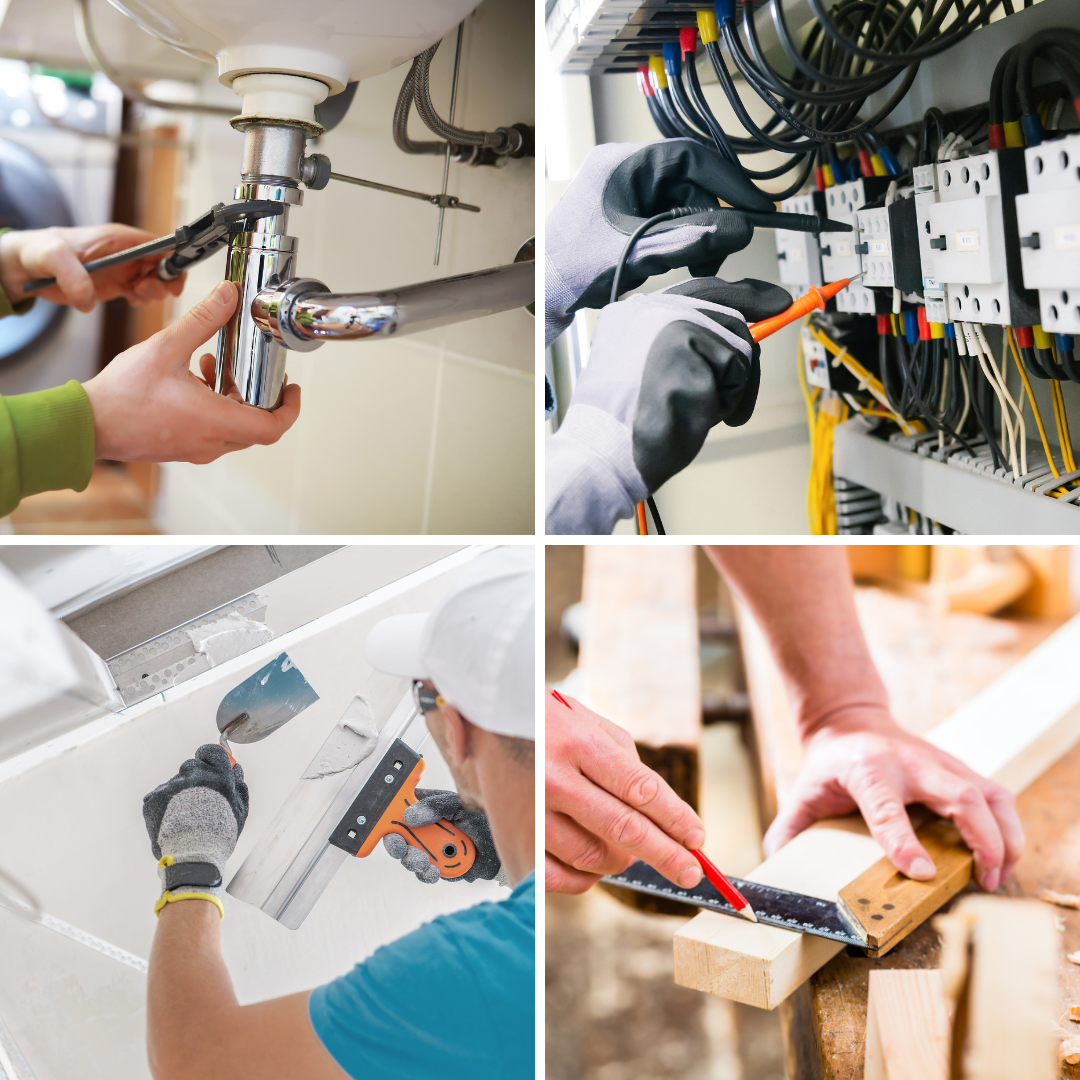
1. Plumbing Repairs
Many handymen offer basic plumbing services, such as fixing leaks, unclogging drains, replacing faucets, and repairing toilets or sinks. These services help homeowners prevent water damage and maintain efficient plumbing systems.
Because plumbing issues are among the most frequent homeowner concerns, offering these services can create a steady source of work for a handyman business.
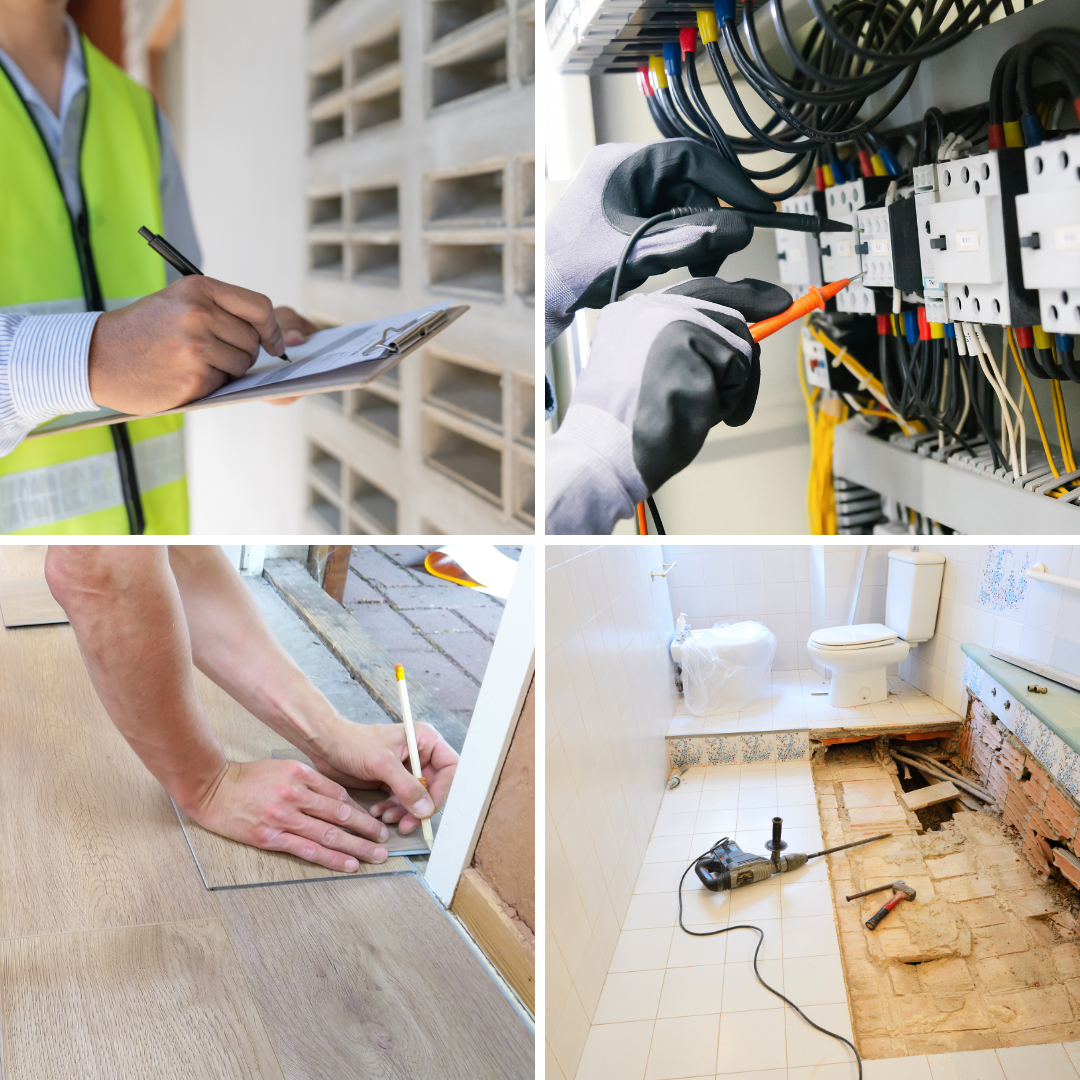
2. Electrical Work
Handymen may perform minor electrical tasks, including installing light fixtures, ceiling fans, switches, and outlets. These services help homeowners improve safety, functionality, and energy efficiency throughout their properties.
However, electrical regulations vary by location, and some jobs may require a licensed electrician. Before offering electrical services, ensure you understand the legal requirements in your area.
3. Painting And Drywall
Painting and drywall repairs are popular handyman services that can significantly improve a property's appearance. Common tasks include patching holes, repairing cracks, sanding surfaces, and applying fresh coats of paint.
These services help homeowners maintain their properties while giving rooms a clean, updated, and well-maintained look.
4. Carpentry
Carpentry services may include installing shelves, repairing furniture, fixing doors and windows, building cabinets, and constructing small decks or outdoor structures. These projects improve both the functionality and visual appeal of a property.
Because carpentry skills are useful in many situations, they can become an important part of a handyman business and provide opportunities for larger projects over time.
5. Home Maintenance
Home maintenance services help homeowners keep their properties in good condition year-round. Common tasks include gutter cleaning, pressure washing, minor repairs, lawn maintenance, and replacing damaged fixtures or hardware.
Regular maintenance can prevent costly repairs, improve safety, and help homeowners protect the value of their properties over the long term.
6. Flooring Installation And Repair
Many handymen offer flooring services, including the installation of laminate, vinyl, tile, hardwood, and carpeting. They may also repair damaged flooring, replace worn sections, and address minor issues before they worsen.
Quality flooring work improves a home's appearance while increasing durability and reducing future maintenance costs.
7. Assembly Services
Assembly services are popular among homeowners who need help putting together furniture, shelving units, outdoor playsets, storage systems, and other products.
A handyman can complete these tasks efficiently and ensure everything is assembled correctly and safely. This service saves customers time and frustration while providing peace of mind that items are secure and ready for use.
8. Remodelling And Renovation
Handymen often assist with small remodelling and renovation projects, such as updating bathrooms, refreshing kitchens, replacing fixtures, installing backsplashes, or improving flooring.
These projects can enhance both the functionality and appearance of a property. Small renovations are often in high demand because they allow homeowners to improve their living spaces without the cost and disruption of a major remodel.
9. Fence And Gate Repair
Fence and gate repair services help homeowners maintain the security, privacy, and appearance of their properties. Common tasks include replacing damaged boards, repairing posts, fixing hinges, and installing new gates.
These services can improve curb appeal, increase property value, and ensure fences and gates remain safe and functional for years to come.
10. Window And Door Repair
Handymen can repair damaged windows, replace weather stripping, fix locks and hinges, and install new doors. These services help improve energy efficiency, reduce drafts, and enhance a home's security.
Well-maintained windows and doors also improve comfort and contribute to a property's overall appearance and functionality.
11. Smart Home Installation
As smart home technology becomes more popular, many handymen offer installation services for devices such as smart thermostats, security cameras, smart lighting systems, video doorbells, and home automation equipment.
These upgrades provide convenience, improve energy efficiency, enhance security, and allow homeowners to manage various aspects of their homes remotely.
12. Tiling And Grouting
Tiling and grouting services include installing ceramic, porcelain, or stone tiles in kitchens, bathrooms, backsplashes, and flooring areas. Handymen may also repair damaged tiles and replace old grout to restore the appearance of tiled surfaces.
Proper tile installation improves durability, protects surfaces from moisture, and creates an attractive, professional finish that can enhance a property's value.

13. Roofing Maintenance
Some handymen offer basic roofing maintenance services, such as cleaning gutters, replacing damaged shingles, sealing minor leaks, and inspecting roofs for signs of wear. Regular maintenance can help homeowners identify small problems before they develop into costly repairs.
However, larger roofing projects may require specialized contractors depending on local regulations and the complexity of the work.
14. Deck And Patio Construction
Deck and patio services can include building, repairing, staining, or maintaining outdoor living spaces. Handymen may also install pergolas, railings, steps, and other outdoor features that improve both functionality and appearance.
Well-designed outdoor spaces can enhance property value while providing homeowners with comfortable areas for relaxation and entertainment.
15. Pressure Washing
Pressure washing is a popular handyman service used to clean driveways, walkways, siding, decks, patios, and fences. Removing dirt, mould, mildew, and grime helps restore surfaces and improve a property's overall appearance.
Regular pressure washing can also extend the life of outdoor surfaces by preventing the buildup of damaging contaminants.
16. Home Inspections And Safety Checks
Some handymen offer basic home inspections and safety checks to help homeowners identify maintenance issues before they become major problems.
These inspections may include checking smoke detectors, carbon monoxide detectors, fire extinguishers, door locks, handrails, and other safety-related features.
This preventive service helps improve home safety, reduce potential hazards, and give homeowners greater peace of mind.

How To Start A Handyman Business
Starting a handyman business requires more than technical skills. Success depends on careful planning, understanding your market, offering quality services, and building a strong reputation within your community.
The following steps will help you establish a solid foundation, attract customers, and grow a profitable handyman business over time.
Step 1: Conduct Market Research
Conducting thorough market research is one of the most important steps when starting a handyman business. Understanding your local market will help you identify potential customers, evaluate competitors, determine pricing, and discover opportunities to stand out from other service providers in your area.
By investing time in research before launching your business, you can make informed decisions that increase your chances of long-term success and profitability.
1. Understand The Local Market
Understand the types of properties in your area, such as residential, commercial, or industrial, to target the right customers and offer services that match local needs and preferences.
Research local competitors on Yelp, Google Reviews, and Angi to identify their strengths, weaknesses, pricing strategies, and service offerings. This information can help you position your business more effectively.
Investigate the most requested services in your area, such as plumbing repairs, electrical work, painting, flooring installation, or general maintenance. Focusing on high-demand services can help you attract customers and generate consistent work.
2. Analyze Your Competition
Research local competitors on Yelp, Google Reviews, Angi, and social media platforms. Pay attention to the services they offer, their pricing, customer reviews, and how they market their businesses.
Understanding your competitors' strengths and weaknesses can help you position your handyman business more effectively and identify opportunities to stand out.
3. Identify Market Opportunities
Look for services that are in high demand but not widely offered in your area. Examples may include smart home installations, senior home modifications, eco-friendly repairs, or emergency maintenance services.
Finding an underserved niche can help you attract customers more quickly and establish a competitive advantage.
4. Customer Research
Speak directly with potential customers or use surveys to better understand their needs and expectations. This research can help you identify what matters most to your target audience, such as reliability, professionalism, affordability, quality workmanship, or fast response times.
Understanding customer preferences can help you tailor your services, improve customer satisfaction, and position your business more effectively in the local market.

Step 2: Create A Business Plan
A well-structured business plan serves as a roadmap for your handyman business. It helps you define your goals, organize your operations, manage finances, and create a strategy for long-term growth.
Whether you're starting small or planning to expand in the future, a business plan can help you make informed decisions and stay focused on your objectives.
1. Executive Summary
Establish a clear mission that outlines your purpose and goals. Your vision should articulate long-term objectives and emphasize what sets your business apart from competitors, such as customer satisfaction and expertise.
2. Services And Pricing
Clearly define the services you plan to offer, such as plumbing repairs, electrical work, carpentry, painting, flooring installation, and general home maintenance. A detailed service list helps customers understand your expertise and the value you provide.
Next, determine how you will charge for your services. You may choose hourly rates, fixed project pricing, or service packages. Your pricing should cover operating costs, reflect your experience, and remain competitive within your local market.
3. Target Market
Identify your target audience, such as homeowners, property managers, real estate agents, or business owners. Understanding who benefits most from your services helps you tailor your marketing efforts and offerings.
4. Marketing Strategy
Use local SEO, social media, flyers, and partnerships with local businesses to increase visibility. Effective marketing strategies help build brand recognition and attract potential customers within your target area.
5. Financial Plan
Detail your initial investment and the expected costs for tools, equipment, marketing, insurance, etc. Also, include financial projections for revenue, expenses, and profits in the first 3-5 years.
6. Growth Strategy
Explore options for business growth, such as hiring more staff, expanding service areas, or offering specialized services. Strategic scaling can increase revenue and grow your customer base.

Step 3: Legal Considerations And Licensing
Before offering services to customers, ensure your handyman business complies with all local, provincial, state, and federal requirements.
Proper licensing, insurance, and business registration help protect both you and your clients while establishing credibility and professionalism.
1. Choose Your Business Structure
Starting as a sole proprietorship is common because it is simple and inexpensive to set up. As your business grows, you may consider forming a Limited Liability Company (LLC) or another business structure that offers greater legal protection for your personal assets.
Choosing the right business structure can affect taxes, liability, and future growth opportunities. Consulting an accountant or lawyer can help you select the option that best aligns with your business goals.
2. Obtain Necessary Licenses And Permits
Handyman businesses may require various licenses and permits depending on their location and the services offered. These may include a general business license, contractor's license, or permits for specific types of work.
Before offering services, verify local regulations and licensing requirements. Certain tasks, such as electrical, plumbing, or gas work, may require additional certifications or licensed professionals.
3. Insurance And Bonding
Business insurance helps protect you from financial losses caused by property damage, accidents, or liability claims. Having adequate coverage safeguards both your business and your reputation.
If you plan to hire employees, workers' compensation insurance may be required by law. This coverage helps pay medical expenses and lost wages for employees injured on the job.
Bonding provides additional protection for clients by guaranteeing compensation if contractual obligations are not met. Being bonded can increase customer confidence and strengthen your professional credibility.
4. Obtain A Tax Identification Number
If you establish a business entity such as an LLC or corporation, you may need to obtain an Employer Identification Number (EIN) or other tax identification number from the appropriate tax authority.
A tax identification number is often required for filing taxes, opening business bank accounts, hiring employees, and managing other business-related financial activities.

Step 4: Set Up Your Tools And Equipment
Having the right tools and equipment is essential for running a successful handyman business. Investing in reliable, high-quality equipment can improve efficiency, enhance safety, and help you deliver professional results that keep customers satisfied.
1. Essential Tools And Equipment
Start by purchasing the basic tools needed for common handyman tasks. These may include drills, hammers, screwdrivers, wrenches, pliers, saws, measuring tapes, levels, utility knives, and ladders.
As your business grows, you can expand your collection with power tools and specialized equipment to handle a wider range of projects and services.
2. Vehicle
A reliable vehicle is one of the most important investments for a handyman business. A truck, van, or utility vehicle allows you to transport tools, equipment, and materials safely and efficiently between job sites.
Consider adding shelves, storage bins, and organizational systems to keep your vehicle tidy and ensure you can quickly access the items you need for each project.
3. Inventory And Supplies
Keep a stock of frequently used materials such as nails, screws, bolts, anchors, paint supplies, caulking, sealants, sandpaper, and other essential items. Having these supplies readily available can reduce delays and improve productivity.
Maintaining a well-organized inventory system can also help you track costs and avoid running out of important materials during projects.
4. Safety Equipment
Safety should always be a priority. Invest in personal protective equipment (PPE), including gloves, safety glasses, dust masks, hearing protection, hard hats, and appropriate work boots.
Using proper safety equipment helps reduce the risk of injury, protect your health, and demonstrate professionalism when working on client properties.
Wealthy Affiliate – Mini Review
If you’ve ever thought about turning your blog, passion, or niche into an online business,
Wealthy Affiliate (WA) is one of the most beginner-friendly platforms I’ve used.
It combines step-by-step training, website hosting, AI-powered tools,
keyword research, and an active community all in one place.
What I like most is that you can start free (no credit card needed), explore the platform,
test the tools, and connect with other entrepreneurs before upgrading.
WA isn’t a “get rich quick” scheme — success comes from consistent effort
and applying what you learn over time.
Step 5: Marketing And Growing Your Business
Effective marketing is essential for attracting customers and building a successful handyman business. By combining online and offline marketing strategies, you can increase visibility, establish credibility, and generate a steady stream of leads.
1. Create A Website
Your website serves as your online storefront. It should include information about your services, service areas, pricing, contact details, and customer testimonials. Adding before-and-after photos and helpful blog content can improve your search engine rankings and attract more potential clients.
2. Local SEO
Optimize your website and online profiles for local searches. Create and maintain a Google Business Profile so customers can easily find your business when searching for handyman services in their area.
Keep your contact information, business hours, service descriptions, and photos up to date to improve visibility and credibility.
3. Social Media Marketing
Build an online presence through platforms such as Facebook, Instagram, and LinkedIn. Share project photos, maintenance tips, customer success stories, and seasonal promotions to engage your audience and showcase your expertise.
Respond promptly to comments and messages to build trust and strengthen relationships with potential customers.
4. Referral Program
Encourage word-of-mouth marketing by rewarding satisfied customers who refer friends, family members, or colleagues to your business. Referral incentives can help you generate new leads while strengthening customer loyalty.
5. Partnerships
Develop relationships with local businesses, real estate agents, property managers, contractors, and home improvement companies. These partnerships can create valuable referral opportunities and help expand your customer base.
6. Reviews And Testimonials
Positive reviews can significantly influence a customer's decision to hire your services. Encourage satisfied clients to leave reviews on Google, Yelp, Facebook, and other relevant platforms.
Customer testimonials help build trust, improve your online reputation, and increase the likelihood of attracting new clients.
7. Promotions And Special Offers
Seasonal promotions, first-time customer discounts, and bundled service packages can help attract new customers and encourage repeat business.
Special offers can also increase customer loyalty and provide an additional incentive for people to choose your services over competitors.

Step 6: Provide Excellent Customer Service
Outstanding customer service can set your handyman business apart from competitors. Satisfied customers are more likely to leave positive reviews, recommend your services to others, and hire you again for future projects.
1. Respond Promptly
Responding quickly to phone calls, emails, website inquiries, and social media messages demonstrates professionalism and reliability. Prompt communication helps create a positive first impression and shows potential customers that you value their time.
Even if you cannot provide an immediate solution, acknowledging inquiries promptly can help build trust and confidence in your business.
2. Communicate Clearly
Set clear expectations regarding pricing, timelines, materials, and the scope of work before a project begins. Customers should understand exactly what services are included and what results they can expect.
Clear communication helps prevent misunderstandings, reduces disputes, and creates a smoother experience for both you and your clients.
3. Deliver Quality Work
Consistently delivering high-quality workmanship is one of the best ways to build a strong reputation. Customers who are satisfied with your work are more likely to leave positive reviews, recommend your services, and become repeat clients.
Paying attention to detail and completing projects professionally can help your business stand out in a competitive market.
4. Follow Up
Following up after completing a project shows customers that you care about their satisfaction. A simple phone call, email, or message can help ensure the work met their expectations and provide an opportunity to address any concerns.
This extra level of service helps build long-term relationships, encourages repeat business, and increases the likelihood of referrals.
Step 7: Scale Your Handyman Business
Once your handyman business is operating successfully, you can focus on growth and expansion. Scaling your business allows you to increase revenue, serve more customers, and create additional opportunities for long-term success.
1. Hiring Employees
As demand for your services grows, hiring employees or subcontractors can help you take on more projects and reduce your workload. Building a reliable team allows you to serve more clients while maintaining high standards of workmanship and customer service.
Carefully train new team members to ensure they understand your company values, quality standards, and customer service expectations.
2. Expanding Your Services
Adding new services can help you attract a wider range of customers and increase your earning potential. For example, you might expand into kitchen and bathroom updates, smart home installations, deck construction, pressure washing, or property maintenance services.
Diversifying your offerings can create additional revenue streams while positioning your business as a one-stop solution for home improvement and repair needs.
3. Franchise Or Multi-Location Expansion
Once you have developed a successful business model, you may consider expanding into new service areas or opening additional locations. Some business owners eventually explore franchising opportunities, allowing others to operate under their established brand and systems.
Strategic expansion can increase market reach, strengthen brand recognition, and create new sources of revenue while building a larger business over time.
FAQs
Q1: What Does A Handyman Charge Per Hour?
Handyman rates vary depending on location, experience, and the complexity of the work. In many areas, handymen charge between $50 and $100 per hour, although specialized services or emergency repairs may command higher rates.
Q2: What Jobs Can A Handyman Do?
A handyman can perform a wide range of repair, maintenance, and improvement tasks. Common services include plumbing repairs, painting, carpentry, drywall repairs, flooring installation, furniture assembly, pressure washing, and general home maintenance.
Q3: Is A Handyman Business Profitable?
Yes, a handyman business can be profitable when supported by a steady client base, competitive pricing, and quality workmanship.
Offering multiple services, maintaining strong customer relationships, and generating referrals can help increase profitability over time.
Q4: How Do I Start A Handyman Business With No Experience?
Start by learning basic repair and maintenance skills through training courses, apprenticeships, online resources, or hands-on practice.
Begin with small projects, gain experience, obtain any required licenses, and gradually expand your services as your skills and confidence grow.
Conclusion
Learning how to start a handyman business involves more than having repair skills. Success requires careful planning, market research, proper licensing, quality tools, effective marketing, and a commitment to excellent customer service.
By creating a solid business plan, setting competitive prices, building a strong reputation, and consistently delivering quality work, you can attract loyal customers and grow a profitable business.
With dedication, professionalism, and a focus on customer satisfaction, your handyman business can achieve long-term success.
I trust you enjoyed this article on How To Start A Handyman Business In 7 Practical Steps. Please stay tuned for more insightful blogs on affiliate marketing, online business, and working from anywhere in the world.
Take care!
— JeannetteZ 🌍✨
💬 Your Opinion Is Important To Me
Do you have thoughts, ideas, or questions? I’d love to hear from you. Please leave your comments below or email me directly at Jeannette@WorkFromAnywhereInTheWorld.com.
📚 More Work From Anywhere Reads
🚀 Ready to Build a Business You Can Run from Home
Or from Anywhere in the World?
Imagine creating income on your terms — from home, a cozy café, or wherever life takes you.
With the right tools, training, and community support, it’s entirely possible.
Start your own online business for free — no credit card needed.
Disclosure
This post may contain affiliate links. As an Amazon Associate and participant in other affiliate programs, I earn from qualifying purchases at no extra cost to you. Please read my full affiliate disclosure.